
Selecting the right dining chairs requires balancing physical dimensions, material durability, and visual style to ensure your dining area remains both functional and comfortable. When choosing among the various Toyogo chair models, matching the specific chair design to your existing dining table is essential for creating a cohesive look and comfortable seating arrangement. By evaluating your table’s height, the available floor space in your dining room, and your household’s daily habits, you can identify the ideal chair variant that fits seamlessly into your home. This guide outlines the key steps to measure your space, assess material benefits, coordinate design styles, and verify safety specifications before making your final selection.
Assess Your Dining Table and Space Proportions
To find chairs that fit comfortably, start by taking precise measurements of your dining table and the surrounding room. Begin by measuring the distance from the floor to the underside of the table’s top surface, paying close attention to any support beams or aprons that extend downward. This vertical clearance determines the maximum seat height and armrest height your chairs can have while still sliding fully underneath the table when not in use. In many Singapore apartments, where dining spaces are often integrated into open-plan living areas, ensuring chairs can be tucked away completely is crucial for maintaining clear walkways.
Next, calculate the horizontal space available along the sides of your table to determine how many chairs can comfortably fit. Measure the distance between the table legs rather than the outer edges of the tabletop, as the legs define the actual boundary for chair placement. To prevent guests from bumping elbows during meals, allow at least 60 centimeters of width for each dining spot, with an additional 15 centimeters of clearance between adjacent chairs. If your table has a central pedestal base instead of four corner legs, you may have more flexibility in chair placement, but you must still ensure the chair bases do not collide with the pedestal.
Products mentioned in this guide
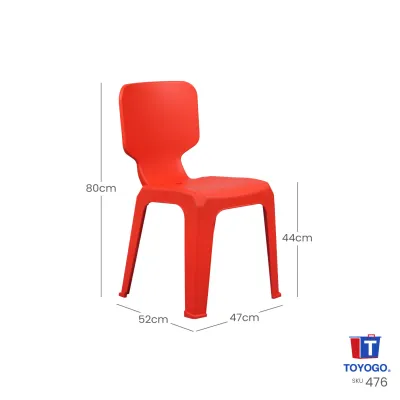
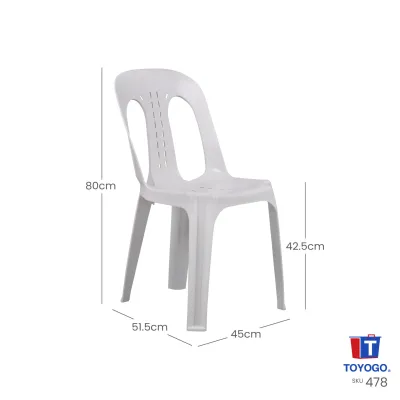
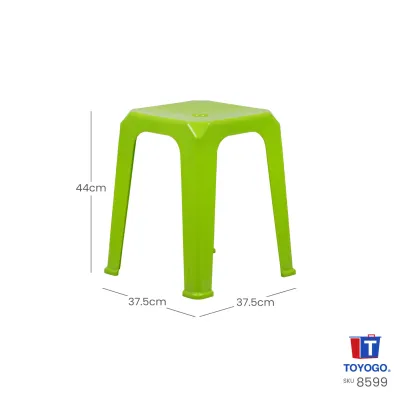
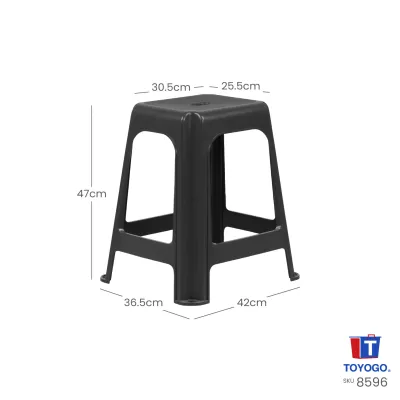
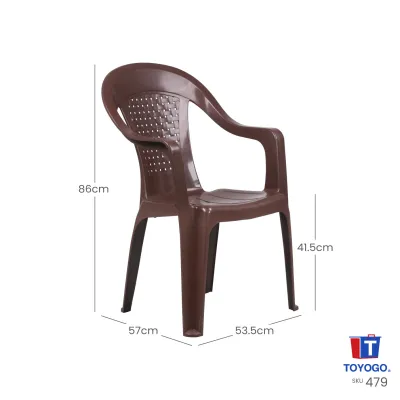
Prices are valid at publication and may change. Please refer to the product page for the latest price.
Finally, evaluate the surrounding floor space to guarantee comfortable movement around the dining area. A standard dining chair requires approximately 90 centimeters of clear space behind it to allow a person to pull the chair out, sit down, and stand up without hitting walls, sideboards, or other furniture. If your dining table is positioned near a major household thoroughfare, you may need to opt for narrower, armless chair variants that require less clearance. Mapping out these physical boundaries beforehand prevents the frustration of overcrowding your dining room with oversized seating.
Match Materials to Your Daily Usage and Maintenance
The material of your dining chairs plays a significant role in their longevity, ease of cleaning, and suitability for your household’s lifestyle. Lightweight plastic and polypropylene chairs, such as those in the Toyogo range, are highly valued for their exceptional resistance to spills, moisture, and everyday wear. Unlike upholstered chairs that can trap dust, absorb liquids, and require specialized deep cleaning, solid plastic surfaces can be wiped clean in seconds with a damp cloth. This makes them an excellent choice for busy households, families with young children, or homes with pets where spills and messes are frequent occurrences.

When evaluating different material options, consider how the chairs will be used beyond standard meal times. If your dining table doubles as a homework station, a home office, or a crafting area, the chairs will experience higher levels of daily friction and potential exposure to ink, paint, or adhesive materials. High-quality plastic variants resist staining from most household substances and do not warp or degrade when exposed to high humidity, which is a common environmental factor in Singapore. However, it is always wise to review the manufacturer’s care instructions to identify approved cleaning agents, as abrasive scrubbers or harsh chemical solvents can dull or scratch the plastic finish over time.
Additionally, consider the portability and storage advantages of lightweight materials. Plastic chairs are easy to move around the home, allowing you to quickly transition them from the dining room to the balcony or living area when hosting larger gatherings. Many molded plastic designs are also stackable, providing a highly efficient storage solution for homes with limited floor space. Before purchasing, check the manufacturer’s guidelines regarding stack limits to ensure you can store extra chairs safely without risking tipping or structural deformation.
Align Design Details with Your Dining Room Style
While functionality is paramount, the visual design of your dining chairs should complement the overall aesthetic of your home. Modern dining spaces often benefit from chairs with clean lines, minimalist silhouettes, and matte or textured finishes that do not overwhelm the room. If your dining table is made of heavy solid wood or industrial metal, pairing it with streamlined plastic chairs can create a balanced, contemporary look by softening the visual weight of the table. Conversely, pairing a glass or lightweight laminate table with structurally detailed chairs can add depth and interest to the dining area.
The design of the chair’s backrest also influences the perceived size and openness of your dining room. High-back chairs tend to look more formal and can draw the eye upward, making them suitable for spacious dining rooms with high ceilings. However, in smaller dining alcoves, high-back chairs can block sightlines and make the space feel cramped. Opting for low-back or open-back chair designs allows light to pass through, maintaining an airy, spacious feel while still providing adequate lumbar support.
Color selection is another powerful tool for defining your dining room’s style. Choosing chairs in neutral tones like white, charcoal, or beige allows them to blend seamlessly into almost any decor scheme, making it easy to update your wall colors or table settings in the future. If you prefer a more vibrant look, selecting chairs in a bold, contrasting color can turn your dining set into a stylish focal point. When mixing colors, try to keep the chair silhouette identical to maintain a sense of intentional design rather than visual clutter.
Verify Comfort, Clearance, and Safety Before Buying
Before finalizing your purchase, it is essential to verify that your chosen chair variants meet basic ergonomic and safety standards for your specific setup. The ideal distance between the top of the chair seat and the top of the dining table is generally between 25 and 30 centimeters. This gap provides comfortable legroom for most adults while keeping the tabletop at a natural height for dining or working. Check the manufacturer’s product specifications for the exact seat height of each variant, keeping in mind that adding seat cushions will alter this measurement.
If you are considering chair variants with armrests, double-check that the armrests can slide completely under the table apron. Armchairs offer excellent comfort and support, but if they cannot be tucked in, they will remain permanently extended into your dining room’s walkways, reducing usable floor space. Additionally, inspect the angle of the backrest; some chairs have a more reclined posture that requires extra clearance behind the table, while upright designs are more compact and encourage an active sitting posture.
Finally, prioritize safety and stability by reviewing the manufacturer’s stated weight capacities and structural features. Ensure the chairs feature robust, well-engineered joints and a wide, stable base to prevent tipping, especially if you have active children or elderly family members who rely on the chairs for support when standing up. Look for models equipped with non-slip, non-marking rubber feet, which protect your flooring from scratches and prevent the chairs from sliding unexpectedly on smooth tiled or vinyl surfaces. Taking the time to verify these technical details ensures your dining chairs remain safe, comfortable, and functional for years to come.
Frequently Asked Questions (FAQ)
Can I mix different Toyogo chair variants around the same table?
Yes, mixing different chair variants can create a highly personalized and stylish dining setup, provided you maintain a few unifying elements. To keep the look cohesive rather than chaotic, ensure that all the chairs share a similar seat height so that everyone sits at the same level relative to the table. You can tie different designs together by choosing variants in the same color family, or by selecting chairs made from the same material, such as matching different molded plastic silhouettes. Another popular approach is to use matching armless chairs along the sides of the table while placing two distinct, slightly larger armchairs at the head and foot of the table to serve as statement pieces.
What should I do if the chair seat height does not perfectly match my table?
If you experience a minor height discrepancy between your chairs and table, there are several safe, non-structural ways to improve the ergonomics of your seating arrangement. For chairs that sit slightly too low, adding a firm, non-slip seat cushion can easily bridge a gap of a few centimeters while enhancing overall comfort. If the chairs sit slightly too high or unevenly, check if the legs are compatible with adjustable, screw-in leveling feet that can make minor height corrections. You should never attempt to structurally modify the chairs, such as cutting down plastic or metal legs, as this severely compromises the structural integrity of the frame, increases the risk of tipping, and voids any manufacturer warranties.

Community discussion
Share your experience or ask a question. Comments are reviewed before publication.