
To find the right tall shoe cabinet, you must balance your household’s actual shoe count with the physical limits of your entryway. A tall shoe cabinet maximizes vertical space, making it an excellent choice for space-constrained homes like apartments and condominiums where floor area is at a premium. By calculating your current inventory, planning for future additions, and measuring your available wall space, you can select a unit that keeps your entryway organized and clutter-free.
Assess Your Shoe Collection and Household Needs
Every household has unique footwear habits, making a thorough shoe audit the essential first step in your storage planning. Before browsing designs, gather every pair of shoes owned by each family member. This physical count provides an accurate baseline of your storage needs, preventing you from underestimating the required cabinet size.
Categorize the collection by frequency of use to understand how the cabinet’s interior should be organized. Daily essentials, such as school shoes, work heels, and casual sneakers, require the most accessible middle shelves. Specialty footwear, including running shoes, hiking boots, or formal dress shoes, can be placed on the very high or very low shelves since they are accessed less frequently.
Products mentioned in this guide
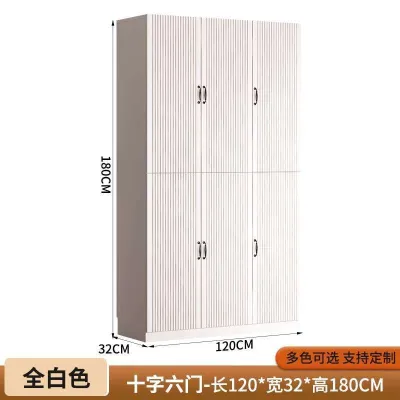
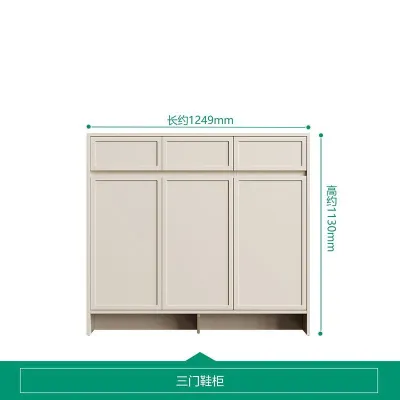
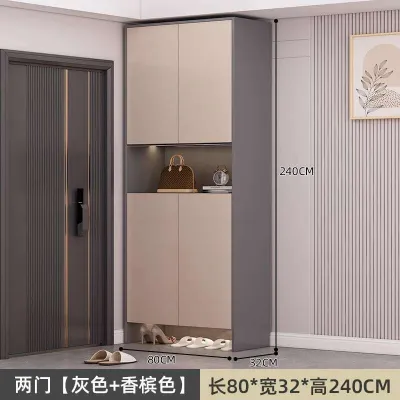
![[Cozy ]Solid Wood Shoe Cabinet for Home Entrance Large Capacity Storage Cabinet Living Room Organizer Shoe Rack](https://img.lazcdn.com/g/p/02bcd0cb361a32c15b476ddacd4e77e1.jpg_400x400q80.jpg_.webp)
![[Cozy ]Solid Wood Shoe Cabinet Entrance Hallway Cabinet Home Doorway Large Capacity Entryway Storage Cabinet Shoe Rack](https://img.lazcdn.com/g/p/bf6b5292bee55c6b51a5aabeb4f10986.jpg_400x400q80.jpg_.webp)
![[CozyNest ]Solid Wood Shoe Cabinet Entrance Hallway Cabinet Home Doorway Large Capacity Entryway Storage Cabinet Shoe Rack](https://img.lazcdn.com/g/p/e26dafe78ff05c0b74e3412d98baa8e6.jpg_400x400q80.jpg_.webp)
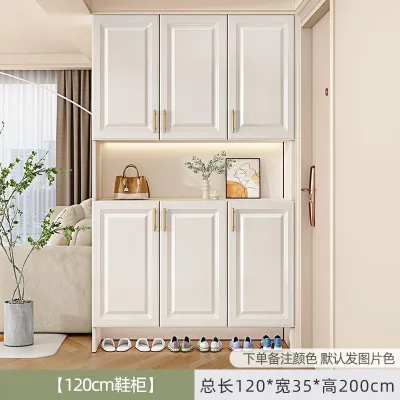
![[CozyNest ]Solid Wood Entryway High Cabinet Multi-layer Extra Large Shoe Cabinet Large Capacity Doorway Storage Integrated Indoor Customizable](https://img.lazcdn.com/g/p/23b2670b2e763047dc096b76e5782c89.jpg_webp_400x400q80.jpg_.webp)
Prices are valid at publication and may change. Please refer to the product page for the latest price.
Anticipate future household growth and changing needs when determining capacity. Families with young children must plan for larger shoe sizes and an increasing number of pairs as the kids grow. If you are an avid runner, sports enthusiast, or fashion collector, your collection is likely to expand, meaning you should build in a buffer of at least twenty percent extra capacity.
Distinguish between active entryway storage and long-term storage to optimize your space. The primary entryway cabinet should focus on shoes worn regularly throughout the week. Out-of-season footwear, heavy winter boots, or rarely worn formal shoes can be stored in bedroom closets or under-bed storage boxes, keeping your main entryway cabinet organized and functional.
Consider guest shoe management if you frequently host visitors. A tall cabinet with an open bottom shelf or a dedicated lower compartment allows guests to store their footwear neatly upon arrival. This keeps the entryway clear of tripping hazards and maintains a welcoming, tidy atmosphere in your home.
Translate Shoe Count into Cabinet Capacity Tiers
Cabinet manufacturers often rate their products by the number of pairs they can hold, but these ratings are typically based on standard flat shoes. To make a practical decision, it is helpful to translate your total shoe count into flexible capacity tiers that account for different shoe styles and sizes.

Compact tall cabinets, which generally hold 10 to 15 pairs, are ideal for single occupants, couples, or homes with minimal footwear collections. These units often feature slim profiles, shallow depths, or tilting drawers that fit snugly against the wall in narrow corridors without obstructing foot traffic.
Standard tall cabinets, accommodating 20 to 30 pairs, are the most common choice for average-sized households of three to four people. These cabinets offer a balanced combination of vertical height and shelf depth, providing enough room to store a diverse mix of sneakers, flats, sandals, and children’s shoes.
High-capacity tall cabinets, designed to store 40 or more pairs, are built for large families or dedicated shoe collectors. These units utilize maximum vertical wall space, often reaching close to the ceiling, to consolidate a massive collection into a single, organized footprint.
Understand how shoe types and shelf adjustability affect actual usable capacity. Bulky basketball sneakers, high heels, and ankle boots occupy significantly more physical volume than flat sandals or slip-ons. Choosing a cabinet with adjustable or removable shelves allows you to customize the interior layout, ensuring you do not waste vertical space between shorter shoes.
Balance maximum stated capacity with daily accessibility. Packing a cabinet to its maximum capacity makes retrieving shoes difficult and can damage delicate materials like leather or suede. Leaving a small amount of breathing room between pairs ensures proper air circulation, which is especially important in humid climates like Singapore to prevent mold and musty odors.
Measure and Match Vertical Space and Footprint
A tall shoe cabinet is a prominent physical feature in any entryway, making precise measurements essential before making a purchase. You must evaluate both the horizontal floor footprint and the vertical wall space to ensure the cabinet fits seamlessly into your home’s layout.
Begin by measuring the exact width and depth of the designated floor area. Ensure there is sufficient clearance for the cabinet doors to swing fully open without striking nearby walls, main entrance doors, or adjacent room doors. If the entryway is tight, consider sliding doors or tilting compartments instead of traditional hinged doors.
Account for architectural details like skirting boards and wall trim. If a tall cabinet does not have a recessed base or legs designed to clear the skirting board, it will not sit flush against the wall. This creates an unstable gap behind the cabinet, which can collect dust and make securing the unit to the wall more difficult.
Check for vertical obstructions along the wall where the cabinet will stand. Look out for light switches, electrical outlets, intercom units, thermostat controls, or air conditioning vents. A tall cabinet must not block access to these essential controls, nor should it sit directly beneath a vent that could blow dust or moisture onto the unit.
Verify the cabinet depth to maintain safe and comfortable walkways. In narrow corridors or entryways, a cabinet that protrudes too far can restrict movement and create a tripping hazard. Aim to maintain a clear walkway width of at least 90 centimeters to allow family members to pass easily, even when carrying groceries or bags.
Avoid Common Capacity and Sizing Mistakes
One of the most common mistakes is relying solely on the manufacturer’s maximum pair count. These estimates are often based on small, low-profile shoes placed side-by-side. If your household wears larger shoe sizes, wide sneakers, or structured boots, the actual capacity of the cabinet may be significantly lower than the advertised number.
Ignoring wall anchoring requirements is a major safety hazard for tall, narrow furniture. A tall shoe cabinet has a high center of gravity, which shifts forward when the doors are opened or when heavy shoes are stored on the upper shelves. Always secure the cabinet to the wall using the manufacturer’s supplied anchoring brackets to prevent accidental tip-overs, especially in homes with children or pets.
Avoid buying a cabinet that matches your ceiling height exactly without leaving assembly clearance. Many flat-pack or pre-assembled cabinets require extra vertical space to tilt, lift, or secure during the installation process. Leaving a gap of at least 5 to 10 centimeters at the top also ensures adequate ventilation and makes cleaning the top of the cabinet much easier.
Inspect the quality of the shelf supports and joints before loading the cabinet. Heavy work boots and leather shoes can add up to a significant amount of weight when stored together. Ensure the shelf pegs are made of sturdy metal or thick plastic, and check that the shelves do not sag under the weight of your collection.
Frequently Asked Questions (FAQ)
How do I store tall boots in a standard tall shoe cabinet?
To store tall boots, look for a cabinet that features adjustable or removable shelves. Removing a shelf creates the necessary vertical clearance to keep boots upright, preventing the shafts from creasing or losing their shape over time.
If your cabinet has fixed shelves, you can use boot shapers or rolled-up inserts to keep the boots structured while storing them horizontally on a wider shelf. Alternatively, consider keeping seasonal or rarely worn boots in under-bed storage boxes and reserving the entryway cabinet for active, daily footwear.
Is it better to buy one large tall cabinet or two smaller ones?
A single large tall cabinet is ideal for maximizing vertical space and creating a clean, streamlined look in narrow entryways. It consolidates all household footwear into one central location, which helps reduce visual clutter and makes organizing easier.
Two smaller cabinets offer greater placement flexibility, allowing you to split storage between the entryway and a hallway or bedroom. This is a practical option if your walls have architectural obstructions like windows or low switches, or if you prefer to separate daily-use shoes from long-term storage.

Community discussion
Share your experience or ask a question. Comments are reviewed before publication.