
The ideal shoe rack capacity depends on your household size, lifestyle, and entryway footprint. For a typical household, a baseline of 4 to 6 pairs per person is a practical starting point, but the final decision requires balancing your actual collection size with the physical constraints of your home. By evaluating your storage habits and measuring your space accurately, you can select a unit that keeps your entryway organized and free of clutter.
Audit Your Household's Current and Future Shoe Collection
Start by gathering and categorizing every pair of shoes currently in use. Group them into daily wear, sports or outdoor gear, and formal or seasonal footwear. Daily wear needs to be easily accessible near the door, while formal shoes might only need occasional access and can be stored elsewhere if space is tight.
Consider the unique needs of each household member. Growing children will rapidly change shoe sizes, requiring larger slots over time. Active individuals with specialized hobbies, such as running, cycling, or hiking, often accumulate multiple technical pairs that take up more physical volume than standard flats or sandals.
Products mentioned in this guide
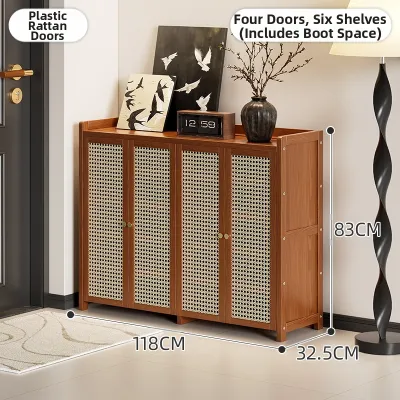
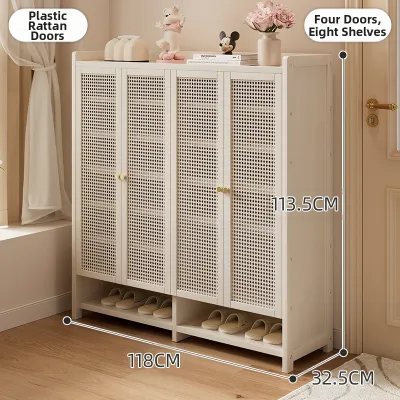
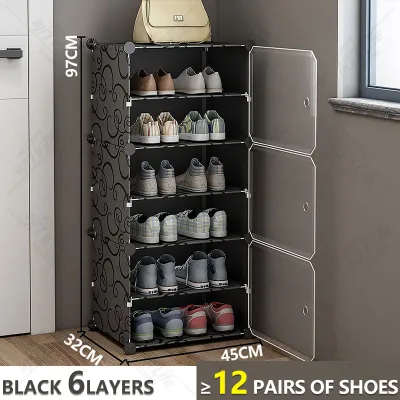
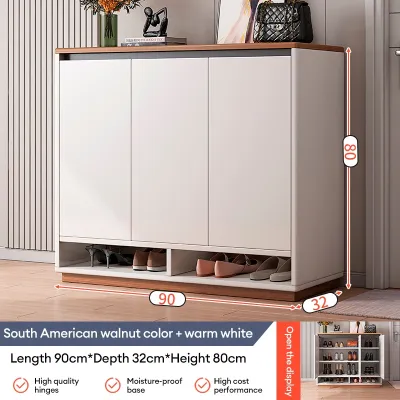
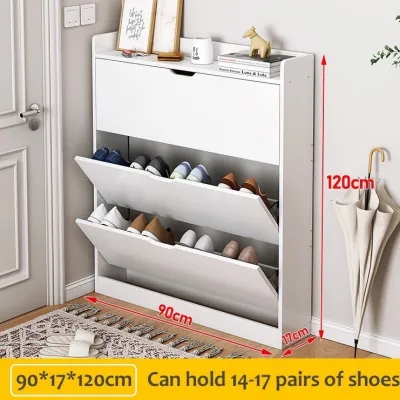
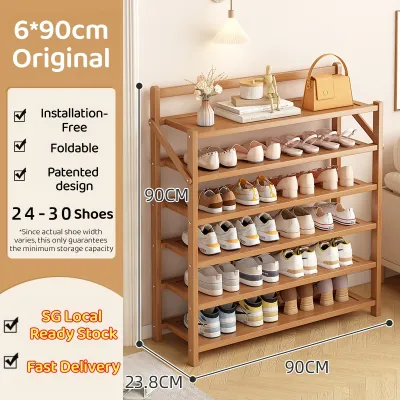
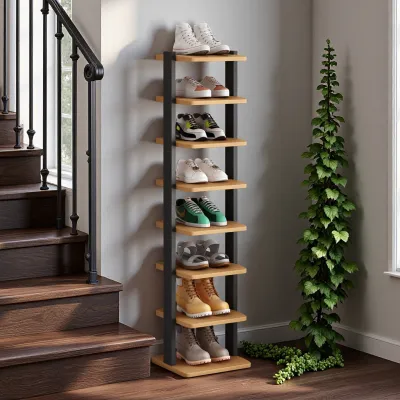
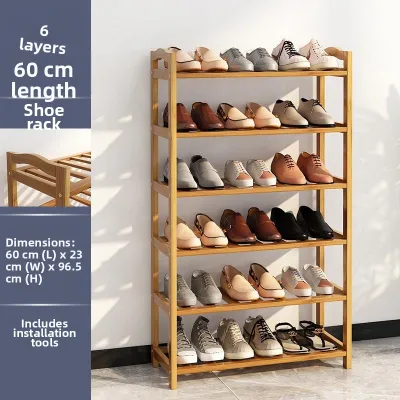
Prices are valid at publication and may change. Please refer to the product page for the latest price.
Always build in a buffer for future acquisitions. Calculating your storage capacity based solely on your current inventory almost guarantees an overflow within a year. Adding a 20% to 30% buffer to your total count ensures your entryway remains tidy even after new purchases or when hosting guests.
Measure Your Entryway Clearance and Footprint
Before purchasing any furniture, measure the physical dimensions of your designated entryway. You must account for the width, depth, and height of the space, ensuring the unit does not obstruct the natural flow of traffic. Pay close attention to door swing arcs, including both your main entrance door and nearby closet doors.

In Singapore apartments like HDB flats or condominiums, entryway space is often shared or highly regulated. Check for structural obstructions such as electrical DB boxes, intercom units, light switches, or water pipes. If you plan to place a rack in a common corridor, verify local fire safety guidelines to ensure you maintain the mandatory clear escape path width.
Do not forget to measure the largest shoe size in your household. Standard shoe racks often have a depth of around 30 to 35 centimeters, but larger shoes or bulky sneakers may require a deeper shelf to prevent the doors from jamming. Measure the sole length of your largest pair and compare it against the internal depth specifications of the cabinet.
Translate Pair Counts into Rack Tiers and Dimensions
Once you have a target pair count, you can translate this number into physical rack dimensions. The width of each shelf determines how many pairs can sit side-by-side. Generally, a standard pair of adult shoes requires about 20 to 25 centimeters of horizontal space, though you should always verify the manufacturer’s exact internal shelf width.
If your horizontal floor space is limited, vertical storage is the most efficient path forward. Tall, narrow shoe cabinets utilize vertical wall space effectively, making them ideal for tight corridors. Conversely, wide, low shoe benches offer a convenient place to sit while putting on shoes, but they hold fewer pairs and require a larger floor footprint.
The internal configuration of the rack also plays a massive role in actual usable capacity. Slanted shelves can reduce the depth profile of a cabinet, allowing it to fit in narrower hallways, though they may limit the height of the shoes you can store. Look for models with adjustable dividers or staggered shelf heights to maximize every square centimeter of internal space.
Adapt Storage Solutions for Compact Layouts
When your primary entryway simply cannot accommodate your entire collection, alternative storage strategies become essential. Over-the-door organizers, wall-mounted floating shelves, or slim-profile racks can utilize underused vertical zones. Under-bed storage boxes are also excellent for keeping less frequently worn pairs out of sight.
Adjustable shelving is a critical feature for compact layouts. By moving shelves closer together for flat shoes and wider apart for high-tops, you eliminate wasted vertical gaps. This customization allows you to pack more shoes into a smaller overall cabinet footprint.
Implementing a seasonal or functional rotation system can also keep your entryway clear. Keep only your daily essentials—typically two to three pairs per person—on the main entryway rack. Store formal wear, boots, and off-season footwear in bedroom wardrobes or dedicated storage rooms, swapping them out only when needed.
Avoid These Common Capacity and Sizing Mistakes
One frequent oversight is failing to allocate space for shoeboxes or maintenance accessories. If you prefer to keep high-end shoes in their original boxes, those boxes will take up significantly more volume than the shoes alone. You also need a small drawer or shelf space for shoe polish, brushes, and extra laces.
Another common mistake is assuming standard fixed-tier racks can accommodate all shoe types. High-top sneakers, ankle boots, and heels often require more vertical clearance than a standard 15-centimeter shelf interval provides. Always check if the shelves are adjustable or removable before committing to a purchase.
Finally, never overlook the weight capacity of your storage unit, especially with floating or wall-mounted designs. Heavy leather boots, safety shoes, and wet weather gear can add up to a substantial load. Ensure the wall anchors and the unit’s structural joints are rated to support the total weight of your collection when fully loaded.
Frequently Asked Questions (FAQ)
How do I store tall boots on a standard shoe rack?
Storing tall boots on standard shelves often requires adjusting the internal layout. Look for shoe racks that feature removable or highly adjustable shelves so you can create a taller bottom tier. If your shelves are fixed, use boot shapers or gently fold the shafts of soft boots to lay them horizontally, or store them in dedicated boxes on top of the cabinet.
Is it better to buy a shoe cabinet with doors or an open shoe rack?
The choice depends on your aesthetic preferences and ventilation needs. Closed shoe cabinets hide visual clutter and protect your footwear from dust, making them ideal for formal entryways. However, open shoe racks offer superior ventilation, which helps damp shoes dry faster and prevents odor buildup, while also occupying a slightly smaller physical footprint.
Community discussion
Share your experience or ask a question. Comments are reviewed before publication.