
To choose the right rubber protector for your furniture and flooring, you must balance the weight of the piece, the shape of its legs, and the specific vulnerabilities of your floor material. A mismatched protector can lead to permanent floor discoloration, deep scratches, or unstable furniture that slips during everyday use. By evaluating these three factors together, you can select a protector that preserves both your flooring investment and your home’s safety. Taking the time to understand how different materials interact prevents costly floor repairs and keeps your living space secure.
Assess Your Flooring Type and Its Vulnerabilities
Hardwood floors are highly prized for their natural warmth, but they are exceptionally vulnerable to physical and environmental damage. Heavy furniture can press grit into the wood fibers, creating deep scratches, while trapped moisture beneath a solid rubber cup can cause the wood to warp or discolor. When selecting protectors for hardwood, look for soft, high-grade rubber compounds that distribute weight evenly and do not trap condensation. It is also beneficial to choose designs that allow minimal air circulation or feature a soft felt interface where the protector meets the wood.
Vinyl flooring, including luxury vinyl tiles and vinyl sheets, is popular in modern homes for its water resistance and durability. However, vinyl is chemically sensitive to certain synthetic rubbers and petroleum-based products. A phenomenon known as plasticizer migration can occur when the plasticizers in the vinyl react with the chemicals in standard rubber, resulting in permanent, unsightly yellow stains. To prevent this chemical reaction, always verify that the rubber protector is labeled as non-reactive, or opt for protectors that utilize a physical barrier, such as a felt-bottomed rubber cup, to keep the rubber from directly touching the vinyl surface.
Products mentioned in this guide
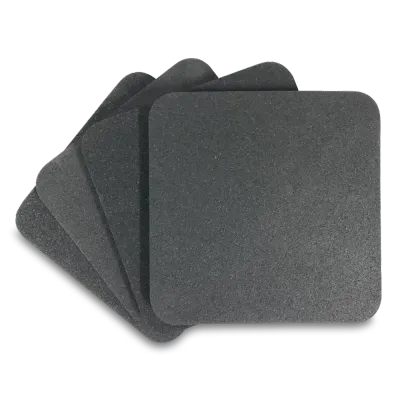
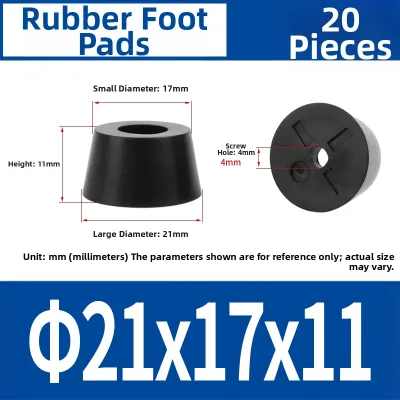
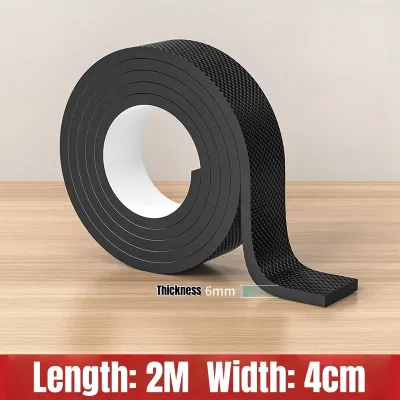
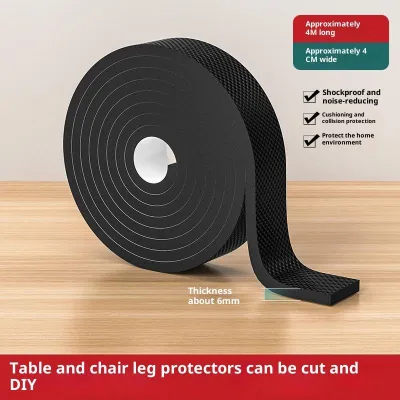
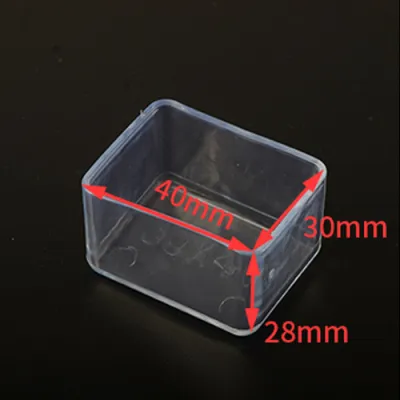
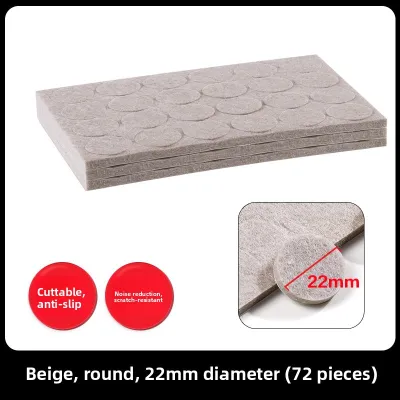
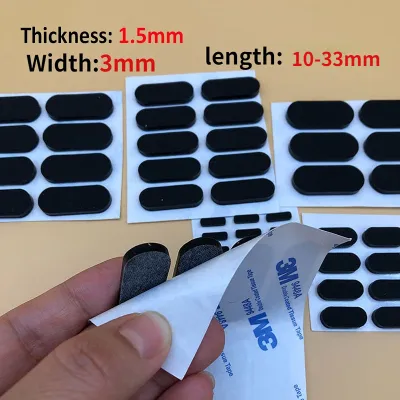
Prices are valid at publication and may change. Please refer to the product page for the latest price.
Tiled floors, whether ceramic, porcelain, or homogeneous, offer excellent hardness and moisture resistance, but they present unique physical challenges. The primary issues are uneven grout lines and the tendency of furniture to slide too easily on smooth, glazed surfaces. Rubber protectors for tiled floors must prioritize shock absorption to cushion the impact when heavy furniture is sat upon, and they need a high-traction surface texture to prevent sliding. Additionally, because tiles are often cleaned with wet mops, the protectors must resist moisture and avoid leaving sticky adhesive residues that can attract dirt into the grout lines.
Match Protectors to Furniture Weight and Leg Shape
Heavy furniture pieces, such as multi-seater sofas, solid wood sideboards, and heavy dining tables, exert immense downward pressure on small areas. If the protector is too thin or soft, the weight will compress it completely, rendering it useless and allowing the furniture leg to indent or scratch the floor. For these heavy items, select thick, high-density rubber cups or heavy-duty caster cups with a wide surface area. The larger footprint distributes the weight across a broader section of the floor, preventing localized indentations on softer materials like vinyl or hardwood.

Light to medium furniture, such as dining chairs, bar stools, and side tables, experiences frequent movement and shifting. The primary goal here is to prevent scuffing and sliding during daily use without adding unnecessary bulk. Standard-thickness adhesive rubber pads or slim rubber caps are ideal for these applications. They provide just enough cushioning to absorb minor impacts and offer sufficient grip to keep chairs from sliding out from under guests, all while maintaining a low profile that does not detract from the furniture’s design.
The geometry of the furniture leg dictates the physical design of the protector. Flat-bottomed adhesive pads work best on square or rectangular legs where the entire bottom surface makes flat contact with the floor. For round, tapered, or angled legs, standard flat pads often peel off quickly due to uneven lateral forces. In these cases, cup-style or wrap-around rubber protectors are highly effective, as they grip the sides of the leg and distribute forces evenly. For wheeled furniture, specialized rubber caster cups with a recessed center are necessary to cradle the wheel and prevent it from rolling or marking the floor.
Evaluate Rubber Protector Materials and Designs
When browsing for furniture accessories, do not rely solely on the generic term “rubber,” as this can encompass everything from highly reactive recycled industrial rubber to advanced synthetic elastomers. Instead, carefully inspect the product packaging or manufacturer specifications for explicit designations such as “floor-safe,” “non-staining,” or “safe for hardwood and vinyl.” High-quality protectors often use thermoplastic elastomers or silicone-modified rubbers, which are engineered to be chemically stable and free from the oils that cause staining.
The texture on the underside of the rubber protector determines how the furniture interacts with the floor. Grippy, textured bottoms featuring ribbed or cross-hatched patterns are designed to maximize friction. These are ideal for stationary items like heavy beds, sofas, or area rugs on slick tiled floors, where any movement could cause scratches or safety hazards. Conversely, if you need to move chairs frequently, look for rubber protectors with a smooth, low-friction bottom or those integrated with a felt layer, which allows the furniture to glide smoothly across hardwood or vinyl without dragging or stuttering.
Choosing between adhesive and non-adhesive protectors involves balancing convenience against potential long-term damage. Adhesive rubber pads are easy to apply and stay hidden, but the glue can degrade over time, leaving a sticky, dirt-attracting residue on both the furniture leg and the floor. Non-adhesive options, such as slip-on rubber caps, caster cups, or screw-in rubber glides, offer a mechanical attachment that eliminates adhesive mess. While slip-on caps are more visible, they provide a secure fit that does not risk damaging expensive wood finishes or leaving stubborn residues when replaced.
Installation, Maintenance, and Safety Checks
Proper installation is critical to ensure the longevity of any furniture protector. Before applying adhesive pads or slipping on rubber cups, thoroughly clean the bottom of each furniture leg to remove dust, old adhesive, and floor wax. Use a damp cloth with a mild detergent, and allow the wood or metal to dry completely. Similarly, ensure the floor area is swept and free of grit; trapping even a single grain of sand beneath a rubber protector can turn it into an abrasive sanding block that scratches the floor every time the furniture moves.
Furniture protectors are not permanent fixtures and require regular monitoring to remain effective. Over months of use, rubber can accumulate embedded dust, pet hair, and small debris from the floor, transforming a soft protective barrier into a rough surface. Make it a habit to inspect the underside of your furniture legs during your deep cleaning routines. Check if the rubber has become hard, brittle, or sticky, as these are signs of material degradation that can lead to floor marking or sudden failure.
Knowing when to replace your rubber protectors can save you from costly floor repairs. Immediate replacement is necessary if you notice the rubber splitting, flattening to the point where the furniture leg touches the floor, or losing its grip. Furthermore, if you detect any faint yellowing or dark marks on your vinyl or hardwood floors directly beneath the protectors, remove them immediately. This early discoloration indicates a chemical reaction or moisture trap, and continuing to use the same protectors will likely result in permanent staining.
Frequently Asked Questions (FAQ)
Can rubber protectors leave marks on vinyl or hardwood floors?
Yes, certain rubber protectors can leave permanent marks on vinyl and hardwood floors. On vinyl, this is typically caused by plasticizer migration, where chemicals in the rubber react with the vinyl’s top coat, resulting in yellow or brown stains. On hardwood, cheap rubber can degrade and leave dark, sticky residues, or trap moisture underneath, leading to wood discoloration. To prevent this, always select protectors certified as non-staining or floor-safe, or use felt-bottomed cups to create a physical barrier between the rubber and the floor.
How do I keep rubber pads from slipping off furniture legs?
To prevent rubber pads from slipping off, start with meticulous surface preparation by cleaning the furniture leg with rubbing alcohol to remove oils and dust before applying the adhesive. If adhesive pads continue to slide off due to the lateral forces of moving chairs, transition to mechanical fastening methods. Slip-on rubber caps, cup-style protectors that wrap around the leg, or screw-on rubber glides provide a physical grip that cannot be easily dislodged by daily movement.
Are silicone and rubber protectors the same thing for furniture?
While silicone and rubber are both elastomers, they have distinct physical properties that affect their performance as furniture protectors. Silicone is generally softer, highly flexible, and chemically inert, making it highly compatible with sensitive floors like vinyl as it will not cause plasticizer migration. However, silicone can tear more easily under heavy loads and may slide too freely. Rubber, particularly high-density synthetic rubber, offers greater load-bearing capacity and grip for heavy furniture, but requires careful selection to ensure the specific compound is rated as non-staining and floor-safe.

Community discussion
Share your experience or ask a question. Comments are reviewed before publication.