
There is no single “best” anti-vibration pad material. The ideal choice depends on the weight of your appliance, the type of vibration it produces, and the specific flooring in your home. Before purchasing, you must evaluate three primary constraints: the load-bearing requirements of your equipment, whether you are dealing with low-frequency rumbles or high-frequency buzzing, and your floor manufacturer’s guidelines regarding moisture trapping and chemical transfer.
When an appliance operates, its motor and moving parts generate kinetic energy. Without mitigation, this energy travels directly into your subfloor, turning your floorboards or joists into a giant sounding board that amplifies the noise throughout your home. In humid climates, placing a heavy washing machine on a sensitive vinyl floor in a utility yard requires a very different solution than isolating a lightweight speaker on a wooden shelf in a dry living room. Understanding these variables prevents both structural damage to your home and premature wear on your appliances.
Material Characteristics and Application Conditions
Every anti-vibration pad relies on its physical properties—specifically density, compressibility, and environmental resistance—to absorb kinetic energy. How a material responds to continuous pressure determines whether it will successfully isolate movement or simply flatten out and transfer the energy directly into your subfloor.
Products mentioned in this guide
![[SG SELLER]4pcs/set Universal Anti Vibration Feet Pads Washing Machine Rubber Mat Anti-Vibration Pad Dryer Refrigerator Base Fixed Non-Slip Pad Household Accessories](https://img.lazcdn.com/g/p/7f58e261dd8f9a78d32575823a5d03cc.png_400x400q80.png_.webp)
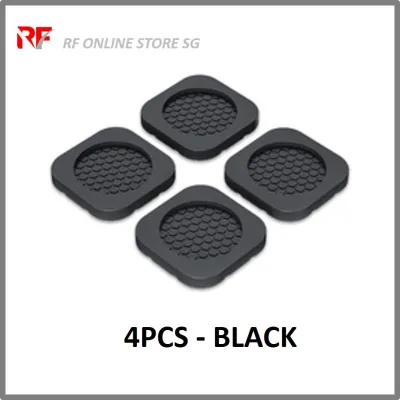
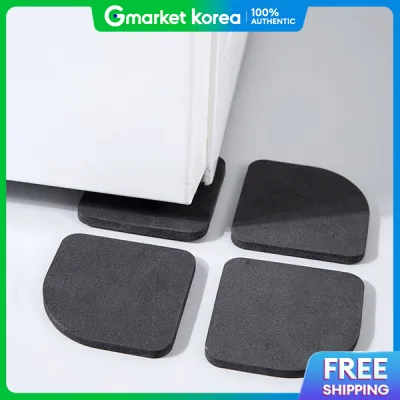
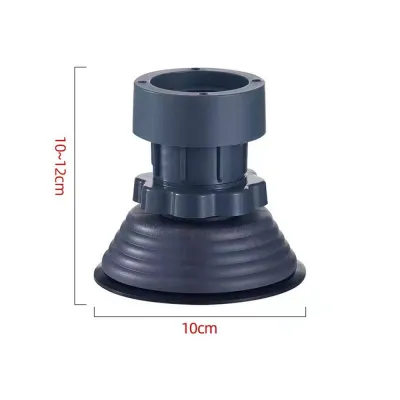
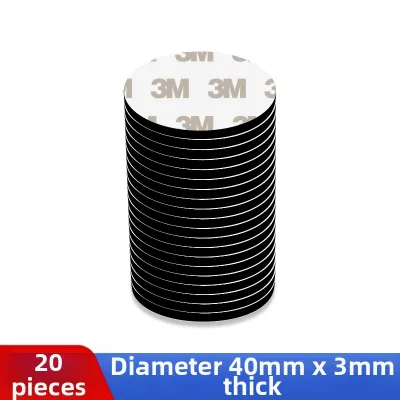
Prices are valid at publication and may change. Please refer to the product page for the latest price.
Rather than relying on generic material names, always verify the manufacturer’s technical specifications. A product labeled simply as “rubber” or “silicone” can vary wildly in performance depending on its manufacturing process, compounding agents, and intended load capacity.
Rubber Pads for Heavy Loads and Low Frequencies
Rubber is highly regarded for its exceptional density and structural damping capacity, making it the traditional choice for heavy, high-impact appliances like washing machines and dryers. It excels at absorbing the intense, low-frequency kinetic energy generated during rapid spin cycles, keeping heavy machinery firmly anchored. The high mass of vulcanized rubber allows it to resist tearing and deformation under extreme, continuous pressure.
However, standard rubber carries a significant risk of plasticizer migration. Over time, the chemical compounding agents in raw or low-grade rubber can react with floor finishes—particularly polyurethane-sealed hardwood, engineered wood, and luxury vinyl tiles—leaving permanent dark stains or sticky residues. To protect your floors, always verify that the manufacturer explicitly labels the pads as “non-marking” or “non-staining.”
Additionally, rubber pads often emit a strong, distinct chemical odor when first unpacked. In enclosed indoor spaces, such as small laundry closets or utility rooms, this off-gassing can be highly noticeable, so you may want to allow them to ventilate in an open area before final installation.
Silicone Pads for Moisture Resistance and Floor Safety
Silicone offers a highly stable, non-reactive alternative that is particularly well-suited for damp environments and sensitive flooring. Its inherent resistance to moisture, mold, and temperature fluctuations makes it an excellent choice for areas prone to humidity, such as bathrooms, kitchens, or outdoor balcony setups. The silicon-oxygen backbone of the material prevents it from drying out, cracking, or becoming brittle when exposed to environmental elements.
Because silicone is chemically inert, it does not undergo plasticizer migration, meaning it will not react with or stain delicate floor finishes. This makes it a highly reliable option for protecting expensive hardwood, laminate, or vinyl floors without the risk of chemical discoloration. It provides a clean, odorless installation that is ideal for immediate indoor use.
The primary trade-off with silicone is its load-bearing capacity, which is generally lower than that of heavy-duty vulcanized rubber. Under extreme, continuous weight, silicone can compress excessively or tear, so it is essential to check the manufacturer’s weight ratings to ensure the pads can support your specific appliance.
Cork Pads for Light Loads and Eco-Friendly Setups
Cork is a natural, sustainable material characterized by a unique cellular structure filled with air, providing excellent natural compressibility. This structure makes cork highly effective at isolating high-frequency, low-amplitude vibrations, such as those produced by audio speakers, small desktop appliances, or lightweight furniture. The natural friction of cork also helps prevent light items from sliding on smooth surfaces.
Despite its environmental appeal and excellent acoustic properties, cork is highly vulnerable to moisture and heavy, concentrated loads. Continuous exposure to water can cause natural cork to rot, mold, or disintegrate, while excessive weight can permanently crush its cellular structure, destroying its dampening ability.
To mitigate these risks, look for composite cork pads that are bound with synthetic elastomers or sealed with protective coatings. Even with these treatments, cork is best reserved for dry, indoor environments where it is protected from standing water and extreme mechanical stress.
Matching Materials to Common Household Scenarios
Selecting the right anti-vibration pad requires matching the material’s strengths to the specific operational demands of your household items. Using a conditional framework helps narrow down the choices based on typical appliance behaviors and environmental factors.

For washing machines and clothes dryers, prioritize heavy-duty rubber pads with built-in anti-walk features, such as recessed cups or textured grips. Choose rubber if your appliance undergoes violent low-frequency shaking during spin cycles, but verify first that the pads are rated as non-marking if you have vinyl or wood flooring. Neither rubber nor silicone will solve the issue if the appliance itself is not properly leveled on the ground first.
For refrigerators and HVAC units, which run continuously and generate a constant, low-frequency hum, silicone or composite rubber-cork pads are often the most reliable choices. Choose silicone if the unit is located in a damp area or outdoors, as it resists weather-related degradation while isolating the steady motor hum. Verify first that the total weight of the refrigerator, including its contents, does not exceed the pad’s maximum load rating.
For light furniture, floor lamps, and high-end audio equipment, cork or soft silicone pads are ideal. Choose cork if you want an eco-friendly, low-profile barrier that prevents high-frequency sound transfer through wooden floors. Neither material is suitable if the furniture is frequently dragged across the room, as lateral friction will quickly tear or dislodge the pads.
Floor Surface Compatibility and Safety Checks
The interaction between your anti-vibration pad and your flooring material is critical to preventing costly property damage. Different floor types react uniquely to pressure, moisture, and chemical contact, requiring specific precautions before installation.
Hardwood and engineered wood floors are highly sensitive to moisture trapping and chemical staining. If water becomes trapped beneath a non-breathable pad, it can cup, warp, or discolor the wood fibers. When placing pads on wood, select inert silicone or specialized non-marking rubber, and periodically lift the pads to check for moisture accumulation.
Tile and stone floors offer excellent structural strength but can be slippery, allowing vibrating appliances to “walk” across the room. For these surfaces, focus on pads with high-traction, textured patterns that maximize grip. Ensure the material is durable enough not to disintegrate or shred under the intense grinding forces generated between a heavy appliance and a rough grout line.
Vinyl and laminate floors are particularly vulnerable to chemical reactions with standard rubber, which can leave permanent yellow or dark brown stains. Always consult your flooring manufacturer’s care manual before choosing a pad. If the manual warns against rubber contact, opt for high-quality silicone pads, which provide safe, non-reactive isolation.
Installation, Maintenance, and When to Replace
Proper installation is just as important as material selection when it comes to effective vibration isolation. Before placing any pads, thoroughly clean the floor surface to remove dust, grit, and grease, which can severely compromise the pad’s grip and cause micro-scratches under heavy loads.
Next, verify that your appliance is perfectly level using a spirit level, adjusting its built-in legs if necessary. Anti-vibration pads are designed to absorb residual kinetic energy, not to compensate for an uneven machine; placing pads under an unlevel appliance can cause uneven compression and accelerate pad failure.
Over time, all anti-vibration materials degrade under the constant stress of weight and movement. Inspect your pads every six months for observable signs of wear, such as permanent flattening, deep cracks, crumbling edges, or a noticeable loss of grip that allows the appliance to shift.
If you notice that your appliance continues to vibrate violently despite installing new, high-quality pads, stop and consult a professional technician. Excessive shaking often points to internal mechanical issues—such as worn shock absorbers, broken suspension springs, or unbalanced drum bearings—which cannot be resolved by external pads alone.
Frequently Asked Questions (FAQ)
Can I stack different anti-vibration pad materials together?
Stacking different pad materials is generally not recommended unless the product is explicitly engineered as a multi-layered composite by the manufacturer. DIY stacking often leads to uneven compression, reduced stability, and an increased risk of the appliance tipping or slipping off the pads, which can void your appliance’s warranty.
Do anti-vibration pads completely eliminate appliance noise?
No, anti-vibration pads do not completely eliminate all appliance noise. They are designed to isolate structure-borne vibration—the physical shaking that travels through floors and walls—but they cannot stop airborne noise, such as the hum of a motor or the sloshing of water. If an appliance is making unusual grinding or squealing sounds, it likely requires internal mechanical maintenance.
How do I clean and maintain anti-vibration pads?
To clean anti-vibration pads, wipe them down with a damp cloth and mild, soapy water, then allow them to dry completely before replacing them. Avoid using harsh chemical solvents or oil-based cleaners, as these can degrade rubber and silicone, and keep natural cork pads entirely away from excessive water to prevent rotting.
Community discussion
Share your experience or ask a question. Comments are reviewed before publication.