
Plastic dining chairs and stool chairs are highly practical choices for Singapore’s compact apartments and humid climate, offering a blend of durability, lightweight mobility, and effortless maintenance. To find the styles that work well in your home, you must look beyond mere utility and evaluate how their molded shapes, leg configurations, and finishes interact with your home’s design theme. Whether you are furnishing a cozy HDB dining nook or a spacious condominium balcony dining area, matching the right plastic seating style to your interior aesthetic creates a cohesive, functional space that handles daily tropical living with ease.
Key Design Elements of Plastic Dining and Stool Chairs
Understanding the visual and structural features of plastic chairs is the first step in selecting the right fit for your home. Molded plastic is incredibly versatile, allowing designers to create shapes that are difficult to achieve with wood or metal. Molded organic curves provide a softer, more inviting look that cradles the body, while sharp geometric lines offer a structured, architectural feel that commands attention.
Surface finishes also play a significant role in how a chair interacts with room lighting. Matte finishes diffuse light and hide minor smudges, making them excellent for high-traffic family dining areas. High-gloss finishes reflect light, adding a vibrant, modern sheen, though they may require more frequent wiping to remove fingerprints. Textured grain effects mimic natural materials, providing a tactile quality while retaining the easy-care benefits of synthetic polymers.
Products mentioned in this guide
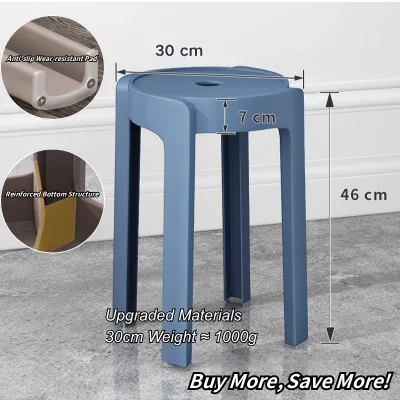
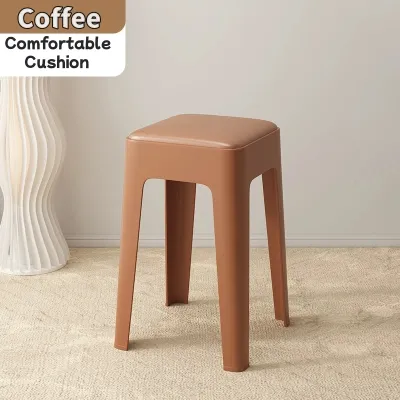
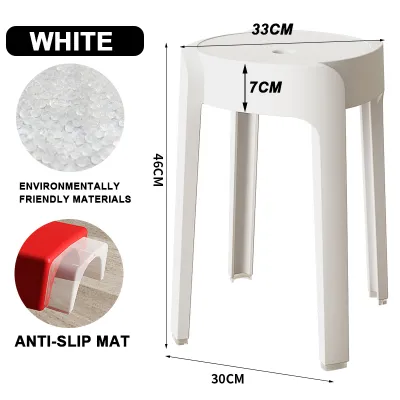
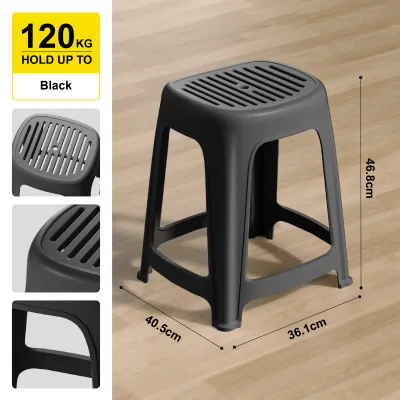
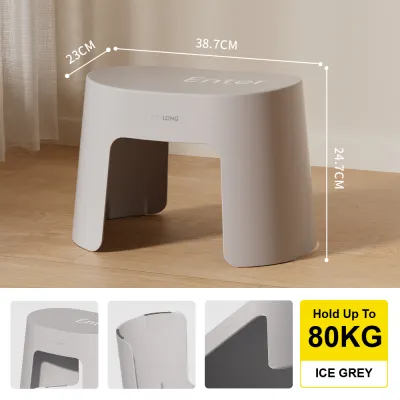
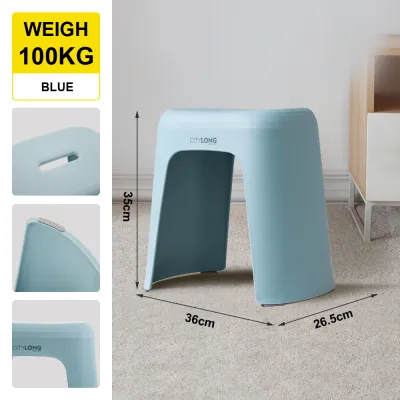
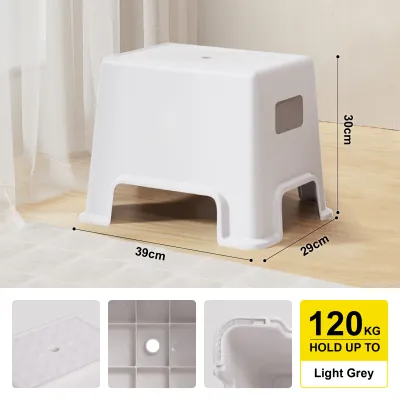
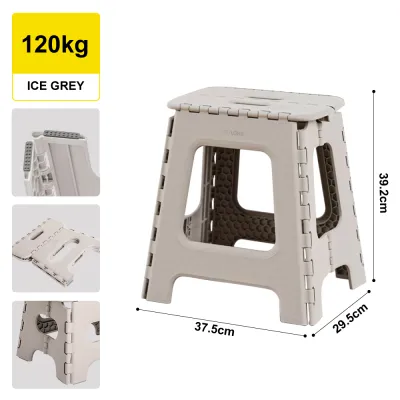
Prices are valid at publication and may change. Please refer to the product page for the latest price.
Color palettes and transparency levels can dramatically alter the perceived size of your dining area. Solid opaque tones anchor a room and define the dining zone, while translucent acrylic or tinted polycarbonate options allow light to pass through. This transparency is particularly valuable in smaller dining areas, as it reduces visual clutter and makes the space feel larger.
Finally, the base and leg materials determine the chair’s overall character. All-plastic construction offers seamless, weather-resistant durability suitable for indoor-outdoor transitions. Combining a plastic seat shell with metal frames or wooden dowel legs bridges the gap between casual utility and refined furniture design, allowing you to tie the chairs into other material elements in your home.
Matching Seating Styles to Popular Interior Aesthetics
Before selecting any plastic stool chair or dining seat, observe the existing elements of your room. Take note of the dominant color palette, the amount of natural light entering through your windows, and the lines of your primary furniture pieces, such as your dining table or kitchen island. Ensuring visual harmony means selecting chairs that either complement these existing features or provide a deliberate, balanced contrast.

Modern Minimalist Interiors
In clean, uncluttered spaces, furniture must serve its purpose with minimal visual noise. For a modern minimalist aesthetic, prioritize sleek, geometric silhouettes and seamless molded designs that lack unnecessary ornamentation. Look for chairs that appear as a single, continuous piece, which keeps the dining area looking tidy and spacious.
Stick to a monochromatic or neutral color scheme. Matte black, crisp white, and concrete grey are excellent choices that blend seamlessly into minimalist backdrops. To maintain a light footprint, select chairs with streamlined leg structures or concealed joints. This reduces the complexity of the furniture’s silhouette, allowing the eye to sweep across the room without interruption.
Scandinavian Interiors
Scandinavian design focuses on warmth, functionality, and light-filled spaces. To complement this aesthetic, choose plastic chairs with organic, ergonomic curves and softer, rounded edges. These shapes invite comfort and create a relaxed, welcoming atmosphere for family meals.
Opt for pastel tones, warm whites, or muted earth colors that reflect natural light without creating harsh glare. To ground the synthetic material in a natural setting, look for plastic seats paired with natural wood legs, such as beech or oak dowels. Alternatively, some designs feature light wood-grain textured plastic finishes that add visual warmth while remaining incredibly easy to wipe clean.
Industrial Interiors
Industrial interiors thrive on raw, utilitarian design elements like exposed brick, concrete screed floors, and metal piping. To balance these heavy materials, choose utilitarian shapes that feel functional and robust. A counter-height plastic stool chair with integrated footrests or stackable cafe-style profiles fits perfectly into this aesthetic, especially around a kitchen island or high bar table.
Incorporate darker, muted tones such as charcoal, olive green, or deep navy. Alternatively, transparent acrylic chairs can offset the weight of dark concrete or heavy wooden tables by letting light filter through. Pair these plastic seats with visible metal frames, exposed hardware, or distressed base finishes. The contrast between the smooth plastic shell and the rugged metal base highlights the industrial character of the space.
Space, Comfort, and Safety Checks Before You Buy
Before making a purchase, physical compatibility checks are essential to ensure your new seating is comfortable and safe. Start by measuring your dining table or kitchen counter height. Calculate the clearance between the underside of the table and the seat of your plastic stool chair or dining chair. You generally need a comfortable gap to allow for proper legroom, knee space, and easy movement when sliding in and out.
Next, verify the manufacturer’s stated weight capacity and structural stability. This is particularly important for stackable, folding, or cantilevered plastic models, which rely on specific engineering to distribute weight safely. Check the joints and frame connections to ensure they do not flex excessively under load.
Given Singapore’s tropical climate, dining areas near windows or balconies receive significant direct sunlight. Check if the chairs have UV-resistant or scratch-resistant surface treatments. Without UV protection, prolonged exposure to sunlight can cause certain plastics to fade, discolor, or become brittle over time.
Finally, review the assembly requirements. If the chairs require home assembly, ensure all connecting hardware, screws, and bolts are secure, flush, and properly aligned before regular use. Periodically check these connections, as regular movement can loosen hardware over time.
Frequently Asked Questions (FAQ)
Can I mix different plastic chair styles around the same dining table?
Yes, mixing styles can create a dynamic, curated look, provided you maintain visual cohesion. To keep the arrangement from looking chaotic, unify the mixed styles using a consistent color palette, identical seat heights, or matching leg materials. For example, you might use different molded plastic shells but ensure they all feature the same black metal legs. Additionally, keep the seat depth and backrest height relatively uniform. This maintains ergonomic consistency for your guests and ensures a balanced, clean line across the top of your dining table.
How do I prevent plastic dining chairs from scratching my floors?
Protecting your flooring—whether it is vinyl, laminate, engineered wood, or polished marble—requires proper base protection. Check the bottom of the chair legs for built-in plastic or rubber glides. If these are absent or made of hard plastic that might scuff your floors, add aftermarket felt pads or silicone leg caps suitable for your specific floor type. Inspect these protective pads regularly. Over time, they can wear down, harden, or trap abrasive grit and debris, which can scratch your floors when the chairs are dragged across the room.

Community discussion
Share your experience or ask a question. Comments are reviewed before publication.