
Finding the perfect plastic dinner chair to complement your home interior requires a thoughtful balance of form, color, and material harmony. Plastic chairs are no longer relegated to casual outdoor settings; modern manufacturing techniques have transformed them into highly sophisticated, durable, and expressive design pieces. Because plastic can be molded into almost any shape, these chairs offer an incredible variety of silhouettes that can either blend seamlessly into your existing decor or serve as striking focal points. By analyzing your current dining room elements and understanding the design markers of different interior styles, you can select a chair that elevates your space while providing practical, everyday comfort.
In modern, space-conscious homes, the dining area often serves multiple purposes, from a daily workspace to an entertainment hub. Choosing the right seating involves assessing how a chair’s visual weight, finish, and structural design interact with your dining table and the surrounding walls. Whether you are trying to soften a minimalist room with organic curves or add a clean, contemporary edge to a rustic wooden table, understanding the design language of plastic furniture is the first step toward creating a cohesive and inviting dining environment.
Identify Your Existing Home Interior Aesthetic
Before browsing online catalogs or visiting showrooms, take a close look at your current dining space to define its dominant design style. Observe the primary lines of your existing furniture. If your dining table features sharp, clean angles and a monochromatic finish, your room leans toward modern minimalism. Conversely, if your space incorporates warm wood grains, soft textiles, and organic shapes, it aligns more closely with Scandinavian or mid-century modern aesthetics. Identifying these core design elements prevents you from purchasing chairs that clash with the established mood of your home.
Products mentioned in this guide
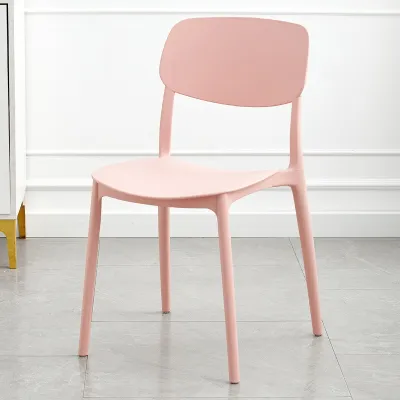
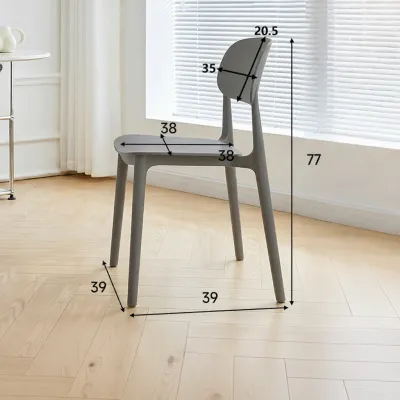


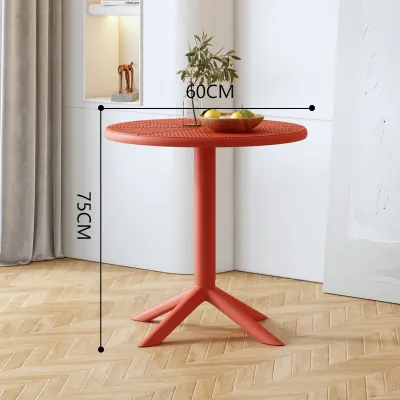
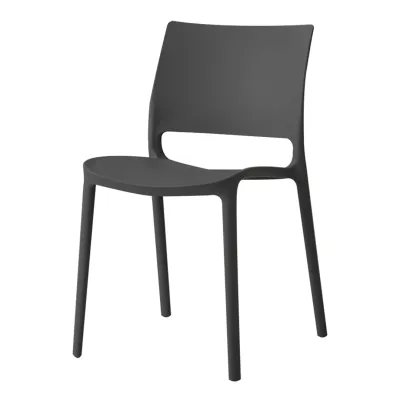
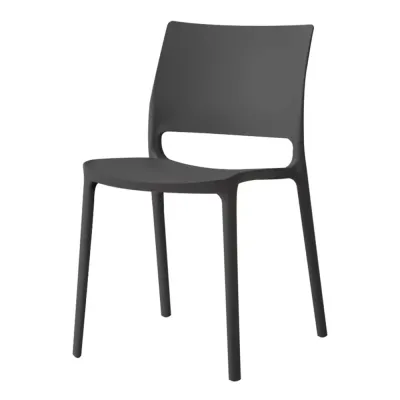
Prices are valid at publication and may change. Please refer to the product page for the latest price.
Color palettes and material finishes play a critical role in defining your aesthetic. Take note of the dominant colors in your dining area, including the flooring, walls, and nearby cabinetry. A room dominated by cool concrete screeds, exposed brick, or dark metal fixtures suggests an industrial theme, which demands chairs with a utilitarian or high-contrast look. On the other hand, a bright space filled with soft pastels, light oak, and plenty of natural light will benefit from chairs in muted, earthy tones that preserve the airy, tranquil atmosphere.
Spatial constraints and lighting also influence how a chair silhouette behaves in a room. In compact dining zones, such as those found in modern apartments, heavy and bulky upholstered chairs can make the space feel cramped and dark. Lightweight plastic dining chairs with slender legs or open-back designs allow light to pass through, maintaining open sightlines and making the room feel more spacious. Consider how natural light enters the room throughout the day, as glossy plastic surfaces will reflect light differently than matte or textured finishes.
Finally, consider the functional flow of your dining area. If your dining table is positioned in an open-plan living room, the chairs will be visible from multiple angles, including the kitchen and the sofa area. In this layout, the back profile of the chair becomes its most prominent feature. Choosing a chair with an elegant, well-sculpted backrest ensures that the dining set looks attractive from behind, contributing positively to the overall visual harmony of your entire living space.
Key Design Features of Plastic Dining Chairs by Style
To successfully match a plastic dinner chair to your home, it helps to understand how specific design features align with popular interior styles. Scandinavian and minimalist interiors thrive on simplicity, functionality, and a connection to nature. For these spaces, look for chairs featuring matte finishes, muted organic tones—such as sage green, warm sand, slate grey, or off-white—and gently curved, ergonomic molded shells. These designs often pair a plastic seat with natural wooden legs, such as beech or ash, creating a beautiful contrast that brings warmth and texture to a clean, understated room.

If your home embraces an industrial or contemporary aesthetic, the key is to look for bold geometric shapes and mixed-material construction. Industrial style relies heavily on raw, utilitarian elements. Plastic chairs designed for this look often feature dark charcoal, black, or deep navy blue seats paired with black powder-coated steel or iron legs. The combination of sleek, molded plastic and rugged metal frames echoes the architectural details of loft-style living, providing a striking, high-contrast look that grounds the dining space.
For mid-century modern and eclectic homes, focus on organic curves, iconic retro silhouettes, and vibrant color palettes. Mid-century design is celebrated for its playful yet functional approach to furniture, often utilizing curved bucket seats, integrated armrests, and tapered legs. To complement this aesthetic, consider plastic chairs in rich, retro-inspired hues like mustard yellow, olive green, terracotta, or burnt orange. These bold colors can inject personality into an eclectic dining room, especially when paired with a vintage wooden dining table.
Modern minimalist spaces benefit from ultra-clean, monochromatic designs that emphasize structural simplicity. In these interiors, single-piece molded plastic chairs—where the seat, backrest, and legs are formed from a single continuous piece of material—work exceptionally well. Alternatively, clear or translucent polycarbonate chairs, often referred to as ghost chairs, are perfect for minimalist settings. These transparent designs virtually disappear into the room, allowing the architectural details of your home to take center stage while keeping the dining area looking incredibly light and uncluttered.
Practical Selection Criteria Beyond Aesthetics
While visual appeal is essential, your dining chairs must also withstand the rigors of daily use and fit comfortably within your physical space. Begin by verifying the exact dimensions of the chairs against your dining table. Standard dining tables typically stand around 75 cm high, which requires a chair seat height of approximately 45 cm to ensure comfortable seating. Aim for a clearance of about 30 cm between the top of the chair seat and the underside of the table frame to allow ample room for your legs.
In addition to seat height, pay close attention to the overall width and depth of the chair. Measure the distance between your dining table legs to determine how many chairs can comfortably fit along each side. You should allow at least 15 cm of space between each chair to prevent guests from feeling crowded, and ensure the chairs can slide fully under the table when not in use. If you have a narrow dining walkway, choose armless plastic chairs, as they have a smaller physical footprint and are easier to get in and out of in tight spaces.
Durability and ease of maintenance are major advantages of plastic furniture, but not all plastic finishes are created equal. If you have young children or pets, look for chairs with textured or matte surfaces, as they are highly forgiving and excellent at concealing minor scratches, scuffs, and fingerprints. High-gloss finishes offer a sleek, polished look but require more frequent wiping to keep them free of smudges. Ensure the plastic is UV-stabilized if your dining area is located near a large window or balcony, as prolonged exposure to direct sunlight can cause non-stabilized plastics to fade or become brittle over time.
Consider the structural stability and weight capacity of the chairs. Look for designs that feature reinforced joints where the legs meet the plastic shell. Metal-to-plastic connections should ideally use robust threaded metal inserts molded directly into the plastic, rather than simple wood screws, to ensure the legs remain securely attached over years of use. If you frequently host gatherings or need to clear the dining area for other activities, prioritize stackable plastic chairs, which can be easily stored away in a closet or utility room when not needed.
Building Your Shortlist: Evaluating Options and Sourcing
When you are ready to shop, building a reliable shortlist requires careful evaluation of product specifications and retailer policies. Start by examining the material composition of the chairs. Most high-quality plastic dining chairs are made from polypropylene (PP) or polycarbonate (PC). Polypropylene is highly flexible, incredibly durable, and resistant to chemical cleaning agents, making it the ideal choice for high-traffic family dining rooms. Polycarbonate is stiffer and offers crystal-clear transparency, but it is slightly more susceptible to fine surface scratches.
As you browse online furniture stores, look closely at the structural details shown in product images. High-quality molded chairs often feature subtle reinforcing ribs on the underside of the seat shell to distribute weight evenly and prevent the plastic from flexing excessively when sat upon. If the chair features metal or wooden legs, check how the leg frame is braced. Cross-bracing between the legs significantly improves lateral stability, preventing the chair from wobbling or splaying over time.
Because digital screens can represent colors differently, verifying the exact shade of a plastic chair is crucial for a successful aesthetic match. A color that appears to be a warm, creamy off-white on your screen might arrive as a cool, stark white that clashes with your warm wooden table. To mitigate this, read customer reviews and look for user-submitted photos, which often show the product under realistic home lighting conditions. If you are purchasing a large set of chairs, consider buying a single chair first to test its color, finish, and comfort in your actual dining room before committing to the full purchase.
Finally, review the retailer’s assembly requirements, warranty details, and return policies. Some plastic chairs ship fully assembled, which guarantees factory-level structural integrity, while others require you to bolt the leg frames to the seat shells. If assembly is required, ensure clear instructions and quality hardware are provided. Look for retailers that offer a structural warranty covering manufacturing defects, and verify that they have a straightforward return policy in case the chair’s ergonomics or style do not meet your expectations once placed in your home.
Frequently Asked Questions (FAQ)
Can I mix different plastic chair styles around one dining table?
Yes, mixing different plastic chair styles is an excellent way to create a curated, eclectic look in your dining room. To ensure the arrangement looks intentional rather than cluttered, establish at least one unifying element across all the chairs. For example, you can choose three or four different chair shapes but keep them all in the exact same color, such as matte black or soft olive green.
Alternatively, you can use the same chair model but select it in a variety of complementary pastel or earthy tones. Another highly effective method is to ensure that all the mismatched chairs share identical leg materials, such as natural oak or black powder-coated steel. Keeping the seat heights consistent across all models will also help maintain a clean, balanced visual plane around your dining table.
How do I prevent plastic dining chairs from looking cheap in a formal dining room?
To make plastic dining chairs look sophisticated in a formal setting, focus on high-quality material finishes and thoughtful styling. Avoid thin, shiny plastic chairs, which tend to look casual. Instead, opt for chairs with premium matte or textured finishes that diffuse light softly and mimic the refined look of high-end designer furniture. Chairs that combine a molded plastic shell with an integrated, upholstered seat pad in felt, linen, or leather also add immediate tactile warmth and luxury.
Pairing your plastic chairs with a substantial, high-quality dining table made of solid wood, marble, or sintered stone creates a beautiful contrast between organic weight and modern lightness. Additionally, anchor the dining space with elegant surrounding elements, such as a statement pendant light hanging directly over the table, a textured area rug underneath, and high-quality tableware. This layered approach elevates the entire room, making the plastic chairs feel like a deliberate, stylish design choice.

Community discussion
Share your experience or ask a question. Comments are reviewed before publication.