
Selecting the right seating for your kitchen island or home bar involves balancing visual harmony with physical comfort. While the humble plastic chair is celebrated for its durability and ease of maintenance, choosing a plastic bar stool requires a thoughtful look at how its design elements interact with your overall interior theme. By aligning the stool’s silhouette, colour palette, and leg construction with your existing decor, you can elevate a highly functional material into a stylish design statement.
Achieving this integration goes beyond aesthetics. You must also verify physical dimensions, clearance heights, and base stability to ensure the stools fit your space and support daily use safely. Whether you are furnishing a compact apartment kitchen or a spacious open-plan dining area, a systematic approach to style and scale will help you find the perfect match.
Define Your Room's Interior Style
Before browsing specific stool designs, pinpoint the dominant design theme of your living space. Singapore homes often feature open-plan layouts where the kitchen island or breakfast counter serves as a visual bridge to the living room. Identifying your primary style helps narrow down the vast array of plastic seating options to those that reinforce your home’s character.
Products mentioned in this guide
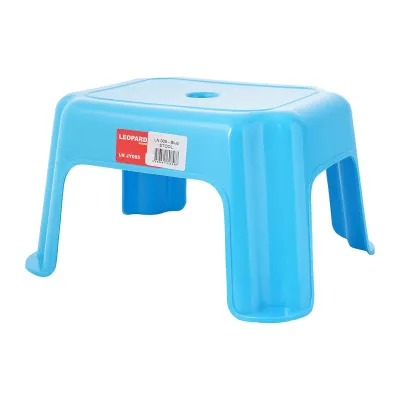
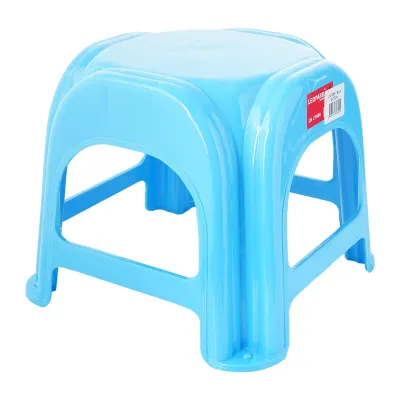
Prices are valid at publication and may change. Please refer to the product page for the latest price.
For a modern minimalist aesthetic, focus on clean lines, unembellished surfaces, and a restrained colour palette. Stools suited for this style typically feature monochromatic tones, such as matte black, stark white, or cool grey, with seamless molded seats that offer a sleek, uninterrupted profile. This minimizes visual noise and allows the stools to blend quietly into the surrounding architecture.
If your home leans toward a Scandinavian design, look for elements that introduce warmth, organic textures, and soft curves. Scandinavian-style plastic stools often pair a matte-finished plastic seat in soft pastel or warm neutral tones with light wood legs, such as beech or oak. This combination of materials softens the industrial feel of plastic, creating a cozy, inviting atmosphere that complements light-filled, airy spaces.
For industrial interiors, seek out designs that embrace raw textures and mixed materials. Stools featuring dark, muted plastic seats—such as charcoal, olive, or navy—paired with powder-coated black metal or steel frames fit perfectly in this setting. The contrast between the smooth or textured plastic and the rugged metal frame echoes the utilitarian aesthetic of converted lofts and modern urban spaces.
Match Design Elements to Your Aesthetic
Once you have defined your overall style, you can evaluate the specific design features of plastic bar stools to see how they align with your vision. Every detail, from the surface finish to the shape of the legs, contributes to the stool’s visual weight and how it interacts with light and space.

The colour and finish of the plastic seat play a major role in setting the room’s mood. High-gloss finishes reflect light sharply, making them excellent for bold, retro, or ultra-modern spaces where you want the stools to stand out as glossy accent pieces. However, glossy surfaces can show fingerprints and micro-scratches more easily, so they require careful maintenance. Matte finishes, on the other hand, absorb light and offer a softer, more contemporary look that hides minor wear and tear, making them highly practical for busy households.
The leg shape and material serve as the visual anchor for the stool. Slender, tapered metal legs in chrome or gold finishes add a touch of mid-century glamour or modern sophistication, while thick, square-cut wooden legs ground the stool with a rustic or Scandinavian feel. If you want to maximize the perception of space in a compact kitchen, consider stools with thin, powder-coated wire frames that allow light to pass through, reducing visual clutter.
The backrest profile is another critical decision point that affects both comfort and sightlines. Full-back plastic stools offer excellent lumbar support for longer seating sessions but can block views across a kitchen island, making a small room feel more enclosed. Half-back or low-profile stools offer a compromise, providing some support while keeping a low visual profile. Backless stools can be tucked completely under the counter when not in use, keeping walkways clear and maintaining clean, unobstructed sightlines throughout your living area.
Do not overlook the surface texture of the molded plastic. While smooth, seamless seats are easy to wipe down and offer a classic minimalist look, textured surfaces can add unexpected depth. Ribbed, perforated, or woven-look plastic seats introduce tactile interest and can prevent the slippery feeling sometimes associated with smooth plastic. Perforated designs also allow for airflow, which can enhance comfort during warmer days.
Verify Space, Height, and Stability
A beautiful bar stool is of little use if it does not fit your counter or support users comfortably. Because plastic stools come in a wide variety of heights and base configurations, taking precise measurements of your space is an essential step before making a purchase.
Start by distinguishing between counter height and bar height, as these terms are not interchangeable. To determine the correct stool height for your home, measure from the floor to the underside of your counter or island. As a general rule, you should aim for a clearance gap of approximately 25 to 30 centimetres between the top of the stool seat and the underside of the counter to allow comfortable legroom. Check the manufacturer’s specifications for the exact seat height—measured from the floor to the highest point of the seat surface—rather than the total height of the backrest.
Next, calculate the footprint and spacing required for your stools. Measure the total length of your counter and consider how many stools you want to place there. To ensure comfortable elbow room and easy movement, allow about 60 to 75 centimetres of width for each stool, measured from the centre of one seat to the next. Additionally, ensure there is sufficient clearance behind the stools—ideally at least 90 centimetres—so family members can walk past without bumping into seated guests.
Weight capacity and base stability are critical safety factors, especially for elevated seating. Because plastic is lightweight, the design of the base plays a vital role in preventing tipping. Look for stools with a wide, flared leg base rather than a narrow, vertical footprint, as a wider base distributes weight more evenly. Always verify the manufacturer’s specified load limits to ensure the stools can safely support your household’s needs, and check the joints where the plastic seat connects to the frame for solid, secure fastening.
Finally, evaluate the ergonomics of the stool’s lower frame. A built-in footrest is essential for bar-height seating, as it relieves pressure on the thighs and allows users to sit comfortably for extended periods. Check that the footrest is positioned at a comfortable height and is made of a durable material, such as metal, that can withstand constant shoe contact. Additionally, ensure the legs are fitted with high-quality, anti-slip floor protectors to prevent scratches on your tiles or vinyl flooring when the stools are moved.
Adapt Stools for Multi-Use and Transitional Spaces
Modern homes often feature transitional zones where the kitchen, dining, and living areas merge into a single multi-use space. In these layouts, your plastic bar stools must perform double duty, serving as casual breakfast seating, a temporary home office perch, or extra chairs for entertaining guests.
To make your stools versatile across these different zones, opt for neutral silhouettes and adaptable designs. A simple, armless plastic stool with clean lines can easily transition from a kitchen island companion to an extra seat at a nearby dining table or study desk. Choosing neutral colours like warm grey, beige, or charcoal allows the stools to blend seamlessly with different cabinetry finishes and wall colours, even if you decide to redecorate the surrounding space in the future.
Alternatively, you can use plastic stools to create a deliberate focal point. Because plastic can be molded into vibrant, saturated colours that are difficult to replicate in wood or metal, a set of bold, colourful stools can inject personality into an otherwise neutral kitchen. If you choose this route, keep the rest of the room’s decor relatively understated to let the stools stand out without overwhelming the space.
If your kitchen counter is located near a large window, a balcony, or a semi-outdoor patio, you must also consider environmental factors. Standard indoor plastics can degrade, fade, or become brittle when exposed to direct sunlight and moisture over time. Always check the manufacturer’s product labels for specific UV-resistance and moisture-resistance ratings if your stools will be placed in areas with high sun exposure or humidity.
Frequently Asked Questions (FAQ)
How do I clean and maintain the finish of plastic bar stools?
To keep your plastic bar stools looking fresh, clean them regularly using a soft microfiber cloth dampened with warm water and a few drops of mild dish soap. Avoid using abrasive scrubbing pads, steel wool, or harsh chemical cleaners containing bleach or ammonia, as these can create micro-scratches that permanently dull both matte and glossy finishes. Always check the manufacturer’s care instructions for any specific warnings regarding heat exposure or chemical compatibility to preserve the integrity of the plastic.
Can I use indoor plastic bar stools outdoors?
You should not use indoor plastic bar stools outdoors unless the manufacturer explicitly states they are rated for outdoor use. Outdoor-rated plastic chairs are typically formulated with UV stabilizers to prevent the material from fading and cracking under direct sunlight. Additionally, outdoor stools are designed with weather-resistant frames, such as powder-coated aluminum or rust-treated steel, to withstand moisture. Always consult the product manual or specification sheet to verify the indoor/outdoor rating before moving your stools to a balcony or patio.

Community discussion
Share your experience or ask a question. Comments are reviewed before publication.