
Matching dining chairs to your home’s interior design theme requires balancing visual weight, material harmony, and spatial proportions. Rather than strictly replicating a single design era, successful styling relies on coordinating the silhouettes of your seating with the architectural lines of your dining space. By understanding how different materials, shapes, and design philosophies interact, you can select dining chairs that either blend seamlessly into your existing decor or serve as deliberate, eye-catching accent pieces.
Core Principles of Dining Chair Style Matching
Achieving a cohesive dining area does not require purchasing a matching table-and-chair set. Instead, the foundational logic of styling relies on balancing contrast and cohesion. If your dining table is visually heavy—such as a thick solid wood block or a substantial marble slab—pairing it with slender, open-frame chairs prevents the room from feeling overcrowded. Conversely, a delicate glass-topped table benefits from chairs with more visual mass, such as semi-upholstered options, to anchor the dining zone.
To determine whether your chairs should act as accent pieces or foundational elements, evaluate the room’s primary focal point. In open-concept spaces, highly stylized chairs with bold colors or unique geometric frames can define the dining area as a distinct zone. If the room already features dramatic lighting or a vibrant accent wall, choosing chairs with understated silhouettes and neutral tones ensures they support, rather than compete with, the existing design elements.
Products mentioned in this guide
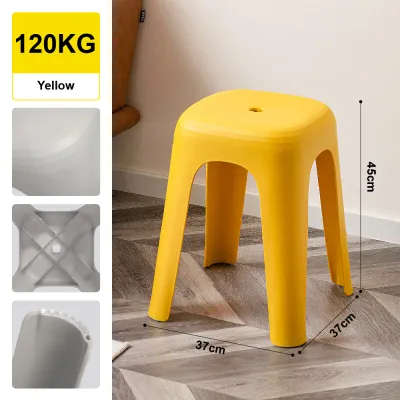
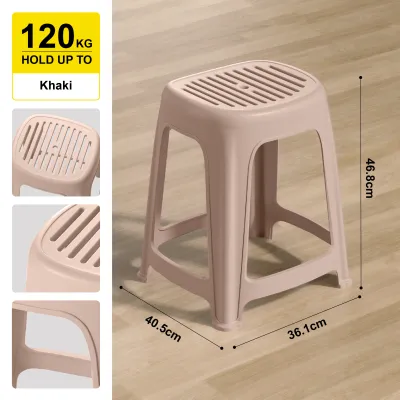
Prices are valid at publication and may change. Please refer to the product page for the latest price.
Aligning chair silhouettes with your home’s architectural lines creates an underlying sense of order. Homes with prominent structural features, such as exposed beams, sharp window frames, or minimalist built-in cabinetry, call for chairs that echo these geometries. Curved, organic chair backs can soften rigid, angular spaces, while clean, linear chair frames reinforce a highly structured, modern architectural layout.
Identifying Your Existing Interior Design Theme
Before selecting new seating, conduct a thorough visual audit of your current dining space to establish a clear style baseline. Begin by identifying the dominant materials, color palettes, and textures already present in the room. Take note of the flooring material, wall finishes, and nearby cabinetry, as these large surface areas dictate the room’s overall warmth and light reflectivity.

Next, evaluate the visual weight, shape, and material of your existing dining table. A rustic wooden table with distressed textures demands a different stylistic response than a sleek, sintered stone table with powder-coated steel legs. The table’s design serves as the immediate bridge between the room’s architecture and the chairs you introduce, making its scale and finish the most critical factors in your selection process.
Finally, look beyond the immediate dining area to recognize design cues from adjacent spaces, particularly in modern open-plan layouts. If your dining table sits between a highly contemporary kitchen with flat-panel cabinets and a cozy living room filled with plush, textured textiles, your chairs must bridge these two distinct zones. Selecting a chair style that shares at least one material or color characteristic with the neighboring rooms helps unify the entire living space.
Matching Specific Dining Chair Styles to Your Decor
Integrating new chairs successfully requires evaluating how specific design movements utilize materials, shapes, and structural details. Each style carries distinct visual cues that must align with your table and overall room environment to avoid aesthetic clashes.
Scandinavian Dining Chairs
Scandinavian dining chairs are defined by their functional simplicity, organic curves, and reliance on light-toned natural woods. These designs prioritize clean lines without sacrificing comfort, often featuring tapered legs, gently curved spindle backs, or woven paper cord seats.
- Best paired with: Bright, airy spaces characterized by abundant natural light, white or pastel walls, and light oak or ash dining tables.
- Avoid if: Your dining room relies heavily on dark, highly polished mahogany, ornate traditional moldings, or heavy, dark-colored drapery, which can make light wood chairs look washed out and out of place.
Industrial Dining Chairs
Industrial seating embraces raw, utilitarian aesthetics, showcasing exposed metal frames, distressed leather upholstery, and reclaimed wood elements. These chairs often feature visible rivets, matte black finishes, and sturdy, weld-jointed construction.
- Best paired with: Spaces featuring concrete screed flooring, exposed brickwork, track lighting, and heavy timber or zinc-topped tables.
- Avoid if: The surrounding space demands a soft, delicate, or highly polished aesthetic, as the rugged, hard surfaces of industrial chairs can feel overly harsh and uninviting in a gentle environment.
Japanese Dining Chairs
Japanese-style dining chairs emphasize low-profile living, tranquil minimalism, and natural materials like rattan, bamboo, and light ash. These chairs often feature lower seat heights, wide and supportive bases, and precise, visible joinery that highlights craftsmanship.
- Best paired with: Low-slung dining tables, minimalist spaces, tatami-inspired flooring, and rooms designed around a calm, zen-like color palette.
- Avoid if: Your existing dining table is fixed at a standard high clearance or features a thick, deep apron that prevents low-profile chairs from providing comfortable, ergonomic seating heights.
Modern Minimalist Dining Chairs
Modern minimalist chairs focus on sleek, unornamented forms, monochromatic finishes, and concealed hardware. They often utilize innovative materials such as molded plastics, cantilevered steel frames, or slim, tightly upholstered profiles.
- Best paired with: Clutter-free environments, high-gloss or matte flat-panel cabinetry, sintered stone or glass tables, and contemporary art installations.
- Avoid if: The room is filled with busy patterns, maximalist decor collections, or highly textured, rustic farmhouse elements, which can make minimalist chairs appear cold and sterile.
Key Dimensions for Cross-Style Compatibility
To ensure your chosen chairs function comfortably and look cohesive, you must verify several physical and visual dimensions. The most critical measurement is the clearance between the chair seat and the underside of the dining table apron. Ideally, aim for a gap of 25 cm to 30 cm, which provides ample legroom for comfortable movement and allows users to cross their legs without restriction.
Visual weight distribution is equally important when mixing styles or selecting standalone chairs. A bulky, fully upholstered armchair possesses high visual weight and can overwhelm a small dining alcove, whereas a slender wireframe or acrylic chair allows light to pass through, making a compact space feel larger. Balance the visual mass of your chairs so they do not crowd the base of the table or block sightlines across the room.
Color and material bridging can successfully tie disparate styles together. If you choose a chair style that contrasts with your table, look for subtle design details to create a visual link. For example, pairing a modern glass table with industrial chairs works beautifully if the chair legs feature a matte black finish that matches the table’s metal mounting plates or nearby light fixtures.
Practical Space and Fit Checks Before Purchase
Before finalizing your purchase, perform precise physical measurements of your dining area to ensure daily usability. Allow at least 60 cm to 75 cm of clearance behind each chair when tucked in, which provides enough space for a person to pull the chair out and sit down comfortably. If the dining area sits adjacent to a main walkway, increase this clearance to 90 cm to allow others to pass behind seated guests without disruption.
For apartment living, verifying delivery access is a crucial step that is often overlooked. Measure the height, width, and depth of your building’s lift doors and interior cabin, as well as any narrow corridors or tight entryway turns in your home. Fully assembled dining chairs, especially those sold in pairs or with integrated armrests, can be surprisingly bulky and difficult to maneuver through standard residential entryways.
Finally, check the structural stability and weight capacity specifications provided by the manufacturer. Look for robust construction details such as reinforced corner blocks, mortise-and-tenon joints, or high-grade steel fasteners rather than simple glue-and-screw assembly. Ensuring the chairs are rated for your household’s daily usage patterns guarantees long-term safety and prevents premature wear on joint connections.
Frequently Asked Questions (FAQ)
Can I mix different dining chair styles around one table?
Yes, mixing dining chair styles can create a highly curated, character-rich look if guided by a unifying element. To keep the arrangement cohesive, ensure all chairs share a consistent seat height to maintain a level dining plane for your guests. You can unify diverse designs by choosing chairs that share a similar wood tone, metal finish, or upholstery color palette. A popular layout strategy is the host-chair configuration, where you place two matching, high-backed armchairs at the ends of the table and use simpler, coordinating side chairs along the flanks.
How do I evaluate dining chair comfort without sitting in it?
When purchasing online, you can evaluate comfort by analyzing the product’s detailed specifications and structural angles. Look for a backrest that reclines slightly at an angle of 100 to 105 degrees, which provides natural lumbar support compared to a completely vertical 90-degree back. Check the seat depth specification; a depth of 40 cm to 45 cm typically supports the thighs comfortably without pressing against the back of the knees. Additionally, review the product details for high-density foam cushioning or supportive under-seat webbing, which offer better long-term support than thin, low-density padding.

Community discussion
Share your experience or ask a question. Comments are reviewed before publication.