
Finding the perfect dining chairs involves more than simply matching a wood tone or picking a color you like. Because the dining area often serves as a multi-functional hub for meals, remote work, and hosting, your seating must bridge the gap between aesthetic appeal and daily physical comfort. In modern homes, particularly open-plan apartments and condominiums in Singapore, dining chairs are highly visible from multiple angles, meaning their design directly influences the overall flow of your living space. Selecting the right style requires a thoughtful evaluation of your existing furniture, the architectural lines of your home, and the practical realities of your daily routine.
To make a choice that feels intentional rather than accidental, you must look at your dining room as a complete ecosystem. The dining table acts as the anchor, while the chairs serve as the supporting elements that can either harmonize with the table or provide a striking, deliberate contrast. By understanding the core design signatures of different decor themes and applying systematic physical checks, you can select chairs that elevate your interior design while standing up to years of daily use.
Assessing Your Existing Interior Aesthetic
Before browsing online catalogs or visiting showrooms, take a step back to analyze the dominant design elements currently shaping your dining space. Start by identifying the primary materials and color palettes in the room. Look at your flooring, cabinetry, and wall colors; a room dominated by cool concrete, grey tiles, or white walls presents a very different backdrop than one filled with warm teak flooring or deep oak built-ins. Note whether your space leans toward warm, earthy undertones or cool, industrial shades, as this will dictate whether your chair frames should feature warm timber, matte black metal, or polished chrome.
Products mentioned in this guide
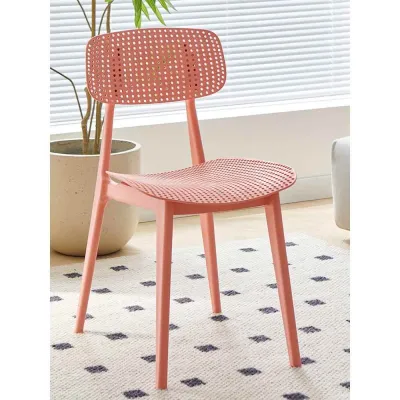
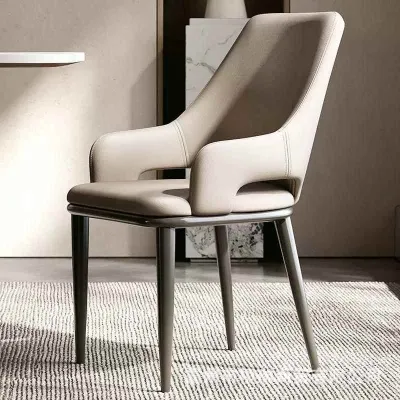
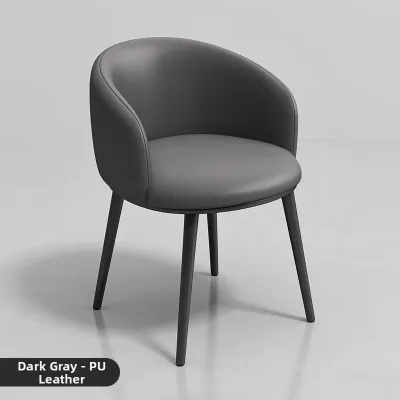
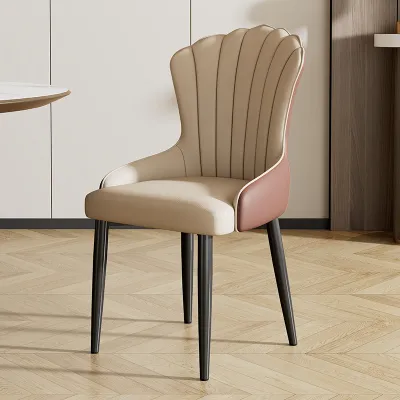
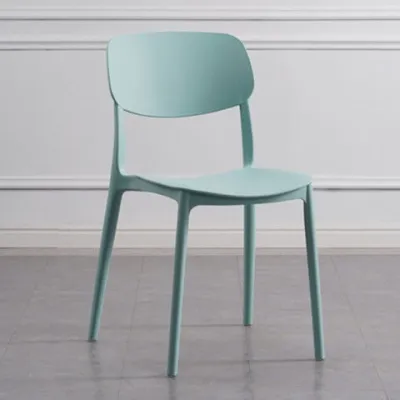
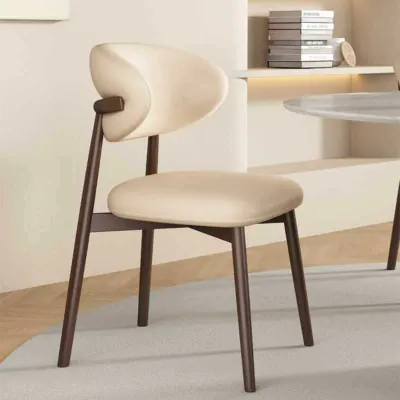
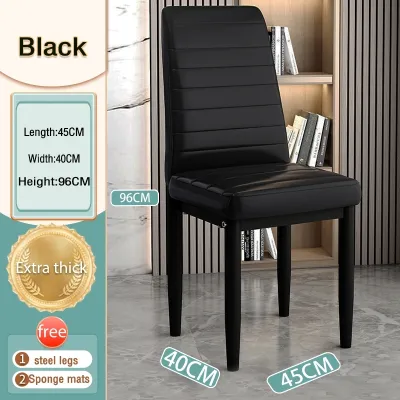
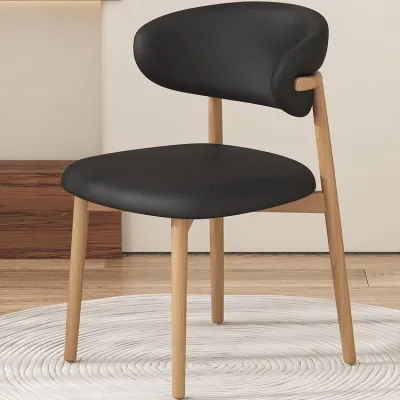
Prices are valid at publication and may change. Please refer to the product page for the latest price.
Next, evaluate the visual weight, shape, and formality of your existing dining table. A heavy, solid oak table with thick trestle legs possesses significant visual weight and requires chairs that can match its presence without being swallowed up. Conversely, a sleek, glass-topped table with slender metal legs demands lighter, more delicate seating profiles to maintain a sense of spaciousness. The shape of the table also plays a role; round tables naturally encourage softer, curved chair silhouettes that mimic the table’s flow, while rectangular tables pair well with structured, linear chairs.
Finally, consider the lighting and spatial flow of the room. In compact dining areas, high-backed, solid wood chairs can block natural light and make the room feel cramped. Low-profile chairs or designs with open, spindle backs allow light to pass through, preserving an airy feel. Observe how traffic moves through the space; if the dining table sits in a high-traffic corridor, chairs with low, tuck-in profiles or armless designs will prevent physical and visual clutter.
Core Dining Chair Styles and Their Design Signatures
Every interior design theme has a corresponding seating aesthetic defined by specific silhouettes, materials, and construction methods. Understanding these design signatures allows you to narrow down your options to styles that naturally complement your home. However, when evaluating these styles, it is important to remember that material names alone do not guarantee longevity or performance. A chair labeled as solid oak or premium steel can still fail if the construction is poor. Always verify the quality of the joints, the type of protective finish applied, and the specific care instructions provided by the manufacturer.

The transition between structured, formal silhouettes and relaxed, organic forms is a key differentiator among chair styles. Formal chairs often feature high backs, straight lines, and full upholstery, creating a sense of symmetry and order. Casual styles lean toward lower profiles, curved lines, and natural, exposed materials that invite relaxation. By identifying where your personal taste falls on this spectrum, you can choose a style category that aligns with how you intend to use the space.
Scandinavian and Minimalist
Scandinavian and minimalist dining chairs are defined by their functional simplicity, clean lines, and lack of ornate detailing. This style prioritizes utility and comfort, often utilizing light-toned timbers such as ash, beech, or pale oak. The silhouettes are typically low-profile with gently curved backrests that support the body without dominating the room visually. These chairs are exceptionally well-suited for bright, uncluttered spaces, white-walled interiors, and light-colored wooden tables.
When selecting Scandinavian-style chairs, pay close attention to the protective coatings used on the wood. Because light-colored timbers show dirt and oils more easily, check the manufacturer’s specifications to ensure the wood has been treated with a high-quality, matte polyurethane lacquer or a durable hardwax oil. If the chair features a fabric seat pad, verify if the upholstery has been treated for stain resistance or if the covers are removable and washable, which is crucial for maintaining a clean, minimalist aesthetic over time.
Industrial and Urban
Industrial and urban dining chairs embrace a raw, utilitarian aesthetic that celebrates structural honesty. Typical design elements include exposed metal frames, visible rivets, distressed wood seats, and dark leather upholstery. These chairs pair naturally with loft-style apartments, homes featuring exposed brickwork, concrete-screed floors, or dark timber dining tables. The visual weight of industrial chairs is often light due to their slender metal frames, but their dark finishes provide strong graphic contrast.
Because industrial chairs rely heavily on metal components, safety and floor protection are paramount. Inspect the frames to ensure all welds are smooth, continuous, and free of sharp burrs that could snag clothing or scratch skin. Check that the metal has been powder-coated or treated to prevent rust, especially in humid climates. Additionally, verify that the legs are fitted with durable, non-marking floor protectors or rubber caps to prevent the heavy metal frames from gouging or scratching your tiles, vinyl, or hardwood flooring.
Mid-Century Modern
Mid-Century Modern dining chairs are celebrated for their organic curves, tapered legs, and retro-futuristic appeal. This style frequently showcases molded plywood, warm walnut or teak finishes, and bold, textured upholstery fabrics like bouclé, tweed, or vinyl in mustard, olive, or burnt orange. These chairs serve as excellent statement pieces in eclectic, retro, or contemporary dining rooms, adding a sense of sculptural artistry to the space.
The iconic tapered legs and angled backrests of Mid-Century Modern chairs place unique structural demands on their joints. Before purchasing, verify the stability of the leg-to-seat connections; look for robust joinery techniques, such as mortise-and-tenon joints or heavy-duty metal mounting plates, rather than simple wood screws. Check the manufacturer’s specified weight limits and review the fabric care labels, as textured mid-century fabrics can require specialized professional cleaning to maintain their appearance.
Traditional and Farmhouse
Traditional and farmhouse dining chairs bring warmth, history, and a sense of rustic comfort to the dining room. Classic features include turned wooden legs, spindle backs (such as Windsor chairs), and woven rush or slipcovered seats. These chairs are ideal for cozy, family-centric homes and pair beautifully with substantial, rustic wooden tables that feature visible grain patterns and natural imperfections.
Because traditional and farmhouse chairs are often constructed entirely from solid wood, they tend to have a larger physical footprint and heavier visual weight than modern alternatives. Measure your dining area carefully to ensure these substantial frames do not overwhelm the room. Verify the weight capacity of the chairs, and check that the joints—particularly where the spindles meet the seat and top rail—are tight and secure. Ensure you apply heavy-duty felt pads to the bottom of the thick wooden legs to facilitate smooth sliding and protect your floors.
Practical Checks Before You Buy
Before finalizing your purchase, you must transition from aesthetic evaluation to rigorous physical measurements and logistical checks. The most critical dimension to verify is the relationship between your dining table and the chair seats. Measure the distance from the floor to the underside of the table apron (the wooden board beneath the tabletop). Your dining chair seat height should typically sit 25 to 30 centimeters below this apron to allow comfortable legroom and prevent your thighs from being pressed against the table structure. If you are choosing chairs with armrests, ensure the arms can slide completely under the table when the chair is not in use, saving valuable floor space.
Next, calculate the spatial footprint of the dining set within your room. Each seated person requires approximately 60 to 70 centimeters of table width to dine comfortably without bumping elbows. Furthermore, you must maintain a clearance zone of at least 80 to 90 centimeters between the back of the dining chairs (when occupied) and the nearest wall, sideboard, or doorway. This space allows diners to pull their chairs out and stand up easily, and it preserves a clear walkway for traffic flow through the room.
Logistics and installation require equal attention, particularly in high-rise residential buildings in Singapore. Prior to ordering, measure the finished dimensions of the chairs and compare them against your home’s entryways, corridor widths, and lift door clearances. If the chairs arrive fully assembled, they must fit through these tight spaces without damaging the walls or the furniture itself. If assembly is required, review the instructions to determine if specialized tools are needed or if the task requires professional assistance. Always check the manufacturer’s structural weight limits and verify that the supplied floor glides are compatible with your specific flooring material, whether it is marble, parquet, or luxury vinyl tiles. If you require custom modifications or have doubts about structural compatibility, stop and consult the manufacturer or a qualified furniture professional.
Mixing Styles and Transitional Solutions
If your home does not conform to a single design theme, or if you prefer a more curated, lived-in look, mixing dining chair styles is an excellent way to add character. The key to a successful mixed-chair arrangement is establishing a unifying visual thread. This thread can be a shared color palette, matching seat heights, or identical leg finishes. For example, you might pair three different styles of chairs around a single table, but ensure they are all finished in the same matte black paint or upholstered in the same linen fabric, creating a sense of deliberate cohesion rather than random clutter.
For those hesitant to mix multiple distinct styles, transitional dining chairs offer a balanced middle ground. Transitional designs blend classic silhouettes with modern, clean-lined details, allowing them to sit comfortably in both formal and casual settings. A chair with a traditional wingback shape but upholstered in a modern, neutral performance fabric is a prime example of a transitional piece that bridges different design eras.
Another effective strategy is using contrasting accent chairs exclusively at the head and foot of a rectangular dining table. You can place simple, low-profile side chairs along the lengths of the table, and position two larger, fully upholstered armchairs at the ends. This layout introduces a secondary style—such as a touch of mid-century modern or traditional elegance—without overwhelming the primary theme of the room, creating a sophisticated, layered look that feels both balanced and intentional.
Frequently Asked Questions (FAQ)
Can I mix different dining chair styles at one table?
Yes, you can successfully mix different dining chair styles at one table, provided you maintain a unifying element to tie the look together. This unifying factor could be a consistent frame material, a matching color palette, or identical upholstery fabric. For instance, combining different wooden chair designs works well if all the timbers share the same stain or finish. However, you should avoid mixing chairs with drastically different seat heights or visual weights, as this can create an uncomfortable, disjointed dining experience and disrupt the physical alignment of your guests around the table.
How do I ensure the chairs fit my dining space?
To ensure your dining chairs fit your space perfectly, you must measure both the table dimensions and the surrounding room clearance. Allow a minimum of 60 centimeters of table width per chair to prevent overcrowding and ensure comfortable elbow room. Additionally, maintain a clearance of 80 to 90 centimeters between the edge of the table and the nearest wall or piece of furniture; this provides enough space for a person to pull out their chair, sit down, and get up without blocking the room’s natural traffic lanes. If your dining area is compact, prioritize armless chairs with slim profiles that can slide completely under the table when not in use.

Community discussion
Share your experience or ask a question. Comments are reviewed before publication.