
Matching the correct bracket size to your bookcase shelves is essential for both structural integrity and a clean aesthetic. The fundamental rule is that your bracket depth should be slightly less than your shelf depth to prevent overhang, while the bracket width and spacing must be calculated based on the shelf’s total width, material, and expected load. Selecting the wrong hardware can lead to sagging shelves or an unstable bookcase.
To achieve a secure fit, you must look at your shelving system as a complete structural unit. The brackets support the weight of both the shelf itself and the items placed on it, transferring that load safely to the wall or the bookcase frame. By understanding how to measure your shelves accurately and apply standard sizing principles, you can choose hardware that offers reliable support while maintaining a clean, professional appearance.
Measure Your Bookcase Shelves for Accurate Sizing
Before purchasing any hardware, you must obtain precise measurements of your bookcase shelves. Relying on visual estimates or general product descriptions often leads to purchasing brackets that are either too large or too small. Record the exact depth, width, and thickness of your shelves to establish a baseline for your hardware search.
Products mentioned in this guide
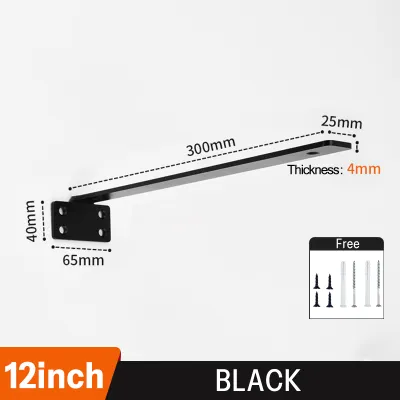
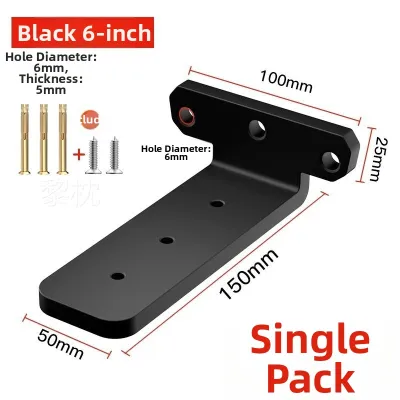
Prices are valid at publication and may change. Please refer to the product page for the latest price.
Begin by measuring the shelf depth from the back edge to the front edge. If your bookcase has a backboard, measure from the front face of that backboard rather than the wall behind it. You must also account for any front lip, decorative molding, or edge banding that might reduce the actual flat surface area where the horizontal arm of the bracket will make contact.
Next, measure the total width of the shelf from side to side. This dimension determines how many brackets you will need and how far apart they must be spaced to prevent bowing. A wider shelf requires more points of support than a narrow one, especially when loaded with heavy items.
Finally, measure the thickness of the shelf material. The thickness is a critical factor because it dictates the maximum length of the screws you can use to secure the shelf to the brackets without piercing through the top surface. Additionally, if you plan to use brackets with a front lip, the bracket’s opening must match the shelf thickness precisely to ensure a snug fit.
Match Bracket Depth to Prevent Overhang and Sagging
Once you have your shelf measurements, the next step is selecting the correct bracket depth. As a general rule, the horizontal arm of the bracket should extend across at least two-thirds to three-quarters of the total shelf depth. This proportion provides sufficient leverage to support the front edge of the shelf while keeping the hardware discreetly tucked away.

Choosing a bracket that is too deep creates several functional and aesthetic issues. If the bracket extends past the front edge of the shelf, it creates a visible overhang that can catch on clothing or interfere with doors. Furthermore, an overhanging bracket looks unfinished and disrupts the clean lines of your shelving unit.
Conversely, using brackets that are too short poses a significant structural risk. If the bracket does not extend far enough forward, the front portion of the shelf remains unsupported. Over time, the weight of books placed near the front edge will cause the shelf to tilt forward or sag, putting immense stress on the mounting screws and potentially pulling the brackets out of the wall.
To find the ideal balance, check the manufacturer’s specifications for both the bookcase and the brackets support hardware. Many manufacturers provide recommended depth tolerances for their brackets, indicating the minimum and maximum shelf depths they can safely support. Aim for a bracket depth that leaves a small margin of about 10 to 25 millimetres from the front edge of the shelf to ensure a clean, safe installation.
Plan Bracket Spacing and Width Across the Shelf
Selecting the right bracket depth is only half the battle; you must also plan how the brackets will be spaced across the width of the shelf. Proper spacing distributes the weight of your books evenly and prevents the center of the shelf from bowing or sagging under load. The ideal spacing depends heavily on the shelf material, thickness, and the total weight you plan to store.
For standard shelves made of manufactured wood, such as particleboard or medium-density fibreboard (MDF), brackets must be spaced closer together. These materials are more prone to bending under constant pressure than solid wood. If you are storing heavy books on an MDF shelf, spacing your brackets no more than 400 to 600 millimetres apart is a common practice to maintain structural integrity.
Solid wood shelves, such as oak or pine, are naturally stiffer and can handle wider spans between brackets. However, even solid wood will bow over time if the span is too wide or the load is exceptionally heavy. For these materials, a spacing of 600 to 800 millimetres is generally acceptable, but you should always err on the side of caution and add an extra center bracket if the shelf exceeds one metre in width.
Relying solely on the width of the bracket itself without considering the overall spacing and material strength is a recipe for structural failure. A wide, heavy-duty bracket cannot compensate for a thin, flexible shelf material that is spanned too widely. Always evaluate the shelf material, thickness, and expected load together to determine the correct number of brackets and their placement across the shelf width.
Verify Wall Clearance and Installation Constraints
Before finalizing your bracket selection, you must assess the physical space and wall conditions where the bookcase or shelves will be installed. The type of wall you are mounting to—whether drywall, plaster, brick, or concrete—directly impacts how and where you can install your brackets.
For drywall installations, brackets should ideally be anchored into vertical wall studs for maximum weight capacity. This requirement means your bracket spacing may need to align with the standard spacing of your wall studs, which is typically 400 or 600 millimetres apart. If the studs do not align perfectly with your desired bracket positions, you will need to use heavy-duty wall anchors designed for your specific wall type, or install a horizontal backing board first.
You must also ensure there is adequate clearance for your books and decorative items to sit flush against the back of the shelf. Some bracket designs feature a thick vertical arm or a diagonal support strut that projects forward from the wall. If this support structure is too bulky, it can prevent books from being pushed all the way back, reducing the usable depth of your shelf and making your display look cluttered.
If you encounter compromised wall conditions, such as crumbling plaster or damp masonry, or if you are unsure of the shelf material’s load capacity, stop the installation immediately. In these situations, it is best to consult a qualified professional or a structural specialist to evaluate the setup. Attempting to mount heavy shelves on unstable walls can lead to severe property damage or personal injury.
Common Bracket Sizing Mistakes to Avoid
A frequent mistake when matching brackets is ignoring the thickness of the bookcase backboard or wall clearance. If your bookcase has a thick back panel, the actual usable depth of the shelf is reduced. Failing to account for this can result in purchasing brackets that push the shelf too far forward, leaving an unsightly gap between the shelf and the backboard.
Another common error is using brackets that are too wide for the available wall space or too narrow to provide lateral stability. If a bracket’s mounting plate is wider than the wall stud or the vertical frame of your bookcase, you will not be able to secure it properly. Conversely, brackets with extremely narrow mounting plates may wobble or twist under uneven loads, compromising the safety of the entire shelving unit.
Finally, do not assume that all bracket designs and materials offer the same support capacity just because they share similar dimensions. A thin, decorative metal bracket will not support the same weight as a heavy-duty steel utility bracket of the identical size. Always check the manufacturer’s rated load capacity for the specific bracket model and design, and ensure it matches the demands of your book collection.
Frequently Asked Questions (FAQ)
Can I use brackets that are exactly the same depth as my shelf?
While it is technically possible to use brackets that match your shelf depth exactly, it is generally not recommended. A bracket that is the exact same depth as the shelf leaves no room for error, wall irregularities, or slight misalignments during installation. It can also create a sharp, exposed metal edge at the front of the shelf that can catch on clothing or cause scratches. Opting for a bracket that is slightly recessed—about 10 to 25 millimetres shorter than the shelf depth—provides a cleaner visual line and a safer user experience.
How do I know if my shelf material can handle the planned bracket spacing?
To determine if your shelf material can handle your planned bracket spacing, start by checking the manufacturer’s specifications for load ratings and recommended span limits. If you are retrofitting an existing bookcase, observe the shelves for any signs of existing sag or bowing under their current load. You can also consult material-specific span guidelines, which outline how far different wood types and manufactured boards can safely span without support. When in doubt, adding an extra bracket or consulting a professional is the safest way to ensure your shelves remain level and secure.

Community discussion
Share your experience or ask a question. Comments are reviewed before publication.