
Determine if a black wooden stool complements your existing dining space by evaluating its silhouette, surface finish, and proportion against your current aesthetic. While black is a versatile neutral, the specific design details of the wood dictate whether it harmonizes with minimalist, industrial, or vintage interiors. This guide provides the visual checks and compatibility criteria needed to make a confident styling decision before purchasing.
Key Visual Dimensions That Define a Black Wooden Stool's Style
Evaluating the silhouette and line weight of a black wooden stool is the first step in identifying its design category. Slender, tapered legs and thin seats create a lightweight visual profile that feels modern, airy, and unobtrusive. Conversely, thick, blocky legs and chunky, solid seats project a rustic, heavy presence that commands attention in a room.
Surface finish identification is equally critical, as the level of sheen dictates how the stool interacts with light. Matte black finishes absorb light, highlighting the stool’s clean silhouette and offering a contemporary, understated look. Satin or semi-gloss finishes reflect a moderate amount of light, which can emphasize the wood’s natural grain and texture.
Products mentioned in this guide
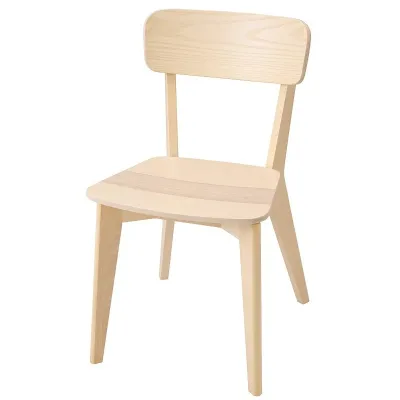
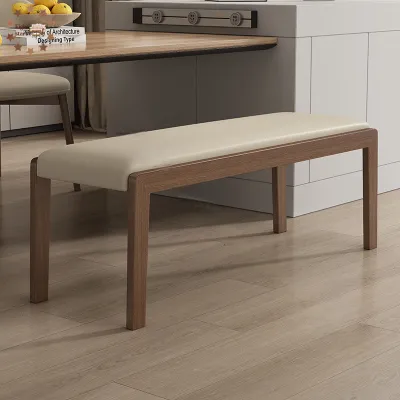
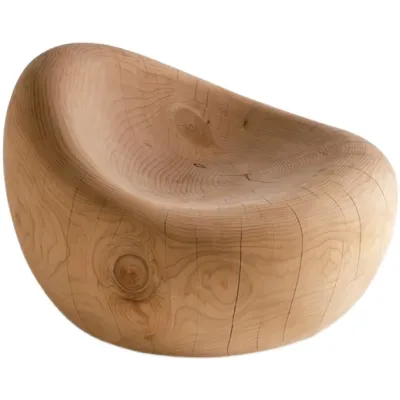

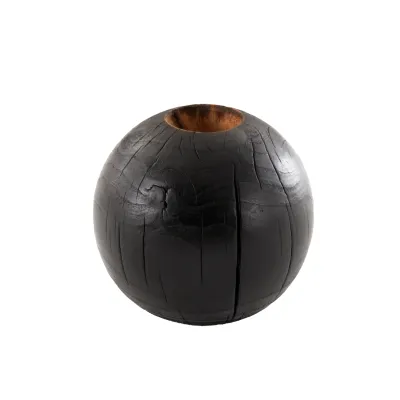
Prices are valid at publication and may change. Please refer to the product page for the latest price.
High-gloss or painted finishes create a sleek, formal appearance, while distressed or wire-brushed finishes expose underlying wood tones, giving the piece a weathered, casual character. Additionally, look closely at the hardware, joinery, and structural details. Exposed dowels, mortise-and-tenon joints, or subtle brass accents signal craftsmanship and vintage inspiration, whereas hidden fasteners maintain clean, uninterrupted surfaces typical of modern designs.
Best Dining Room Styles for Black Wooden Stools
Black wood serves as an excellent design tool in the dining room, functioning either as a bold contrasting accent or a grounding element that ties disparate pieces together. In open-plan living spaces, a row of black stools can define the dining zone against lighter walls and floors. The key to a successful integration lies in matching the stool’s specific visual characteristics with the overarching design language of your room.

Scandinavian and Japandi Interiors
Scandinavian and Japandi styles rely heavily on natural light, pale wood tones, and a sense of serene simplicity. In these spaces, a black wooden stool acts as a sharp, graphic accent that prevents a neutral palette from looking washed out. To maintain this delicate balance, choose stools with slender frames, clean geometric lines, and a matte or low-sheen finish that allows the natural texture of the wood to remain visible.
Avoid stools with heavy, chunky legs, ornate carvings, or high-gloss painted surfaces, as these elements disrupt the calm, organic flow of the room. Instead, pair lightweight black stools with a light oak, ash, or birch dining table. This high-contrast combination keeps the dining area feeling bright and spacious while adding a sophisticated, modern edge.
Industrial and Mid-Century Modern Spaces
Industrial and mid-century modern designs embrace structural expression, raw materials, and distinct historical silhouettes. In an industrial dining room, black wooden stools with textured, distressed, or satin finishes complement exposed brick, concrete floors, and metal-framed dining tables. Look for stools that incorporate metal hardware or feature a slightly weathered look to match the rugged, utilitarian aesthetic of the space.
For mid-century modern interiors, the focus shifts to organic curves, angled lines, and tapered legs. A black wooden stool with a gently curved backrest, splayed legs, or a sculpted saddle seat fits seamlessly alongside walnut or teak furniture. The deep black tone provides a striking contrast to the warm, reddish-brown hues of mid-century wood tables, highlighting the iconic geometric shapes of the era.
How to Check Compatibility With Your Existing Dining Setup
Before purchasing a black wooden stool, it is essential to perform a physical and visual compatibility check with your current dining table and room layout. Start by measuring the height of your dining table. For comfortable seating, there should be a clearance of approximately 25 to 30 centimeters between the underside of the table apron and the top of the stool seat. Be sure to check the manufacturer’s specifications for the exact seat height, especially if the stool has a contoured or upholstered seat.
Next, consider the visual relationship between the stool and your table. If you have a dark wood or black dining table, pairing it with solid black stools can create a heavy, monotonous block of color. To prevent this, select stools with a lighter visual weight—such as those with open spindle backs or slender legs—or choose a finish that allows the natural wood grain to show through, creating subtle texture and depth.
Finally, evaluate the spatial clearance and access in your dining area. Ensure there is at least 90 centimeters of space behind the stools when they are tucked in, allowing family members to walk past comfortably. If you live in an apartment, verify that the stool’s dimensions allow for easy delivery through your doorways and lift access. Choosing stools that can slide completely under the table when not in use is an excellent way to save floor space in compact dining rooms.
Care and Maintenance for Different Black Wood Finishes
Maintaining the appearance of your black wooden stools requires care tailored to their specific finish. Matte and low-sheen finishes are excellent at hiding minor imperfections, but they can easily absorb oils from hands, leading to shiny patches over time. To clean matte black wood, use a soft, slightly damp microfiber cloth and wipe gently in the direction of the wood grain. Avoid using harsh chemical sprays or multi-purpose cleaners, which can strip the protective topcoat and alter the finish’s sheen.
Painted or high-gloss black finishes reflect more light, making dust, fingerprints, and water spots more noticeable. Regular dusting with a dry, static-charging microfiber duster will keep the surface clean without scratching. When a deeper clean is necessary, use a mild, highly diluted dish soap solution, ensuring you dry the surface immediately with a clean towel to prevent water rings.
For distressed or wire-brushed black finishes, the textured surface can trap dust in the crevices. A soft-bristled brush attachment on a vacuum cleaner or a soft paint brush can help clear dust from these hard-to-reach areas. Regardless of the finish, always check the manufacturer’s care label for specific instructions regarding polish, wax, or touch-up markers to ensure you do not inadvertently damage the protective sealant.
Frequently Asked Questions (FAQ)
Can I mix black wooden stools with other dining chair colors?
Yes, mixing black wooden stools with other dining chair styles or colors is an excellent way to create a curated, eclectic look. To ensure the arrangement feels cohesive rather than chaotic, maintain at least one unifying element across all your seating. For example, you can pair black stools with natural wood chairs if they share a similar mid-century silhouette or leg angle. Alternatively, you can place black stools at the sides of the table and use upholstered chairs in a neutral fabric at the heads of the table to balance the visual weight and add a touch of softness to the dining space.
Do black wooden stools show dust and scratches more easily?
Black surfaces naturally show dust and light-colored scratches more prominently than lighter wood tones. Matte finishes are generally better at concealing minor surface scratches but can show oily fingerprints, while high-gloss and smooth painted finishes tend to highlight both dust and fine scratches under direct light. To minimize these issues, look for stools with a visible wood grain texture under the black finish, which helps camouflage daily wear. Always refer to the manufacturer’s product guidelines for recommended scratch-repair methods and approved cleaning products.

Community discussion
Share your experience or ask a question. Comments are reviewed before publication.