
Choosing the right stool style for your dining room depends on matching or intentionally contrasting the dominant materials, lines, and spatial vibe of your existing space. By identifying whether your room leans toward raw industrial textures, clean Scandinavian minimalism, organic mid-century curves, or warm rustic wood, you can select a stool that feels like a natural extension of your home.
How to Assess Your Current Dining Room Aesthetic
To find the perfect stool, start by auditing the materials and textures already present in your dining area. Look closely at your dining table, flooring, and nearby cabinetry. If your space features raw wood, exposed metal, or concrete, it has a different baseline than a room dominated by glass, polished stone, or soft textiles. Note whether your surfaces are matte, glossy, textured, or smooth, as these finishes dictate how light interacts with your furniture.
Next, evaluate your existing color palette, wall treatments, and lighting fixtures. A room with neutral walls, light oak floors, and simple pendant lights suggests a different design direction than one with bold geometric wallpaper, dark walnut finishes, and brass accents. The visual weight of your lighting fixtures—whether they are delicate glass globes, heavy iron cages, or sculptural paper lanterns—also sets a tone that your seating should complement.
Products mentioned in this guide
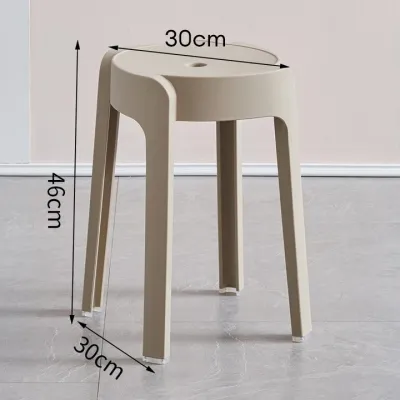
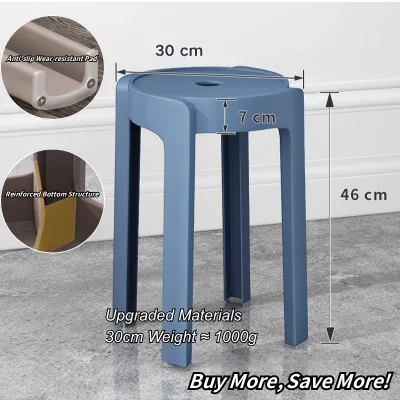
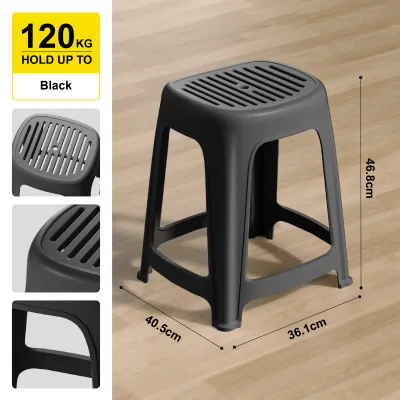
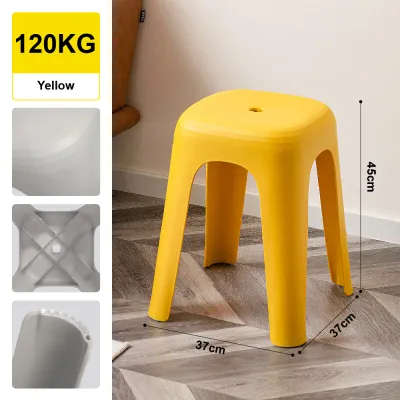
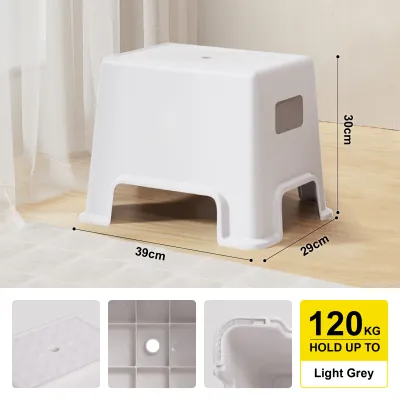
Prices are valid at publication and may change. Please refer to the product page for the latest price.
Finally, determine the overall spatial vibe of your dining area. Is it a minimalist, uncluttered zone, a cozy and lived-in family hub, or a formal entertaining space? Understanding this vibe helps you narrow down compatible stool categories. For instance, a highly formal dining room might struggle to accommodate a rugged, distressed metal stool, while a casual open-plan kitchen diner might welcome it.
Industrial Stools: Ideal Dining Room Fits and Styling Tips
Industrial stools thrive in dining rooms that embrace raw, architectural elements. If your space features exposed brickwork, concrete floors, visible ductwork, or prominent black metal window frames, this style will feel right at home. These environments benefit from furniture that matches their structural, unrefined character, creating a cohesive loft-like atmosphere.

When shopping for industrial stools, look for key design features such as distressed wood seats, heavy iron or steel frames, visible rivets, and utilitarian shapes. Many industrial designs incorporate mechanical elements like threaded height-adjustment screws or simple geometric footrests. These features emphasize function and durability, giving the stool a grounded, practical presence at your counter or high table.
However, industrial stools can easily clash with certain interior styles. If your dining room is highly ornate, features soft traditional molding, or is filled with heavily draped windows and plush carpets, the coldness of raw metal and distressed wood may feel jarring. In these softer spaces, a hybrid design that incorporates padded leather upholstery can bridge the gap.
Scandinavian Stools: Ideal Dining Room Fits and Styling Tips
Scandinavian stools are the ideal choice for dining rooms characterized by light wood tones, neutral color palettes, and an airy, uncluttered feel. If your home maximizes natural light and prioritizes functional simplicity, these stools will enhance the sense of calm and spaciousness. They work exceptionally well in open-concept layouts where the dining area flows seamlessly into the living room.
Key design features of Scandinavian stools include clean, tapered lines, functional forms, and light-toned woods like ash, beech, or pale oak. Upholstery, if present, typically features neutral tones, textured wool blends, or simple woven paper cord. The focus is on understated elegance and organic materials, ensuring the stools do not compete with other design elements in the room.
Because Scandinavian design often utilizes light-colored fabrics and pale woods, maintenance is an important consideration for active dining areas. Before purchasing, check if fabric seats have been treated for stain resistance, or opt for removable, washable covers. If you have young children or pets, choosing stools with solid wood seats or wipeable leather pads offers the same minimalist aesthetic with much easier upkeep.
Mid-Century Modern Stools: Ideal Dining Room Fits and Styling Tips
Mid-century modern stools are perfect for dining rooms that feature retro accents, warm wood tones like teak or walnut, and subtle geometric patterns. If your home celebrates the design sensibilities of the mid-twentieth century, these stools will complement your existing decor beautifully. They bring a sense of nostalgia and artistic flair without feeling overly formal.
Look for key design features such as gently tapered legs, organic curves, molded plywood, and splayed bases. Mid-century stools often showcase bold or earthy upholstery colors, such as mustard yellow, olive green, burnt orange, or classic black leather. The silhouette is typically slim and sculptural, making these stools visually light while still providing excellent support.
To avoid making your dining room look like a dated period set, focus on balancing vintage-inspired stools with contemporary elements. If you have a highly modern, minimalist dining table, pairing it with mid-century stools can introduce warmth and character. Mixing the clean, straight lines of a modern table with the organic curves of mid-century seating creates a sophisticated, curated look.
Rustic Stools: Ideal Dining Room Fits and Styling Tips
Rustic stools are best suited for farmhouse, cabin, or warm traditional dining spaces where comfort and natural textures are paramount. If your dining room features exposed wooden beams, a chunky wooden dining table, or a warm, earthy color scheme, rustic stools will enhance the cozy, inviting atmosphere. They bring a sense of history and craftsmanship to the table.
Key design features to look for include reclaimed wood finishes, hand-carved details, woven rush or rattan seats, and sturdy, grounded builds. These stools often celebrate the natural imperfections of wood, such as knots, grain variations, and slight color shifts. The construction is typically robust, emphasizing stability and a handmade quality that feels deeply personal.
When integrating rustic stools, pay close attention to proportions to ensure they do not overwhelm your space. Bulky, heavy-set rustic stools can easily overpower a delicate glass-topped table or a slender modern frame. To maintain visual balance, pair chunkier rustic stools with substantial wooden tables, or choose rustic stools with slimmer metal legs to bridge the gap between traditional warmth and modern lightness.
Mixing Stool Styles and Cross-Scene Compatibility
Mixing different stool styles can create a dynamic, personalized look, but it requires a thoughtful approach to avoid visual chaos. A reliable rule for mixing two distinct styles is to find a unifying element, such as matching the seat heights, choosing a consistent wood finish, or keeping the metal accents in the same color family. For example, you can pair industrial metal frames with Scandinavian wooden seats if both share a similar matte black finish.
In modern homes, dining spaces often double as casual workspaces or quick breakfast spots. If your stools need to transition from formal evening dining to daytime remote work, prioritize designs with supportive backrests and comfortable footrests. Stools that can easily slide completely under the counter or table when not in use are excellent for keeping multi-purpose areas tidy and spacious.
When deciding whether to stick to a uniform set or curate an eclectic mix, consider the formal level of your dining room. A uniform set of matching stools provides a clean, symmetrical look that suits formal or minimalist spaces. On the other hand, an eclectic mix of complementary styles works beautifully in casual, bohemian, or open-plan spaces where a relaxed, lived-in vibe is desired.
Practical Space and Safety Checks Before You Buy
Before finalizing your purchase, performing precise physical and spatial checks is essential to ensure your stools fit comfortably and safely. Start by measuring the height of your dining table or counter. To allow comfortable legroom, aim for a clearance of approximately 25 to 30 centimeters between the underside of the table surface and the top of the stool seat. Be sure to measure from the lowest point of the table frame, such as an apron or support beam, rather than the tabletop itself.
Next, evaluate the floor space and walkway clearance around your dining area. Ensure there is at least 90 centimeters of open space behind each stool when it is pulled out, allowing guests to sit down and stand up comfortably without blocking walkways. If your dining room is a high-traffic zone, choosing armless stools or designs with a smaller footprint can help maintain clear pathways.
Finally, verify the structural integrity and stability of the stools. Check the manufacturer’s specifications for weight capacity and base stability, especially if you are choosing tall bar-height stools. Look for robust footrest construction, as footrests endure significant pressure during daily use. If you are buying stools with swivel mechanisms, ensure the base is heavy enough to prevent tipping when someone gets on or off.
Frequently Asked Questions (FAQ)
Can I use bar stools instead of standard dining chairs?
Standard dining tables typically require seating with a seat height of around 45 centimeters, whereas bar stools are designed for much higher surfaces, usually around 75 centimeters. Using bar stools at a standard dining table will leave virtually no legroom and force you to bend uncomfortably over your food. If you want the casual look of a stool at a standard table, look specifically for dining-height stools rather than counter or bar stools. Additionally, consider that stools without backrests may offer less support for long, multi-course meals compared to traditional dining chairs.
How do I protect my dining floors from stool damage?
To prevent scratches and scuffs on your dining room floors, start by inspecting the bottom of the stool legs. Many stools come with basic plastic glides, which can still scratch hardwood or laminate over time. For hard floors, apply heavy-duty felt pads to the bottom of each leg, checking them periodically for wear and replacing them when they flatten. If you have tiled floors, durable rubber or silicone caps can provide excellent grip and noise reduction. For carpeted dining areas, smooth plastic glides are preferred as they allow the stool to slide easily without snagging the fibers.
Community discussion
Share your experience or ask a question. Comments are reviewed before publication.