
Finding the ideal bar stools chair for your kitchen island or breakfast counter requires balancing visual harmony with physical comfort. In Singapore’s open-plan apartments, these seats often bridge the gap between the cooking area and the living space, making their design impact highly visible. By aligning the stool’s materials, silhouette, and scale with your existing interior theme, you can create a cohesive look that enhances your home’s overall flow.
Identify Your Existing Interior Design Theme
Start by observing the dominant design language of your living and dining areas. Look at your existing furniture, color palettes, and architectural details. For instance, a home featuring light oak finishes, neutral textiles, and clean lines leans toward a Scandinavian or minimalist aesthetic. Conversely, exposed brick, matte metal fixtures, and raw concrete elements point to an industrial theme.
Once you identify your primary theme, decide whether your new seating should blend seamlessly or create a deliberate, complementary contrast. Choosing stools that match your existing palette creates a calm, unified environment. On the other hand, introducing a bold material—such as pairing sleek metal stools with a warm wooden counter—can establish an eye-catching focal point without disrupting the room’s balance.
Products mentioned in this guide
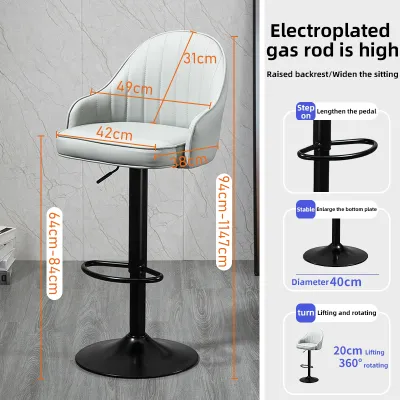
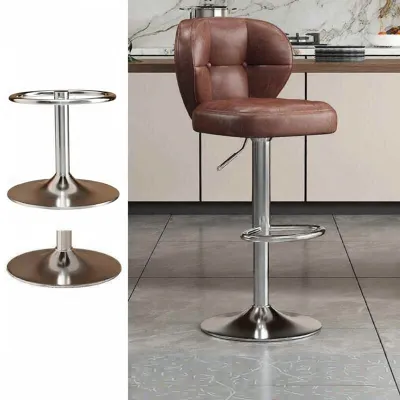
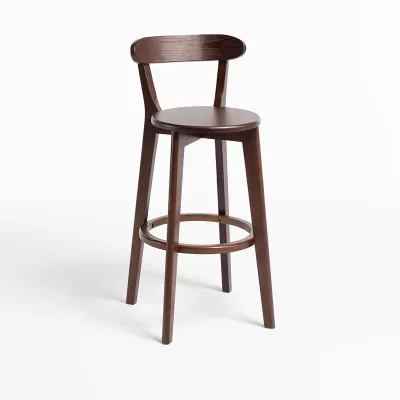
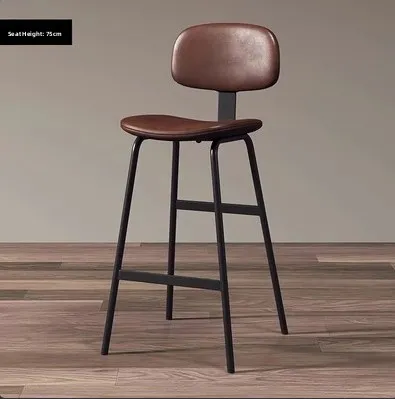
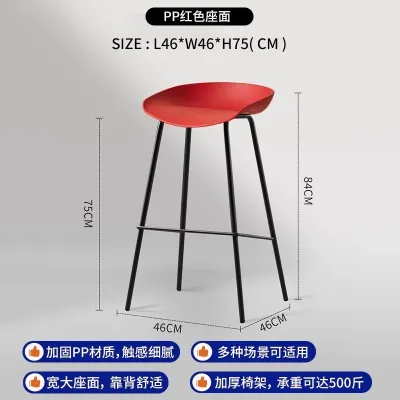
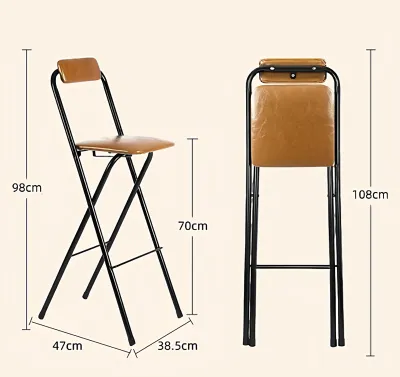
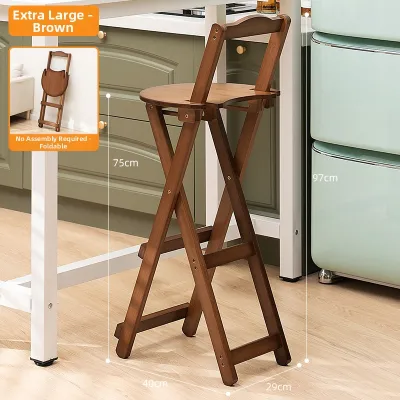
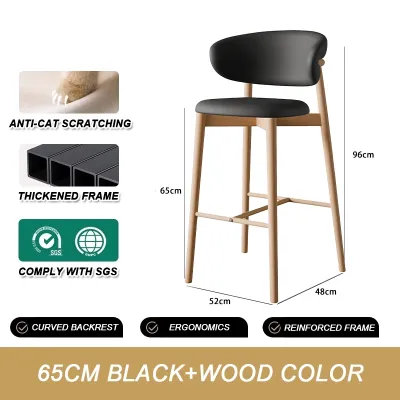
Prices are valid at publication and may change. Please refer to the product page for the latest price.
In open-concept layouts, it is also essential to coordinate your bar stools with nearby dining chairs. They do not need to be identical, but they should share a common design thread. Matching the wood tone, metal finish, or upholstery fabric helps maintain a smooth visual transition across the entire living space.
Match Bar Stool Materials and Finishes to Your Theme
The materials and finishes of your bar stools play a major role in defining their style. For Scandinavian or Japandi spaces, look for light-colored woods like ash or oak, paired with woven paper cord or light fabric seats. If your home leans toward mid-century modern, richer wood tones like walnut combined with molded plywood or leather upholstery will complement your existing decor.

For industrial settings, stools featuring powder-coated steel frames and distressed leather seats fit naturally. If your home features a modern luxury aesthetic, consider stools with brushed brass accents, velvet upholstery, or sleek marble-look details. Always check the manufacturer’s specifications to ensure these surface treatments are rated for kitchen environments, where spills and moisture are common.
Because kitchen counters are high-traffic zones, verify the care requirements and cleaning instructions on product labels before purchasing. Removable, washable cushion covers or wipeable surfaces like polyurethane leather are highly practical for busy households. Ensuring the maintenance routine matches your lifestyle will keep your seating looking pristine for years to come.
When evaluating wood or metal frames, inspect the joints and structural connections for stability. A well-constructed joint ensures the stool can handle daily use without wobbling over time. Avoid assuming a material is durable based on its name alone; instead, look for protective finishes and clear care guidelines from the manufacturer.
Choose the Right Silhouette and Leg Design
The structural shape of a bar stool affects both the room’s visual weight and its physical flow. Backless stools are excellent for compact spaces because they slide completely under the counter, keeping sightlines clear and walkways unobstructed. However, if you plan to use the counter for long meals or remote work, low-back or full-back profiles offer much-needed upper-body support.
Next, assess the leg design and base structure. Sled bases distribute weight evenly and slide smoothly on flat surfaces, making them a sleek choice for modern interiors. Traditional four-legged designs offer classic stability and often feature built-in stretchers that double as footrests. Central pedestal bases with circular plates provide a retro or ultra-modern look, but you should verify their base weight to ensure they remain stable during use.
Before finalizing your choice, measure your kitchen island or counter to ensure the silhouette does not overcrowd the area. Walkways behind the seating should remain wide enough for comfortable passage even when the stools are occupied. A bulky stool with wide-flared legs can easily become a tripping hazard in tighter layouts.
Balance Comfort, Scale, and Functionality
Achieving the right scale is critical for both comfort and ergonomics. Start by measuring the vertical distance from the floor to the underside of your counter. For a standard kitchen counter (typically around 90 cm high), you will need counter-height stools with a seat height of approximately 60 to 65 cm. For taller bar counters (around 105 cm high), look for bar-height stools with a seat height of 75 to 80 cm.
Ensure there is a clearance of about 25 to 30 cm between the top of the stool seat and the underside of the counter to allow comfortable legroom. Additionally, check for functional features that enhance daily usability. Swivel mechanisms make it easier to get in and out of tight spaces without scraping the floor, while integrated footrests are essential for relieving pressure on your legs.
Finally, review the overall product dimensions to plan the spacing between multiple units. As a general rule, allow at least 15 cm of space between each stool to prevent elbow-bumping, and increase this to 20 or 25 cm if the stools have armrests or swivel functions. Confirming these measurements beforehand ensures your seating is both highly functional and well-proportioned.
When purchasing fully assembled bar stools, remember to check your doorway and lift clearance dimensions to ensure a smooth delivery process. If the stools require home assembly, review the manufacturer’s instructions to confirm you have the necessary tools and space to assemble the units safely.
Frequently Asked Questions (FAQ)
Can I mix different bar stool styles in the same kitchen?
Yes, you can mix different bar stool styles, provided you establish a unifying element to tie them together. For example, you might choose stools with different shapes but keep them in the exact same color or material. Alternatively, you can use identical frames but vary the upholstery colors within a cohesive palette.
To prevent the space from looking cluttered or disjointed, limit your selection to two contrasting styles. Keeping the seat heights identical is also crucial for maintaining a clean, horizontal line across your kitchen island or breakfast bar.
How do I protect my floors from bar stool scratches?
To protect your flooring from scratches, start by inspecting the base of the stool legs during assembly. Check for any rough metal edges, exposed screws, or manufacturing defects that could dig into your floors.
Apply appropriate floor protectors or glides according to the manufacturer’s instructions and your specific flooring material. Felt pads are ideal for smooth surfaces like hardwood, parquet, or vinyl, while plastic or rubber caps work well on tiled floors. Regularly clean the bottom of the protectors to remove trapped grit that can act like sandpaper over time.

Community discussion
Share your experience or ask a question. Comments are reviewed before publication.