
Selecting the ideal bar stool style for your home involves more than just finding an attractive seat; it requires a thoughtful alignment between your existing interior design theme and the physical realities of your living space. Whether positioned at a bustling kitchen island or a sleek dining counter, bar stools serve as highly visible focal points that bridge the gap between culinary spaces and social areas. To create a harmonious environment, homeowners must evaluate how different design aesthetics interact with their surroundings while ensuring the furniture meets essential ergonomic and structural requirements. This guide explores four prominent interior design styles—Scandinavian, industrial, Japandi, and modern minimalist—to help you identify the ideal match for your home. By balancing visual cohesion with precise physical measurements, you can select seating that elevates both the beauty and the daily utility of your counter space.
Assessing Your Interior Theme and Spatial Constraints
Before browsing specific stool designs, you must establish a clear baseline of your room’s existing aesthetic and physical boundaries. Begin by observing the dominant design elements in your space, such as the color palette of your cabinetry, the texture of your countertops, and the silhouettes of nearby dining furniture. If your kitchen features warm timber accents and soft curves, your seating should echo those organic qualities. Conversely, a space defined by sharp angles, polished concrete, or dark stone demands a stool style that either complements those clean lines or intentionally softens them. Identifying these visual anchors ensures your new seating feels like an intentional extension of the architecture rather than an afterthought.
Equally critical is the physical footprint of your dining or bar area, especially in compact urban layouts like Singapore apartments where space must be optimized. Use a reliable measuring tape to determine the exact height of your counter from the floor to the underside of the surface. You must also measure the depth of the counter overhang to ensure the stools can slide fully underneath when not in use, keeping walkways clear. Allow for adequate clearance behind the stools so family members and guests can walk past comfortably without colliding with seated individuals.
Products mentioned in this guide
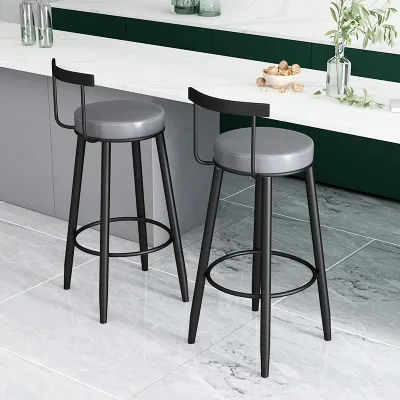
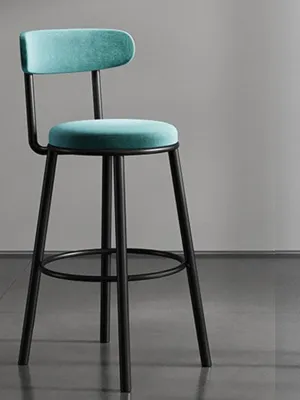
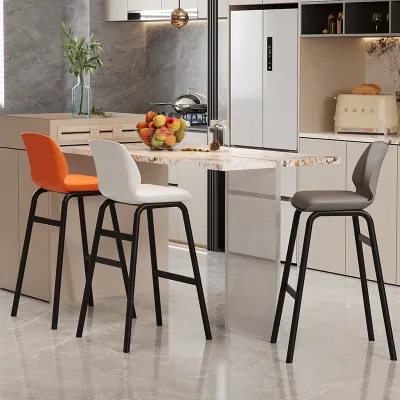

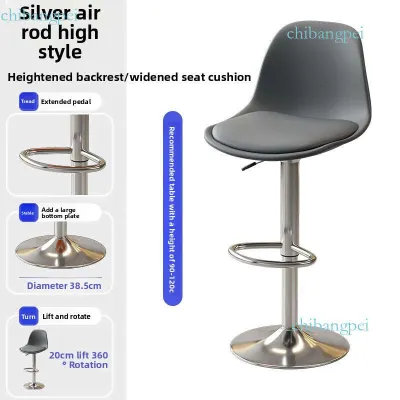
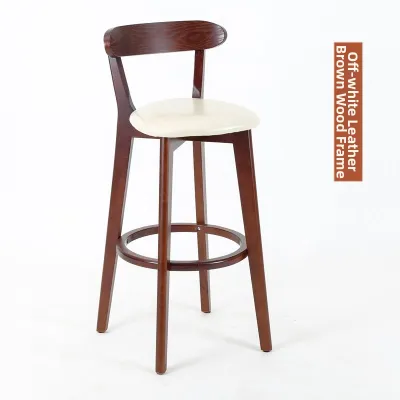
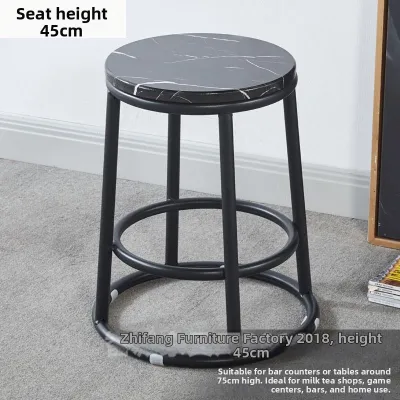
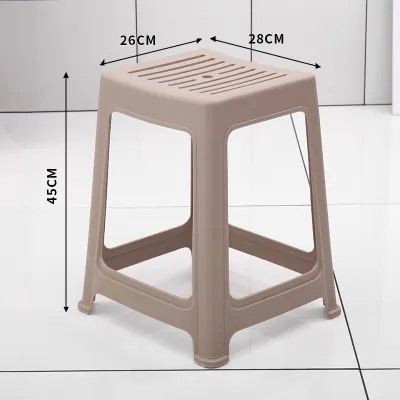
Prices are valid at publication and may change. Please refer to the product page for the latest price.
Finally, establish a realistic budget and determine the exact number of seats your counter can comfortably accommodate. High-quality bar stools in Singapore typically range from S$80 to over S$300 per unit, depending on materials and construction complexity. To prevent a cramped appearance, plan for a comfortable lateral distance between each stool, allowing individuals to turn and converse easily. Overcrowding a kitchen island with too many seats compromises both the visual appeal of the space and the physical comfort of those using it.
Styling Scandinavian Bar Stools for Light and Functional Spaces
Scandinavian design is celebrated for its simplicity, functionality, and deep connection to natural elements, making it an excellent choice for bright, airy homes. When identifying Scandinavian bar stools, look for signature design traits such as light-toned woods like ash, beech, or pale oak, alongside molded plywood seats and tapered legs. Upholstery, if present, typically features neutral tones, soft greys, or muted pastel fabrics that contribute to a serene and welcoming atmosphere. These stools prioritize clean lines without sacrificing comfort, often incorporating gentle curves that mirror the natural contours of the body.

To integrate these stools seamlessly, pair them with white, cream, or pastel kitchen cabinetry and light-colored stone or laminate countertops. This combination maximizes the reflection of natural light, which is particularly beneficial for making smaller kitchen zones feel more expansive and open. The warmth of the light wood legs breaks up the potential monotony of all-white surfaces, adding a subtle organic texture that makes the kitchen feel cozy and lived-in.
Because Scandinavian stools often feature light-colored fabrics and pale wood finishes, maintaining them in high-use dining areas requires deliberate care. Before purchasing, verify the manufacturer’s care instructions to ensure the wood has been treated with a protective, moisture-resistant sealant. For upholstered options, check the fabric care labels for stain-resistant treatments or opt for removable, washable covers. Regularly inspecting the legs for scuffs and wiping down the wooden frames with a damp, soft cloth will preserve their bright, pristine appearance over years of daily use.
Incorporating Industrial Bar Stools with Raw Textures and Metal
Industrial style embraces the raw, unrefined beauty of utilitarian spaces, making it a bold choice for urban lofts and contemporary apartments. Industrial bar stools are easily recognized by their heavy-duty construction, featuring matte black iron or steel frames, exposed hardware, and seats made from distressed or reclaimed timber. The silhouettes are often structural and geometric, drawing inspiration from vintage factories and workshops. These stools bring a sense of rugged durability and architectural interest to any kitchen island or home bar.
To prevent an industrial theme from feeling overly cold or sterile, it is essential to balance the heavy visual weight of metal stools with softer surrounding textures. Consider pairing these stools with warm under-cabinet lighting, textured tiled splashbacks, or nearby woven area rugs that introduce warmth and contrast. The juxtaposition of cold metal frames against warm timber seats or nearby fabric elements creates a balanced, sophisticated look that feels intentional and comfortable.
When selecting industrial stools, prioritize safety and material quality by checking for protective coatings and smooth finishes. Inspect the metal frames to ensure they feature rust-resistant powder coatings, which are vital for resisting humidity in tropical climates. Run your hands along the edges of the metal and wooden components to verify there are no sharp burrs, exposed weld splatters, or rough splinters that could snag clothing or cause injury. Additionally, check that the joints are securely welded or bolted to guarantee long-term structural integrity under regular use.
Choosing Japandi Bar Stools for Warm and Serene Minimalism
Japandi style represents a harmonious fusion of Japanese artistic minimalism and Scandinavian functionality, creating spaces that feel deeply tranquil and grounded. Japandi bar stools are characterized by low-profile backrests, clean geometric frames, and the integration of natural woven materials such as rattan, paper cord, or cane. The color palette is decidedly earthy, focusing on warm oaks, deep walnuts, charcoal, and soft beige tones. These stools avoid unnecessary ornamentation, relying instead on the inherent beauty of natural textures and expert craftsmanship to make a statement.
To reinforce this serene aesthetic in your home, pair Japandi stools with textured plaster walls, matte ceramic tableware, and organic linen accents. The tactile quality of a rattan or woven cord seat adds depth to a minimalist kitchen without introducing visual clutter. This style works exceptionally well in open-plan living areas where the kitchen island serves as a peaceful transition zone between cooking spaces and relaxation areas.
Because Japandi stools rely heavily on natural fibers and precise joinery, close inspection of their construction is essential for durability. Examine the tension of the rattan or paper cord weave to ensure it is tight, uniform, and free from loose ends that could unravel over time. Check the structural joints of the wooden frame, looking for traditional mortise-and-tenon joinery rather than simple glue-and-screw assembly, as high-quality joinery ensures the stool can safely support weight without wobbling. Additionally, verify the manufacturer’s recommendations regarding humidity control, as natural fibers can be sensitive to extreme moisture or direct sunlight.
Selecting Modern Minimalist Bar Stools for Clean and Sleek Interiors
Modern minimalist design focuses on the philosophy of “less is more,” utilizing sleek lines, hidden hardware, and monochromatic color schemes to create a highly polished look. Modern minimalist bar stools often feature seamless construction, utilizing materials like molded acrylic, polished chrome, brushed brass, or powder-coated aluminum. The profiles are incredibly slender and streamlined, designed to blend into the background rather than stand out as individual statement pieces. This style is ideal for homeowners who desire a clean, uncluttered visual field across their living and dining zones.
To maintain a streamlined look, choose stools with low-profile or backless designs that slide completely under the counter, keeping sightlines entirely unobstructed. This is particularly effective in open-concept homes where you want the kitchen island to appear as a clean, sculptural block when not in use. Monochromatic palettes, such as matte black, stark white, or brushed metallic finishes, complement modern quartz, marble, or stainless steel countertops beautifully.
While minimalist stools excel in visual lightness, you must carefully verify their physical stability and floor protection features. Slender metal legs or single-pedestal bases must be heavy and well-balanced at the bottom to prevent the stool from tipping when someone sits down or stands up. Inspect the underside of the stool base to ensure high-quality floor protection pads are pre-installed. These pads are crucial for preventing scratches and scuffs on hard-surface flooring, such as polished concrete, large-format porcelain tiles, or delicate vinyl planks.
Verifying Dimensions, Clearance, and Comfort Before Purchase
No matter how harmoniously a bar stool matches your interior theme, it will fail to serve your home if it is uncomfortable or physically incompatible with your counter. The most critical step in the selection process is calculating the correct seat-to-counter clearance. For optimal comfort, aim for a gap of approximately 25 to 30 centimeters between the top of the stool seat and the underside of the counter. This spacing provides ample legroom for most adults and allows for easy movement when sitting down or leaving the counter.
Beyond height, evaluate the ergonomic features of the stool to ensure it supports comfortable seating over extended periods. Look for stools with integrated footrests positioned at a comfortable height, as dangling legs can quickly cause discomfort and poor circulation. If you plan to use the stools for working or long meals, prioritize designs with contoured seats, slight backrests, and supportive seat depths. A slight backward angle on the backrest offers far better lumbar support than a completely vertical, rigid back.
Finally, always verify the manufacturer’s stated weight capacity and the physical footprint of the stool base before finalizing your purchase. Ensure the base dimensions fit comfortably within your measured floor space without extending into high-traffic walkways. If you are ordering fully assembled stools, double-check the dimensions of your home’s doorways, hallways, and lift access to guarantee the delivery team can safely transport the furniture into your apartment. Taking these practical precautions ensures your chosen bar stools deliver a balanced blend of aesthetic beauty, physical safety, and daily comfort.
Frequently Asked Questions (FAQ)
Can I mix different bar stool styles in an open-concept home?
Yes, you can successfully mix different bar stool styles, provided you establish a clear unifying element to prevent visual chaos. For instance, you might choose stools with different seat designs but keep the frame material, metal finish, or seat height identical across all units. Alternatively, you can stick to a single color palette while mixing two complementary shapes, such as pairing a round-seated industrial stool with a square-seated modern minimalist design. To maintain balance, limit your selection to two distinct styles and alternate them evenly along the counter rather than scattering them randomly.
How do I clean and maintain natural wood or rattan bar stools?
To clean natural wood or rattan bar stools, dust them regularly with a soft, dry microfiber cloth to prevent dirt from settling into the grain or weaves. Avoid using harsh chemical cleaners, bleach, or abrasive scrubbing pads, as these can strip protective finishes and dry out natural fibers. For routine maintenance, refer to the manufacturer’s care instructions regarding specific wood oils or sealants that help preserve the material’s moisture balance. Keep these natural materials away from direct heat sources and areas of prolonged moisture exposure to prevent warping, cracking, or mold growth.

Community discussion
Share your experience or ask a question. Comments are reviewed before publication.