
Finding a compatible office chair seat cover for your specific home office setup in Singapore requires a careful balance of dimensions, mechanical clearance, and material suitability. Because modern ergonomic chairs feature complex contours, adjustable armrests, and sensitive under-seat control levers, a poorly fitted cover can do more than just look untidy—it can restrict your chair’s movement, block essential adjustments, and even compromise your sitting posture.
In Singapore’s warm and humid climate, choosing the right cover also involves managing heat retention and moisture. Many popular home office chairs utilize breathable mesh or specialized fabric blends to keep users cool. Adding an incompatible or non-breathable cover can trap sweat, leading to hygiene issues or premature wear of the underlying material. By understanding how to measure your chair, evaluate key compatibility factors, and verify fit mechanisms, you can protect your investment while maintaining the ergonomic benefits of your seating.
Identify Your Chair's Exact Model and Dimensions
Before browsing online marketplaces for an office chair seat cover, you must establish a precise baseline of your chair’s physical specifications. Relying on generic terms like “standard office chair” often leads to purchasing errors, as ergonomic designs vary significantly between brands and production years.
Products mentioned in this guide
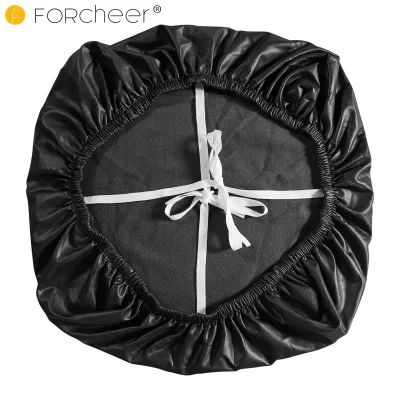
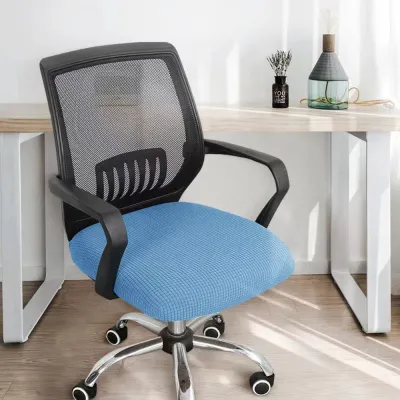
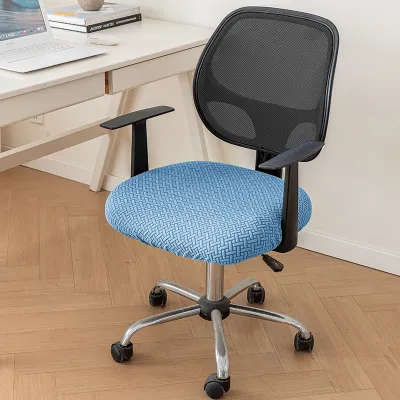
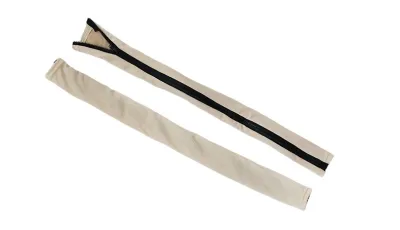
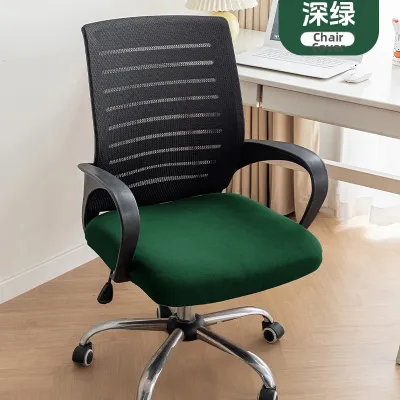
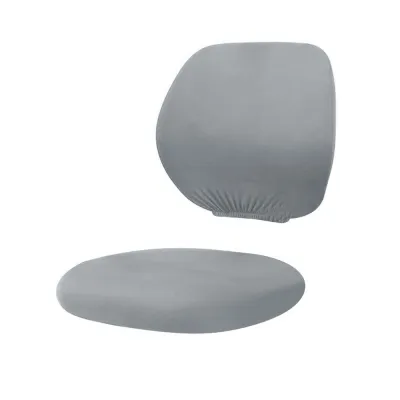
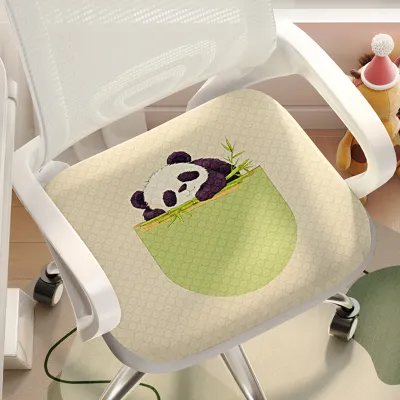
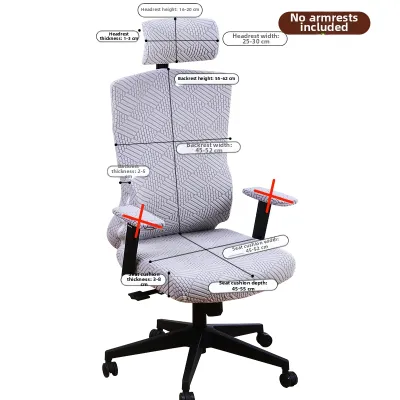
Prices are valid at publication and may change. Please refer to the product page for the latest price.
To identify your exact chair model, start by inspecting the underside of the seat pan. Most reputable manufacturers place a product label, serial number sticker, or manufacturing date stamp on the plastic casing or metal control box beneath the seat. If the label has worn off, refer to your original digital purchase receipts or order confirmation emails. Knowing the precise model name and version is crucial, as manufacturers frequently update design details—such as seat pan curvature or armrest mounting points—across different product generations.
Once you have identified the model, use a standard metal tape measure to record the physical dimensions of the seat pan. Measure the width at the widest point, which is typically near the middle or front of the cushion. Next, measure the depth from the very front edge (the waterfall curve) to the point where the seat meets the backrest. Do not forget to measure the thickness of the seat cushion at its deepest point, as high-density foam cushions require covers with deeper side pockets or greater fabric elasticity to wrap around the edges securely.
Additionally, record the dimensions of the backrest if you plan to purchase a full-chair cover set. Measure the backrest height from the top edge down to the seat pan, the width at both the shoulder and lumbar regions, and the distance between the seat surface and any integrated lumbar support curves. Note any unique structural elements, such as an integrated headrest, external frame supports, or armrests that are bolted directly to the sides of the seat pan, as these features will dictate the type of cover opening you require.
Key Compatibility Factors for Office Chair Seat Covers
A successful fit depends on how well the cover accommodates the moving parts and ergonomic features of your chair. Unlike simple dining chairs, office seating relies on a network of adjustable components that must remain fully functional after the cover is installed.

Armrest clearance is one of the most common compatibility hurdles. Many ergonomic chairs feature 3D or 4D armrests that adjust in height, depth, and angle. If the armrest supports are mounted directly to the sides of the seat pan, a standard slipcover without side openings will wrap over these mounts, preventing any adjustment and putting immense stress on the cover fabric. You must check whether the cover features specialized side slits, zipper openings, or elastic cutouts designed to route around armrest stems.
Headrest and neck pillow attachment points also require careful evaluation. If your chair features an adjustable headrest that slides along a vertical track on the backrest, a full-back cover may block this track or prevent the headrest from locking into place. Look for covers that feature top openings or modular designs where the seat and backrest covers are separate pieces, allowing the headrest mounts to remain completely unobstructed.
The under-seat control area is equally critical. High-quality office chairs feature a complex array of levers, tension knobs, and gas lift paddles directly beneath the seat pan. A cover that drapes too far down or uses loose elastic bands can easily snag on these controls, potentially triggering accidental height adjustments or blocking the tilt lock mechanism. Ensure the cover’s securing straps or elastic hems sit flush against the bottom of the seat pan, well away from any moving mechanical parts.
Finally, consider the ergonomic contour of the seat pan itself. Many premium office chairs feature a contoured surface designed to distribute body weight evenly and support the pelvis. If you apply a highly tensioned, flat stretch cover over a deeply contoured seat, the fabric will bridge across the hollows, creating a flat surface that negates the chair’s ergonomic design. This can lead to increased pressure points on your thighs and lower back, defeating the purpose of your ergonomic investment.
Types of Seat Covers and Their Fit Mechanisms
Understanding the different styles of office chair seat covers and how they secure to the frame will help you select the best option for your specific chair configuration.
Stretchable slipcovers are the most common and widely available option. Typically made from a blend of polyester and spandex, these covers rely on high fabric elasticity to conform to the shape of the seat. They are highly versatile and work well on standard flat or moderately curved foam seats. However, because they rely on tension to stay in place, they may slip or shift on highly contoured plastic frames or mesh seats. In Singapore’s humid environment, it is also important to check the breathability of the stretch fabric, as dense synthetic blends can trap heat and cause discomfort during long working hours.
Zippered enclosures offer a more tailored, semi-custom appearance. These covers feature integrated zippers along the sides or back, allowing you to slide the cover over the seat and zip it closed for a snug fit. Zippered options provide excellent stability and are less likely to shift during daily use. However, they offer very little stretch, meaning your measurements must match the cover’s specified dimensions almost perfectly. Any mismatch can prevent the zipper from closing or put excessive strain on the seams, leading to premature tearing.
Strap-secured cushions and wraps utilize adjustable nylon straps, plastic buckles, or heavy-duty elastic bands that run underneath the seat pan to anchor the cover in place. This design is highly advantageous for chairs with complex under-seat machinery, as it allows you to route the straps selectively around levers and brackets. Strap-secured covers are also highly adjustable, enabling you to tighten or loosen the fit to accommodate different cushion thicknesses.
For highly specialized or premium ergonomic chairs, custom-tailored covers are an alternative worth considering. These are made-to-measure options designed specifically for a single chair model. While they carry a higher price point, they feature precise cutouts for every lever, armrest mount, and frame curve, ensuring that the chair’s original aesthetics and full range of ergonomic adjustments are completely preserved.
How to Verify Fit Before Buying
To avoid the hassle of returns and exchanges, you should perform a thorough compatibility check before finalizing your purchase on any online marketplace.
Begin by carefully analyzing the manufacturer’s size charts. Do not rely solely on general labels like “Medium” or “Large.” Instead, compare your recorded seat pan width, depth, and thickness directly against the minimum and maximum dimensions listed in the product specifications. If your chair’s measurements fall at the absolute limit of a size range, it is generally safer to opt for the larger size or choose a highly stretchable material to prevent the cover from slipping off the corners.
Next, leverage user-generated content on e-commerce platforms and community forums. Search the product reviews, customer photos, and Q&A sections specifically for the brand and model of your chair. Other users in Singapore often share their real-world experiences, noting whether a specific cover fits tightly, bunches up, or interferes with the armrests of popular local chair models. Look for photos of installed covers to assess the actual fabric tension and neatness of the fit.
It is also essential to review the retailer’s return policy before checking out. Verify whether they allow returns for fit and compatibility issues, and check if you will be responsible for return shipping fees or restocking charges. Since seat covers are lightweight, return shipping within Singapore is often straightforward, but confirming these terms beforehand provides peace of mind.
If your specific chair model is not mentioned in the product description or user reviews, do not hesitate to contact the cover manufacturer or seller directly. Provide them with your chair’s exact model name, seat pan dimensions, and armrest mounting style. A reputable seller can confirm compatibility or recommend a specific size or style that matches your chair’s unique profile.
Installation and Adjustment Tips
Proper installation is key to ensuring your new seat cover looks professional, stays secure, and does not interfere with your chair’s mechanical functions.
Start by thoroughly cleaning your chair’s original seat pan to remove any dust, debris, or oils that could cause the cover to slip or trap odors underneath. When placing the cover, carefully align all seams, zippers, and corners with the natural edges and structural lines of the chair. Misaligned seams not only look untidy but also create uneven tension that can cause the cover to shift or wear out prematurely in specific areas.
When securing straps, buckles, or elastic bands under the seat pan, take your time to route them carefully. Ensure that no strap crosses directly over a gas lift lever, tilt tension knob, or seat depth adjustment cable. Pull the straps firm enough to eliminate wrinkles on the seating surface, but avoid over-tightening, which can strain the stitching or distort the shape of the seat cushion.
Immediately after installation, perform a complete mechanical test of your chair. Sit in the chair and operate every adjustment feature: raise and lower the seat, engage the tilt lock, adjust the seat depth, and move the armrests through their full range of motion. If you feel any resistance or hear fabric rubbing against moving metal parts, pause and readjust the cover or route the securing straps differently.
Finally, sit in the chair for a few minutes to allow the fabric to settle, then make any necessary tension adjustments. Regularly checking and smoothing out the cover will prevent the fabric from bunching up, ensuring you continue to receive the full ergonomic support and comfort your home office chair was designed to provide.
Frequently Asked Questions (FAQ)
Can I use a standard dining chair cover on an office chair?
Standard dining chair covers are generally unsuitable for ergonomic office chairs. Dining chairs typically feature simple, flat, and square seats with minimal thickness. In contrast, office chairs have deep, contoured seat pans, thick high-density foam cushions, and integrated armrest mounts. A dining chair cover will lack the depth and elasticity required to wrap around these complex shapes, and it will likely block the under-seat levers, tilt mechanisms, and caster wheels, creating safety and operational hazards.
Will a seat cover void my office chair's warranty?
Using a removable, non-invasive seat cover typically does not void an office chair’s warranty, but you should always review the manufacturer’s warranty terms to be certain. Some warranties may exclude coverage if the installation of an aftermarket accessory causes structural damage, tears the original mesh, or traps excessive moisture that leads to mold or material degradation. To protect your warranty, avoid covers that require permanent modifications, such as drilling or gluing, and ensure the cover is breathable to prevent moisture buildup in Singapore’s humid climate.
How do I clean an office chair seat cover without shrinking it?
To maintain the precise fit of your seat cover, always check the care label for specific washing instructions before cleaning. Most stretchable and fabric covers should be washed in cold water on a gentle cycle using a mild detergent. Avoid using bleach or fabric softeners, which can degrade elastic fibers. To prevent shrinkage, air drying is highly recommended, especially given Singapore’s warm climate. If you must use a dryer, select a low-heat or air-fluff setting to preserve the cover’s elasticity and shape.

Community discussion
Share your experience or ask a question. Comments are reviewed before publication.