
Quick Answer: Evaluating Chair Brands for Daily Work
Finding the right home office chair in Singapore requires balancing your daily sitting hours, physical comfort needs, and budget. The market is generally divided into three distinct tiers: premium ergonomic brands, mid-range specialized brands, and budget flat-pack options. While premium brands focus on highly customizable adjustments and long-term structural warranties, budget options offer basic seating for short-duration tasks. To make an informed decision, you must look beyond marketing claims and verify specific material certifications, weight capacities, and physical dimensions against your home workspace.
Comparing Build Quality Across Brand Tiers
The structural integrity of an office chair determines its lifespan, especially in Singapore’s warm, humid climate which can accelerate the wear of certain materials. When evaluating build quality, start by examining the frame and base materials. Premium chairs typically feature die-cast aluminum or heavy-duty reinforced nylon bases, which provide excellent stability and high load capacities. You should always locate the manufacturer’s weight capacity label, usually found on the underside of the seat pan, to ensure the chair is rated for your body weight.

Upholstery and padding materials are equally critical for long-term durability. In humid environments, traditional polyurethane (PU) leather is highly susceptible to peeling and cracking over time. Mesh upholstery offers superior breathability, but you must check the mesh tension; high-quality elastomeric mesh retains its shape and tension for years, whereas lower-grade mesh can sag within months. If you prefer foam padding, look for high-density, molded foam rather than cut polyurethane foam. Molded foam retains its supportive shape over years of daily use, which you can verify by checking the product care tags and material specifications.
Products mentioned in this guide
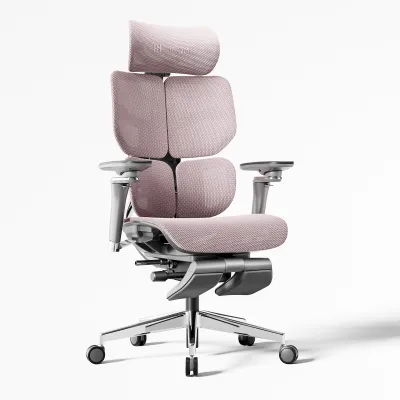
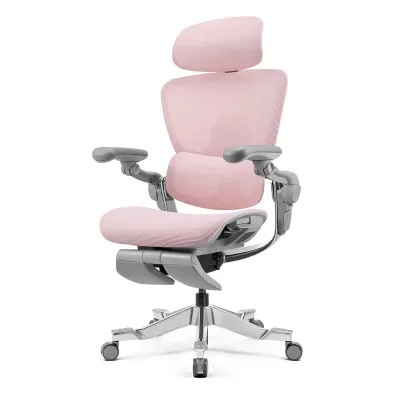
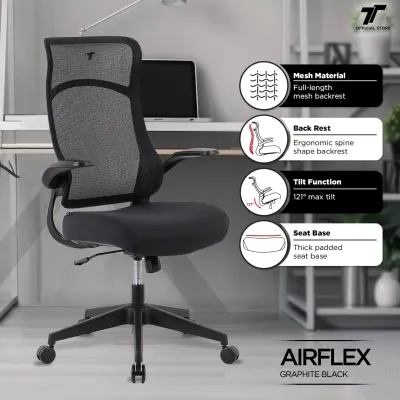
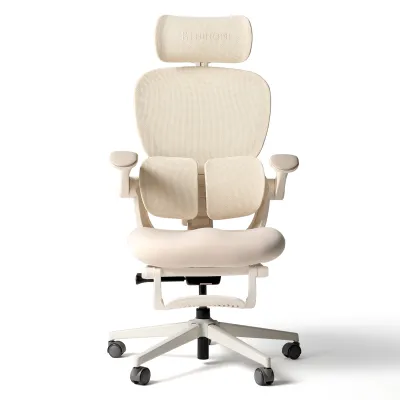
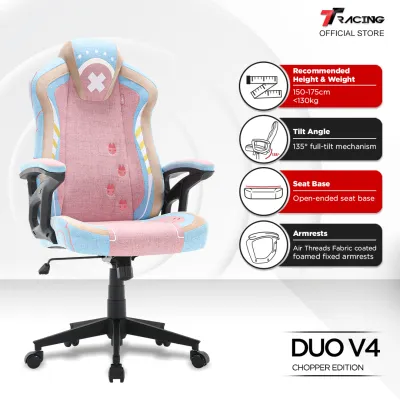
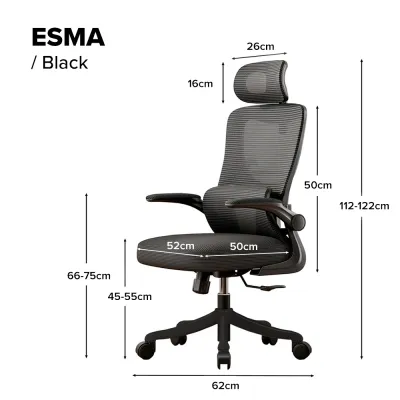
Prices are valid at publication and may change. Please refer to the product page for the latest price.
Warranty coverage is a direct indicator of a manufacturer’s confidence in their product’s build quality. Premium brands often provide extensive warranties covering structural frames, gas lifts, and mechanisms for up to 5 to 12 years, though you must read the fine print to see if upholstery and moving parts are excluded. Mid-range and budget brands typically offer shorter warranties, ranging from 1 to 3 years, or sometimes only cover immediate manufacturing defects.
Finally, pay close attention to the moving parts, specifically the casters and the gas lift cylinder. The gas lift is the heart of the chair’s height adjustment and safety; look for components that carry industry safety certifications, such as TÜV or SGS testing marks, printed directly on the metal cylinder. High-quality casters should glide smoothly without excessive play, and their housing should be robust enough to withstand constant pivoting under load.
Evaluating Comfort and Ergonomic Adjustability
Ergonomic adjustability is the key to maintaining a healthy posture and preventing chronic discomfort during long working hours. Lumbar support is the most critical element of this adjustability. Basic chairs often feature fixed lumbar curves that may not align with your spine, whereas advanced models offer adjustable lumbar support where you can alter both the height and the depth of the support pad. When testing a chair, ensure the lumbar support sits comfortably in the natural curve of your lower back, just above your belt line.
Armrest adjustability is another major factor in reducing strain on your neck and shoulders. Look for armrests that offer multi-directional adjustments, often referred to as 2D, 3D, or 4D armrests. These allow you to adjust the height, angle, width, and forward-backward position of the arm pads. Properly adjusted armrests should allow your shoulders to remain relaxed while your elbows rest at a 90-degree angle, level with your desk surface.
Seat depth adjustment and recline tension controls are essential for accommodating different body proportions and working styles. A seat slide mechanism allows you to adjust the depth of the seat pan; there should be a gap of about two to three fingers between the front edge of the seat and the back of your knees to prevent restricted blood circulation. Recline tension controls allow you to adjust how much resistance the chair offers when you lean back, ensuring you do not feel like you are falling backward or struggling to tilt.
Before purchasing, you must verify the chair’s minimum and maximum seat height against your specific desk height. Measure from the floor to the top of your desk, and ensure the chair’s height range allows your feet to rest flat on the floor while your forearms rest comfortably on the desk. If your desk is fixed and relatively high, you may need a footrest to maintain proper ergonomic alignment.
Decision Framework: Choosing the Right Brand Category
To simplify your search, categorize your options based on your daily usage habits, budget, and physical requirements. This framework helps align your expectations with the appropriate brand tier.
- Premium Ergonomic Brands (S$800 and above): Choose this category if you work from home for 8 or more hours daily and require highly customizable support to prevent fatigue. These brands invest heavily in ergonomic research, offer extensive warranties, and use high-grade materials like polished aluminum and premium elastomeric mesh. They are a long-term investment in your physical health.
- Mid-Range Specialized Brands (S$300 to S$700): This tier is ideal if you balance moderate daily use (4 to 6 hours) with specific aesthetic preferences or functional needs. These chairs often offer a good balance of adjustable features, such as 3D armrests and adjustable lumbar support, paired with durable nylon frames and reliable mesh or fabric upholstery.
- Budget Flat-Pack Brands (Under S$300): Select these options if your daily usage is light (under 4 hours), your home office setup is temporary, or budget constraints are your primary concern. While these chairs provide basic seating, they often lack advanced adjustability and may require more frequent replacement due to faster material wear.
- Special Considerations: If you have pre-existing medical conditions, chronic back pain, or specific postural requirements, do not rely solely on brand categories. It is highly recommended to seek a professional ergonomic consultation or physical therapy assessment before making a purchase, as specialized orthopedic seating may be required.
Pre-Purchase Verification and Space Planning
Even the most advanced ergonomic chair will fail to deliver comfort if it does not fit your physical environment. Before placing an order, measure your available floor space and desk clearance. Ensure there is enough room behind your desk for the chair to recline and swivel without hitting walls or other furniture. In Singapore’s compact residential layouts, such as HDB flats and condominiums, it is also crucial to measure door frames, hallway widths, and elevator dimensions to ensure the delivery package can easily reach your room.
Floor compatibility is another practical consideration that is often overlooked. Standard hard nylon casters can scratch parquet, vinyl, or laminate flooring over time. If you have hard floors, look for chairs equipped with soft polyurethane (PU) casters, or plan to purchase a protective floor mat. Conversely, if your workspace is carpeted, standard hard casters are preferred to ensure smooth movement.
Finally, review the assembly requirements and local customer support policies. Many budget and mid-range chairs are delivered flat-packed, requiring self-assembly. Check if the necessary tools are included in the package or if the retailer offers professional assembly services, which may be complimentary or require a small fee. Additionally, verify the retailer’s return policy and the accessibility of their local customer service center in Singapore, as resolving warranty claims or exchanging parts is significantly easier when the brand has a dedicated local presence.
Community discussion
Share your experience or ask a question. Comments are reviewed before publication.