
A round rattan coffee table brings natural warmth, organic texture, and a softer silhouette to a living room. Because rattan is highly versatile, its final look depends heavily on the weave pattern, color finish, and overall design silhouette. Choosing the right style requires looking beyond the material itself to see how its specific design language interacts with your existing furniture, color palette, and layout. By matching the table’s design characteristics to your home’s dominant aesthetic, you can create a cohesive, intentional space rather than a mismatched collection of items.
Identify Your Living Room's Dominant Aesthetic
Before selecting a round rattan table, evaluate your current living room setup to establish a clear design baseline. Audit your existing color palette and dominant materials. If your room features sleek metal legs, polished marble, or high-gloss surfaces, a raw, unpolished rattan table might create too harsh of a contrast. Conversely, if your space is filled with soft linen upholstery, matte timber, and warm earth tones, a natural rattan weave will integrate seamlessly. Pay attention to the visual weight of your current furniture; bulky, fully upholstered sofas require a coffee table that can hold its own visually, whereas low-profile, leggy seating pairs beautifully with lighter, more open weaves.
Next, evaluate whether your room leans toward clean, uncluttered lines or layered, eclectic textures. Minimalist spaces benefit from rattan tables with structured, geometric frames and simple, uniform weaves that do not distract the eye. Eclectic or highly decorated rooms can handle more intricate, freeform wicker patterns and mixed-material accents that contribute to a curated, collected feel.
Products mentioned in this guide
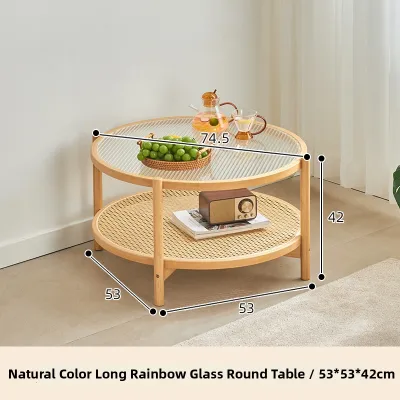

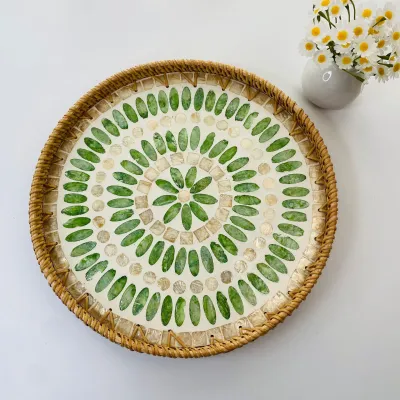
Prices are valid at publication and may change. Please refer to the product page for the latest price.
Do not overlook the impact of natural lighting in your living room. Sunlight significantly alters how we perceive the warmth and color of rattan. In bright, sun-drenched rooms, light or bleached rattan can look airy and fresh, while darker, stained rattan tones can ground a space that might otherwise feel washed out. In rooms with limited natural light, a warm, golden-toned rattan table can introduce a much-needed sense of organic warmth, provided it is positioned to catch what light is available without casting heavy, dark shadows across the floor.
Matching Minimalist Spaces: Japandi vs. Scandinavian Rattan
For homes that embrace simplicity and clean lines, a round rattan table must be chosen with precision to maintain a sense of calm. Minimalist design generally splits into two movements that utilize rattan in distinct ways: Japandi and Scandinavian. Understanding these differences will help you select a table that reinforces, rather than disrupts, your room’s quiet atmosphere.

Japandi style merges Japanese minimalism with Scandinavian warmth, resulting in spaces that feel deeply grounded and serene. A round rattan table suited for a Japandi living room typically features darker, charcoal, or warm-stained finishes. The silhouettes are low-profile, sitting closer to the floor to emphasize a horizontal plane. Look for structured asymmetry or solid, drum-like bases where the rattan is tightly woven to create a clean, architectural form. This style pairs exceptionally well with dark oak, matte black accents, and textured plaster walls.
Scandinavian style prioritizes brightness, utility, and an airy visual weight. A Scandinavian-aligned round rattan table usually showcases light, natural, or bleached tones that maximize light reflection. The shapes are highly functional, often featuring open, spindled, or bentwood frames that allow you to see through the piece, keeping the floor area looking spacious. These tables often incorporate practical elements, such as a removable tray top or a lower shelf. If your living room features light ash furniture, pale gray textiles, and a bright, neutral color scheme, a light-toned, open-weave table will preserve that breezy feel.
To decide between the two, check if your existing pieces align more with warm, earthy minimalism or crisp, bright utility. A low-slung, textured boucle sofa in warm beige pairs beautifully with a Japandi-style table. Conversely, clean-lined, elevated sofas with light wood legs match the lightweight structure of a Scandinavian table.
Matching Layered Spaces: Tropical vs. Bohemian Rattan
If your living room is characterized by rich textures, vibrant patterns, or a strong connection to nature, your round rattan coffee table can be a more expressive, highly textured centerpiece. Layered spaces typically lean toward either a structured tropical aesthetic or a relaxed, freeform bohemian vibe. Both styles celebrate rattan, but they apply it to achieve very different moods.
Tropical style evokes the lush, breezy feel of a coastal retreat. A tropical-style round rattan table often features bold, open weaves, thick-pole frames, and natural, unpolished finishes that highlight raw, organic imperfections. These tables look substantial and pair naturally with large-scale indoor greenery, such as fiddle-leaf figs or monstera plants. The design language is structured yet organic, often incorporating glass tops to protect the weave while keeping the intricate under-structure visible. If your room features rich green tones, dark wood accents, and brass hardware, a bold tropical table will anchor the space beautifully.
Bohemian style embraces a relaxed, eclectic, and freeform layout. A bohemian round rattan table is characterized by intricate wicker patterns, sunburst motifs, swirling bentwood details, and mixed-material accents like inlaid bone or colorful tiles. The visual weight is highly textured, and the shapes can range from hourglass silhouettes to tiered baskets. This style thrives on a sense of history and personal curation, making it perfect for rooms filled with layered vintage rugs, mismatched textiles, and global decor.
When introducing a highly textured table, evaluate your room’s current texture density. An intricate bohemian table can cause visual clutter if placed on a busy, high-contrast patterned rug. To ensure the table adds interest without overwhelming the senses, pair a highly detailed weave with a solid-colored, textured rug, or choose a simpler, open-loop tropical frame if your surrounding textiles are already highly patterned.
Practical Fit: Space, Proportions, and Rattan Care
While finding the right aesthetic style is essential, a round rattan coffee table must also function practically within your daily layout. Before making a final decision, take precise measurements of your living room to ensure the table fits comfortably without obstructing movement.
Start by measuring the available floor space. A round table is excellent for traffic flow because it lacks sharp corners, but it still requires adequate clearance. Verify that you have a walking clearance of at least 30 to 45 centimeters between the edge of the table and your sofa or surrounding armchairs. This ensures you can move freely through the room without bumping into furniture.
Next, compare the table’s height against your current sofa seat height. For the most comfortable reach and a balanced look, the top of your round rattan table should sit level with, or slightly lower than, your sofa cushions—typically within 5 centimeters of the seat height. A table that is too tall will look awkward, while one that is too low can be uncomfortable to use.
Finally, review the manufacturer’s care labels to ensure the table’s maintenance needs align with your home environment. Rattan is a natural, fibrous material sensitive to extreme moisture and dry heat. Dust the table regularly using a soft-bristled brush or a dry microfiber cloth to prevent dust from settling into the weave. If you live in a highly humid climate, ensure your living room has adequate ventilation to prevent moisture buildup. Conversely, avoid placing the table directly in front of air conditioning vents, as localized dry air can cause the fibers to become brittle over time.
Frequently Asked Questions (FAQ)
Can I mix a round rattan table with non-rattan furniture?
Yes, mixing rattan with other materials is an excellent way to prevent your living room from looking like a single-themed showroom. To create visual cohesion, identify shared design elements between your rattan table and your existing furniture, such as matching the warm undertones of the rattan to the wood grain of your bookshelves, or aligning the table’s leg shape with the curves of your armchairs. You can also use textiles, neutral rugs, or decorative ceramic trays on top of the table to bridge the gap between the organic rattan weave and more modern materials like glass, metal, or polished stone.
How do I prevent a round rattan table from looking out of place?
To anchor a round rattan table within your existing decor, add complementary surface items that tie the table’s top to the room’s broader color palette. Placing a couple of books with spines that match your accent cushions, or a simple ceramic vase that echoes your wall color, will instantly make the table feel integrated. Additionally, adjust your surrounding lighting to highlight the rattan’s rich texture; soft, warm light from a nearby floor lamp can accentuate the depth of the weave without casting harsh, disjointed shadows that disrupt the room’s visual flow.

Community discussion
Share your experience or ask a question. Comments are reviewed before publication.