
How to Choose the Right Tea Table Set for Your Space
A well-chosen tea table set does more than hold your evening cup of tea; it serves as the visual anchor of your living room. In Singapore, where residential layouts range from cozy Build-To-Order (BTO) Housing & Development Board (HDB) flats to spacious private condominiums, finding the right balance between style and spatial efficiency is essential. The ideal set harmonizes with your interior theme while leaving enough physical clearance for comfortable daily movement.
The central coffee table, often paired with matching side or nesting tables, plays a vital role in defining the functional boundaries of your living zone. It bridges the gap between your seating and media units, establishing a clear sense of order. When selecting a set, you must evaluate several practical dimensions alongside visual appeal.
Proportion is the first critical factor. A table that is too large will choke your walkways, while a table that is too small will look disconnected and prove difficult to reach from the sofa. You must also consider your household’s daily habits. If you frequently enjoy meals, work on a laptop, or host gatherings in the living room, your structural and material needs will differ significantly from someone who uses the table purely for displaying decorative items.
Products mentioned in this guide
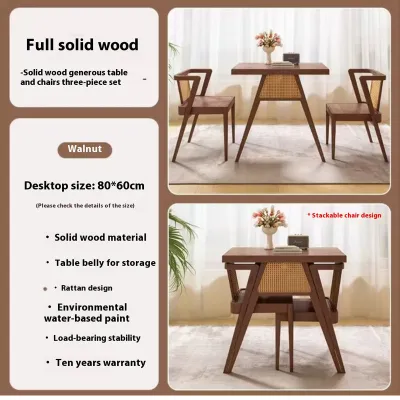
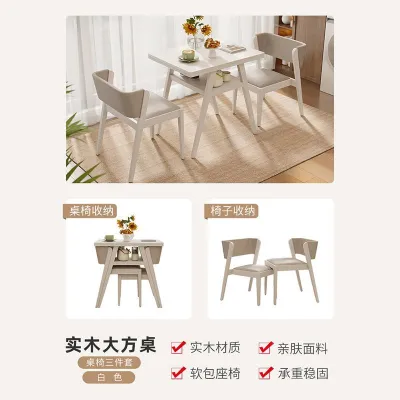
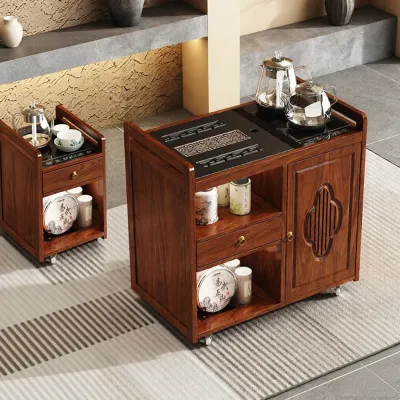
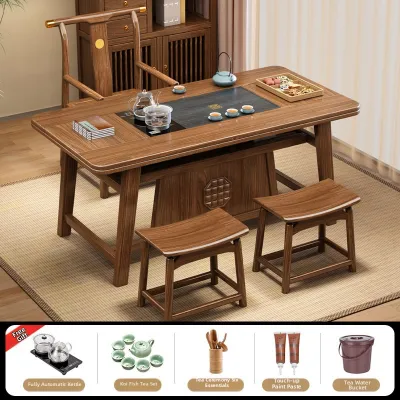
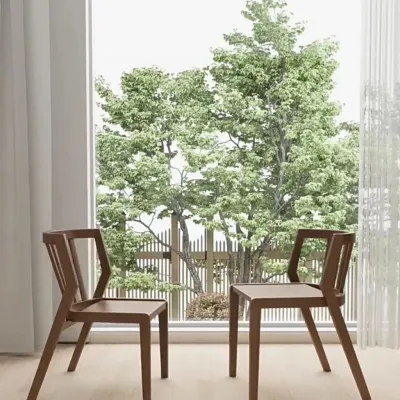
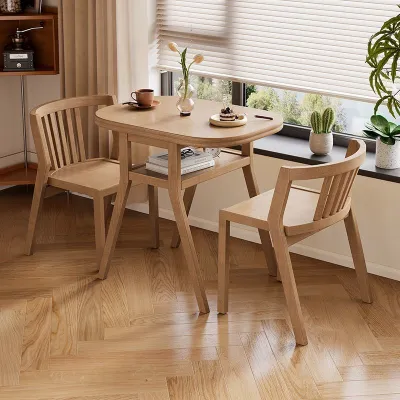
Prices are valid at publication and may change. Please refer to the product page for the latest price.
To help streamline your selection, consider how different table shapes complement specific sofa configurations. Rectangular and oval tables are highly compatible with standard three-seater sofas because they mirror the long, linear profile of the seating. Round and square tables, on the other hand, fit naturally into the open nook of an L-shaped sectional, providing equal access to everyone seated.
Before committing to any design, measuring your physical space is non-negotiable. Beyond the floor area of your living room, you must verify the clearance of your home’s entry points. In Singapore, older HDB lifts, narrow corridors, and standard apartment doorway frames can present unexpected delivery challenges. Ensuring that the packaged dimensions of your chosen tea table set can safely pass through these tight spaces will prevent stressful delivery-day complications.
Scandinavian Tea Table Sets: Bright, Airy, and Space-Saving
For homeowners aiming to maximize light and create an open, welcoming atmosphere, Scandinavian-style tea table sets offer an excellent solution. This design philosophy focuses on simplicity, utility, and a deep connection to natural elements, making it highly effective for modern urban living.

Defining Features and Materials
Scandinavian tea table sets are characterized by their use of light-toned woods such as oak, ash, or birch. These materials are often left in their natural state or finished with a clear, matte protective coat to showcase the organic grain patterns. White, cream, or soft pastel accents are frequently integrated to enhance the bright, clean aesthetic.
Functionality is a cornerstone of this style, often realized through space-saving nesting tables. These sets consist of two or three tables of graduating sizes that slide neatly under one another when not in use, allowing you to expand your surface area instantly when hosting guests. Rounded edges and slender, tapered legs are also common, contributing to an overall sense of weightlessness and uncluttered simplicity.
Ideal Layouts and Spatial Limitations
This style is exceptionally well-suited for compact HDB living rooms and BTO flats. The combination of light wood tones and slender, elevated legs allows more floor space to remain visible, which visually expands the room and prevents the seating area from feeling cramped.
However, there are practical limitations to consider. Light, porous woods can show stains, water rings, or heat marks relatively easily if the surface is not properly sealed. To maintain the pristine look of a Scandinavian set, you should check the manufacturer’s care instructions regarding surface treatments and always use protective coasters under cups and mugs.
Industrial Tea Table Sets: Raw Textures for Urban Lofts
If your aesthetic leans toward the bold, rugged, and contemporary, an industrial-style tea table set can introduce an edgy, urban character to your living room. This style celebrates raw materials and structural honesty, making a strong visual statement.
Defining Features and Materials
Industrial tea table sets typically combine blackened or matte metal frames with heavy, textured surfaces. Reclaimed or distressed wood tops are common, featuring prominent knots, grain variations, and natural imperfections that tell a story. Concrete-look surfaces or thick tempered glass are also popular choices for adding tactile contrast.
Design details often include exposed hardware, such as visible rivets, metal brackets, and functional casters (wheels) that allow the table to be rolled easily out of the way. The construction is robust and heavy-duty, emphasizing durability and a utilitarian aesthetic that contrasts beautifully with softer living room textiles.
Ideal Layouts and Spatial Limitations
Industrial sets work best in open-plan condominiums, larger HDB layouts, or homes featuring dark, moody, or loft-inspired interior themes. The strong lines and dark tones of these tables help ground large spaces, creating a clear focal point amid expansive seating arrangements.
On the downside, the significant visual weight of dark metals and heavy woods can easily overwhelm a small room, making it feel dark and confined. Additionally, the sharp metal corners and heavy, solid components can pose safety hazards in households with toddlers, active pets, or elderly family members who might bump into them.
Minimalist and Modern Tea Table Sets: Sleek and Functional
Minimalist and modern tea table sets are designed for those who appreciate clean geometric forms, hidden utility, and a completely clutter-free living environment. This style prioritizes sleek integration and high-performance materials.
Defining Features and Materials
These sets often feature clever, handle-less hidden storage compartments, seamless push-to-open drawers, or lift-top mechanisms that rise to a comfortable working height. By concealing everyday items like remote controls, chargers, and magazines, these tables help maintain a tidy surface.
Common materials include high-gloss or matte laminates, tempered glass, polished acrylic, and engineered wood finished with premium veneers. The design language focuses on strict geometric shapes—such as perfect squares, rectangles, or cylinders—with an absolute absence of ornate detailing or decorative carving.
Ideal Layouts and Spatial Limitations
This style is highly effective in small to medium living rooms where maintaining visual order is essential. The ability to tuck clutter away into integrated storage compartments makes it easier to keep a compact space looking organized and spacious.
However, high-gloss, glass, and acrylic surfaces require frequent maintenance because they readily show fingerprints, dust, and smudges under direct light. Furthermore, mechanical features like lift-top hinges and push-to-open drawer runners require careful handling and periodic checks to ensure the hardware remains aligned and functions smoothly over time.
Japandi and Wabi-Sabi Tea Table Sets: Organic and Grounded
For a home focused on tranquility, mindfulness, and natural textures, Japandi and Wabi-Sabi tea table sets offer a grounded, organic aesthetic. These styles merge the rustic simplicity of traditional Japanese design with the functional warmth of Scandinavian interiors.
Defining Features and Materials
Japandi and Wabi-Sabi sets are defined by their low-profile heights and rich, textured materials. You will often find tables crafted from raw, minimally processed woods, natural stone like travertine or slate, and woven rattan accents. The color palette is strictly organic, relying on warm beiges, soft greys, charcoal, and muted earth tones.
Rather than striving for geometric perfection, these designs celebrate organic imperfections, asymmetrical shapes, and visible craftsmanship. The tables sit close to the floor, creating a low visual center of gravity that fosters a relaxed, intimate atmosphere in the seating area.
Ideal Layouts and Spatial Limitations
These low-profile sets are perfect for creating a serene environment in ground-level apartments, garden-facing units, or spacious condominiums. By keeping the furniture low to the ground, you maximize the vertical space, which makes the ceilings feel significantly higher.
However, the exceptionally low height of these tables can present ergonomic challenges. They may be uncomfortable or difficult to use for elderly family members or individuals with joint and mobility issues. Additionally, if you frequently enjoy casual meals or work while sitting on the sofa, a low-profile table will require you to bend forward awkwardly, potentially causing physical strain.
Mid-Century Modern Tea Table Sets: Retro Warmth and Tapered Legs
Mid-Century Modern (MCM) tea table sets introduce vintage warmth, organic curves, and nostalgic character to a home without sacrificing contemporary functionality. This style remains highly popular for its timeless appeal and structural elegance.
Defining Features and Materials
Signature elements of MCM design include gently tapered wooden legs that angle outward, rich walnut or teak finishes, and distinctive retro geometric shapes. Kidney bean, surfboard, and boomerang shapes are common, offering a refreshing departure from standard rectangular designs.
Many MCM sets pair solid wooden bases with tempered glass tops, creating a beautiful contrast while keeping the design visually light. Subtle brass or copper caps on the legs add a touch of refined hardware detail, balancing the warmth of the wood with a hint of metallic luster.
Ideal Layouts and Spatial Limitations
This style is incredibly versatile, fitting seamlessly into both HDB flats and private condos. Because MCM tables are elevated on slender, angled legs, they allow light to pass underneath, making the floor area appear larger and facilitating easy cleaning—including the unobstructed passage of robotic vacuum cleaners.
On the other hand, authentic solid wood pieces can be quite heavy and are sensitive to environmental conditions. To prevent the wood from fading, cracking, or warping, you must protect these tables from prolonged exposure to direct sunlight and avoid placing them directly under the cold draft of an air-conditioning unit.
Sizing and Layout Guide for Singapore HDBs and Condos
Selecting the right style is only half the battle; ensuring the tea table set fits your actual floor plan is crucial for maintaining a comfortable, functional home. In Singapore’s typical residential layouts, every centimeter counts.
To ensure comfortable legroom and easy access to items on the table, aim for a clearance of 40 to 45 cm between the edge of your sofa seat and the tea table. For major walkways and traffic paths around the seating area, maintain a clearance of 60 to 80 cm. This ensures that family members can walk through the living room without having to squeeze past furniture or bump their knees.
As a general rule of scale, the length of your main tea table should be approximately two-thirds the length of your sofa’s seating cushion area. This proportion ensures the table looks balanced and is easily reachable from all seats.
| Sofa Type | Recommended Table Shape | Configuration Option | Best Spatial Scenario |
|---|---|---|---|
| Standard 3-Seater | Rectangular or Oval | Single Large Table | Long, narrow HDB living rooms |
| L-Shaped Sectional | Round or Square | Nesting Set | Compact BTO layouts with tight corners |
| Modular Sofa | Square or Round | Multi-piece Cluster | Large, open-plan private condominiums |
| Compact 2-Seater | Round or Nesting | Nesting Set | Studio apartments and cozy study nooks |
When finalizing your layout, do not forget to account for other physical movements in the room. Check the swing radius of nearby balcony doors, the clearance of adjacent dining chairs when pulled out, and even the airflow path of ceiling fans, which can blow lightweight decorative items off your table if positioned directly underneath.
Material Care and Climate Considerations
Singapore’s tropical climate—characterized by high ambient humidity and rapid temperature shifts from air-conditioning—poses unique challenges for furniture maintenance. Wood, stone, and metal can all react to these environmental factors over time.
Solid wood and natural stone are particularly sensitive to moisture fluctuations. When you switch your air-conditioning on and off, the sudden transition from cool, dry air to warm, humid air can cause natural materials to expand and contract. Over time, this movement can lead to fine hairline cracks in stone or warping in unseasoned wood. Before purchasing a solid wood piece, check the manufacturer’s specifications regarding humidity tolerance and finish stability.
To protect your investment, establish consistent maintenance habits. Always use coasters with protective backings for both hot mugs and ice-cold drinks to prevent condensation from pooling on the surface. Avoid placing your tea table set in areas that receive intense, direct afternoon sunlight, as UV rays can fade wood finishes and cause protective sealants to degrade prematurely.
Finally, remember that marketing terms like “water-resistant” or “scratch-resistant” are highly dependent on the specific factory finishes applied to the product. Rather than assuming a material is indestructible based on its name alone, always verify the care instructions and warranty details on the product label or specification sheet to ensure you use the correct, non-abrasive cleaning products.
Frequently Asked Questions (FAQ)
Can I mix different chair styles with my tea table set?
Yes, mixing different chair styles with your tea table set can create a curated, character-filled look. To ensure the arrangement remains cohesive, establish a unifying element across the pieces, such as matching wood species, a shared color palette, or consistent leg profiles. You should also verify that the visual weight of the chairs does not completely overpower the scale of your tea table set.
What is the ideal height for a tea table relative to the sofa?
As a standard ergonomic rule, the top surface of your tea table should be level with or slightly lower than your sofa’s seat cushions, typically measuring between 40 and 45 cm from the floor. A table that sits higher than your sofa cushions can look visually awkward and obstruct your line of sight, while a table that is significantly lower can cause physical strain when you bend down to reach for items.
Community discussion
Share your experience or ask a question. Comments are reviewed before publication.