
Selecting a marble coffee table is more than just choosing a beautiful piece of natural stone; it is about finding a balance between the organic patterns of the earth and the existing design language of your home. In Singapore, where living spaces range from cozy apartments to expansive condominiums, the right coffee table serves as an anchor for the entire seating area. By matching the stone’s veining, color, and base material to your specific interior style, you can transform a functional surface into a striking design statement.
Assessing Your Current Living Room Aesthetic
Before browsing showrooms or online catalogs, take a step back to evaluate the dominant design elements already established in your living room. Look closely at the primary color palette, the textures of your upholstery, and the structural lines of your larger furniture pieces. If your space features clean, straight-lined sofas and neutral tones, it leans toward modern minimalism. Conversely, a room filled with warm wood grains, soft textiles, and organic shapes suggests a Scandinavian or rustic influence.
Lighting plays a critical role in how a marble coffee table will look in your home. Singapore apartments often experience varying levels of natural light depending on window orientation and surrounding buildings. Observe how daylight and your evening artificial lighting interact with the surfaces in your room. A highly polished marble top will reflect light, brightening a dimmer room but potentially creating glare under direct spotlights. A honed or matte finish absorbs light, offering a softer, more understated presence that highlights the stone’s natural texture.
Products mentioned in this guide

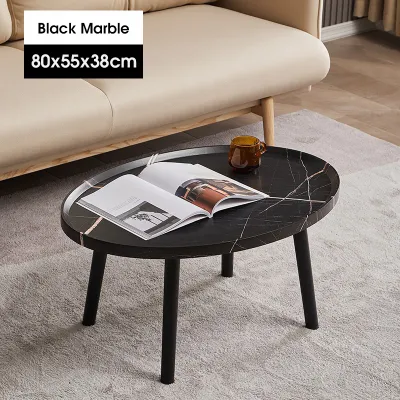
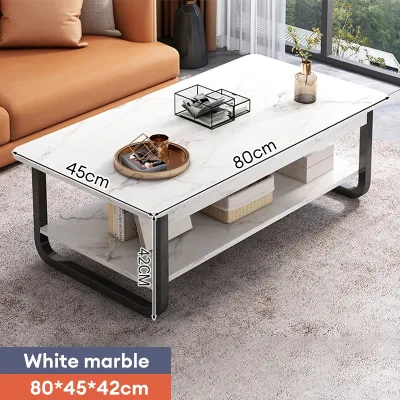
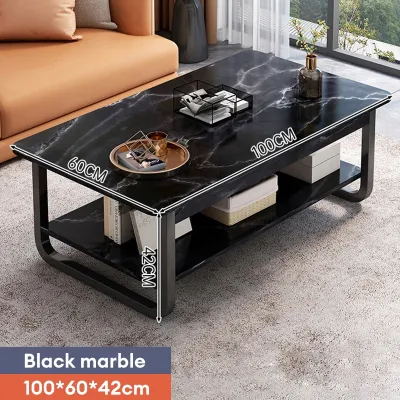

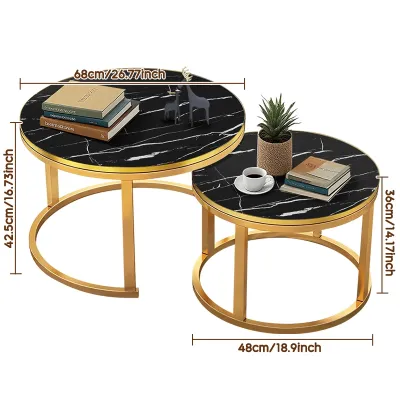
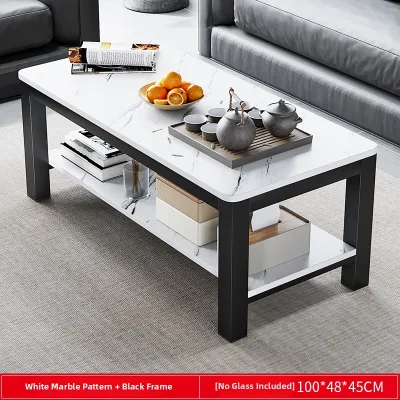

Prices are valid at publication and may change. Please refer to the product page for the latest price.
It is also essential to determine whether you want to maintain a strictly cohesive design theme or create a curated, mixed-style space. If your living room already has a clear, singular aesthetic, your new table should seamlessly reinforce those existing design choices. However, if your home features an eclectic mix of styles, the coffee table can act as a unifying bridge. Identifying this design goal early helps you decide whether to look for a subtle, blending piece or a bold, contrasting focal point.
Matching Marble Coffee Table Styles to Your Decor
Finding the perfect marble coffee table requires looking beyond the stone surface to examine how the veining, color, and base materials align with your interior theme. Different design movements call for distinct treatments of these natural elements to create a harmonious visual flow.

Modern Minimalist
In a modern minimalist living room, the goal is to maintain visual calm and uncluttered lines. When selecting a marble coffee table for this aesthetic, prioritize stones with subtle, quiet veining and neutral background tones, such as classic white, soft grey, or muted beige. Busy, high-contrast patterns can disrupt the clean simplicity of a minimalist space, making the room feel crowded even if it is physically tidy.
The base of the table should echo this simplicity. Look for sleek metal frames, slim glass supports, or simple geometric wood bases that emphasize form and function. Thin black powder-coated steel or brushed stainless steel legs work exceptionally well to keep the visual footprint light.
Avoid tables with ornate edge profiles, heavy decorative carvings, or complex multi-tiered structures. A simple flat-polished or eased edge on the marble slab ensures the focus remains on the pure geometry of the piece. This clean execution allows the natural beauty of the stone to speak softly without overwhelming the surrounding decor.
Industrial
Industrial interiors celebrate raw, utilitarian textures and exposed structural elements. To integrate a marble coffee table into this rugged aesthetic, look for designs that contrast the refined elegance of natural stone with rougher, tactile base materials. Pairing a polished or honed marble top with a matte black iron frame, distressed timber, or bases featuring exposed hardware creates an appealing tension between luxury and grit.
For the stone itself, consider darker marble variants, such as deep charcoal, rich brown, or black marble with striking white veins. Alternatively, white stones with heavy, dramatic, and jagged veining can mimic the raw patterns found in concrete or weathered plaster. These bolder choices stand up well against the strong visual weight of brick walls, concrete floors, or metal piping.
To keep the space from feeling too cold or sterile, use the surrounding furniture to balance the materials. Position the marble table near a warm leather sofa, a plush textured rug, or reclaimed wood shelving. This combination ensures your industrial living room feels inviting and lived-in while maintaining its characteristic edge.
Luxury and Glamour
For living rooms designed around opulence, high contrast, and rich textures, a marble coffee table is an ideal centerpiece. In a luxury or glamorous setting, you can opt for bold, dramatic veining or rare stone colors like forest green, deep burgundy, or dramatic black-and-gold marble. These expressive stones naturally draw the eye and serve as a sophisticated focal point for the entire seating arrangement.
To elevate the sense of glamour, pair the marble top with high-quality metal bases. Polished brass, warm gold, reflective chrome, or even sculptural acrylic bases reflect light beautifully and add a sense of grandeur. The design of the base can be more artistic or architectural, featuring curved lines, geometric lattices, or solid plinth designs.
When styling a luxury space, pay close attention to the proportional weight and scale of the table. A grand, high-ceilinged room or a large sectional sofa requires a substantial marble piece to command attention. Ensure the table’s dimensions and visual weight match the scale of your other premium furnishings so it does not get lost in the room’s splendor.
Scandinavian
Scandinavian design centers on light, cozy, and highly functional spaces that bring natural elements indoors. To match this Nordic aesthetic, choose light-colored marble tops, such as Carrara or other soft white and light grey varieties, featuring minimal, gentle veining. Keeping the stone palette bright helps maximize the reflection of light, contributing to the airy feel characteristic of Scandinavian homes.
Combine the cool stone top with warm, light-toned wood bases made of oak, ash, or beech. A table featuring tapered wooden legs or a light timber frame softens the coldness of the marble, creating a balanced, organic look. Matte white metal bases also work well to maintain a clean, monochromatic appearance.
The overall silhouette of the coffee table should feel light and functional. Look for round or oval shapes that encourage easy movement around the seating area, or nested tables that offer flexible surface space. Avoid heavy, solid block designs that can make a bright, breezy Scandinavian living room feel visually weighed down.
Practical Checks for Space, Scale, and Daily Use
Once you have identified the style that matches your aesthetic, you must verify that the physical table fits your practical lifestyle and home layout. In Singapore, where apartment layouts require smart space planning, measuring your living room accurately is the most critical step. Start by checking the clearance around the table; you generally need at least 30 to 45 centimeters of space between the coffee table and the sofa to allow for comfortable legroom and easy passage.
The height of the coffee table should also align with your seating. Ideally, the top of the marble table should sit at the same height as your sofa cushions, or up to 5 centimeters lower. A table that is too high or too low disrupts both the visual balance of the room and the physical comfort of reaching for a drink or a book.
Because genuine marble is exceptionally heavy, you must consider the logistics of delivery and placement. Before finalizing your purchase, measure your apartment’s doorway, hallway, and lift dimensions to ensure the delivery team can safely transport the table to your unit. Additionally, check the physical weight of the stone top and confirm its suitability for your flooring. While standard residential floors easily support the weight of a marble table, very large, solid marble plinth tables require careful handling to avoid scratching delicate floor finishes like polished parquet or vinyl during installation.
Finally, review the manufacturer’s care and maintenance instructions before committing to a specific finish. Marble is a porous natural stone that is susceptible to etching from acidic liquids and staining from dark spills like coffee or red wine. Check whether the table comes pre-sealed and ask about the recommended resealing schedule to keep the surface protected. Understanding these daily cleaning requirements ensures your marble coffee table remains a beautiful centerpiece for years to come.
Frequently Asked Questions (FAQ)
Can I mix a marble coffee table with other natural stones in the same room?
Yes, you can mix different natural stones, provided you maintain a sense of visual harmony. To do this successfully, look for underlying color tones that connect the different materials, such as pairing a grey-veined white marble table with a slate fireplace surround or granite side tables that share a similar cool undertone. It is also helpful to vary the scale of the patterns; if your coffee table features bold, dramatic veining, keep other stone surfaces in the room more uniform or matte. Limiting the number of competing statement pieces ensures your living room remains cohesive rather than chaotic.
How do I know if a marble table is too heavy for my space?
A marble table can be heavy both physically and visually. Visually, a solid block or plinth marble table can overwhelm a small living room; if your space is limited, opt for a table with a slender, open metal frame or a glass-supported base to keep the room feeling spacious. Physically, while standard Singapore residential floors are engineered to support typical household furniture weights, extremely large or solid stone pieces can be difficult to rearrange. If you enjoy frequently changing your room layout, or if you are concerned about navigating tight apartment corridors, consider modular designs, nested tables, or marble-topped options with lighter, detachable bases.

Community discussion
Share your experience or ask a question. Comments are reviewed before publication.