
Integrating a magazine rack stand into a modular shelving system is an excellent way to maximize vertical space in compact Singapore apartments, such as HDB flats and condominiums. By combining these two storage elements, you can keep your reading materials organized, display beautiful covers, and free up valuable floor space. Achieving a seamless integration requires careful planning, precise measurements, and an understanding of your existing shelving’s structural limits. This guide walks you through the process of assessing your space, choosing compatible components, and installing them safely to create a functional, space-saving display.
Assessing Your Modular Shelving and Available Space
Before purchasing a magazine rack stand, you must evaluate your current modular shelving setup and the physical constraints of your room. Start by measuring the exact dimensions of your existing shelves. Note the depth, width, and height clearances of the individual compartments where you intend to place or attach the rack. A rack that overhangs the shelf edge can easily be bumped, creating a safety hazard in high-traffic areas like narrow hallways or living room walkways.
Next, consider the floor space surrounding your shelving unit. In compact HDB layouts, every centimeter counts. Ensure that adding a freestanding or projecting rack does not obstruct walkways, block natural light, or interfere with the swing of doors and built-in cabinets. You should maintain a clear path of at least 90 centimeters in main thoroughfares to allow comfortable movement.
Products mentioned in this guide
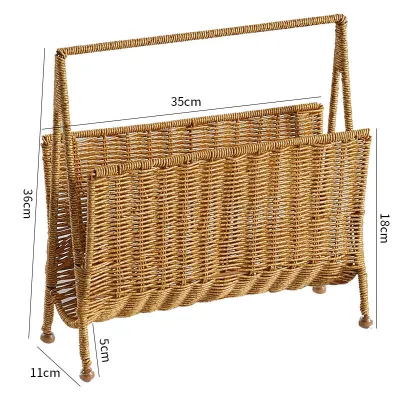
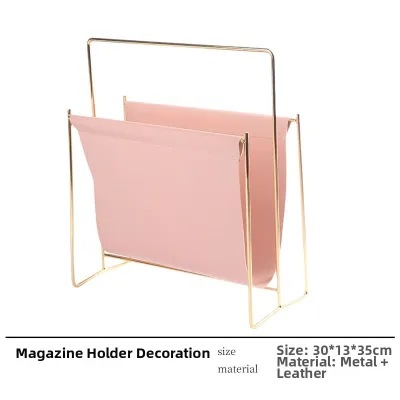
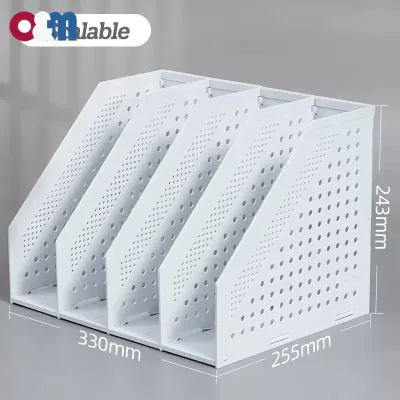
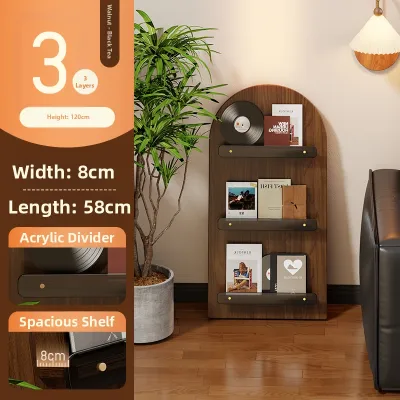
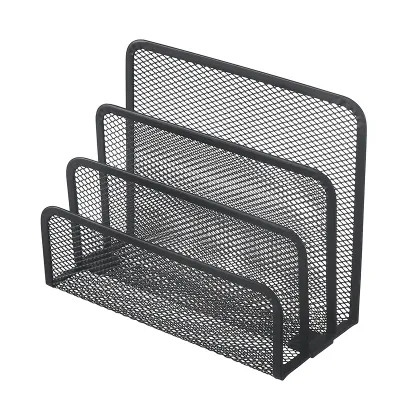
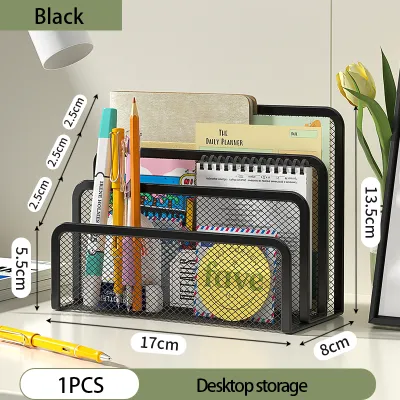
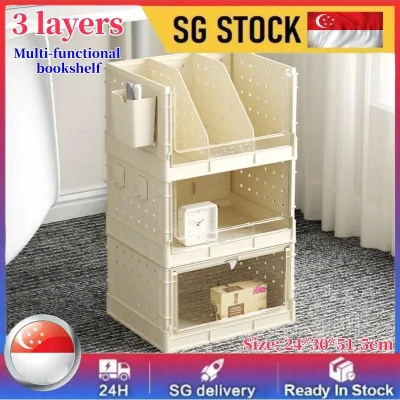
Prices are valid at publication and may change. Please refer to the product page for the latest price.
Finally, verify the weight capacity of your existing modular shelves. Look for manufacturer labels, instruction manuals, or product specifications to find the maximum load limit per shelf. Remember that magazines, books, and catalogs are surprisingly heavy when stacked. The combined weight of the magazine rack stand and the reading materials must remain well within the shelf’s rated capacity to prevent bowing, sagging, or structural failure.
Choosing the Right Magazine Rack Stand for Modular Systems
Selecting the right magazine rack stand depends on how it will interact with your modular shelving grid. There are three primary types to consider: freestanding units, wall-mounted racks, and shelf inserts. Freestanding stands are highly mobile and can sit on deep shelves or on the floor beside the unit, but they require dedicated surface area. Wall-mounted racks can be attached directly to the side panels of modular units, while shelf inserts slide directly into existing compartments, making them the most space-efficient option for tight layouts.

To ensure a cohesive look and stable fit, match the rack’s dimensions to your modular grid spacing. Many modular systems use standard grid intervals, so checking the product specifications of both the shelving and the rack is essential. Look for compatible mounting brackets or hooks designed specifically for your shelving brand, as these provide the most secure connection without requiring custom modifications.
Material compatibility is another critical factor. If your modular shelving is made of lightweight particleboard or medium-density fibreboard (MDF), it may not support heavy metal racks mounted to its side panels. For these materials, lightweight acrylic, fabric, or thin wood inserts are often more suitable. Always review the manufacturer’s material limits and load-bearing guidelines to ensure the rack and the shelf can safely support each other.
Installation and Space-Maximizing Layouts
Optimizing your layout involves planning the vertical and horizontal placement of your magazine rack stand to make the most of your apartment’s footprint. In small rooms, vertical layouts are generally superior. Placing the magazine rack on mid-level shelves—typically between eye level and waist height—keeps your favorite publications accessible without consuming valuable lower shelves that are better suited for heavier storage boxes or baskets.
When installing shelf inserts or attaching wall-mounted units to modular panels, always follow the manufacturer’s instructions carefully. Use the provided hardware and brackets, which are engineered to distribute weight evenly across the modular frame. If you are mounting a rack to the side of a wooden modular panel, pre-drill pilot holes to prevent the wood from splitting, and ensure the screws do not penetrate through to the other side where they could cause damage or injury.
If your installation plan requires drilling into concrete structural walls—common in Singapore’s HDB flats—or making major modifications to a heavy modular system, it is best to stop and consult a qualified professional. Structural walls require specialized masonry drill bits and heavy-duty anchors. A professional installer can ensure the entire assembly is securely anchored, preventing dangerous tip-over accidents and protecting your home’s walls.
Common Sizing and Placement Mistakes to Avoid
One of the most common mistakes when integrating a magazine rack stand is ignoring clearance zones. In tight apartment layouts, a rack that protrudes even slightly beyond the shelf edge can catch on clothing or block sliding wardrobe doors. Always measure the clearance needed for nearby drawers, cabinet doors, and room entryways to ensure they can open fully without striking the magazine display.
Another frequent error is overloading the modular unit by ignoring cumulative weight limits. While an individual shelf might support the weight of a magazine rack, the overall weight capacity of the entire modular frame must also be respected. Distribute heavier items, such as thick design annuals or reference books, across lower shelves to keep the center of gravity low and improve the overall stability of the shelving unit.
Lastly, avoid blocking necessary ventilation gaps. Electronic devices like routers, game consoles, or media players housed within your modular shelving generate heat and require continuous airflow. Placing a magazine rack too close to these devices can restrict ventilation, leading to overheating. Keep a safe distance between your reading materials and any heat-emitting electronics to maintain a safe home environment.
Frequently Asked Questions (FAQ)
Can I place a heavy magazine rack stand on a glass shelf?
You should avoid placing a heavy magazine rack stand on a glass shelf unless the manufacturer explicitly states the shelf can support that specific weight. Glass shelves are highly susceptible to point loading, where concentrated weight in a small area can cause sudden shattering. If you must use a glass shelf, verify its maximum weight limit, use a rack with a wide, flat base to distribute the load evenly, and place protective rubber or felt pads underneath to prevent scratching.
How do I secure a magazine rack to a modular wall unit?
To secure a magazine rack safely, rely on the hardware and mounting brackets provided by the manufacturer. Check that the thickness of your modular panels is compatible with the mounting screws to avoid drilling completely through the material. Avoid unauthorized drilling or structural modifications that could void your shelving warranty or compromise its integrity. If the modular unit is wall-mounted, ensure the wall anchors used are rated for the combined weight of the shelving, the rack, and all stored items.

Community discussion
Share your experience or ask a question. Comments are reviewed before publication.