
Maximising vertical space is a necessity for many homeowners in Singapore, especially when trying to make the most of compact flat layouts. The heavy steel door of a Housing & Development Board (HDB) household shelter—commonly referred to as the bomb shelter—presents an enticing surface for extra storage. However, because this door serves as a critical safety barrier during emergencies, you cannot simply drill holes into it to mount shelves. Drilling into the reinforced steel door, concrete frame, or walls of the shelter is strictly prohibited by HDB regulations and compromises the structural integrity of the safety compartment.
Fortunately, you can safely utilize this space by choosing drill-free modular rack systems. Options such as over-the-door hanger systems, heavy-duty magnetic organizers, floor-to-ceiling tension poles, and slim freestanding units allow you to organize household essentials without damaging the door or violating safety guidelines. To ensure your setup is both functional and compliant, you must understand the unique physical constraints of the shelter door and select the appropriate system for your storage needs.
HDB Shelter Door Constraints: What You Must Know Before Installing
Before purchasing any storage solution, you must understand the safety, structural, and regulatory boundaries governing HDB household shelters. These shelters are engineered to protect occupants during emergencies, and every component—from the reinforced concrete walls to the heavy steel door—is built to strict civil defence standards. Altering these components can have serious legal and safety consequences.
Products mentioned in this guide
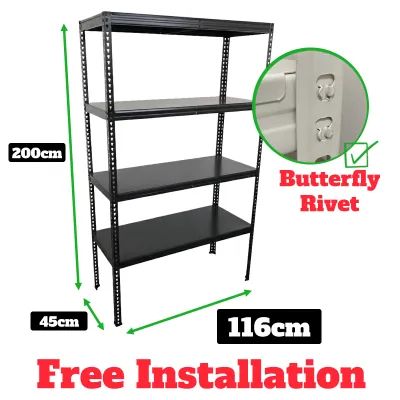
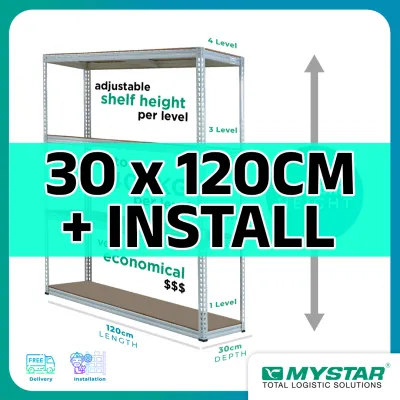
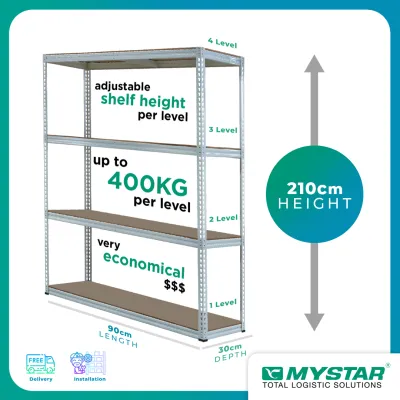
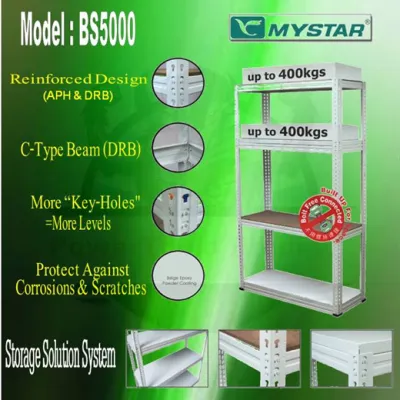
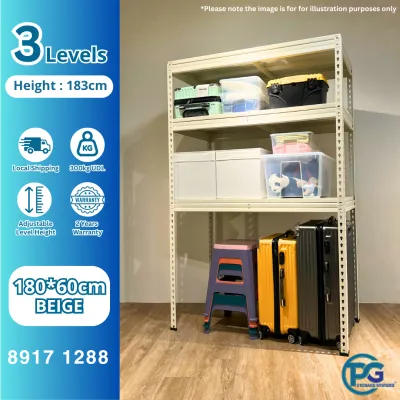
Prices are valid at publication and may change. Please refer to the product page for the latest price.
HDB Regulations and Structural Integrity
HDB maintains strict guidelines regarding the household shelter. You are legally prohibited from drilling, hacking, or modifying the steel door, the steel door frame, and the surrounding reinforced concrete walls. Any form of drilling or structural modification compromises the fire-rated and gas-tight integrity of the shelter. If HDB inspectors discover unauthorized modifications, you may face fines and be required to pay for costly reinstatement works to restore the shelter to its original state.
Door Anatomy and Airtight Seals
The bomb shelter door is constructed from thick, heavy-grade steel and features a specialized rubber gasket, or weatherstripping, running along its inner perimeter. When the door is closed and locked, this rubber seal compresses against the steel frame to create an airtight barrier that prevents smoke, gas, and toxic fumes from entering the room. Any drill-free storage rack you install must not pinch, compress, tear, or otherwise interfere with this rubber gasket. Even a minor gap in the seal can render the entire shelter ineffective during an emergency.
Hinge Load Limits and Misalignment
The heavy steel door is supported by heavy-duty hinges designed specifically to bear the weight of the door itself. Adding significant weight directly to the door can strain these hinges over time. This extra load can cause the door to sag, lead to loud squeaking, or result in misalignment. A misaligned door will not close smoothly and may fail to lock tightly, compromising its airtight seal. Therefore, any door-mounted storage must be lightweight and carefully balanced.
Best Drill-Free Modular Rack Types for Shelter Doors
To safely add storage around or on your bomb shelter door, you must evaluate non-drilling modular rack systems based on how they interact with the door, the frame, and the surrounding entryway space. Different systems offer varying weight capacities and installation methods.

Over-the-Door and Hook-Based Systems
Over-the-door modular racks use flat metal hooks that drape over the top edge of the door, suspending shelves or baskets along the door’s face. While these systems are highly popular for standard bedroom doors, HDB bomb shelter doors present unique challenges.
First, you must measure the door’s thickness. HDB shelter doors are significantly thicker than standard internal doors, often measuring between 40mm and 50mm. Standard over-the-door hooks designed for thin bedroom doors will not fit. Second, the clearance gap between the top edge of the door and the steel frame is incredibly tight. If the hanging hooks are too thick, they will scrape against the frame, strip the protective paint, or prevent the door from closing and latching properly. Always check the manufacturer’s specifications for hook depth and ensure your door has sufficient top clearance before choosing this option.
Tension Pole and Floor-to-Ceiling Systems
If you want to store heavier items without putting any physical stress on the bomb shelter door, a floor-to-ceiling tension pole system is an exceptional alternative. These modular systems use vertical poles that hold themselves in place using internal spring-loaded mechanisms or screw-threaded tension compressed between the floor and the ceiling.
You can place these poles directly in front of or adjacent to the shelter door. Because the entire weight of the shelving system is transferred to the concrete floor and ceiling, you completely bypass the risk of straining the door hinges. When planning a tension pole setup, you must measure your floor-to-ceiling height accurately and ensure the poles are positioned so they do not block the door’s swing path. Additionally, make sure the poles and shelves do not obstruct the round ventilation sleeves located near the top of the shelter wall.
Magnetic and Heavy-Duty Adhesive Modules
Because the HDB bomb shelter door is made of steel, magnetic modular organizers are a convenient and highly adjustable option. High-strength neodymium magnetic spice racks, key holders, and small shelves can cling directly to the door’s surface without any physical hooks or adhesives.
However, magnetic systems have strict weight limits. The magnetic pull force is significantly reduced by the layers of protective paint on the door, meaning heavy items can cause the modules to slide downward. For items that magnets cannot support, heavy-duty adhesive hooks or baskets are an option. Before applying any adhesive, check the adhesive manufacturer’s instructions regarding compatibility with painted metal surfaces. Be aware that low-quality adhesives can degrade in Singapore’s humid climate, causing the rack to fall, or they may bond too strongly and peel off the door’s paint during removal.
Freestanding and Leaning Modular Units
For those who want to avoid attaching anything to the door itself, freestanding or leaning modular shelving units are the safest and most versatile option. These units stand independently on the floor inside the shelter room or just outside the door frame.
Freestanding utility racks can hold significantly more weight than door-mounted options, making them ideal for storing heavy household items like canned food, tools, or cleaning appliances. When placing a freestanding unit inside the shelter, ensure it is positioned far enough from the door to allow the door to swing fully open. It must never obstruct access to the emergency bypass handle or the door’s locking mechanism.
Step-by-Step Installation Guide for Drill-Free Racks
Setting up a drill-free modular rack requires careful planning and precise execution to ensure your storage is stable and your bomb shelter door remains fully functional. Follow this step-by-step workflow to install your system safely.
Step 1: Measure the Space
Before purchasing any modular rack, take detailed measurements of your shelter door and the surrounding area.
- Door Thickness: Measure the exact thickness of the steel door to ensure over-the-door hooks will fit.
- Top and Side Clearance: Place a thin object, like a S$1 coin, on top of the door and close it to check if there is enough clearance gap between the door and the frame.
- Swing Radius: Measure the floor space in front of and behind the door to ensure any tension poles or freestanding units do not block the door from opening at least 90 degrees.
- Ceiling Height: If using a tension pole, measure from the floor to the concrete ceiling (avoiding plaster false ceilings, which can crack under tension).
Step 2: Check the Weatherstripping
Examine the rubber gasket running around the inside edge of the door. Identify exactly where the gasket compresses against the frame when the door is closed. Your chosen rack system must not touch, pinch, or put pressure on this rubber seal. If you are using over-the-door hooks, ensure they sit entirely on the metal portion of the door and do not press into or displace the gasket.
Step 3: Assemble the Modular Rack
Assemble your modular shelving or tension pole system on a flat surface according to the manufacturer’s assembly instructions. Check all joints, screws, and locking collars to ensure the structure is completely stable. If you are using a modular pegboard or wire grid system, configure the baskets and hooks before mounting the unit to minimize the time you spend adjusting it while it is hanging on the door.
Step 4: Install and Position
Carefully mount or position your chosen system:
- For Over-the-Door Racks: Gently lower the hooks over the top of the door. If you feel resistance or hear scraping when closing the door, stop immediately to avoid stripping the paint or damaging the frame.
- For Tension Poles: Position the pole vertically using a spirit level to ensure it is perfectly straight. Tighten the tension mechanism according to the manufacturer's instructions until the pole is completely secure. Avoid over-tightening against plaster ceilings.
- For Magnetic/Adhesive Racks: Clean the door surface with a dry microfiber cloth to remove dust and oils. Apply the magnetic modules gently to avoid scratching the paint. If using adhesives, press firmly and allow the adhesive to cure for the manufacturer's recommended wait time (usually 24 hours) before adding any weight.
Step 5: Load Strategically
When organizing your items on the rack, always place the heaviest items on the lowest shelves or baskets. Keeping the center of gravity low reduces the leverage force exerted on over-the-door hooks, adhesive bonds, or magnetic grips. Keep lightweight items, such as tissues, plastic bags, or small pantry items, on the upper shelves.
Safety Checks and Maintenance for Door-Mounted Storage
Once your modular rack is installed, you must perform regular safety checks and ongoing maintenance to prevent damage to your HDB flat and ensure emergency readiness.
The "Close Test"
Immediately after installation and loading, perform the “Close Test.” Slowly swing the bomb shelter door shut. Pay close attention to any resistance, scraping sounds, or unusual friction. Lock the door fully using the central handle. The locking mechanism should turn smoothly without requiring extra force. If the door is difficult to close or lock, or if you notice the rubber weatherstripping is being pinched or deformed, remove the rack immediately. This indicates the rack is interfering with the door’s safety functions.
Hinge Inspection
Periodically inspect the door hinges for signs of stress. Look for any sagging, visible gaps in the hinge joints, or metal shavings. Listen for squeaking or grinding noises when you open and close the door. If you notice any of these signs, it means the door-mounted storage is too heavy. You must lighten the load immediately or transition to a freestanding or tension pole storage system that does not put weight on the door hinges.
Surface Care
If you decide to remove or reposition adhesive or magnetic racks, take care to protect the door’s painted surface. For magnetic racks, lift them directly off the door rather than sliding them, which can scratch the paint and lead to rust. For adhesive hooks, use a gentle adhesive remover or apply heat from a hairdryer to soften the glue before peeling it off slowly. Never use sharp metal scrapers or abrasive scrubbing pads. If you notice any deep paint chips or structural damage to the door, stop and consult HDB guidelines or contact a qualified professional to prevent corrosion.
Frequently Asked Questions (FAQ)
Can I use adhesive strips on the HDB bomb shelter door?
Yes, you can use heavy-duty adhesive strips on a bomb shelter door, but you must do so with caution. Adhesives must be rated for use on painted metal surfaces. Because Singapore’s tropical climate brings high humidity, standard indoor adhesives can lose their grip over time, causing mounted items to fall. Always adhere strictly to the manufacturer’s weight limits, clean the door surface thoroughly before application, and be prepared for the risk of paint peeling or adhesive residue when you eventually remove the strips.
Will adding a rack affect my HDB shelter compliance?
Adding a modular rack will not affect your HDB compliance as long as you use non-destructive, drill-free installation methods. The structural integrity of the steel door, the concrete walls, and the locking mechanisms must remain completely unaltered. Additionally, the rubber airtight seals must not be compressed or damaged, and the door must be able to open, close, and lock fully without obstruction. Avoid blocking the external ventilation sleeves, as keeping these clear is also a requirement for shelter compliance.

Community discussion
Share your experience or ask a question. Comments are reviewed before publication.