
Selecting a trusted custom kitchen cabinet brand in Singapore requires a systematic approach that prioritizes material transparency, verified local track records, and precise engineering over glossy showroom displays. Because Singapore’s tropical climate and high-density housing layouts—such as HDB flats and condominiums—present unique spatial and environmental challenges, homeowners must evaluate cabinet makers based on objective quality checks rather than subjective marketing claims. By understanding how to assess contractor credentials, verify material specifications, and navigate the design process, you can secure a durable, functional kitchen that fits your home perfectly.
To find a reliable partner for your kitchen renovation, you must look beyond surface aesthetics. A truly trusted brand or carpentry service will willingly provide detailed material specifications, offer transparent pricing structures, and demonstrate a deep understanding of local building regulations. This guide establishes a practical framework to help you evaluate custom cabinet makers, verify physical component quality, and avoid common pitfalls during your renovation journey.
Core Criteria for Evaluating Custom Cabinet Makers
Evaluating potential kitchen cabinet contractors in Singapore requires looking closely at their operational history and familiarity with local housing guidelines. A company with several years of continuous operation in the local market is more likely to have established reliable supply chains and a stable team of skilled carpenters. Furthermore, experience with local housing types is crucial; navigating the strict renovation rules set by the Housing & Development Board (HDB) or the specific management corporation strata title (MCST) rules of condominiums requires a contractor who understands structural limitations, permit application processes, and approved working hours.
Products mentioned in this guide
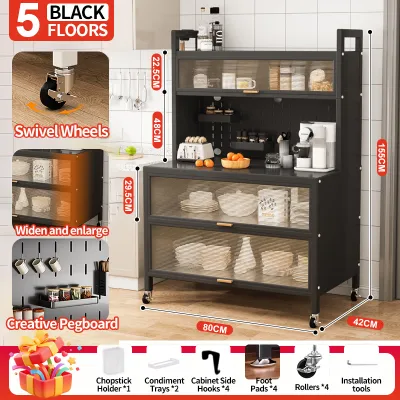
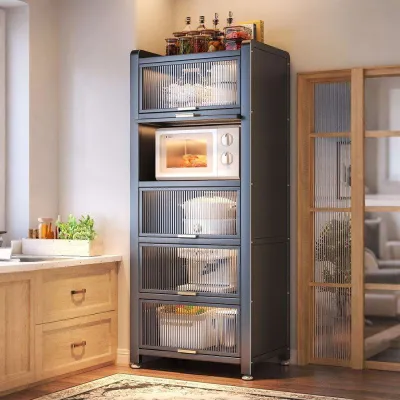
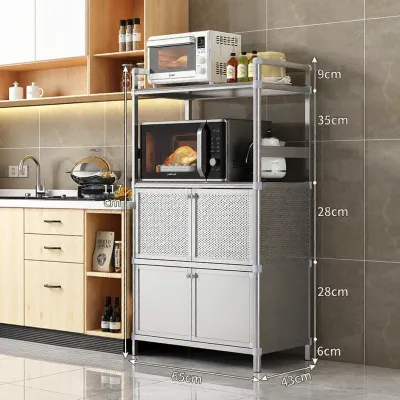
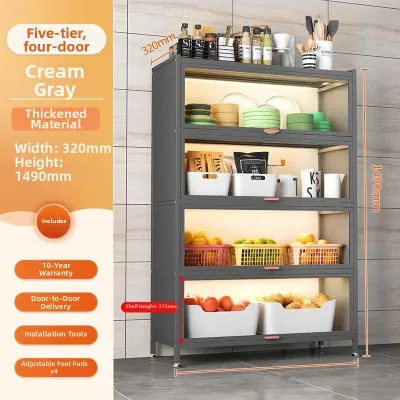

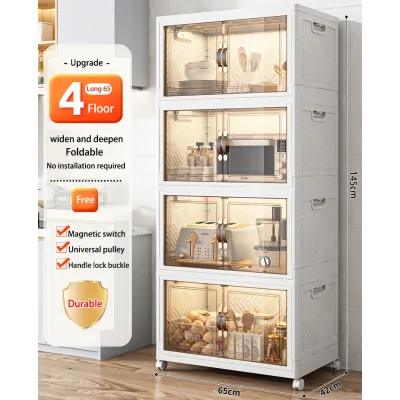
Prices are valid at publication and may change. Please refer to the product page for the latest price.
Before committing to a contractor, request to see a portfolio of completed local projects. Be cautious of companies that rely solely on high-resolution 3D renderings or generic stock images in their brochures. A trusted cabinet maker should be able to provide actual photographs of finished kitchens, showing close-up details of joints, edge banding, and internal configurations. If possible, ask if you can visit an active job site or a recently completed unit to observe the quality of their workmanship firsthand, paying close attention to how neatly the cabinets are aligned and how securely they are anchored to the walls.
Verifying a company’s formal credentials is an essential step in mitigating project risk. Ensure the contractor is registered with the Accounting and Corporate Regulatory Authority (ACRA) and check if they hold relevant industry accreditations, such as being an HDB-registered renovation contractor or possessing CaseTrust accreditation. These credentials indicate that the business adheres to standard codes of conduct and dispute resolution mechanisms. Additionally, read independent customer reviews across multiple third-party platforms, looking specifically for feedback on how the company handles post-installation defects, communication delays, or unexpected structural challenges during the build.
Material and Hardware Verification Checklist
In Singapore’s highly humid environment, the choice of core cabinet materials directly determines the lifespan of your kitchen. Plywood is the traditional standard for custom local carpentry due to its superior moisture resistance and load-bearing capacity compared to standard particle board. When reviewing a quotation, verify the specific grade of plywood being offered and ask about its formaldehyde emission rating. Opting for boards certified with low formaldehyde emissions, such as E0 or E1 standards, is highly recommended to ensure safe indoor air quality in your home.

Surface finishes must be evaluated not just for their color, but for their resistance to daily wear, heat, and moisture. High-pressure laminates and melamine are popular choices, but their durability depends heavily on the quality of the edge banding. Inspect the edges of sample cabinet doors; poorly applied edge banding will leave visible glue lines or sharp edges where moisture can easily penetrate, causing the inner core to swell and rot over time. Look for seamless, machine-applied ABS (Acrylonitrile Butadiene Styrene) or laser edge banding, which provides a highly durable, water-resistant seal around the entire panel.
Cabinet hardware, including hinges, drawer runners, and pull-out mechanisms, bears the brunt of physical wear in a kitchen. Trusted custom brands use high-quality, certified hardware from reputable manufacturers and will explicitly state the brand and model in their quotation. Verify the authenticity of these components by checking for stamped manufacturer logos on the metal parts. Additionally, ask about the load ratings of drawer slides—especially for deep drawers intended to hold heavy cast-iron cookware—and ensure that soft-close mechanisms are integrated to prevent slamming, which can loosen cabinet joints over time.
Navigating the Customization and Design Process
A professional custom kitchen cabinet project follows a structured, step-by-step workflow to ensure design accuracy and prevent costly mistakes. The process begins with an initial consultation where you discuss your cooking habits, storage needs, and aesthetic preferences. This is followed by a precise on-site measurement session. Because walls and floors in Singapore homes are rarely perfectly level, professional carpenters must use advanced laser measuring tools to map out the exact dimensions of your space, taking note of any uneven surfaces, structural pillars, or electrical outlets.
Once measurements are secured, the design team will generate 3D renderings and detailed technical drawings. While 3D visuals are helpful for conceptualizing the overall look, the technical drawings (often called carpentry drawings) are the actual blueprint for production. You must carefully review these drawings to ensure they accommodate the exact dimensions of your appliances, such as your built-in oven, hood, hob, refrigerator, and dishwasher. The design must also account for necessary ventilation clearances around heat-producing appliances to prevent premature equipment failure and maintain manufacturer warranties.
Before signing off on the technical drawings, verify that every internal compartment, shelf height, and clearance is explicitly detailed. Ensure that plumbing access points under the sink are easily accessible for future maintenance and that the layout respects ergonomic workflow zones, commonly referred to as the kitchen work triangle (the path between the sink, stove, and refrigerator). Once you sign off on these drawings, the fabrication process begins in the workshop, meaning any subsequent changes will likely incur additional material costs and project delays.
Understanding Pricing, Warranties, and After-Sales Support
Custom kitchen cabinet pricing in Singapore is typically calculated using a “per foot run” (pfr) pricing model, where separate rates are applied to the base cabinets, wall cabinets, and countertops. While this model provides a simple baseline, it can be misleading if you do not clarify what is included. Base rates often cover only standard configurations with basic laminate finishes and standard hinges. Premium additions—such as glass-front doors, internal pull-out baskets, custom lighting, or specialized corner units—will quickly increase the overall cost, so it is vital to request an itemized quote that details every single upgrade.
When comparing quotations, look closely for potential hidden fees that might not be included in the initial per foot run estimate. Common exclusions include the cost of hacking and disposing of existing cabinetry, constructing a concrete masonry base (which is highly recommended in Singapore to elevate cabinets off wet kitchen floors), installing plumbing connections, and relocating gas pipes or electrical outlets. Ensure that the quotation explicitly states whether these site preparation and utility works are included, or if they will be billed separately as variations during the project.
After-sales support and warranty terms are clear indicators of a brand’s reliability. A trusted cabinet maker should offer a comprehensive warranty that clearly distinguishes between workmanship defects and hardware failures. While hardware manufacturers often provide long-term or lifetime warranties on hinges and drawer runners, the cabinet maker should provide a clear workmanship warranty (typically ranging from one to five years) covering issues like sagging shelves, peeling laminates, or misaligned doors. Clarify their guaranteed response time for defect rectifications and ensure you understand the exact procedure for claiming warranty support.
Red Flags to Avoid When Selecting a Contractor
One of the most significant red flags when selecting a custom cabinet maker is a vague or incomplete contract. Avoid contractors who provide one-page quotations that lack specific details, such as the exact core materials, laminate codes, hardware brands, or precise dimensions. A professional contract should protect both parties by clearly outlining the scope of work, material specifications, payment milestones, and a realistic project timeline with a defined completion date. If a contractor is reluctant to put these details in writing, it is best to look elsewhere.
Be highly cautious of companies that demand disproportionately high upfront deposits before any design work, site measurements, or material orders have taken place. A standard, safe payment milestone scheme in Singapore typically requires an initial deposit of 10% to 20% upon signing the contract, with subsequent progressive payments tied to verifiable project milestones, such as the approval of 3D drawings, the delivery of materials to your home, and the successful completion of the installation. Never pay the final balance until all outstanding defects have been rectified to your satisfaction.
Finally, watch out for high-pressure sales tactics and a lack of transparency. Contractors who pressure you to sign a contract immediately by offering “today-only” promotional discounts or artificial deadlines are often trying to prevent you from doing proper background checks. A reputable brand will give you the time needed to review their credentials, compare quotes, and inspect material samples. If they are evasive when asked for references from recent local clients or refuse to let you view their physical material samples in person, treat it as a warning sign of potential quality or service issues.
Frequently Asked Questions (FAQ)
How long does a typical custom kitchen cabinet installation take?
The entire process from design approval to final handover typically takes between four to eight weeks. The initial phase involves finalizing 3D renderings and technical drawings, which can take one to two weeks depending on revisions. Once signed off, fabrication of the cabinet carcasses in the workshop takes about three to four weeks. The actual on-site installation of the cabinets usually takes three to seven days, though additional time must be factored in for templating and installing solid surface, quartz, or sintered stone countertops, which can only be fabricated after the base cabinets are securely installed.
Can I reuse my existing kitchen appliances with new custom cabinets?
Yes, you can reuse your existing kitchen appliances, provided you supply the cabinet maker with the exact brand, model, and physical dimensions of each appliance during the initial design phase. The designer must incorporate these measurements into the technical drawings to ensure precise cutouts and adequate ventilation clearances. You must also verify that your existing appliances are in good working condition and that their weight does not exceed the load-bearing capacity of the new cabinet shelves or brackets, particularly for heavy built-in ovens or microwave units.
What is the difference between carpentry-built and system kitchen cabinets?
Carpentry-built cabinets are custom-made by local craftsmen to fit the exact contours of your kitchen, making them ideal for irregular spaces, odd angles, or homes with uneven walls. They offer maximum design flexibility but require longer fabrication times and are highly dependent on the individual carpenter’s skill. System kitchen cabinets, on the other hand, are modular units pre-fabricated in a factory using standardized dimensions. While they offer highly consistent machine-finished quality and faster on-site assembly, they provide less flexibility for non-standard layouts and may leave unused gaps if your kitchen walls do not match standard modular widths.

Community discussion
Share your experience or ask a question. Comments are reviewed before publication.