
Finding a sofa bed that delivers genuine, long-term comfort for daily use requires looking past plush fabrics and stylish silhouettes. Unlike occasional guest beds that only see use a few times a year, a daily-use sleeper sofa must function seamlessly as both your primary living room seating and your nightly mattress. This dual responsibility places immense physical stress on the frame, the cushions, and the internal mechanism.
To identify brands that consistently produce comfortable, durable sofa beds, you must understand the engineering behind them. The market is filled with options, but only a select few prioritize the structural integrity and ergonomic support necessary to prevent chronic back pain or premature sagging. By focusing on specific material standards, mechanism designs, and testing protocols, you can confidently select a brand that fits your lifestyle and space.
Key Features That Define Daily Comfort in Sofa Beds
When evaluating any sofa bed brand, the mattress is the most critical component governing sleep quality. Traditional sofa beds often rely on thin, low-density foam or sparse innerspring coils that allow sleepers to feel the metal support bars underneath. For daily use, look for brands that offer mattresses with a minimum thickness of 10 to 12 centimeters.
Products mentioned in this guide
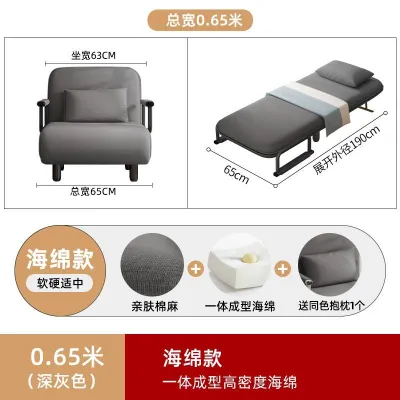
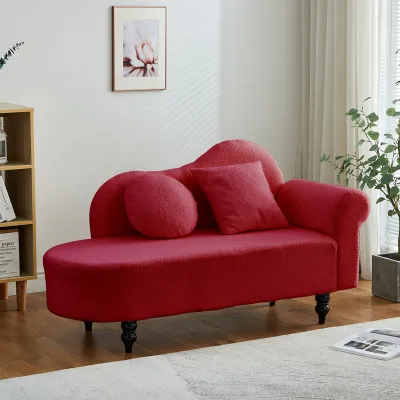


Prices are valid at publication and may change. Please refer to the product page for the latest price.
Memory foam and polyurethane foam mattresses are highly popular for their contouring support. High-density foam (typically 30 kg/m³ or higher) distributes body weight evenly and reduces pressure points. However, in warm and humid climates like Singapore, standard memory foam can trap body heat. If you prefer foam, look for brands that incorporate open-cell structures, gel infusions, or breathable bamboo-derived covers to promote airflow.
Innerspring mattresses offer a more traditional, bouncy feel and excellent breathability. However, their comfort depends entirely on coil count and the quality of the protective padding. Low-end innerspring options quickly degrade, leading to squeaking and protruding coils. High-quality brands use pocketed coils, where each spring is individually wrapped to isolate motion and conform to your body shape, topped with a thick layer of high-density foam or latex.
Beyond the mattress, the frame serves as the foundation of the entire unit. Daily sitting and sleeping exert constant, shifting forces on the frame. Brands that use kiln-dried hardwoods (such as oak, birch, or maple) or furniture-grade birch plywood offer the greatest resistance to warping and cracking. Metal frames made of powder-coated steel are also highly durable, provided the joints are welded securely rather than held together by thin rivets. Avoid brands that rely heavily on particleboard or medium-density fibreboard (MDF) for load-bearing components, as these materials strip easily under repetitive stress.
Finally, the folding mechanism determines how flat and supportive the sleeping surface remains over time. Classic bi-fold and tri-fold pull-out mechanisms must feature heavy-duty steel linkages that open smoothly without grinding. Look for brands that utilize a deck-style support system—such as a polypropylene deck or wooden slats—rather than a simple metal grid or canvas webbing. A solid deck prevents the mattress from sagging into the gaps of the frame, ensuring a flat, gap-free sleeping surface that supports your spine naturally.
Navigating Sofa Bed Brands by Design and Budget
Sofa bed manufacturers generally fall into three distinct categories, each prioritizing different aspects of comfort, aesthetics, and functionality. Understanding these categories helps you align your purchase with your specific household needs.

Specialty mattress brands that have expanded into the living room furniture market typically prioritize sleep quality above all else. Because their core expertise lies in sleep science, their sofa beds often feature premium, full-sized mattresses that rival standard beds. These brands focus on pressure relief, temperature regulation, and spinal alignment. While the seating cushions on these models can sometimes feel slightly firmer—as they must double as mattress components or fold away tightly—they are an excellent choice if sleeping comfort is your absolute priority.
Traditional upholstery and comfy furniture brands focus heavily on living room aesthetics, seating ergonomics, and fabric durability. These brands design sofa beds that look and feel like premium, high-end couches. They offer deep seats, plush back cushions, and a wide array of customizable upholstery options, from top-grain leather to stain-resistant performance fabrics. The trade-off is that the mattress inside may be slightly thinner to accommodate the plush outer styling, making these brands ideal for users who prioritize daytime lounging but still require a reliable sleeping surface.
Modular and space-saving furniture brands specialize in clever engineering and compact dimensions. These brands are particularly relevant for apartment living, where maximizing floor space is essential. Their designs often feature innovative click-clack mechanisms, drawer-style pull-outs, or modular blocks that rearrange into a bed. While these models may not always feature a traditional pull-out mattress, they utilize high-resilience foam cushions that provide a firm, supportive sleeping surface. Their compact footprints make them highly suitable for study rooms, home offices, or smaller living areas.
Regardless of the brand category you choose, always evaluate the manufacturer’s warranty and return policies. A brand that stands behind its craftsmanship will typically offer a multi-year warranty on the frame and mechanism (often ranging from 5 to 10 years) and a separate warranty on the mattress. Additionally, look for brands that offer home trial periods. Because comfort is highly subjective, having the opportunity to test the sofa bed in your own home for a few weeks provides the ultimate assurance that the piece will meet your daily physical needs.
How to Test and Verify Comfort Before Purchasing
If you are able to visit a physical showroom, conducting a thorough, systematic test is the best way to evaluate a sofa bed’s comfort. Do not simply sit on the edge for a few seconds. Sit in the center of the cushions for at least ten minutes to assess the seat depth, backrest angle, and lumbar support. Your feet should rest flat on the floor, and your knees should bend at a comfortable 90-degree angle without the front edge of the seat cutting into your thighs.
Next, ask the showroom staff to let you operate the folding mechanism yourself. It should transition from a sofa to a bed smoothly, without requiring excessive physical strain or producing loud, grinding noises. Once the bed is fully extended, lie down in your typical sleeping position. Pay close attention to the transition zones—the areas where the cushions meet or where the frame folds. You should not feel any hard metal bars, gaps, or significant height differences between the sections of the mattress.
When shopping online, you must rely on detailed specification sheets to verify comfort and quality. Look for explicit measurements of the mattress density. High-quality foam mattresses should have a density rating of at least 30 kg/m³ to ensure they do not flatten permanently after a few months of daily use. Check the frame’s maximum weight capacity, which should ideally support at least 150 kg to 200 kg for a double or queen-sized sleeper sofa.
Before finalizing your purchase, you must also measure your physical space and delivery pathways. Use painter’s tape on your floor to outline the exact dimensions of the sofa bed when it is fully extended. Ensure there is a clear walking path of at least 60 to 75 centimeters around the extended bed so you can move comfortably through the room.
Additionally, measure your doorways, hallways, and lift dimensions. Many high-rise apartments and condominiums have tight entryways or low lift ceilings that can make delivering a fully assembled, heavy sofa bed extremely difficult. Confirm whether the brand delivers the unit fully assembled or in flat-packed modules that can be easily maneuvered through tight spaces and assembled directly in your room.
Maintaining Comfort and Structural Integrity Over Time
To preserve the comfort and extend the lifespan of your daily-use sofa bed, regular maintenance is essential. Just like a standard mattress, a sofa bed mattress is subject to uneven wear and body impressions. If your sofa bed design allows, rotate the mattress 180 degrees every three to six months. If the mattress is double-sided, flip it over as well. This simple step distributes your body weight across different sections of the foam or spring core, preventing deep sagging in the hip and shoulder areas.
Mechanical components also require periodic attention. Dust, pet hair, and lint can accumulate in the folding hinges and tracks, causing the mechanism to stiffen or grind. Vacuum the internal frame regularly using a brush attachment. If the mechanism begins to squeak or feel stiff, consult the manufacturer’s manual before applying any lubricants. Some brands recommend specific dry silicone sprays, while others warn against using wet oils like WD-40, which can attract dust and degrade plastic bushings.
Upholstery care is equally important for maintaining a comfortable seating and sleeping environment. Vacuum the fabric cushions weekly to remove abrasive dirt particles that can wear down the fibers. Always refer to the manufacturer’s fabric care label (usually marked with codes like W for water-based cleaners, S for solvents, or WS for both) before attempting to spot-clean spills. In humid environments, ensure your room is well-ventilated or use a dehumidifier to prevent moisture from building up inside the folded mattress, which can lead to musty odors and mold growth.
Frequently Asked Questions (FAQ)
Can a sofa bed truly replace a regular bed for everyday sleeping?
A high-end sofa bed can serve as a primary sleeping surface, but it requires careful selection. Standard sofa beds often lack the edge support, breathability, and overall mattress thickness of a traditional bed frame and mattress setup. For daily use, you must invest in a model specifically engineered for nightly sleep, featuring a high-density foam or pocket-sprung mattress of at least 12 centimeters in thickness. Additionally, ensure the support deck beneath the mattress is solid or slatted rather than made of flexible canvas webbing, which will sag over time under continuous nightly use.
What is the ideal mattress thickness for a daily-use sofa bed?
For daily sleeping, the ideal mattress thickness is between 10 and 15 centimeters. Anything thinner than 10 centimeters will likely allow you to feel the underlying frame support bars, leading to discomfort. However, mattresses thicker than 15 centimeters are rare because they cannot fold properly into the standard cavity of a sofa frame. When choosing a brand, look for those that optimize this balance by using advanced, high-density materials that offer superior support within a compact thickness. Never attempt to replace the original mattress with a thicker aftermarket option without checking the manufacturer’s specifications, as forcing a thicker mattress into the frame can permanently damage the folding mechanism.
How do I troubleshoot a sofa bed that sags in the middle?
If your sofa bed begins to sag, start by folding it out completely and removing the mattress to inspect the underlying support structure. Check for bent metal bars, broken wooden slats, or stretched-out canvas webbing and springs. If the support deck is intact, the sag may simply be due to a worn-out mattress, which can sometimes be replaced directly through the manufacturer. If you identify bent steel linkages or broken frame joints, do not attempt to weld or force them back into place yourself. Contact the manufacturer or a professional furniture repair service, as attempting to repair a high-tension spring mechanism without the proper tools can result in personal injury or further damage to the frame.

Community discussion
Share your experience or ask a question. Comments are reviewed before publication.