
Unstable furniture can disrupt the comfort of your home, whether it is a dining chair that slides every time you sit down or a side table that wobbles on an uneven floor. High-quality adhesive anti-slip pads, such as those manufactured by 3M, offer a practical and straightforward solution to restore stability. By introducing a high-friction barrier between the furniture leg and the floor, these pads prevent unwanted movement and absorb minor height discrepancies. However, achieving a lasting fix requires understanding when a simple adhesive pad is sufficient and when your furniture demands a structural repair.
Diagnose the Root Cause of Furniture Instability
Before reaching for a pack of adhesive pads, you must determine why your furniture is unstable. Furniture issues generally fall into three categories: sliding, minor wobbling, or structural failure. Sliding occurs when there is insufficient friction between a hard furniture foot and a smooth floor surface, such as polished marble, vinyl, or laminate. This is highly common in Singapore homes with tiled or engineered wood flooring, where lightweight chairs or heavy sofas shift easily under daily use.
Minor wobbling, on the other hand, is usually caused by slight variations in the floor surface or minor wear on the furniture’s original feet. If the wobble is barely noticeable, a flexible pad can compress just enough to bridge the gap and level the piece. However, if the wobble is severe, the issue is likely structural. Loose joints, cracked legs, or failing dowels cannot be fixed with an adhesive pad. Placing a pad under a structurally compromised leg only masks the symptom while the joint continues to degrade, posing a safety hazard.
Products mentioned in this guide
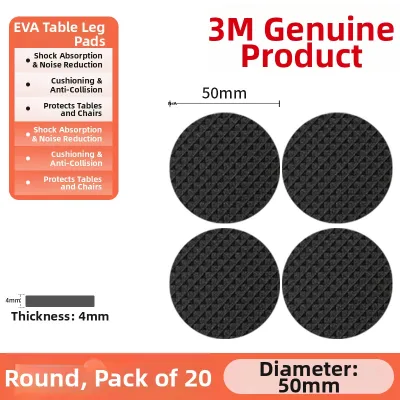
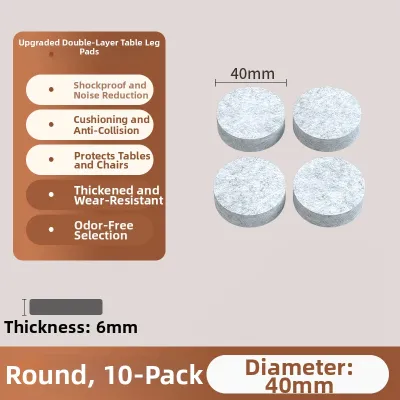
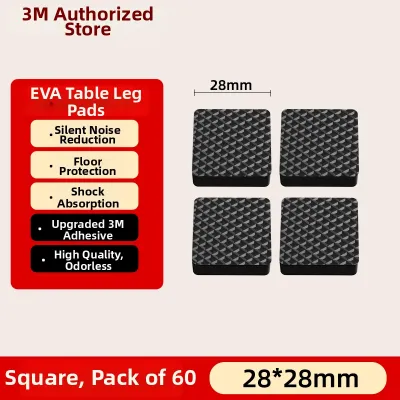
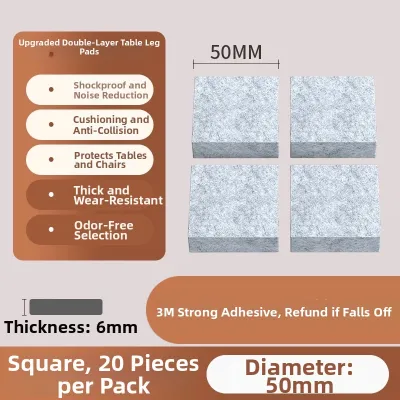
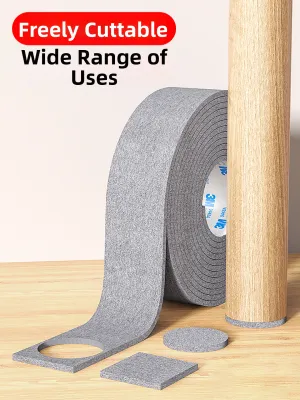
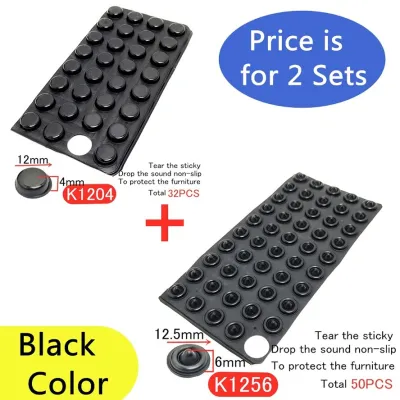
Prices are valid at publication and may change. Please refer to the product page for the latest price.
To ensure a safe and effective repair, inspect the bottom of each furniture foot and the surrounding floor area. Look for accumulated dust, pet hair, moisture, or remnants of old, degraded felt pads. Moisture is particularly problematic in humid climates, as it can weaken wood fibers and compromise adhesive bonds. If the furniture leg itself is split or the factory glider is loose, you must address these issues before attempting to apply any new anti-slip solutions.
Select the Appropriate 3M Anti-Slip Pad Specifications
Selecting the right anti-slip pad involves matching the pad’s material, thickness, and size to the weight of your furniture and the specific characteristics of your flooring. 3M produces various pad types, including heavy-duty felt, textured rubber, and clear elastomeric bumpers. Each material serves a distinct purpose. Felt pads are excellent for heavy furniture on hardwood or laminate floors because they allow for quiet, scratch-free movement when you intentionally slide a chair. Conversely, rubber or silicone pads are designed to grip the floor, making them ideal for stationary items like sofas, beds, or shelving units that should not budge.

Always check the product packaging or manufacturer specifications for weight guidelines. Heavy dining tables or solid wood cabinets exert significant downward pressure, which can quickly crush thin, low-density pads. For heavy-duty applications, look for dense, reinforced rubber or thick felt pads that resist compression over time. Using a pad that is too soft or thin under a heavy load will result in the material flattening completely, rendering its anti-slip and leveling properties useless within a few weeks.
The physical dimensions of the pad must also align with the shape of the furniture leg. Measure the diameter or width of the furniture foot before purchasing. The pad should cover as much of the contact surface as possible without overhanging the edges. An overhanging pad not only looks untidy but also collects dust and hair, which quickly degrades the exposed adhesive. More importantly, an oversized pad can catch on rugs or vacuum cleaners, peeling the pad away from the leg and causing the furniture to become unstable once again.
Step-by-Step Installation for Secure Adhesion
To ensure the adhesive bond lasts for years, you must follow a meticulous preparation and installation process. Start by thoroughly cleaning the bottom of each furniture leg. Use a mild detergent or a cloth dampened with rubbing alcohol to remove grease, wax, and dirt. If there is old adhesive residue from previous pads, scrape it off gently with a plastic putty knife or use an adhesive remover, ensuring you do not damage the wood or metal finish. Allow the surface to dry completely; any remaining moisture or solvent will prevent the new adhesive from bonding securely.
Once the surface is clean and dry, peel the protective backing from the 3M pad, taking care not to touch the adhesive surface with your fingers, as skin oils can weaken the bond. Align the pad carefully over the center of the furniture foot. Press the pad firmly against the leg, applying even pressure across the entire surface for at least thirty seconds. This pressure-sensitive adhesive requires physical force to activate the bond fully and ensure it penetrates the microscopic texture of the furniture leg.
After application, resist the temptation to use or move the furniture immediately. Most high-performance adhesives require a curing period to reach maximum bond strength. Refer to the manufacturer’s instructions on the packaging, which often recommend waiting several hours or overnight before subjecting the pads to heavy loads or lateral movement. Once the curing time has passed, gently push the furniture to perform a stability and slide test. The piece should feel firm and quiet, without any shifting or peeling of the newly installed pads.
Alternative Solutions When Pads Cannot Fix the Wobble
While adhesive pads are highly versatile, they cannot resolve significant structural issues or severe floor unevenness. If you find that a single pad does not eliminate a wobble because the gap between the leg and the floor is too wide, you should look into alternative leveling hardware. Adjustable furniture levelers, which screw into the bottom of the leg, allow you to fine-tune the height of each corner individually. Alternatively, rigid plastic or wooden shims can be used under heavy, stationary appliances or large cabinets to bridge substantial gaps safely.
If the instability stems from the furniture frame rather than the floor, you must address the structural connections. Inspect the joints, corner brackets, and fasteners of the piece. Over time, screws and bolts can loosen due to daily use and changes in humidity. Use a screwdriver or wrench to tighten all hardware securely. For wooden furniture with loose dowels or mortise-and-tenon joints, you may need to apply wood glue and clamp the joints until dry to restore structural integrity.
There are situations where DIY repairs are insufficient, and you should consult a professional furniture repair service. If you notice deep cracks in load-bearing legs, stripped screw holes that no longer hold fasteners, or severely warped frames, attempting to patch the problem with pads or basic hardware can lead to sudden failure. A professional can safely reinforce the structure, replace damaged components, and ensure the furniture remains safe for daily use, especially for items like high chairs, bunk beds, or heavy bookshelves.
Long-Term Maintenance and Floor Care
Maintaining your furniture’s stability and protecting your floors requires ongoing attention even after a successful pad installation. Establish a routine to inspect the underside of your furniture legs every few months. Look for signs of wear, such as felt pads that have worn thin, rubber pads that have become brittle, or adhesive that has begun to slide out of alignment. In Singapore’s warm and humid climate, adhesives can degrade faster than in dry environments, making regular checks essential to prevent unexpected floor scratches.
When cleaning your home or rearranging a room, always lift furniture completely off the floor rather than dragging it. Dragging heavy items puts immense lateral stress on the adhesive pads, which can tear the material or shear the adhesive bond entirely. Once a pad is partially peeled, it will collect dust and lose its grip, leading to immediate instability and potential scratches on your hardwood, vinyl, or tiled floors.
Additionally, be mindful of the cleaning products you use around your furniture legs. When mopping or cleaning floors, avoid saturated mops that leave standing water around the furniture feet. Excess moisture can seep under the edges of the anti-slip pads, dissolving the adhesive over time. Use floor-safe, pH-neutral cleaners and avoid harsh chemical solvents or wax strippers near the pads, as these substances can rapidly degrade both the pad material and the adhesive backing.
Frequently Asked Questions (FAQ)
Will 3M anti-slip pads leave residue or stain my floors?
The potential for adhesive residue or staining depends on the specific adhesive formulation, the type of floor finish, and environmental conditions. High-quality 3M adhesives are designed to remain stable, but prolonged exposure to high pressure, heat, or moisture can sometimes cause the adhesive to soften and leave a sticky residue when removed. To minimize this risk, check the product packaging for residue-free or clean-removal claims, and test a single pad in an inconspicuous area, such as inside a closet or under a rug, before applying them to your entire furniture set. If you do encounter residue upon removal, it can usually be cleaned safely using a mild soap solution, a dedicated adhesive remover safe for your specific floor type, or a soft cloth dampened with mineral oil, always following your flooring manufacturer’s care guidelines.
Can I stack multiple pads to fix a severely wobbly leg?
You should never stack multiple adhesive pads to compensate for a large height difference or a severely wobbly leg. Stacking pads creates a highly unstable, compressible column that can easily shear, shift, or collapse under lateral force. When you sit on a chair or lean on a table with stacked pads, the lateral pressure can cause the column to slide sideways, leading to sudden tipping and potential injury or damage. If you have a significant height discrepancy, use a single, extra-thick pad designed for heavy-duty leveling, or switch to rigid plastic shims or adjustable screw-in levelers. These mechanical solutions provide the rigid, unyielding support necessary to keep heavy or tall furniture pieces completely stable and safe.

Community discussion
Share your experience or ask a question. Comments are reviewed before publication.