
Quick Answer: Evaluating Tofu Sofa Brands for HDB Living
Finding the best value tofu sofa for a Singapore HDB flat requires looking past aesthetic marketing and focusing on modular dimensions, frame construction, and local warranty support. The primary trade-off when choosing this trendy, low-profile furniture style is balancing its deep, comfortable seating with the physical realities of HDB living room walkways and lift dimensions.
To secure true value, prioritize brands that offer transparent material specifications—such as high-resilience foam density and kiln-dried hardwood frames—over those that rely solely on trendy fabric names. A high-value purchase is defined by verifiable build quality, a reliable local warranty, and dimensional accuracy that ensures the sofa fits both your living room layout and the HDB passenger lift during delivery.
Understanding Tofu Sofa Designs and HDB Space Constraints
The tofu sofa, known for its blocky, low-slung, and modular aesthetic, has become a popular choice for modern interior designs. These sofas typically feature deep seats, minimal or integrated armrests, and a low backrest. While this design creates a clean, minimalist look, it presents unique spatial dynamics when placed inside a standard HDB flat.
Products mentioned in this guide
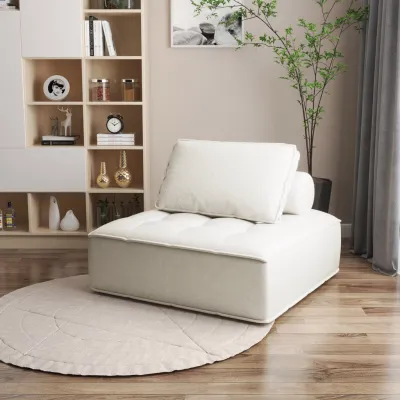
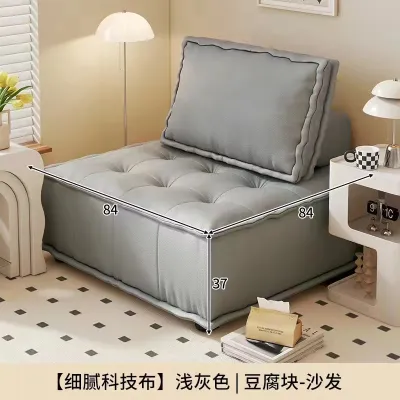
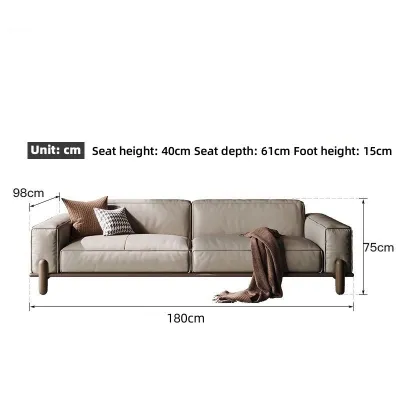
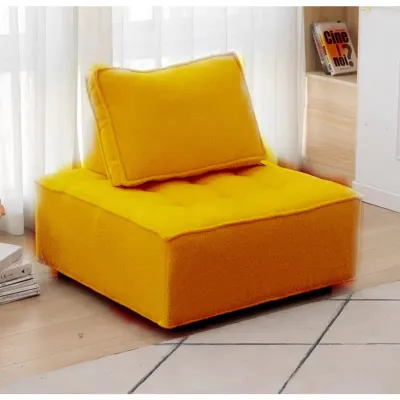
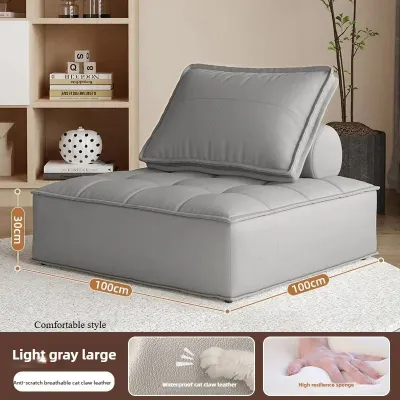
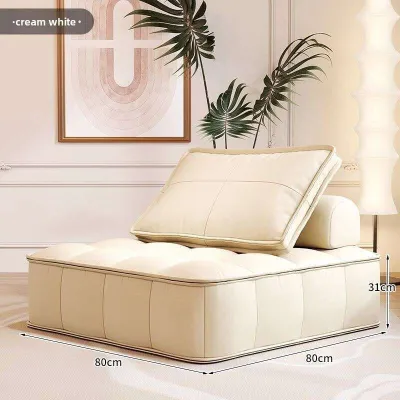
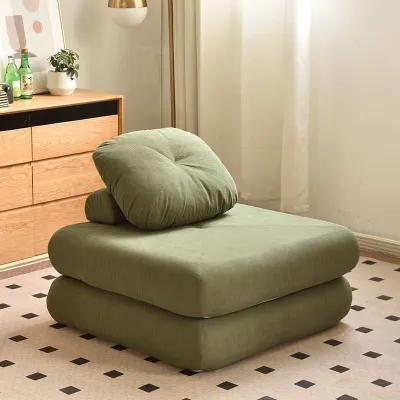
Prices are valid at publication and may change. Please refer to the product page for the latest price.

In an HDB living room, where ceiling heights typically hover around 2.6 meters, the low-profile nature of a tofu sofa can be highly advantageous. By keeping the visual bulk of the furniture close to the floor, these sofas create an illusion of higher ceilings and a more open, airy atmosphere. This visual trick prevents the living space from feeling cramped or overcrowded.
However, the deep-seat design of tofu sofas—often extending 100 centimeters or more from back to front—can significantly restrict walkway clearances. In smaller flat layouts, a deep sofa can eat into the central traffic path, making it difficult to move comfortably between the entryway, the kitchen, and the bedrooms. To maintain comfortable movement, aim for at least 60 to 80 centimeters of clear walkway space around the sofa.
The modular nature of many tofu sofas offers excellent flexibility for adapting to different HDB living room shapes. Instead of committing to a rigid, one-piece three-seater, modular blocks allow you to configure the seating to match your specific wall lengths. This adaptability is particularly useful if you plan to reconfigure your living room layout in the future or move to a different flat.
Core Criteria for Evaluating Tofu Sofa Brand Value
When comparing different furniture brands in Singapore, it is easy to get distracted by styled showroom setups. To find genuine value, you must evaluate brands using a standardized framework based on structural guarantees, material transparency, and after-sales support.
First, closely examine the warranty terms and structural guarantees offered by the brand. A reputable brand should provide a clear warranty on the internal frame and suspension system, typically ranging from 1 to 10 years. Be cautious of brands that offer no warranty or only cover fabric defects, as frame failures are far more costly to resolve. Ensure the brand has a responsive local customer service presence in Singapore to handle any warranty claims or replacement parts efficiently.
Second, look for transparency regarding material sourcing and construction specifications. High-value brands will openly share details about the wood used in their frames, the density of their cushioning foam, and the durability ratings of their fabrics. If a brand cannot or will not provide these specifications, it is often a sign of lower-quality materials that may degrade or sag within a few years.
Finally, review the brand’s customer service policies regarding delivery delays, defect resolutions, and fabric batch consistency. Because tofu sofas are highly modular, you may want to purchase additional modules in the future. A reliable brand should maintain consistent fabric dye lots and product dimensions over time, ensuring that any future additions match your existing setup seamlessly.
Matching Sofa Dimensions to Common HDB Layouts
Selecting the right tofu sofa footprint requires careful planning based on your specific HDB flat type and living room geometry. Overestimating the space available can lead to a cramped living area and blocked pathways.
For a 3-room HDB flat, space is at a premium. A large, multi-module tofu sofa will quickly overwhelm the room. Instead, opt for a compact two-seater configuration or a single modular block paired with a separate ottoman. Keep the total length of the sofa under 180 centimeters and the depth under 95 centimeters to preserve precious floor space.
In a 4-room HDB flat, you have more flexibility to accommodate a standard three-seater or a small L-shaped configuration. A total length of 210 to 240 centimeters is generally the sweet spot for these layouts. Ensure that the chaise or extended section of the sofa does not block the path to the kitchen or the hallway leading to the bedrooms.
For 5-room and Executive HDB flats, larger multi-module configurations are highly viable. You can explore wider four-seater setups or symmetrical L-shapes. However, even in larger homes, you must map out critical clearance zones. Ensure there is sufficient distance—ideally at least 1.5 to 2 meters—between the front of the sofa and your TV console for comfortable viewing, and verify that the sofa does not obstruct balcony sliding doors.
Before finalizing any purchase, you must measure the logistical pathway to your home. This includes checking the height, width, and depth of your HDB estate’s passenger lift, as well as the turning radiuses of narrow corridors and staircase landings. Because tofu sofas are often bulky and blocky, ensuring they can physically fit through your doorway and lift is just as important as ensuring they fit in your living room.
Verifying Material Quality and Frame Durability
To ensure your tofu sofa stands up to daily use, you must know how to inspect and verify its physical quality before buying. Do not rely on vague marketing terms like “ultra-durable” or “premium fabric”; instead, look for verifiable technical specifications.
Start by checking the fabric’s durability using official product labels or spec sheets. Look for the Martindale rub count, which measures abrasion resistance. For standard residential use in a busy household, a rub count of 15,000 to 20,000 is recommended. If you have pets or young children, aim for a heavy-duty rating of 30,000 rubs or higher. Additionally, check if the fabric has been treated with a water-repellent or stain-resistant coating, which is highly beneficial for easy cleanup.
Next, investigate the internal frame construction. High-quality tofu sofas utilize kiln-dried hardwood, such as birch, larch, or eucalyptus. The kiln-drying process removes moisture from the wood, preventing it from warping, cracking, or developing mold in Singapore’s humid climate. Avoid sofas constructed primarily from cheap, untreated engineered wood or particle board, as these materials can degrade rapidly under consistent weight and humidity.
Finally, evaluate the foam density used in the seat cushions. Tofu sofas rely on their clean, blocky shapes for their aesthetic appeal; low-quality foam will quickly sag, ruining the look of the sofa. Look for high-resilience (HR) polyurethane foam with a density rating of at least 35kg/m³ to 45kg/m³. This ensures the cushions retain their shape and supportive properties over years of daily use.
Assessing Price Tiers and Value Propositions
Understanding what to expect at different price points in the Singapore furniture market will help you determine which tofu sofa offers the best value for your budget.
In the budget tier (typically under S$1,000), tofu sofas are often sold as flat-packed items or through low-cost online marketplaces. While highly affordable, these options frequently compromise on material quality, using lower-density foam and engineered wood frames. They also tend to offer minimal or no warranty coverage, making them more suitable for temporary living arrangements or low-use spaces.
The mid-range tier (ranging from S$1,000 to S$2,500) represents the sweet spot for most HDB homeowners. In this bracket, you can expect kiln-dried hardwood frames, high-resilience foam cushions, and a wider selection of durable fabrics. Brands in this tier typically offer solid customer support and local warranties of 1 to 3 years, providing a great balance of longevity and affordability.
In the premium tier (above S$2,500), you are paying for top-tier materials and advanced features. These sofas often feature solid hardwood frames, pocket-spring suspension systems, and premium performance fabrics that are highly stain-resistant and pet-friendly. Many premium brands also offer fully removable and washable covers, which significantly extends the lifespan of the sofa and justifies the higher initial investment.
Pre-Purchase and Delivery Checklist for HDB Buyers
To ensure a smooth purchasing and installation process, use this practical checklist before placing your order:
- Confirm Delivery Fees: Check if the brand charges extra for delivery, weekend slots, or manual carrying up staircases if the sofa modules cannot fit into your HDB lift.
- Verify Disposal Services: If you are replacing an old sofa, ask if the retailer offers a disposal service and confirm any associated fees.
- Check Packaging Dimensions: Ensure the boxed dimensions of each modular piece can easily clear your HDB lift door, main gate, and front door frame.
- Inspect Upon Delivery: As soon as the delivery team unpacks the sofa, inspect all seams, fabric tension, and modular connector brackets for any transit damage or manufacturing defects before signing the acceptance form.
Frequently Asked Questions (FAQ)
How do I clean and maintain a tofu sofa in a humid climate?
To maintain a tofu sofa in Singapore’s humid climate, vacuum the fabric weekly using a soft brush attachment to remove dust and allergens. Always refer to the manufacturer’s care label before applying any cleaning agents. To prevent moisture buildup and mold growth within the dense foam cushions, maintain good indoor ventilation, use a dehumidifier during rainy seasons, and keep the sofa away from direct sunlight to avoid fabric fading.
Can I reconfigure a modular tofu sofa if I move to a different HDB flat?
Yes, one of the main benefits of a modular tofu sofa is its ability to be reconfigured. Before moving, measure your new living room layout and check the door clearances to plan the new arrangement. When reconfiguring, ensure that the connector mechanisms (such as alligator clips or bottom brackets) are secure. If you plan to buy additional modules to expand your sofa, check with the brand regarding fabric batch consistency to avoid noticeable color differences.

Community discussion
Share your experience or ask a question. Comments are reviewed before publication.