
Finding the right single latex mattress in Singapore requires looking past flashy showroom displays and understanding the technical specifications that dictate comfort, support, and longevity. A single mattress, typically measuring 91 by 190 centimeters locally, is a highly popular choice for children’s rooms, guest rooms, and compact studio apartments. Because Singapore’s tropical climate brings year-round heat and high humidity, material selection is critical to ensuring a hygienic and comfortable sleep environment.
Natural latex is inherently resistant to dust mites, mold, and mildew, making it exceptionally well-suited for local homes. However, the vast price differences between brands can be confusing for shoppers. To find the best value, you must evaluate mattresses based on their material composition, manufacturing processes, and certified performance rather than relying on unverified marketing claims.
Defining "Value" Across Different Mattress Budget Tiers
To set realistic expectations, it helps to understand what different price points offer in terms of materials and construction. In the entry-level tier, typically under S$500, mattresses are often hybrid designs. Because pure natural latex is expensive to harvest and process, entry-level options usually feature a thin comfort layer of blended or synthetic latex positioned over a pocket spring system or a high-density polyurethane foam base. The latex used is frequently a blend of natural rubber and synthetic Styrene-Butadiene Rubber (SBR). While this provides a touch of the signature latex bounce, the synthetic components may degrade faster under Singapore’s humid conditions, and the thinness of the layer limits the contouring benefits.
Products mentioned in this guide
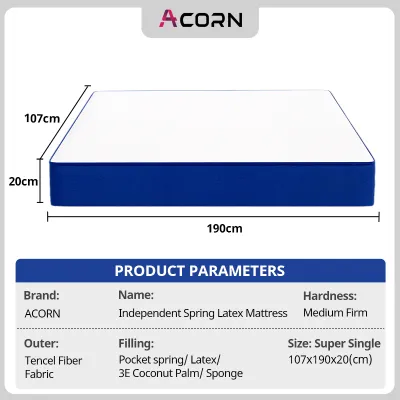
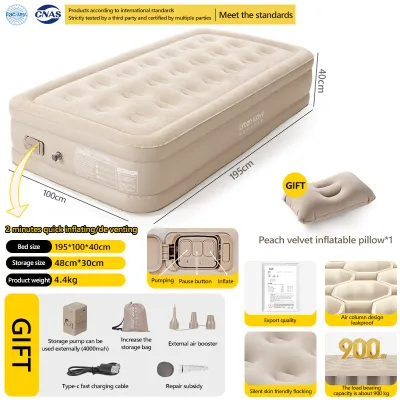
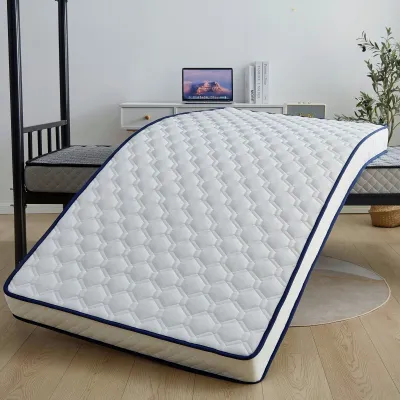
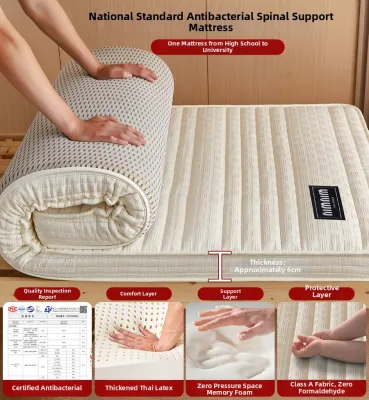
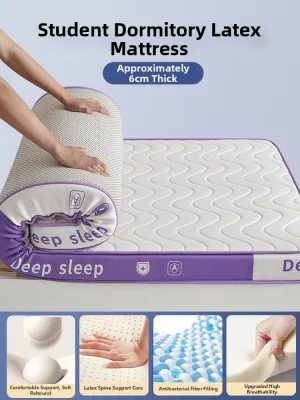
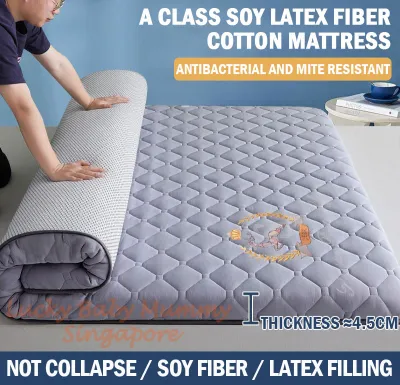
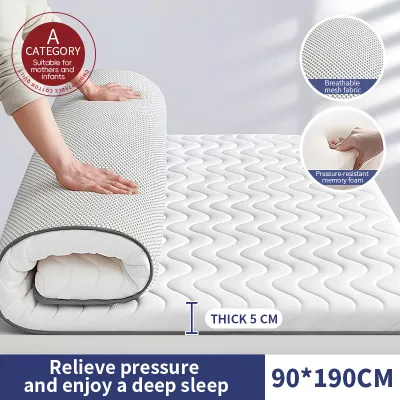
Prices are valid at publication and may change. Please refer to the product page for the latest price.
The mid-range tier, spanning S$500 to S$1,200, offers a significant step up in material purity and structural design. Here, you can expect to find mattresses featuring a higher percentage of natural latex, often reaching 80% to 95% purity, or even solid latex cores of moderate thickness. These mattresses frequently incorporate zoned support, where the latex block is molded with varying pin-core hole sizes to provide firmer support under the hips and softer cushioning under the shoulders. The covers are typically upgraded to breathable semi-synthetic fibers like Tencel or bamboo viscose, which actively help manage moisture.
In the premium segment, which sits above S$1,200, value is defined by absolute material purity, substantial thickness, and long-term durability. These mattresses typically consist of 100% natural organic latex cores, often 18 to 20 centimeters or more in thickness, without any synthetic foam or metal spring fillers. They feature certified organic covers, advanced cooling technologies integrated into the fabric, and comprehensive warranties extending up to 10 or 15 years.
To truly assess value, calculate the cost-per-year of ownership rather than focusing solely on the upfront price. A lower-cost synthetic blend mattress priced at S$400 that sags after three years costs approximately S$133 per year. Conversely, a premium, 100% natural latex mattress priced at S$1,200 that maintains its structural integrity for twelve years costs only S$100 per year. Investing more upfront often yields better spinal support, superior breathability, and a lower long-term cost.
Core Specifications to Check Before Comparing Brands
Understanding the difference between Dunlop and Talalay latex is essential when evaluating specifications. Dunlop is the traditional manufacturing method where liquid latex is whipped, poured into a mold, and baked. This causes natural sediments to settle slightly, making the bottom of the mattress denser and firmer than the top. It is highly durable and supportive. Talalay adds two steps: vacuuming to distribute the liquid evenly and flash-freezing before baking. This creates a highly consistent, airy, and springy cell structure. Talalay is softer and more responsive, making it excellent for pressure relief, though it is typically more expensive.

Indentation Load Deflection (ILD) measures how many pounds of pressure are required to compress a latex sample by 25 percent. While some brands use simple terms like “soft” or “firm,” checking the ILD rating provides an objective comparison. An ILD of 14 to 22 indicates a plush feel, suitable for side sleepers who need deep pressure relief for their shoulders and hips. An ILD of 23 to 32 offers a balanced medium feel, ideal for back sleepers or combination sleepers. An ILD of 33 or higher is firm, providing the robust support required by stomach sleepers or heavier individuals to prevent the pelvis from sinking.
A single latex mattress must have sufficient thickness to support your body weight without bottoming out against the bed frame. For an all-latex mattress, a minimum thickness of 15 centimeters is recommended for average-weight adults. If you opt for a hybrid mattress, ensure the top latex comfort layer is at least 5 centimeters thick. Anything thinner will fail to provide the characteristic pressure relief and contouring of latex, leaving you feeling the stiffer support core underneath.
Singapore’s high relative humidity makes heat retention a major concern for sleep quality. Latex naturally outperforms traditional memory foam in temperature regulation due to its open-cell molecular structure. However, you should specifically look for mattresses featuring a “pin-core” design—a pattern of vertical holes created by the heating rods during the vulcanization process. These holes act as natural ventilation channels, allowing air to circulate every time you move. Pair this with a highly breathable cover made of natural fibers to maximize heat dissipation.
How to Verify Material Claims and Avoid Marketing Traps
Do not rely solely on the marketing text on a brand’s website. Every mattress sold should have a physical law label or a detailed material specification tag sewn into the seam. Inspect this label carefully. It must explicitly state the percentages of the materials used. Look for “100% Natural Latex” rather than ambiguous terms like “natural latex foam” or “latex-infused foam,” which often contain high percentages of polyurethane foam mixed with synthetic chemical additives.
Genuine natural latex brands invest in third-party testing to prove their environmental and safety claims. Look for the Global Organic Latex Standard (GOLS) certificate, which guarantees the latex is organic and sustainably sourced. The eco-INSTITUT certification ensures the mattress is free from harmful emissions, VOCs, and synthetic fillers. OEKO-TEX Standard 100 certifies that the textile cover is safe from harmful chemicals. Always ask the retailer for their official certificate registration numbers and verify them directly on the certifying organization’s online database to ensure they are current and valid.
Be highly skeptical of brands offering “pure natural latex” single mattresses at prices that seem too good to be true, such as under S$300. High-quality natural latex harvesting is a labor-intensive process, and low prices almost always indicate a high proportion of synthetic SBR latex or a very thin latex layer padded with cheap polyurethane foam. Other red flags include a lack of transparent sourcing information, vague warranty terms that do not specify what depth of sagging is covered, and a refusal to provide detailed density or ILD specifications.
Many modern mattress brands offer home trial periods, typically ranging from 30 to 100 nights. However, you must read the terms and conditions carefully before purchasing. Some brands charge substantial return shipping or restocking fees within Singapore, while others require you to keep the mattress for a mandatory “break-in” period of at least 30 days before initiating a return. Additionally, verify whether you must retain the original plastic packaging or if the brand handles the collection and recycling of the returned mattress.
A Step-by-Step Framework to Build Your Final Shortlist
Before finalizing your purchase, verify the exact dimensions of the single mattress. In Singapore, a standard single mattress measures 91 centimeters wide by 190 centimeters long, but some international brands sold locally may follow European or American sizes. Measure your existing bed frame’s inner clearance to ensure a perfect fit. Furthermore, consider the logistics of delivery. Solid latex mattresses are exceptionally heavy and highly flexible, meaning they flop and bend easily. Ensure your home’s doorways, corridors, and HDB or condominium elevators have sufficient clearance to accommodate the delivery team without damaging the mattress.
If possible, visit a local showroom to test your shortlisted options. Wear comfortable clothing and spend at least 15 to 20 minutes lying on each mattress in your primary sleeping position. Do not simply press your hand into the foam or sit on the edge, as this does not replicate the distribution of your body weight while sleeping. Focus on how well the mattress supports your lower back and whether your shoulders and hips sink in just enough to keep your spine in a neutral, straight alignment.
Evaluate the complete service package offered by each brand. Check if delivery is included in the purchase price or if there are additional fees for weekend delivery or carrying the mattress up stairs if there is no lift access. If you are replacing an old bed, ask if the brand provides a disposal service for your old mattress and what the associated fee is. Finally, scrutinize the warranty document; a valuable warranty should cover visible indentations of 2 centimeters or more and should not be prorated in a way that diminishes its value rapidly over time.
Compile your findings into a simple decision matrix. Compare the verified natural latex content, the suitability of the ILD rating for your sleep style, the warranty terms, and the total cost including delivery and disposal. By balancing these objective technical specifications against your personal comfort during physical testing, you can confidently select a single latex mattress that offers the absolute best value for your specific budget.
Frequently Asked Questions (FAQ)
Is a single latex mattress suitable for hot sleepers in Singapore?
Yes, a high-quality single latex mattress is highly suitable for hot sleepers in Singapore. Natural latex possesses an open-cell structure that does not trap body heat the way traditional memory foam does. Additionally, almost all latex mattresses are manufactured with pin-core ventilation holes that actively promote airflow throughout the mattress core. To maximize this cooling effect, ensure the mattress is paired with a highly breathable cover made of natural fibers like Tencel, bamboo, or organic cotton, and avoid heavy, synthetic mattress protectors that block airflow.
How long should a good quality latex mattress last?
A high-quality, 100% natural latex mattress is exceptionally durable and can easily last between 10 to 15 years with proper care. In contrast, synthetic or blended latex mattresses typically have a shorter lifespan of 5 to 8 years, as the synthetic polymers tend to break down and lose their elasticity faster. To maximize the lifespan of your mattress, protect it from direct exposure to moisture and sunlight, which can degrade the natural rubber. You should consider replacing your mattress if you notice permanent body indentations, a significant loss of support, or if you wake up with persistent back stiffness.
Do I need a specific bed frame for a single latex mattress?
Yes, a single latex mattress requires a highly supportive and breathable foundation to maintain its structural integrity and validate its warranty. If you use a slatted bed frame, the slats must be strong, non-flexing, and spaced no more than 5 to 7 centimeters apart; wider spacing can cause the heavy, flexible latex to sag between the slats, leading to uneven wear. Solid platform beds are also excellent, provided they allow some ventilation. Avoid placing a latex mattress directly on the floor in Singapore’s humid climate, as this traps moisture underneath, creating a high risk of mold and mildew growth.

Community discussion
Share your experience or ask a question. Comments are reviewed before publication.