
Finding a high-quality jacket hanger stand in Singapore requires looking beyond aesthetic appeal to evaluate structural engineering, material durability, and spatial footprint. In Singapore’s compact residential layouts, such as HDB flats and condominiums, an entryway or bedroom organizer must maximize vertical space without obstructing daily foot traffic. To secure true value, buyers must assess how well a stand withstands the local humid climate while supporting daily loads of office blazers, damp raincoats, or heavy bags.
True quality in a jacket hanger stand is not determined by premium branding or high price tags alone. Instead, it is found in the physical specifications of the product: the weight of its base, the thickness of its central support pole, the integrity of its joints, and the protective qualities of its surface finish. By analyzing these engineering elements and matching them to your household’s specific storage habits, you can select a durable organizer that offers long-term utility.
Defining Quality and Value in Jacket Hanger Stands
When shopping for furniture in Singapore, defining “value” requires shifting focus from the initial purchase price to the total cost of ownership over the product’s lifespan. A cheap, poorly balanced stand that warps, rusts, or tips over within a few months represents poor value, regardless of how low the price tag was. High-value jacket hanger stands are those constructed from durable materials with robust engineering that ensures they remain stable and functional for years of daily use.
Products mentioned in this guide
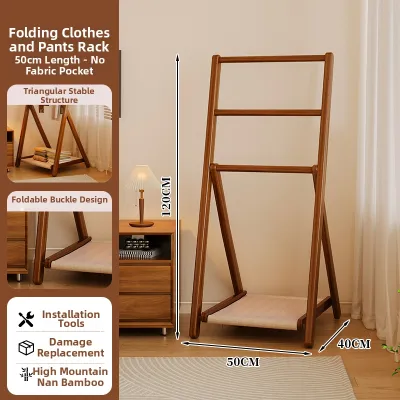
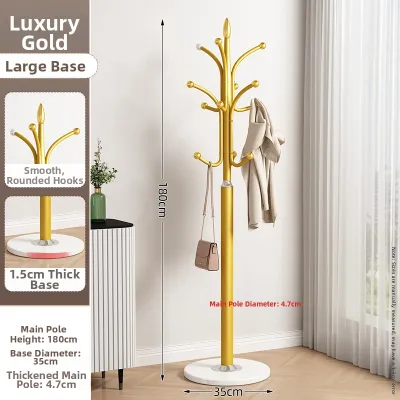
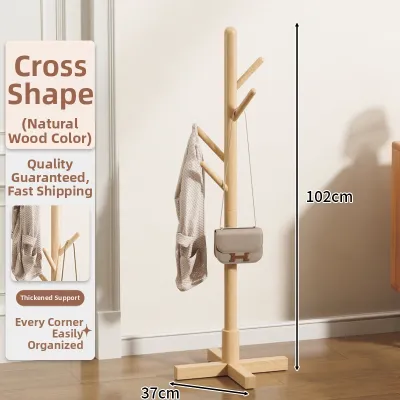
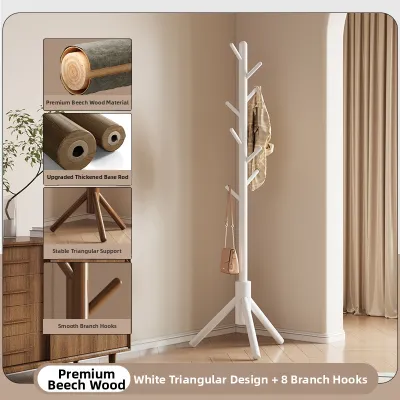
![[✅SG Ready Stock] 100% solid wood Wooden Clothes Hanger Rack Nordic Style Clothes Hanger Hook Bedroom Coat Stand Rack](https://img.lazcdn.com/g/p/f4e39069115cbc3402d9b2bbb638ae5a.png_400x400q80.png_.webp)
![[SG Stock]Nordic Style Clothes Hanger Hook Bedroom Coat Stand Rack Solid Wood Coat and Hat Rack](https://img.lazcdn.com/g/p/3dc771235a8e2c27737d411ee2d7f993.jpg_400x400q80.jpg_.webp)
Prices are valid at publication and may change. Please refer to the product page for the latest price.
Evaluating structural integrity begins with analyzing the manufacturer’s technical specifications. Pay close attention to the thickness of the central support pole; a thin-walled metal tube or a slender wooden dowel is highly susceptible to bending or snapping under uneven loads. The weight and diameter of the base are equally critical, as a low center of gravity is what prevents the entire structure from toppling when you hang a heavy jacket or bag on one side.
It is a common misconception that material names alone guarantee quality. For instance, a stand advertised as “solid wood” may still fail if it is constructed from soft, unsealed timber that absorbs moisture from Singapore’s humid air, leading to warping or mold growth. Similarly, metal stands can quickly corrode if they lack a high-quality powder-coated or rust-resistant finish. Look for products that feature reinforced joints—such as metal-to-metal threaded inserts rather than simple wood screws that strip the surrounding material over time.
Another reliable indicator of a brand’s quality is the presence of local warranty support and clear return policies. Brands that offer a structural warranty, even for a period of one to two years, demonstrate confidence in their manufacturing standards and material choices. Having a local customer service presence in Singapore also ensures that if a component is missing or damaged during transit, you can easily obtain a replacement without dealing with complicated international shipping processes.
Essential Features to Verify Before Buying
Before making a purchase, it is vital to verify several practical features to ensure the jacket hanger stand is safe, functional, and compatible with your home. The first specification to check is the manufacturer’s labeled weight capacity, which is typically measured in kilograms. To determine if a stand meets your needs, estimate the weight of the items you plan to hang regularly. While a lightweight linen shirt or rain jacket weighs very little, a heavy wool winter coat, a structured business suit, or a fully loaded commuter backpack can easily exceed three to five kilograms individually.

The base footprint of the stand must be carefully measured against your available floor space. In many Singaporean homes, entryways and corridors are narrow, meaning a stand with an excessively wide base can become a tripping hazard or block the path to the front door. Ideally, measure the exact dimensions of your intended placement area, allowing for at least thirty centimeters of clearance around the stand so that hanging garments do not brush against walls or block adjacent doors. Look for stands that feature weighted bases—often reinforced with cast iron or heavy composite materials—or low-profile tripod designs that offer high stability within a compact footprint.
Examine the design of the hooks and arms closely to protect your wardrobe from damage. Hooks should have smooth, rounded, or flared ends to prevent fabric stretching, snagging, or puncturing. Delicate materials common in Singapore’s warm climate, such as silk, satin, and fine cotton, are particularly vulnerable to damage from sharp or poorly finished metal and wooden edges. If you plan to hang structured garments like suit jackets, look for stands that feature wide, contoured hanger-style arms that mimic the natural shape of human shoulders, preserving the garment’s shape.
Assembly requirements are another critical factor that can impact your overall satisfaction with the product. Review the manufacturer’s assembly instructions online before buying to see if the process requires specialized tools, or if all necessary hardware and hex keys are included in the box. Tool-free assembly designs that use threaded dowels are convenient, but you must verify that the joints remain tight and do not wobble after repeated use. If the assembly process appears overly complex or requires heavy lifting, check if the retailer offers professional assembly services in Singapore.
Matching Stand Designs to Your Space and Needs
The ideal jacket hanger stand design depends entirely on your home’s layout, the amount of available floor space, and your daily storage habits. Choosing the right form factor ensures that the stand serves as an efficient organizer rather than an obstructive piece of clutter.
Freestanding Tree and Branch Stands
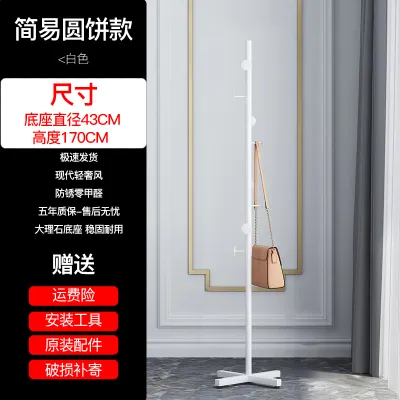
The traditional tree-style stand features multiple hooks branching out from a single central pole, making it an excellent choice for corners and high-capacity entryways. This design is highly efficient at utilizing vertical space, allowing you to hang numerous jackets, hats, and bags in a compact area. However, because the hooks extend in multiple directions, stability is highly dependent on how you distribute the weight. To prevent the stand from leaning or tipping, you must make a conscious effort to distribute hanging items evenly around the central pole rather than overloading a single side.
Minimalist Single-Pole and Valet Stands
For small bedrooms, walk-in wardrobes, or dressing areas, a minimalist single-pole or valet stand offers a sleek, space-saving alternative. These stands are typically designed to hold a single outfit of the day, featuring a contoured hanger for a jacket, a trouser bar, and a small tray for accessories like watches and keys. Because of their narrow profile and lightweight construction, it is crucial to verify the base weight and look for anti-slip rubber pads on the bottom. These features ensure the stand remains upright and does not slide on polished tile or wood flooring when you place or remove garments.
Tiered and Multi-Functional Stands
If you need to maximize storage in a limited entryway, tiered and multi-functional stands incorporate additional features such as shoe racks, storage baskets, or umbrella holders at the base. The added weight of shoes and accessories at the bottom of the stand naturally lowers its center of gravity, making these models exceptionally stable and highly resistant to tipping. However, these multi-functional designs require a larger overall physical footprint than simple pole stands. They also require regular organization, as an overloaded tiered stand can quickly make an entryway look cluttered and chaotic.
Where to Find Trusted Brands in Singapore
Navigating the retail landscape in Singapore to find a reliable jacket hanger stand requires knowing where to look and how to evaluate different shopping channels. Visiting large furniture showrooms across the island—such as those located in major retail hubs or industrial estates like Ubi, Toh Guan, and Sungei Kadut—allows you to physically inspect the products. In a showroom, you can test the stand’s stability by gently shaking it, examine the quality of the wood or metal finish, and verify the actual dimensions to ensure they match the manufacturer’s specifications.
For those seeking premium, design-forward brands that focus specifically on space-saving solutions, specialized home organization boutiques are an excellent option. These retailers often curate high-quality international brands from Japan, Europe, or Scandinavia that specialize in minimalist aesthetics and clever engineering. While these premium options may carry a higher price tag, they often feature superior materials, such as sustainably sourced solid hardwoods or heavy-gauge steel with advanced rust-resistant coatings, making them a worthwhile long-term investment.
If you prefer the convenience of online shopping, stick to official brand websites or authorized stores on major e-commerce platforms. Purchasing from authorized sellers ensures that you receive an authentic product, a valid manufacturer’s warranty, and access to reliable customer support. Avoid unbranded, suspiciously cheap listings on open online marketplaces, as these products often use thin, low-grade metals, fragile plastic joints, and lack the necessary base weight to remain stable under normal household use.
Regardless of where you choose to buy, a thorough vetting process is essential to ensure quality. Take the time to read verified customer reviews, paying close attention to feedback from buyers who have used the product for several months or years. Look for specific mentions of joint durability, base stability, and whether the paint or varnish has chipped or peeled over time. Reviews that highlight easy assembly and responsive customer service from the seller are also strong indicators of a reliable brand.
Safe Setup and Long-Term Maintenance
Once you have selected and purchased your jacket hanger stand, proper assembly and ongoing maintenance are key to ensuring its safety and extending its operational lifespan. During the initial setup, carefully follow the manufacturer’s step-by-step instructions. Ensure that all screws, bolts, and joints are tightened securely using the correct tools. Placing the stand on a completely level, non-slip surface is critical; if your flooring is uneven, consider using felt pads or adjustable leveling feet to stabilize the base and prevent any wobbling.
Safe weight distribution is a fundamental aspect of daily use, especially in households with young children or active pets. Always place heavier items, such as winter coats or heavy bags, on the lowest hooks or shelves to keep the center of gravity as low as possible. When hanging or removing items, try to distribute the load evenly across all sides of the stand rather than concentrating everything on one hook. Educate family members not to pull down on the hooks or use the stand as a support grip, as sudden lateral force can easily cause even a heavy stand to tip over.
Routine maintenance is simple but highly effective at preserving the appearance and structural integrity of your stand. Dust the stand regularly with a soft, dry microfiber cloth to prevent the buildup of grime, which can trap moisture and damage the finish. If a spill occurs, wipe it up immediately with a damp cloth and dry the area thoroughly to protect wood from swelling or metal from corroding. Periodically check all joints and screws—perhaps once every six months—and gently tighten any that have loosened from daily vibrations, ensuring the stand remains rigid and safe for years to come.
Frequently Asked Questions (FAQ)
This section addresses common queries regarding the weight limits, spatial alternatives, and safety considerations of using a jacket hanger stand in Singapore homes.
How much weight can a typical jacket hanger stand hold?
The weight capacity of a jacket hanger stand varies significantly depending on its design, material composition, and base stability. Lightweight minimalist stands may only support five to ten kilograms, whereas heavy-duty solid wood or reinforced metal stands can safely hold fifteen to thirty kilograms or more. Always check the manufacturer’s specific weight rating before purchasing, and remember to distribute the load evenly to prevent structural strain or tipping.
Are wall-mounted coat racks better than freestanding stands for small spaces?
Wall-mounted coat racks are highly efficient for small spaces because they completely free up floor area, making them ideal for narrow HDB entryways. However, they require drilling into the wall and must be securely anchored into concrete or structural studs to support heavy loads safely. Freestanding jacket hanger stands offer the advantage of mobility, allowing you to move them easily between rooms without damaging your walls, though they do require a dedicated portion of floor space.
How do I prevent a freestanding coat rack from tipping over?
To prevent a freestanding coat rack from tipping, always place the heaviest items on the lower hooks or bottom shelves to maintain a low center of gravity. Distribute garments evenly around the entire circumference of the stand rather than hanging multiple heavy items on a single side. Additionally, ensure the stand is assembled correctly on a flat, level surface, and position it away from high-traffic doorways or active play areas where it could be accidentally bumped.

Community discussion
Share your experience or ask a question. Comments are reviewed before publication.