
Finding the best clothes hanger stand for a compact Singapore apartment requires moving beyond brand names to focus on structural engineering, material finishes, and spatial efficiency. In typical Housing & Development Board (HDB) flats and modern condominiums, floor space is at a premium. A poorly chosen stand can quickly become an obstructive hazard or succumb to the region’s intense humidity.
The ideal brand is one that offers a narrow physical footprint, robust corrosion-resistant materials, and a design that matches your specific room layout. To make an informed decision, you must evaluate how a stand’s dimensions, base stability, and protective coatings perform within the unique environmental and architectural constraints of Singapore homes.
Identify Essential Space-Saving Features for HDB and Condo Layouts
Living in a compact HDB flat or condominium requires a strategic approach to vertical storage. Standard, wide-set coat racks designed for spacious suburban homes often fail in narrow entryways, corridors, or small bedrooms. These traditional models feature sprawling legs that consume valuable floor area and disrupt household foot traffic. When selecting a clothes hanger stand, prioritizing a slim profile is essential. A slim profile ensures the unit hugs the wall or fits neatly into underutilized corners, keeping walkways clear and maintaining a tidy visual flow.
Products mentioned in this guide
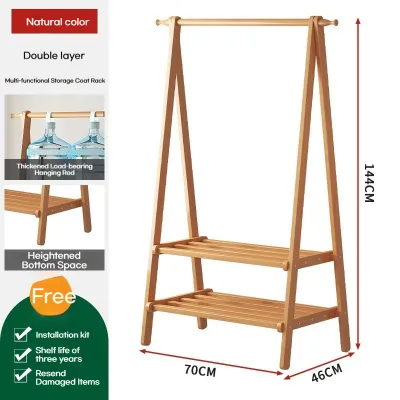
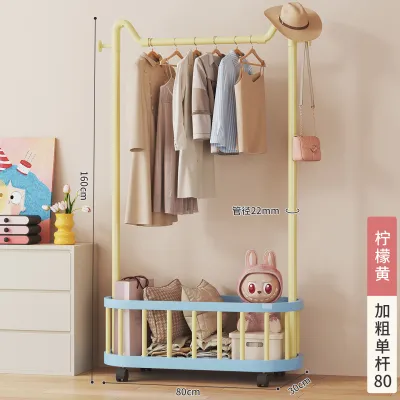
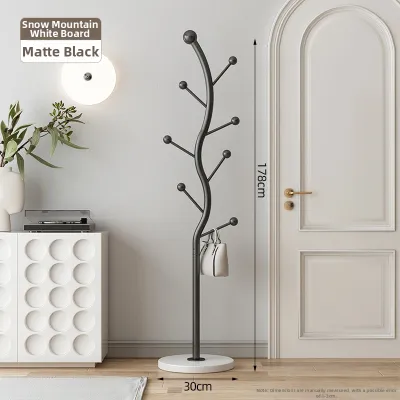
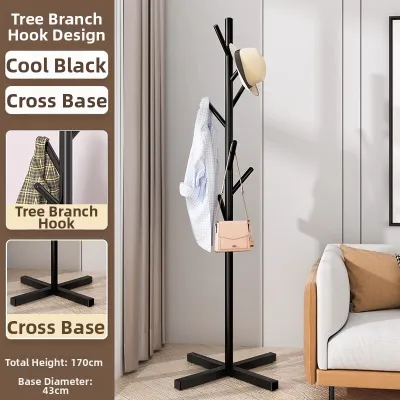
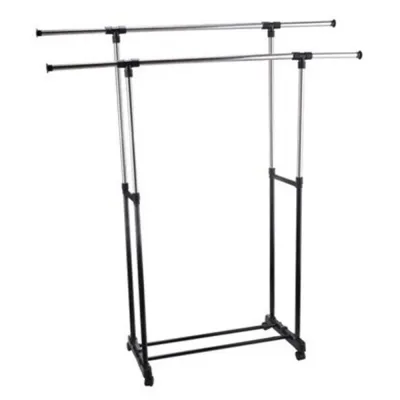
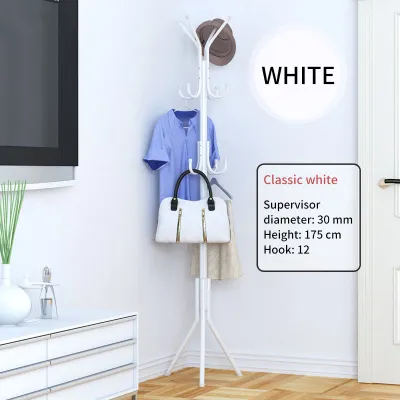
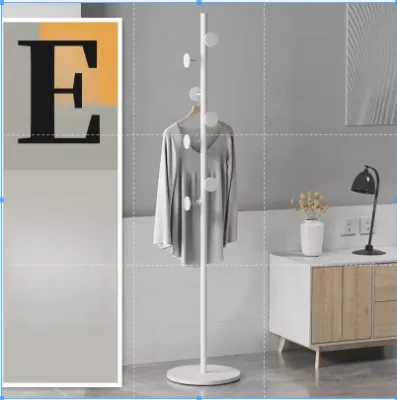
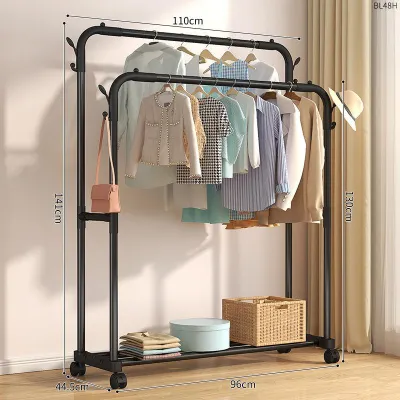
Prices are valid at publication and may change. Please refer to the product page for the latest price.
Foldable or collapsible mechanisms offer exceptional utility in multi-functional spaces. In many Singaporean households, a guest bedroom might double as a home office, or a living room might occasionally serve as an exercise area. A stand that collapses flat can be easily tucked away behind a wardrobe, under a bed, or inside a utility closet when not in use. This flexibility allows you to reclaim floor space instantly when hosting guests or performing daily chores. Look for smooth, durable hinges and secure locking pins that guarantee the stand remains rigid when fully extended but folds down without requiring specialized tools.
Vertical space utilization is another critical feature for small layouts. Instead of expanding horizontally, a well-designed stand maximizes its height to provide ample hanging capacity. This is often achieved through multi-tiered hanging rails, staggered hooks, or tree-like branch designs. By stacking storage vertically, you can hang long garments, such as dresses or trousers, alongside shorter items like jackets and bags without cluttering the floor. Ensure the upper sections are easily reachable and do not compromise the overall balance of the structure.
Before purchasing, it is vital to measure the actual floor footprint of the stand’s base rather than relying solely on the width of the top hanging rail. Many online listings highlight the compact nature of the upper rack while omitting the fact that the legs flare outward significantly at the bottom to maintain stability. A wide, tripod-style base can easily block a bedroom door or create a tripping hazard in a narrow corridor. Compare the base dimensions against your planned placement area, factoring in a safety margin of at least ten to fifteen centimeters on all sides to prevent the stand from rubbing against walls or furniture.
Adjustable heights and removable hooks provide the adaptability needed for evolving storage demands. A stand with an adjustable central column allows you to customize the height based on the available ceiling clearance and the length of your garments. Removable or repositionable hooks let you configure the layout to accommodate bulky items, such as backpacks or umbrellas, without crowding adjacent clothes. This level of customization ensures the stand remains highly functional even if your wardrobe or room arrangement changes over time.
Evaluate Brand Reliability and Build Quality for Humid Climates
Singapore’s tropical climate, characterized by high relative humidity levels that frequently exceed 80 percent, presents a severe challenge to furniture durability. Moisture in the air accelerates the oxidation of metals and encourages the growth of mold on organic materials. Therefore, evaluating a brand’s material choices and surface treatments is crucial for ensuring your clothes hanger stand remains functional and visually appealing over the long term. A reliable brand will explicitly detail its protective finishes rather than making generic claims about durability.

When assessing metal stands, look for specifications indicating the use of powder-coated steel or aluminum. Powder coating involves applying a dry thermoplastic or thermoset polymer powder to the metal surface, which is then cured under heat to form a hard, continuous protective barrier. This finish is significantly more resistant to chipping, scratching, and moisture penetration than standard liquid paint. If a brand does not specify the type of coating used, verify the product details or contact customer support to confirm if the metal is treated for rust resistance, particularly if you plan to place the stand near a window or in a service yard.
Wooden stands can also be suitable for humid environments, provided they have been properly sealed. Raw or untreated wood absorbs moisture from the air, leading to warping, cracking, and fungal growth. Reliable brands use dense hardwoods or high-quality engineered woods that are thoroughly sealed with polyurethane varnishes, water-resistant lacquers, or specialized outdoor-grade oils. Check the care instructions provided by the manufacturer; if they warn against any exposure to dampness or recommend dry-wiping only, the seal may be minimal, making the stand unsuitable for high-humidity zones like balconies or laundry areas.
Verifying weight capacity claims is another essential step in assessing build quality. Manufacturers often advertise impressive load capacities, but these figures are sometimes calculated under ideal laboratory conditions with perfectly distributed weight. To get a realistic understanding of a stand’s strength, cross-reference the official specifications with user feedback on online marketplaces. Look for reviews that mention how the stand behaves when loaded to capacity. If multiple buyers report that the frame bends, bows, or wobbles under standard daily use, the brand’s structural claims may be exaggerated.
A brand’s warranty terms and return policies serve as practical indicators of its confidence in product quality. Reputable furniture brands operating in Singapore typically offer a clear warranty period covering structural defects, joint failures, or premature rust. Read the fine print to understand what is excluded, such as damage from overloading or improper assembly. Additionally, responsive customer service channels and a straightforward return policy are invaluable if you receive a defective component or if the stand does not fit your space as expected.
Finally, prioritize brands that supply comprehensive assembly kits, labeled components, and detailed step-by-step instructions. Poorly manufactured stands often suffer from misaligned screw holes, cheap plastic connectors, or inadequate fastening hardware, all of which compromise structural integrity. High-quality brands use robust metal-to-metal connectors, such as threaded inserts and hex bolts, rather than relying on self-tapping screws that can strip the material. Some brands also offer replacement parts, such as spare wheels, joints, or leveling feet, ensuring that a single worn-out component does not render the entire stand useless.
Match Hanger Stand Designs to Your Specific Room Layout
Selecting the right clothes hanger stand requires a careful analysis of where the unit will reside and how it will interact with the daily flow of your home. A stand that works perfectly in a spacious master bedroom may become an obstacle in a compact entryway. By matching the physical design of the stand to the specific layout and traffic patterns of your room, you can maximize storage capacity while preserving comfortable walking pathways and door clearances.
Corner and Wall-Leaning Stands for Narrow Corridors
Narrow entryways and corridors in HDB flats require stands that occupy minimal floor depth. Corner stands, which typically feature a triangular base, are engineered to slide flush into ninety-degree corners that would otherwise remain empty. This design utilizes dead space while keeping the main walkway completely clear. Wall-leaning stands, or ladder-style racks, offer another highly efficient solution. These models lean against the wall at a slight angle, utilizing vertical height while requiring only a small strip of floor space at the base.
While wall-leaning designs are exceptionally sleek, stability is a critical consideration. Because these stands rely on gravity and friction to remain upright, they must feature non-slip rubber or silicone pads on both the wall-contact points and the feet to prevent sliding. Before purchasing, verify whether the manufacturer recommends or includes wall-anchoring hardware. Anchoring the stand to the wall is highly recommended, especially if you have uneven flooring, to prevent accidental tipping when heavy bags or coats are hung on the upper rungs.
Rolling and Foldable Stands for Multi-Purpose Rooms
For rooms that serve multiple functions, such as a study that doubles as a guest room or a living room used for home workouts, mobility and adaptability are key. Rolling clothes hanger stands equipped with caster wheels allow you to easily reposition your wardrobe storage as your daily needs change. You can roll the stand next to your washing machine to hang damp clothes, move it to a sunny spot near the window for drying, and then wheel it back into a closet or bedroom once the garments are dry.
When choosing a rolling stand, ensure the wheels are made of durable materials like polyurethane or rubber, which glide smoothly without scratching delicate vinyl, laminate, or parquet flooring. At least two of the casters must feature reliable locking mechanisms to keep the stand firmly in place during use. Keep in mind the trade-off between mobility and stability: rolling stands often have a higher center of gravity, meaning they can become top-heavy and prone to tipping if overloaded or pushed too quickly across uneven surfaces or rug edges.
Tension Pole and Over-the-Door Alternatives for Zero Footprint
When floor space is completely unavailable, floor-to-ceiling tension pole systems and over-the-door racks offer excellent zero-footprint alternatives. Tension pole stands utilize a heavy-duty internal spring or a screw-expansion mechanism to secure a vertical metal pole firmly between the floor and the ceiling. These systems feature adjustable, rotating branches or hanging brackets that can be positioned at various heights, providing substantial vertical storage without occupying any usable floor area.
Before choosing a tension pole system, you must perform critical compatibility checks. Ensure your ceiling is solid; tension poles cannot be safely installed against hollow false ceilings, plasterboard, or suspended ceiling panels commonly found in modern condo renovations, as the pressure can cause structural damage or lead to a collapse. For over-the-door racks, measure the thickness of your door and the clearance gap at the top of the frame. The door must have sufficient clearance—typically at least two millimeters—to open and close smoothly with the bracket installed.
Verify Product Claims and Filter Reviews on Online Marketplaces
Online marketplaces offer an overwhelming variety of clothes hanger stands, but navigating these platforms requires a critical eye to avoid low-quality purchases. Many budget-friendly options use clever photography and exaggerated product descriptions to mask structural weaknesses or inferior materials. To protect your investment and ensure you receive a durable product, you must learn how to filter out misleading claims and identify genuine user experiences.
When browsing online listings, bypass the promotional highlights and head straight to the critical customer reviews. Focus your search by filtering for specific keywords such as “stability,” “rust,” “flimsy joints,” “tipping,” or “wobble.” These terms will quickly reveal common failure points that the manufacturer’s description ignores. Pay close attention to reviews written after several months of use; a stand that feels sturdy during the first week of assembly may begin to sag, rust, or loosen at the joints after exposure to daily loads and Singapore’s humid air.
Another common pitfall is relying on the scale depicted in promotional images. Sellers frequently use digital rendering to place a clothes hanger stand into a stylized room setting, often shrinking the scale of the surrounding furniture or the clothes themselves to make the stand appear larger and more spacious than it actually is. To counter this, always cross-reference the written dimensions in the product specification sheet with a physical measuring tape at home. Pay special attention to the base width and depth, as this represents the absolute minimum floor space the stand will occupy.
User-uploaded photos in the review section are invaluable tools for verifying the realistic scale and build quality of a stand. These images show the product in real-world environments, under natural lighting, and often fully loaded with actual clothing. Look closely at these photos to evaluate the thickness of the metal tubes, the quality of the plastic or metal joints, and the overall alignment of the frame. If the tubes appear paper-thin or the joints look stressed under the weight of a few shirts, it is a clear sign to look for a more robust alternative.
Be skeptical of vague material descriptions like “high-grade metal” or “premium wood.” A reputable brand will provide specific details, such as “powder-coated carbon steel” or “solid rubberwood with a polyurethane finish.” If these details are missing, it is highly likely the product uses cheaper materials prone to rapid degradation. Additionally, check if the seller offers clear assembly support, such as an instructional video or a downloadable PDF manual, which indicates a higher level of product care and professional manufacturing.
Ensure Stability and Maintain Your Stand in High Humidity
Once you have selected and purchased the ideal clothes hanger stand, proper assembly and ongoing maintenance are essential to ensure its long-term stability and safety. Even a high-quality stand can become unstable or deteriorate prematurely if it is assembled incorrectly or neglected in a harsh, humid environment. Taking a few proactive steps during and after assembly will keep your stand sturdy and rust-free for years to come.
Begin by carefully following the manufacturer’s assembly instructions, ensuring that you do not rush the process. When joining the components, insert all screws and bolts loosely at first to allow the frame to settle naturally. Once all parts are in place, tighten the fasteners gradually and evenly, working your way from the base upward. This method prevents the frame from twisting or becoming misaligned, which is a primary cause of wobbling. If the stand includes adjustable leveling feet, use them to compensate for any minor unevenness in your flooring, ensuring the central column remains perfectly vertical.
Routine maintenance is crucial for combating the effects of Singapore’s humid climate. Every few months, perform a quick physical check of the stand. Gently shake the frame to test for any play or looseness at the joints; if you detect any movement, use the appropriate tools to retighten the bolts. Over time, the repeated action of hanging and removing clothes can cause fasteners to back out slightly, compromising the structural integrity of the unit.
Inspect the surface of the stand regularly for early signs of rust or mold. If your stand is located near an air conditioning unit, a window exposed to rain splashes, or inside a humid service yard, it is particularly vulnerable. If you spot mold on a wooden stand, wipe it down immediately with a damp cloth and a mild, wood-safe disinfectant, then dry the surface completely with a clean towel. For metal stands, address any chipped paint or minor rust spots quickly by cleaning the area and applying a small amount of rust-inhibiting touch-up paint to prevent the oxidation from spreading beneath the surrounding coating.
Always adhere strictly to the manufacturer’s stated weight limits and load distribution guidelines. Avoid hanging all your heaviest items, such as wet laundry or bulky bags, on one side of the stand, as this uneven weight distribution creates a tipping hazard. Instead, distribute the weight evenly across the hooks or rails, placing heavier items lower down and closer to the center pole to maintain a low center of gravity. By combining careful assembly, regular maintenance, and mindful usage, your clothes hanger stand will remain a reliable, space-saving asset in your compact Singapore home.
Frequently Asked Questions (FAQ)
Can a freestanding hanger hold heavy winter coats without tipping over?
Yes, a freestanding hanger stand can safely hold heavy winter coats, provided you respect the manufacturer’s specified weight limits and distribute the load correctly. To prevent tipping, always hang heavier garments on the lower hooks or position them as close as possible to the central support pole. This practice keeps the center of gravity low and stable, minimizing the risk of the stand falling over.
Are wooden coat racks suitable for Singapore's humidity?
Wooden coat racks are suitable for Singapore’s humid climate only if they have been treated with a high-quality, moisture-resistant finish, such as a polyurethane sealant or protective lacquer. Untreated or poorly sealed wood will absorb atmospheric moisture, leading to warping, cracking, and mold growth. Always check the product specifications for a humidity-resistant finish and avoid placing wooden stands in damp areas like service yards.
How do I measure my space to ensure the stand will fit?
To ensure a proper fit, measure the height, width, and depth of the designated spot, paying close attention to the base dimensions of the stand rather than just the top rail. You must also account for the clearance needed for the hangers themselves, the swing radius of nearby doors, and at least ten to fifteen centimeters of breathing room around the stand to maintain clear walking pathways.

Community discussion
Share your experience or ask a question. Comments are reviewed before publication.