
In compact Singaporean homes, maximizing floor space is a constant design priority. Whether you are furnishing a cozy HDB apartment, a modern condominium, or a flexible home office, the kitchen island or high counter often serves multiple purposes, functioning as a breakfast bar, a work-from-home desk, and an entertainment zone. Folding high stools offer an elegant, space-saving solution for these multi-functional areas, allowing you to set up seating instantly and tuck it away when not in use. However, finding a stool that balances this convenience with structural safety and long-term value requires looking beyond surface aesthetics to evaluate materials, engineering, and physical dimensions.
Selecting a high-quality folding stool involves understanding how daily wear affects mechanical joints and materials. Unlike fixed seating, folding furniture experiences repetitive mechanical stress every time it is opened, closed, or moved. A poorly constructed stool can quickly develop wobbles, squeaks, or even structural failures at critical pivot points. By focusing on key construction markers, precise spatial measurements, and safety features, you can identify reliable seating options that withstand the demands of daily use while fitting seamlessly into your home layout.
Key Criteria for Evaluating Folding High Stool Brands
Evaluating the frame material is the first step in determining the lifespan of a folding high stool. High-quality brands typically utilize heavy-duty steel or aluminum tubing for the main structural support. For metal frames, look for powder-coated finishes rather than simple wet paint or basic chrome plating. Powder coating involves electrostatically applying a dry powder that is cured under heat, creating a thick, resilient barrier. This finish is highly resistant to chipping, scratching, and moisture, which is particularly important in Singapore’s humid tropical climate where exposed metal is prone to rust.
Products mentioned in this guide
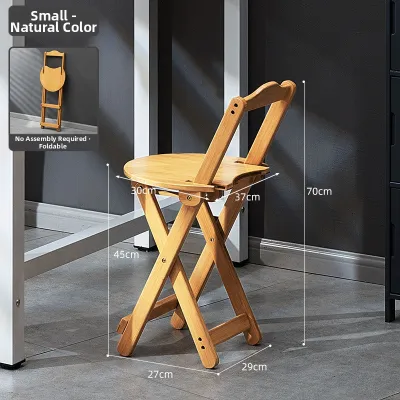
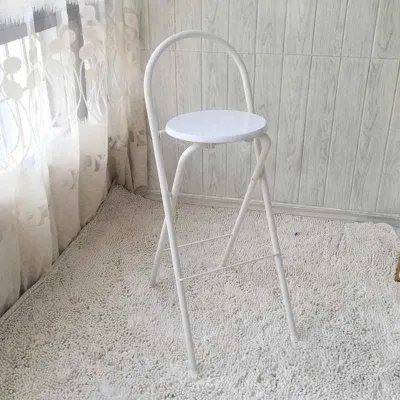
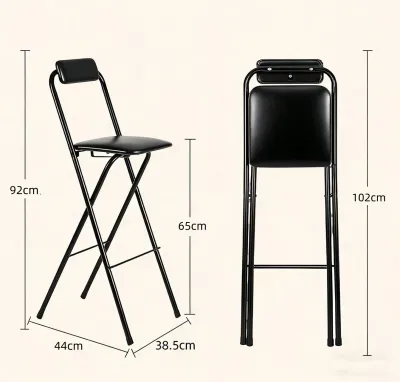
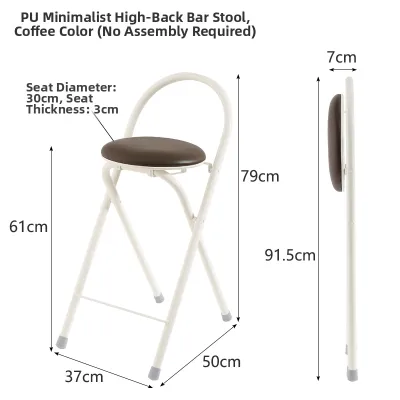
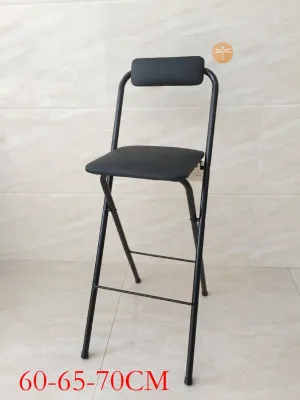
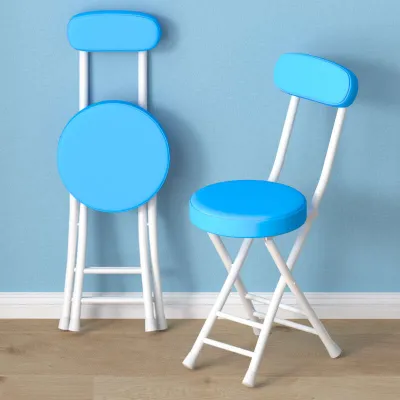
Prices are valid at publication and may change. Please refer to the product page for the latest price.
Beyond the raw metal, the design of the joints and pivot points reveals the true durability of the frame. Premium construction features reinforced metal brackets or double-walled tubing at the primary stress points where the legs intersect. Inspect how the folding hinges are attached; through-bolts secured with locking nuts are significantly more durable and adjustable than simple press-fit rivets. Rivets can loosen over time with repeated use, leading to lateral sway, whereas threaded bolts can be tightened periodically to maintain the stool’s structural rigidity.
Seat surface materials must be assessed based on both comfort and practical maintenance. Common options include molded plastics like high-density polypropylene, engineered wood such as medium-density fiberboard (MDF), solid timber, and upholstered cushions. While upholstered seats offer immediate comfort, they require regular cleaning and can trap moisture or odors in humid environments. Molded polypropylene and treated solid wood are highly durable, easy to wipe clean, and resistant to accidental spills, making them excellent choices for high-traffic dining areas.
The smoothness and resistance of the folding mechanism itself serve as a direct indicator of manufacturing precision. When testing a stool, the transition from folded to open should feel fluid and consistent, without catching, grinding, or requiring excessive force. A high-quality hinge mechanism often incorporates nylon or Teflon washers between moving metal parts. These washers reduce friction, eliminate metal-on-metal grinding, and prevent the squeaking noises that commonly plague lower-grade folding furniture.
Matching Stool Specifications to Your Space and Usage
Achieving a comfortable seating experience depends entirely on matching the stool’s seat height to your counter’s finished dimensions. Standard kitchen counters and islands in Singapore typically stand at a height of 90 centimeters, which pairs best with counter-height stools featuring a seat height of 60 to 65 centimeters. Bar counters, which are taller and often measure around 100 to 105 centimeters, require bar-height stools with a seat height of 70 to 75 centimeters. To ensure comfortable legroom and natural posture, aim for a clearance of 25 to 30 centimeters between the top of the seat cushion and the underside of the counter.

Before purchasing, it is equally important to measure your intended storage area to ensure the folded stools will fit without obstructing walkways. Measure the depth, width, and height of the storage gap, whether it is a narrow space beside a refrigerator, a dedicated slot in a utility closet, or a corner of a household shelter. High-quality folding stools are designed to fold exceptionally flat, often collapsing to a thickness of 10 centimeters or less. Checking these folded dimensions beforehand prevents the frustration of owning space-saving furniture that remains awkward to store.
Weight capacity ratings provide a clear, objective metric of a stool’s structural integrity. Reliable manufacturers clearly state the maximum weight capacity of their products, which typically ranges from 90 to 120 kilograms for residential-grade seating. Avoid products that lack clear weight specifications or rely on vague marketing terms like “high load capacity” without providing numerical limits. Verifying these specifications ensures the stool can safely support various users without risking structural deformation or sudden joint failure.
Consider the physical weight of the stool in relation to how often you plan to move it. A stool that is too heavy can become a chore to retrieve and set up daily, while a stool that is too light may lack the structural mass needed to feel stable when extended. Look for a balanced weight, typically between 3 to 5 kilograms, which offers a reassuring sense of stability on the floor while remaining easy to carry with one hand. Some advanced designs feature integrated carrying handles molded directly into the seat or backrest to facilitate effortless transport.
Assessing Build Quality and Safety Features
Stability starts at the floor, making the design of the foot caps a critical safety and maintenance consideration. High-quality folding stools are equipped with non-slip, non-marking rubber or thermoplastic elastomer (TPE) foot caps. These caps serve a dual purpose: they provide essential grip to prevent the stool from sliding out from under a user, and they protect delicate flooring materials. In Singaporean homes featuring polished porcelain tiles, luxury vinyl flooring, or natural timber parquet, soft rubber caps prevent unsightly scratches and scuffs that hard plastic caps can cause.
An essential safety feature to look for is a positive locking mechanism or safety latch. This system secures the stool in its fully open position, preventing accidental folding if a user shifts their weight forward or if the stool is bumped. Some designs utilize a spring-loaded pin that clicks into place automatically upon opening, while others employ a manual metal latch that hooks over a crossbar. Ensure this locking mechanism is robust, easy to engage, and constructed from metal rather than thin plastic, which can degrade and crack over time.
Carefully inspect the overall finish of the stool for manufacturing defects that could pose safety hazards. Run your hands along the edges of the seat, backrest, and metal frame to check for sharp burrs, rough welds, or unfinished corners. High-quality manufacturing processes ensure that all metal welds are ground smooth and that plastic or wooden edges are rounded. Additionally, examine the folding joints to identify potential pinch points; well-designed stools minimize the gaps where fingers could accidentally get caught during the folding or unfolding process.
Structural stability can also be evaluated by checking the footprint of the stool when fully opened. A wider base relative to the seat height provides a lower center of gravity, making the stool significantly less prone to tipping. When testing a stool, sit on it and gently shift your weight from side to side; there should be minimal lateral flex or twisting in the frame. If the legs bend or the frame twists under normal movement, the metal gauge may be too thin, or the joint tolerances may be too loose for safe, long-term use.
Where to Shop and How to Verify Brand Claims
Visiting physical furniture showrooms in Singapore remains one of the most reliable ways to verify the quality of a folding high stool before committing to a purchase. In a showroom, you can personally test the folding mechanism, assess the comfort of the seat, and observe how the stool handles weight. This hands-on evaluation allows you to check for frame flex, inspect the quality of the welds, and feel the actual weight of the product. It also provides an opportunity to speak with sales representatives about the origin of the materials and the specific manufacturing standards used.
When shopping on online marketplaces or ecommerce platforms, a different verification strategy is required since you cannot physically touch the product. Focus on listings that provide comprehensive technical specifications, including detailed line drawings with exact millimeter measurements of both the open and folded states. Look for sellers that display clear, close-up photographs of the hinges, locking mechanisms, and foot caps. Avoid listings that rely solely on heavily edited lifestyle images or generic descriptions that omit material specifications and weight limits.
User reviews on online platforms offer valuable insights into the real-world durability of the stools, provided you know how to filter them. Look for reviews that specifically mention long-term use, structural stability, or how the product arrived packaged. Pay close attention to feedback regarding the ease of the folding mechanism over time and whether the foot caps remain securely attached. A pattern of reviews mentioning loose joints, peeling paint, or cracked plastic components is a strong indicator of subpar manufacturing quality.
Finally, investigate the level of customer support and warranty coverage offered by the retailer or brand. Even for relatively simple furniture items like folding stools, a manufacturer’s warranty of six to twelve months against structural defects demonstrates confidence in the product’s build quality. Check if the seller has a clear return policy and an accessible customer service channel in Singapore. Knowing that you can easily contact the seller for replacement foot caps, hinge hardware, or a return in the event of a manufacturing defect adds significant value to your purchase.
Frequently Asked Questions (FAQ)
How do I maintain the folding hinges to prevent them from becoming stiff?
To maintain smooth operation, start by consulting the manufacturer’s care instructions, as different materials require specific maintenance approaches. Periodically wipe down the hinge joints with a clean, dry microfiber cloth to remove accumulated dust, lint, and moisture that can cause friction. If the hinges begin to feel stiff or squeak, apply a small amount of dry silicone lubricant directly to the pivot points. Avoid using heavy oils or WD-40, as these can attract dust and grime, eventually creating a sticky residue that worsens stiffness. If your stool features nylon washers or plastic bushings, ensure that any lubricant used is safe for plastics and will not degrade the material.
Are folding high stools suitable for daily use compared to fixed bar stools?
Folding high stools can support daily use, but they have inherent mechanical limits compared to fixed bar stools. Because folding stools rely on moving joints, rivets, and hinges, they experience gradual wear and tear at these pivot points with every use cycle. If you require seating that will be used multiple times a day for extended periods, a high-quality fixed bar stool generally offers superior long-term stability and structural endurance. However, if your primary need is to save space in a compact dining area, a premium folding stool with reinforced steel frames and robust locking mechanisms will perform reliably for daily meals, provided you periodically check and tighten the hardware.

Community discussion
Share your experience or ask a question. Comments are reviewed before publication.