
Finding the best value in solid wood dining chairs in Singapore is not about chasing a single brand name, but about matching your budget to the right category of seller—whether mass-market retailers, local bespoke carpentry studios, or premium imported design labels. True value is achieved when the structural integrity, wood species, and joinery of the chair align with its price point and your household’s daily usage. By understanding how different categories of brands operate in Singapore, you can systematically evaluate their offerings to secure a durable, high-quality piece without overpaying.
Defining True Value in Solid Wood Dining Chairs
To assess the quality of a solid wood chair, start with the timber species. Hardwoods such as teak, oak, walnut, and ash are highly dense, making them naturally resistant to dents, scratches, and structural sagging over years of daily dining use. Softwoods like pine or rubberwood are less dense and more prone to wear, though they are lighter and often serve as highly cost-effective options for lighter daily use.
Beyond the wood species, the joinery technique determines how well the chair handles weight and movement. High-quality solid wood chairs utilize traditional interlocking joinery, such as mortise and tenon or dovetail joints, which distribute stress naturally across the frame. Lower-value options often rely heavily on basic screws, metal brackets, and standard wood glue, which can loosen over time as the wood naturally expands and contracts.
Products mentioned in this guide
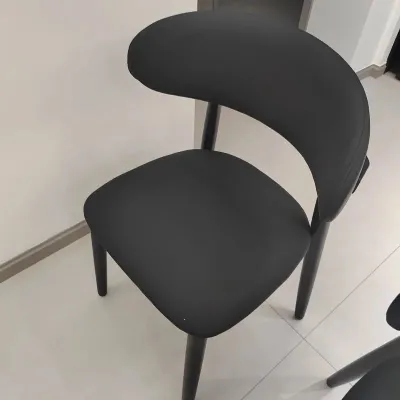
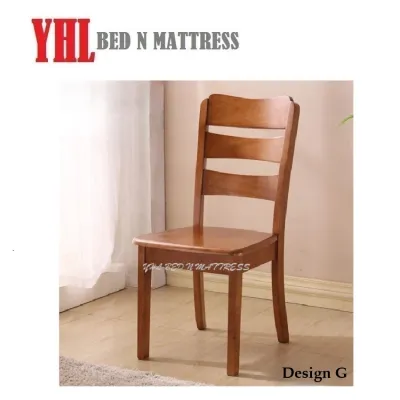
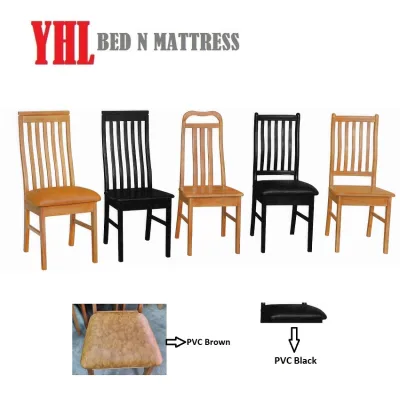
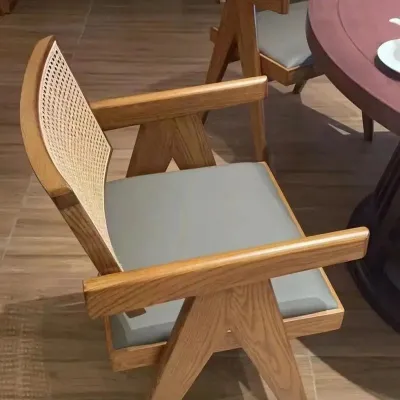
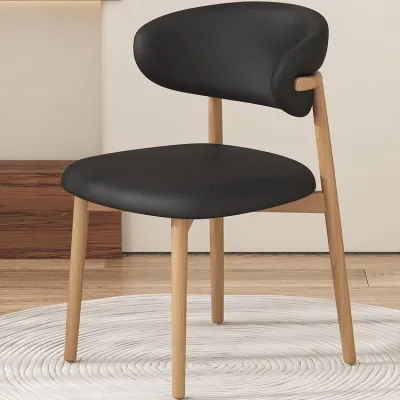
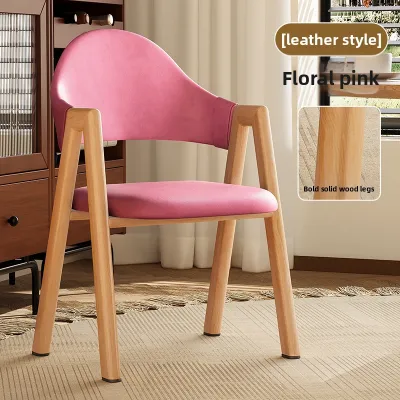

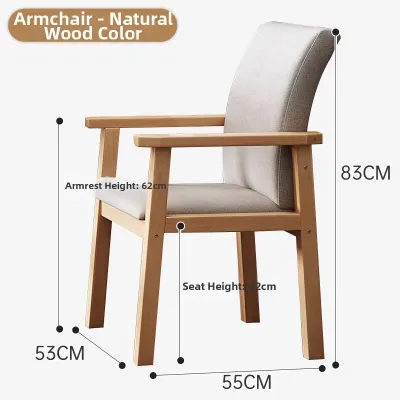
Prices are valid at publication and may change. Please refer to the product page for the latest price.
The surface finish is the final element of value, protecting the timber from spills and humidity. Polyurethane or lacquer finishes provide a hard, protective barrier that is easy to wipe clean, making them highly practical for busy households. Natural oil or wax finishes preserve the tactile feel of the wood grain but require periodic reapplication to prevent water rings and staining.
Comparing Furniture Retailer and Maker Categories
Mass-market furniture retailers focus on accessibility, standardized designs, and volume-based pricing in S$. These brands are ideal if you need immediate availability, consistent aesthetics, and straightforward delivery options. However, mass-market options often utilize mixed materials—such as solid wood legs paired with veneered engineered wood seats—or simpler joinery methods to keep production costs low, which may affect long-term durability.

Local carpentry and bespoke studios prioritize customization, premium joinery, and transparent material sourcing. Working with a local maker allows you to select the exact timber species, adjust the dimensions to fit your dining space, and ensure the piece is built using traditional woodworking techniques. The trade-off is a longer lead time—often several weeks or months—and a higher upfront cost, though the structural longevity often represents excellent long-term value.
Imported design brands emphasize aesthetic heritage, renowned designers, and specialized wood treatments. These labels command premium pricing structures due to shipping, import duties, and brand equity. While they offer exceptional design cohesion and prestige, the value proposition depends heavily on whether you prioritize exclusive aesthetics over purely functional durability.
Essential Specifications to Verify Before Purchase
Solid wood chairs must be structurally sound to ensure safety and longevity. When visiting a showroom in Singapore, test the chair for lateral stability by gently rocking it from side to side to check for joint play or wobbling. Ask the retailer for the rated weight capacity, especially for chairs with slender, tapered legs or minimalist frames, to ensure they can safely support daily use.
Verify the exact dimensions of the chair to ensure proper clearance and ergonomic alignment with your existing dining table. Measure the seat height, total height, and width, ensuring there is at least 25 to 30 centimeters of clearance between the top of the chair seat and the underside of the dining table. Additionally, check the armrest height if you are choosing armchair designs, ensuring they can slide fully under the table to save space when not in use.
Review the warranty terms carefully before making a purchase. High-value brands typically offer warranties that specifically cover structural defects, such as joint failure or severe wood warping. Be aware of exclusions; many warranties do not cover natural color changes over time or minor surface checking caused by environmental fluctuations.
Decision Framework: Choosing the Right Brand Category
Choose mass-market retailers if you have a strict budget, need immediate delivery, or are furnishing a temporary rental property. Verify the material composition to ensure you are comfortable with any non-solid wood components used in the construction.
Opt for local bespoke studios if you want a legacy piece tailored to your exact home dimensions, prefer specific premium hardwoods like teak or walnut, and value traditional joinery that can be repaired over decades.
Select imported design brands if your interior design hinges on a specific mid-century modern or Scandinavian aesthetic, and you are willing to pay a premium for designer licensing and specialized manufacturing.
Before purchasing from any category, verify that the wood has been properly kiln-dried. This process reduces the moisture content of the timber, ensuring the chair remains stable and does not warp or split when exposed to Singapore’s high relative humidity.
Frequently Asked Questions (FAQ)
How can I tell if a dining chair is made of genuine solid wood?
To verify if a dining chair is genuine solid wood rather than veneer or engineered wood, inspect the end grain. The grain pattern on the edge or end of the wood should naturally wrap around and continue onto the face of the piece. If the grain pattern abruptly stops or looks perfectly symmetrical across multiple chairs, it may be a printed laminate or veneer. Additionally, solid wood has a natural warmth and temperature conductivity; it feels less cold to the touch than synthetic laminates. You can also look for subtle, natural imperfections, such as slight color variations and unique knot patterns, which are rarely identical across genuine solid wood components.
Does solid wood furniture require special maintenance in Singapore's climate?
Yes, solid wood reacts to environmental changes, making basic maintenance essential in Singapore’s tropical climate. Keep dining chairs away from direct sunlight to prevent the wood from drying out, cracking, or fading. Avoid placing chairs directly under or next to air-conditioning vents, as rapid temperature and humidity fluctuations can cause the wood to warp or joints to loosen. For daily cleaning, use a slightly damp, soft microfiber cloth to wipe away dust and spills immediately; avoid harsh chemical solvents or abrasive cleaners that can strip the protective finish. If the wood begins to look dry or loses its luster, consult the manufacturer or maker for the recommended oil, wax, or polish suitable for that specific finish.

Community discussion
Share your experience or ask a question. Comments are reviewed before publication.