
Finding the right pull-out sofa bed in Singapore requires looking beyond the initial price tag to assess how a piece of furniture fits into your daily life, home layout, and long-term budget. In a market where space is at a premium, a dual-purpose sofa must perform exceptionally well as both a comfortable seat and a supportive bed. True value is not merely about finding the cheapest option on an online marketplace; it is about identifying brands that offer durable mechanisms, climate-appropriate materials, and reliable local support. By understanding what to look for in frames, upholstery, and delivery logistics, you can make an informed investment that enhances your living space for years to come.
Defining True Value in Pull-Out Sofa Beds
When shopping for a pull-out sofa bed, it is easy to fall into the trap of focusing solely on the upfront purchase price. However, a low-cost sofa bed that sags, squeaks, or jams after a few months of use quickly becomes an expensive mistake. To calculate the true value of a piece, consider its cost-per-use over its expected lifespan. A well-constructed mid-range or premium model that lasts for a decade of regular use offers far better long-term value than a flimsy budget option that requires premature replacement.
In Singapore, the sticker price in a showroom or online store rarely represents the final cost of ownership. You must factor in hidden expenses such as delivery fees, assembly charges, and old furniture disposal services. Many apartment buildings, particularly older HDB blocks or private condominiums, have strict delivery windows and physical access challenges. Some brands include professional assembly and delivery in their base price, while others charge separate fees that can add S$100 to S$200 to your total bill. Always ask for a complete breakdown of these charges before finalizing your purchase.
Products mentioned in this guide
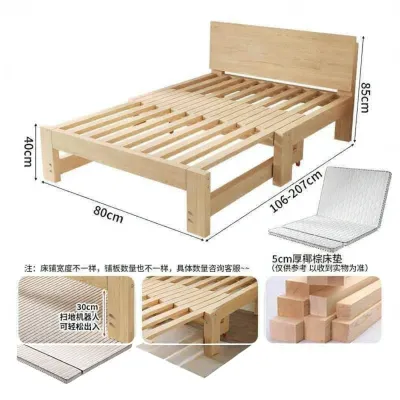
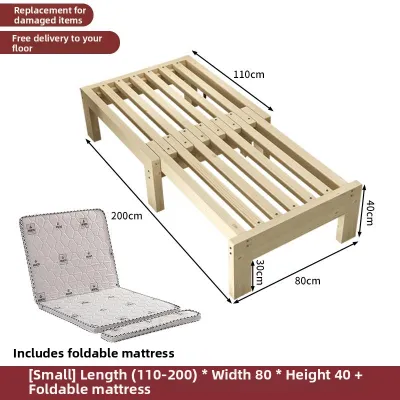
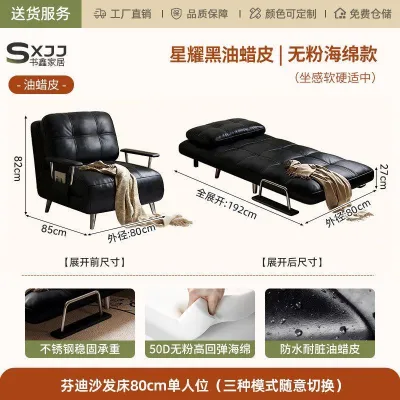
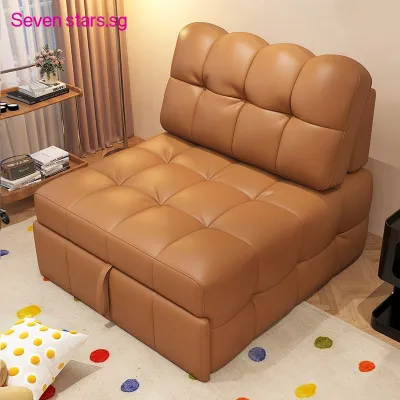
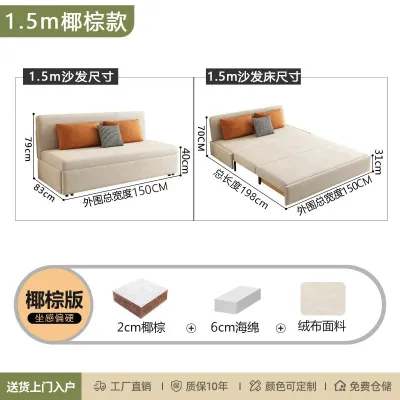
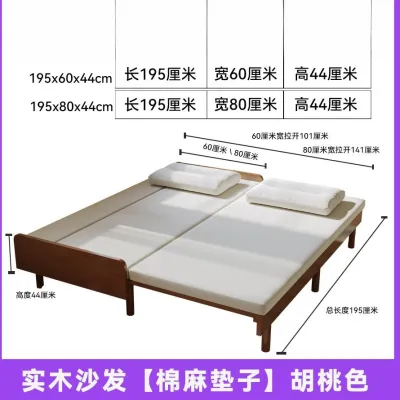

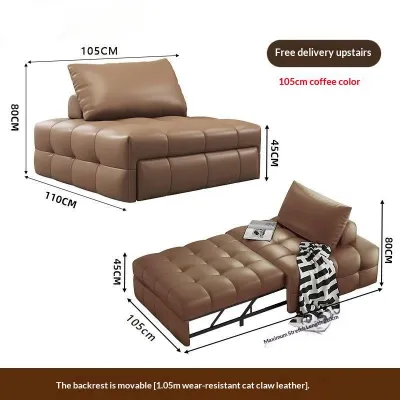
Prices are valid at publication and may change. Please refer to the product page for the latest price.
Setting realistic expectations based on your budget is crucial for a successful purchase. Budget-friendly brands often rely on lightweight metal frames and thin foam mattresses, which are perfectly adequate for occasional guest use but may fail under the strain of daily wear. Premium brands typically invest in robust, counterbalanced steel mechanisms, kiln-dried hardwood frames, and high-density foam or pocket-sprung mattresses. Understanding where your needs fall on this spectrum prevents you from overpaying for features you do not need, or conversely, buying a unit that cannot withstand your household’s daily demands.
Evaluating the Pull-Out Mechanism and Frame Durability
The pull-out mechanism is the mechanical heart of your sofa bed, and its design dictates both the unit’s lifespan and its ease of use. Common systems include the classic fold-out, where the mattress unfolds from within the frame, and the drawer-style pull-out, where a trundle rolls out from underneath and rises to meet the seat height. Drawer-style systems are highly popular in Singapore due to their compact footprint, but they require heavy-duty wheel tracks to operate smoothly without damaging your flooring. Compare these systems based on how much physical effort they require and how many moving joints could potentially wear out over time.

Do not rely solely on marketing terms like “solid wood” or “heavy-duty steel” when evaluating structural integrity. Instead, inspect how the frame is put together and check the manufacturer’s specifications. High-quality frames use kiln-dried hardwood or thick-walled metal tubing with welded joints rather than simple staples or glue. Look for reinforced corner blocks, heavy-duty bolts, and secure brackets at key stress points. A sturdy frame prevents the sofa from warping, wobbling, or squeaking when weight shifts during sleep, ensuring a quiet and stable night’s rest.
When visiting a showroom, operate the pull-out mechanism yourself multiple times to test its alignment and stability. The transition from sofa to bed should feel smooth, controlled, and require minimal physical strain. Check that the locking mechanisms engage securely when the bed is fully extended and when it is folded back into a sofa. For drawer-style units, observe whether the wheels glide straight or wobble, as misaligned tracks can cause uneven wear on both the mechanism and your living room rug or vinyl flooring.
Balancing Seating Comfort with Sleeping Ergonomics
A common pitfall when buying a dual-purpose sofa is choosing a model that functions well as a bed but is uncomfortable to sit on daily. Pay close attention to the seat depth and backrest angle when the unit is folded. Some pull-out designs result in an unusually deep seat or a very upright backrest to accommodate the folded mattress inside. Ensure your feet can rest flat on the floor while your back is fully supported by the cushions, allowing for comfortable daily living room use.
For the sleeping configuration, the mattress must provide adequate spinal alignment and pressure relief. Check the thickness and density of the mattress, as a mattress that is too thin (under 10 cm) will allow sleepers to feel the metal support bars or wooden slats underneath. High-density polyurethane foam or pocketed coils offer the best balance of support and durability. If the brand allows, test the bed by lying down in your typical sleeping position to check for pressure points around your shoulders and hips.
Singapore’s hot and humid climate demands careful consideration of upholstery materials. Synthetic leather (PU or PVC) may seem easy to clean, but it can trap heat and sweat, leading to a sticky, uncomfortable experience and eventual peeling or cracking in high humidity. Natural linen blends, breathable cotton, or high-performance synthetic fabrics designed for moisture-wicking are much better suited for local homes. If you choose fabric, check if the covers are removable and washable to help manage dust mites and humidity-induced odors.
Navigating Space Constraints and Delivery Logistics
Before browsing brands, measure your room’s dimensions carefully to ensure the sofa bed physically fits your space. You must account for the sofa’s footprint when fully closed and when fully extended into a bed. Ensure there is at least 60 cm of walking space around the extended bed so guests can move comfortably without bumping into walls or other furniture. Don’t forget to check the clearance for nearby doors, wardrobes, and television consoles to prevent layout conflicts.
Singapore’s high-rise living presents unique delivery challenges that must be addressed before purchase. Measure your front door, hallway turns, and elevator dimensions to ensure the packaged sofa can reach your living room. A pull-out sofa bed is often heavier and bulkier than a standard sofa due to its internal metal mechanism. If the packaged unit cannot fit into your building’s lift, you may face steep staircase delivery fees, or worse, a rejected delivery. Verify these dimensions with the brand’s delivery team beforehand.
Consider the physical weight of the unit in relation to who will be operating it. While a heavier frame often indicates sturdier materials, it also means the pull-out mechanism requires more effort to lift and extend. If the sofa bed will be opened and closed daily by an older adult or someone with limited physical strength, prioritize brands that feature assisted opening mechanisms, such as gas struts or spring-loaded hinges, which significantly reduce the lifting force required.
Assessing Warranties and After-Sales Support
A long warranty period can be misleading if it only covers specific, non-moving components. Read the terms carefully to distinguish between the warranty on the frame, the pull-out mechanism, and the upholstery or foam. It is common for brands to offer a 10-year warranty on the frame but only 1 to 2 years on the moving mechanical parts and cushion foam. Ensure you understand what constitutes normal wear and tear versus a manufacturing defect before committing to a purchase.
Buying from a brand with an established local presence in Singapore is highly advantageous for long-term maintenance. If a spring breaks or a track misaligns three years down the road, a brand with local technicians and stocked replacement parts can resolve the issue quickly. Brands operating solely online without local service centers may require you to ship the item back at your own expense or leave you without any recourse if a component fails.
Understand the return and exchange policies before making a deposit. Many furniture brands in Singapore charge restocking fees (often 15% to 30% of the purchase price) for returns, and custom-made or clearance items are typically non-refundable. If you are buying online, verify if the brand offers a trial period and what the exact conditions are for returning a bulky item that has already been assembled and used.
Pre-Purchase Showroom and Online Inspection Checklist
If you can visit a showroom, do not be shy about thoroughly testing the display models. Open and close the sofa bed at least three to four times to listen closely for any squeaks, grinding noises, or resistance in the tracks. Sit on the edges of both the sofa and the extended bed to check for tipping or structural sagging. Shake the armrests gently to evaluate the overall stability of the frame joints.
Prepare a list of specific questions to ask the showroom staff. Inquire about the maximum weight capacity of both the seating and sleeping configurations, and ask about the exact density of the foam used. Request clarification on the delivery process, including whether the delivery team will assemble the unit and dispose of your old sofa, and if there are extra charges for non-lift-accessible floors.
If physical inspection is not possible, rely on verified customer reviews that mention long-term durability rather than just initial delivery satisfaction. Look for detailed product specifications, including exact weight, folded and unfolded dimensions, and assembly instructions. Avoid listings on online marketplaces that lack clear brand identification, detailed warranty terms, or accessible customer service contact information.
Frequently Asked Questions (FAQ)
How often should I lubricate the pull-out mechanism?
Refer to your product’s user manual for specific maintenance schedules and approved lubricants, as using the wrong oil can attract dust and clog the tracks. Generally, you should inspect the moving parts every six to twelve months. Before applying any lubricant, wipe down the metal tracks and joints with a dry microfiber cloth to remove accumulated dust, pet hair, and debris. If you notice friction, squeaking, or resistance during operation, apply a small amount of the manufacturer-recommended silicone spray or light machine oil to the pivot points, wiping away any excess to prevent stains on the upholstery.
Can I replace the mattress on a pull-out sofa bed?
Whether you can replace the mattress depends entirely on the design of the sofa bed frame. Many traditional fold-out sofa beds use standard mattress sizes, but they require a specific thickness—usually under 12 cm—to fold properly into the frame without jamming the mechanism. Before purchasing a replacement mattress, measure the width, length, and maximum allowable depth specified by the manufacturer. Avoid using a standard, heavy pocket-spring mattress unless the frame is explicitly designed to support it, as the extra weight can strain or damage the folding hardware.
What is the typical weight capacity for a pull-out sofa bed?
Weight capacities vary significantly depending on the frame material and mechanism design, typically ranging from 100 kg for single models to 250 kg or more for queen-sized frames. Always locate the official weight limit in the product specifications or on the frame label rather than guessing. To preserve the structural integrity of the mechanism, ensure weight is distributed evenly across the sleeping surface and avoid sudden, dynamic impacts such as jumping or sitting heavily on the edges of the extended frame.

Community discussion
Share your experience or ask a question. Comments are reviewed before publication.