
To find the ideal mini sofa bed for a compact Singapore apartment, you must look beyond aesthetic appeal and focus on structural adaptability, precise spatial footprints, and local delivery logistics. In high-density housing like HDB flats and condominiums, every square meter counts. A successful purchase requires evaluating how local brands design their convertible mechanisms, the durability of their frames, and whether their delivery processes can navigate tight corridors and lift doors.
While online marketplaces offer convenience, selecting a multi-functional piece of furniture like a mini sofa bed demands a systematic evaluation of physical specifications and material quality. A sofa bed undergoes significantly more mechanical stress than a standard couch or a stationary bed. By understanding how to measure your space, test mechanisms, inspect materials, and verify local retailer policies, you can secure a space-saving solution that provides comfortable seating by day and supportive sleep by night.
Measuring Space and Delivery Constraints
Before browsing designs, you must establish the absolute maximum dimensions your room can accommodate. Start by measuring the designated floor area where the mini sofa will sit. Use masking tape to outline the footprint of the sofa in its closed position, ensuring there is sufficient clearance for daily foot traffic. You must maintain a walkway of at least 60 to 70 centimeters around the furniture to prevent the room from feeling cramped and to allow easy movement through the space.
Products mentioned in this guide


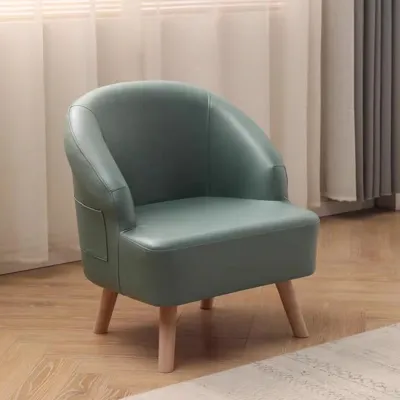

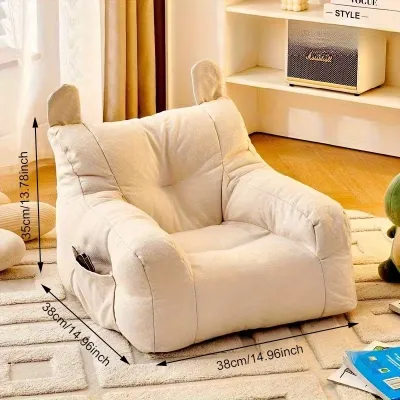
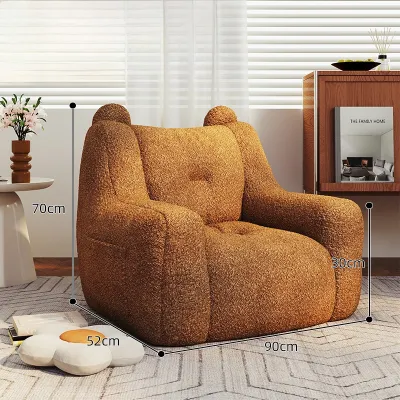
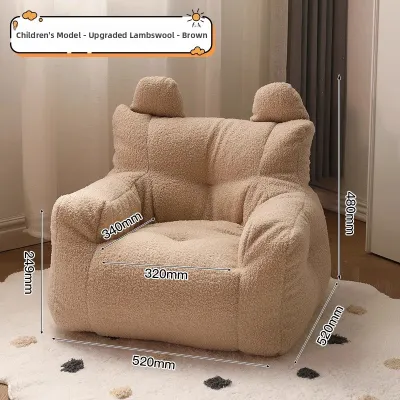
Prices are valid at publication and may change. Please refer to the product page for the latest price.
Next, map out the fully extended sleeping configuration. Many buyers overlook the total length of the sofa bed when unfolded, only to find it blocks bedroom doors, wardrobe doors, or access to the balcony. Measure the distance from the back wall to the furthest point of the extended bed. Ensure that when the bed is open, you can still fully open nearby doors and drawers without obstruction. If the sofa bed utilizes a fold-out mechanism, check that the head and foot of the bed do not press tightly against other furniture, which can cause wear on both items.
Physical access routes within your building are the final spatial hurdle. Singapore’s high-rise residential buildings often present tight delivery pathways that can derail the installation of fully assembled furniture. Measure the height, width, and diagonal clearance of your unit’s main doorway and any internal hallways. Additionally, measure the lift door opening and the interior cabin dimensions of your HDB or condominium lift. If the sofa bed cannot fit into the lift, you may face steep manual carrying charges or, worse, a failed delivery where the item must be returned at your expense.
Evaluating Convertible Mechanisms and Frame Stability
The heart of any mini sofa bed is its convertible mechanism, which dictates both ease of use and spatial efficiency. Common designs include click-clack systems, pull-out drawers, and tri-fold futons. Click-clack mechanisms are highly popular for their simplicity, transitioning from a sofa to a flat surface with a simple tilt of the backrest. However, they often require you to pull the entire sofa away from the wall before unfolding, which can be physically demanding and scratch your flooring if not fitted with protective pads.

Pull-out drawer mechanisms are excellent for narrow rooms because they extend forward rather than requiring rear clearance. These systems typically feature a hidden frame on casters that slides out from under the main seat, with the cushions flipping over to create the sleeping surface. When evaluating a pull-out design, inspect the quality of the tracks and wheels. The casters should roll smoothly without scraping, and the drawer should align perfectly with the main frame when closed. Tri-fold futon styles offer a highly compact footprint but often position the sleeping surface close to the floor, which may not be comfortable for all users.
Frame stability is paramount for furniture that serves a dual purpose. When visiting a showroom, perform a physical stability check by applying firm downward pressure to the outer edges, armrests, and corners of the sofa bed in both configurations. Any noticeable wobbling, creaking, or flexing indicates weak joints or low-grade materials. Look for frames constructed from kiln-dried hardwood or reinforced steel, as these materials resist warping under Singapore’s humid conditions. Avoid frames held together solely by staples or glue; instead, look for heavy-duty bolt connections and reinforced corner blocks that can withstand the repetitive motion of folding and unfolding.
Checking Upholstery and Cushion Materials for Dual Use
Selecting the right upholstery fabric is crucial for maintaining comfort and hygiene in Singapore’s warm, humid climate. Synthetic leather may seem appealing for its wipe-clean convenience, but low-grade vinyl can trap heat and sweat, making for an uncomfortable sleeping experience. Instead, look for tightly woven polyester blends, linen-look fabrics, or specialized performance textiles that offer high breathability and stain resistance. Always check the manufacturer’s care label to verify the fabric’s composition and recommended cleaning methods, especially if you plan to use the sofa bed frequently.
Cushion density determines whether the sofa bed will maintain its shape or bottom out over time. A sofa bed requires a delicate balance: it must be firm enough to support your body weight when sleeping, yet comfortable enough for daily lounging. High-density polyurethane foam or pocketed spring systems generally offer the best longevity. When testing a showroom model, sit on the edge of the cushion; if you can feel the hard frame underneath, the foam density is insufficient. For sleeping comfort, a minimum cushion thickness of 10 to 12 centimeters is recommended to prevent pressure points along your hips and shoulders.
Finally, inspect the construction details that contribute to long-term durability. Examine the seams and stitching along the edges of the cushions; double-stitched seams are much less likely to fray under the tension of folding. If the sofa bed features removable covers, test the zippers to ensure they run smoothly without catching on the fabric. High-quality zippers should be concealed or recessed to prevent them from scratching your floors or snagging your bedding during use. Removable, washable covers are highly advantageous in Singapore, as they allow you to maintain a fresh sleeping environment easily.
Sourcing and Verifying Brands in Singapore
To ensure you are purchasing from a reputable brand, prioritize visiting physical showrooms across Singapore rather than relying solely on online product listings. Showrooms allow you to physically test the ease of the folding mechanism, assess the true comfort of the cushions, and verify that the actual dimensions match the advertised specifications. Furniture hubs in industrial estates or dedicated design districts offer an excellent opportunity to compare multiple brands and mechanism types in a single day.
When evaluating local brands, scrutinize their warranty terms to understand what protection you actually receive. A comprehensive warranty should cover both the structural frame and the mechanical folding components, as these are the parts most prone to wear and tear. Be cautious of brands that offer a generic ten-year warranty but restrict coverage to the wooden frame while excluding the metal hinges, springs, or fabric. A reliable brand will clearly outline the warranty duration for each component on their official website or invoice.
Utilize official brand websites, established local furniture retailers, and verified official stores on major ecommerce platforms to research customer feedback. Look specifically for reviews that mention the long-term durability of the folding mechanism and the responsiveness of the brand’s customer service team. Avoid purchasing from unverified overseas sellers who do not have a physical presence or customer service office in Singapore. If a component breaks or a mechanism jams, resolving the issue with an overseas seller can be incredibly difficult, often leaving you with a non-functional piece of furniture.
Final Pre-Purchase and Delivery Checklist
Before finalizing your purchase and paying a deposit, run through a comprehensive checklist to confirm all product specifications and delivery terms. This step prevents unexpected costs and ensures a smooth installation process on delivery day. Confirm the following details with the retailer:
- Exact Assembled Dimensions: Double-check the width, depth, and height in both seating and sleeping configurations against your home measurements.
- Required Clearance Space: Verify the exact distance needed behind the sofa for reclining mechanisms, or in front of the sofa for pull-out designs.
- Assembly Requirements: Clarify whether the sofa bed is delivered fully assembled, flat-packed, or if the delivery team will perform the assembly on-site. If self-assembly is required, ask if specialized tools are needed.
- Delivery Fees and Surcharges: Review the final invoice for any additional delivery fees. In Singapore, standard delivery may not cover specific high-density residential zones, peak hours, or weekend slots.
- Stair-Carry Charges: If your building's lift is out of service or if the sofa bed does not fit inside the lift cabin, confirm the stair-carry fee in S$ per flight of stairs. This fee typically ranges from S$10 to S$20 per floor.
- Disposal Services: If you need to discard an old couch, ask if the retailer offers a disposal service and confirm the associated fee in S$, as town councils may have strict regulations regarding bulky waste disposal in HDB estates.
Frequently Asked Questions (FAQ)
How often should the folding mechanism be checked for wear?
You should perform a visual and physical check of the folding mechanism at least once every six months. During this inspection, look for loose screws, misaligned tracks, or bent metal brackets that could compromise the structural integrity of the frame. Listen carefully for any unusual squeaking, grinding, or friction noises when transitioning the sofa bed between configurations, as these sounds often indicate that the joints require attention.
If you notice resistance or noise, consult the manufacturer’s care manual for specific maintenance instructions. Many brands recommend tightening loose bolts with a standard hex key or wrench. However, you should avoid applying generic household lubricants or WD-40 to the joints unless specifically approved by the manufacturer, as some chemical treatments can attract dust and debris, leading to premature wear of the mechanical parts.
Is it safe to place a convertible sofa directly against a wall?
Placing a convertible sofa directly against a wall depends entirely on the specific mechanism design. Click-clack and traditional reclining sofa beds generally require a clearance of 15 to 30 centimeters between the backrest and the wall to allow the frame to pivot downward into the sleeping position. Placing these models flush against a wall will scratch your paintwork or damage the upholstery when you attempt to unfold them.
In contrast, pull-out drawer designs and forward-folding futons can often be placed directly against the wall because their mechanical movement extends entirely forward. To avoid layout mistakes, always request the manufacturer’s operational clearance diagram before finalizing your room arrangement. This diagram will show the exact boundary lines required for safe, friction-free operation.

Community discussion
Share your experience or ask a question. Comments are reviewed before publication.