
To ensure quality and authenticity when investing in a luxury dining chair, you must look beyond the brand name and marketing claims. True luxury in furniture is defined by verifiable structural joinery, premium material grades, traceable heritage, and authorized distribution. Evaluating these physical and documented markers protects you from paying premium prices for mass-produced furniture disguised as artisanal craft.
In markets with high humidity and apartment-style living, such as Singapore, choosing a high-end dining chair also requires practical considerations. The chair must not only fit your aesthetic vision but also withstand environmental factors and fit through standard doorways and lift accesses. By focusing on observable construction details and official documentation, you can make an informed purchase that retains its value and structural integrity for decades.
Inspecting Structural Craftsmanship and Joinery
The foundation of any luxury dining chair lies in its structural joinery. Mass-produced chairs often rely on quick assembly methods, such as metal staples, industrial screws, or excessive amounts of glue, which degrade quickly under regular use. In contrast, authentic luxury chairs utilize traditional woodworking joints like mortise-and-tenon or dovetail connections. These joints allow the wood pieces to interlock naturally, distributing weight evenly and accommodating the natural expansion and contraction of wood in humid environments.
Products mentioned in this guide
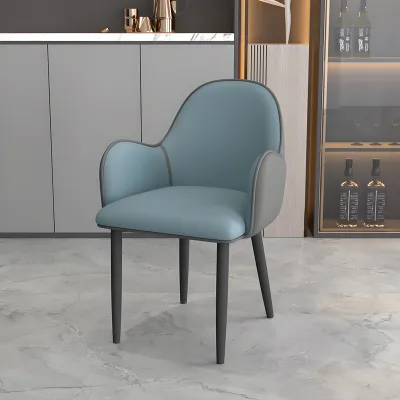
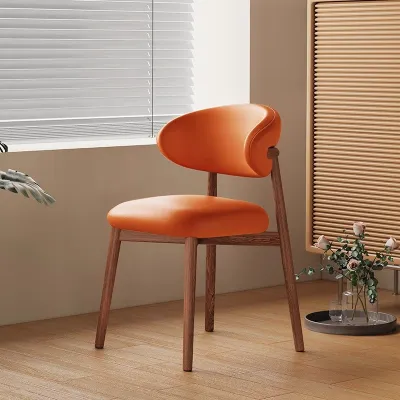
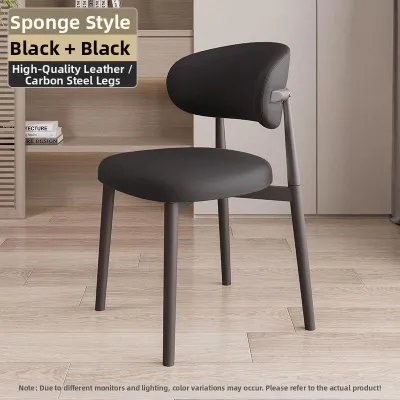
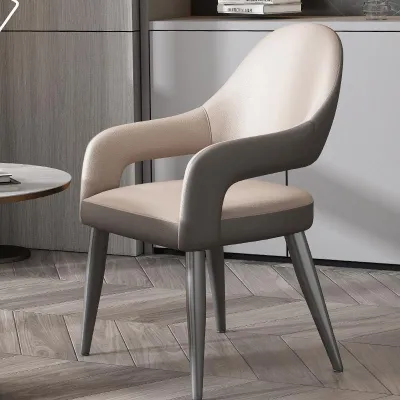
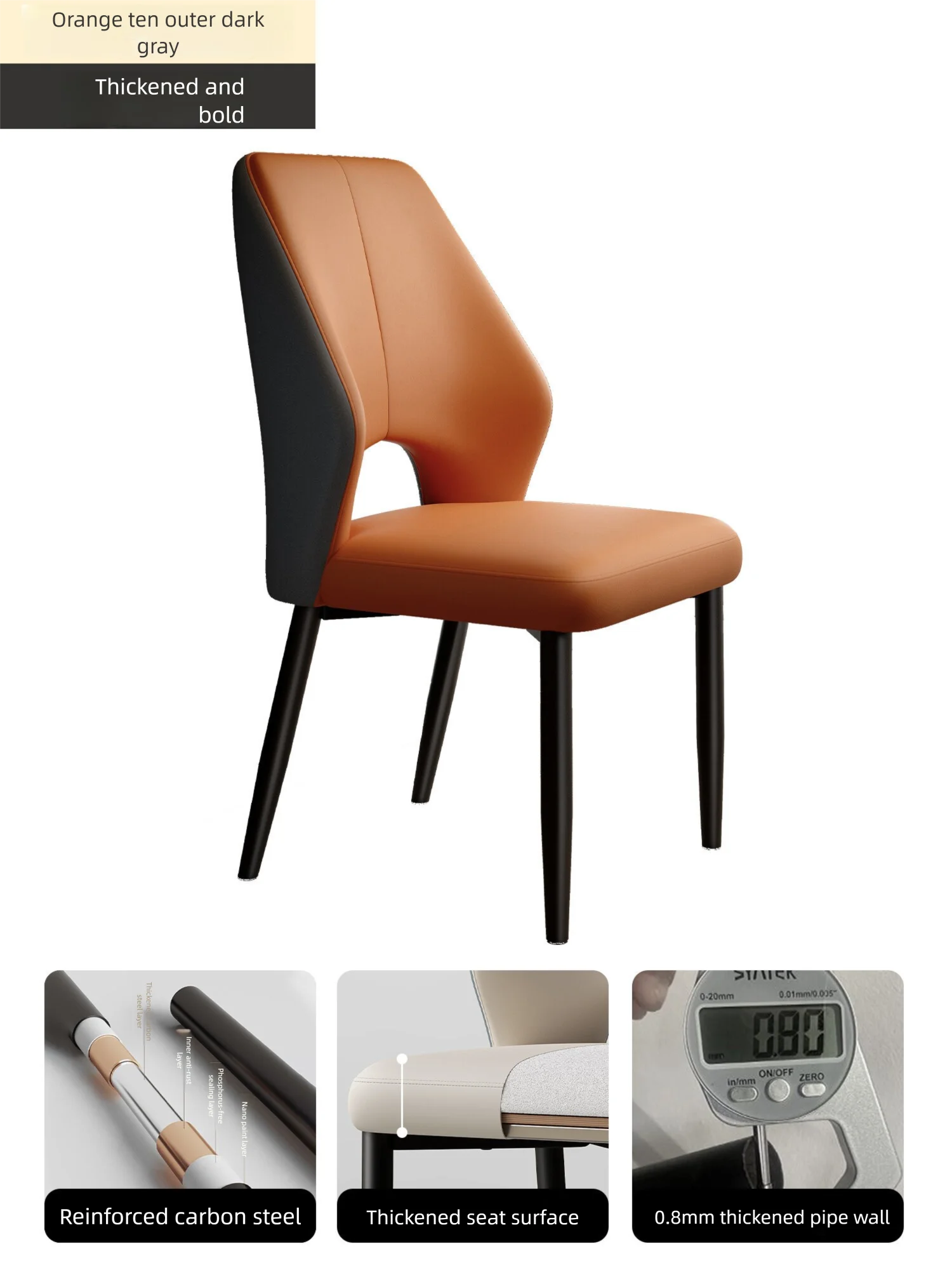
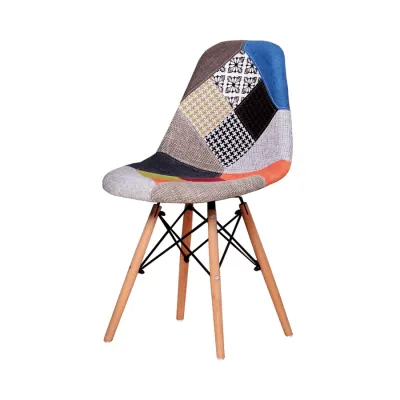
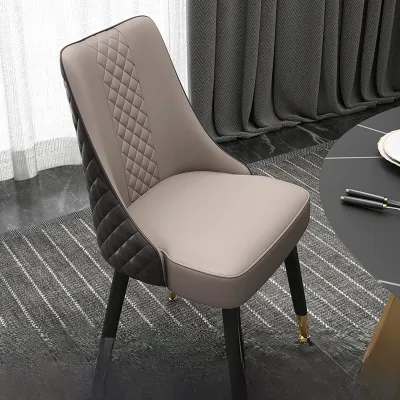
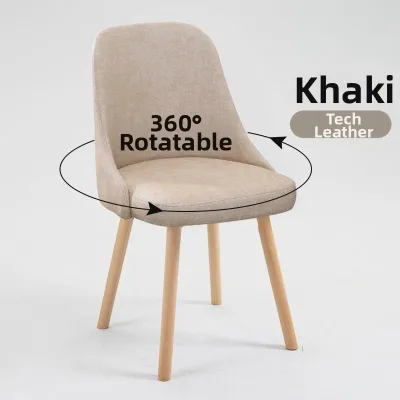
Prices are valid at publication and may change. Please refer to the product page for the latest price.
To inspect the joinery, run your hand along the underside of the seat frame where the legs meet the rails. Look for reinforcing corner blocks that are glued and screwed into the frame; these blocks provide essential lateral stability. Avoid chairs where the legs are simply bolted directly into the frame without any interlocking wood joints, as these connections tend to loosen over time and cause the chair to wobble.
Surface finishing is another telling indicator of craftsmanship. Examine the hidden areas of the chair, such as the back of the legs, the underside of the seat, and the inner faces of the frame. In a genuine luxury piece, these areas are sanded smooth and finished with the same care as the highly visible surfaces. Rough patches, splinters, or dried glue runs indicate that the manufacturer cut corners during production.
Finally, assess the physical weight and balance of the chair. A well-constructed luxury dining chair should feel substantial and balanced when lifted. Place the chair on a completely flat showroom floor and apply firm downward pressure on the backrest and seat from different angles. There should be no flexing, squeaking, or uneven movement, which indicates a robust and stable frame design.
Verifying Material Quality Through Observable Traits
Luxury dining chairs feature premium materials, but a prestigious material name alone does not guarantee durability or quality. When evaluating leather upholstery, look for natural grain variations, small healed scars, and a soft, breathable texture. These are characteristics of full-grain or top-grain leathers. Heavily corrected leathers often have a uniform, plastic-like coating that peels or cracks over time, especially in warm climates.

For fabric upholstery, inspect the alignment of the weave and the precision of the stitching. The seams should be perfectly straight, tight, and free of puckering or loose threads. If the fabric features a pattern, check how the pattern matches across different panels of the chair, such as where the backrest meets the seat. High-end manufacturers take the time to align patterns seamlessly, whereas mass producers often ignore these details to minimize fabric waste.
Wood frames require close inspection of the grain and surface treatments. Ask the showroom for detailed specifications regarding wood sourcing, veneer thickness, and surface finishes. Solid wood frames offer the greatest longevity, but high-quality veneers over stable substrates are also common in complex, curved designs. Ensure the veneer is thick enough to withstand light sanding and refinishing, and check that the surface treatment—whether a natural oil, wax, or protective lacquer—is formulated to resist moisture and daily wear.
Always look for recognized textile or leather grading labels, such as certifications for low chemical emissions or sustainable sourcing. Reputable luxury brands provide specific care instructions tailored to the exact material grade, helping you maintain the chair’s appearance in your specific home environment.
Confirming Brand Heritage and Retail Authenticity
The luxury furniture market is filled with brands claiming rich histories and European origins, but some of these claims are exaggerated or misleading. To avoid counterfeit products or misrepresented origins, cross-reference the brand’s marketing claims with physical evidence. Look for a physical “Made in” label on the underside of the chair, and ask the retailer for official import documentation or customs declarations if you are making a significant investment.
Before purchasing from a third-party showroom or an online marketplace, verify the seller’s authorized dealer status. You can do this by visiting the brand’s official global website and checking their store locator or authorized retailer list. Purchasing from an unauthorized dealer may void the manufacturer’s warranty and leaves you vulnerable to buying high-quality replicas instead of genuine pieces.
Authentic luxury dining chairs often feature unique identifiers to prove their origin. Look for metal plaques, branded stamps burned into the wooden frame, embroidered tags inside the upholstery seams, or holographic labels. Many high-end collections also come with a physical certificate of authenticity that includes a unique serial number matching the stamp on the chair itself. Keep these documents safe, as they are essential for proving authenticity if you ever decide to resell or insure the furniture.
Separating Genuine Design Value from Marketing Hype
It is common for luxury dining chairs to command prices upwards of S$1,500 per piece, but you must determine whether this price reflects genuine design value or simple marketing hype. One major factor in pricing is design licensing. Original, authorized manufacturers pay royalties to the designers or their estates to produce pieces according to the exact original specifications. While licensed reproductions are expensive, they preserve the historical integrity, precise proportions, and material standards intended by the designer.
Be skeptical of vague marketing terms like “artisanal,” “bespoke,” or “handcrafted” unless the brand provides transparent details about their production processes. True customization should involve tangible options, such as selecting specific wood finishes, leather grades, or custom dimensions to suit your dining space. If a brand cannot explain where, how, and by whom the chairs are made, the high price tag may simply be a result of expensive showroom rentals and advertising campaigns.
Compare the asking price directly against the observable construction and material specifications. If a chair features basic dowel joinery, synthetic upholstery, and a lightweight frame, a premium price is likely unjustified, regardless of the brand’s prestige. Focus your investment on pieces where the cost is clearly reflected in the complexity of the woodwork, the quality of the raw materials, and the longevity of the construction.
Actionable Pre-Purchase Verification Checklist
Before finalizing your purchase of luxury dining chairs, use this checklist during your showroom visit or when communicating with the seller:
- Physical Inspection: Verify that all joints are interlocking (such as mortise-and-tenon), the underside of the seat is smoothly finished, and the stitching is straight and tight without puckering.
- Stability and Fit: Test the chair on a flat surface to ensure there is no wobble. Confirm the finished dimensions, including seat height and width, to ensure the chairs fit comfortably under your dining table and can be easily transported through your home's doorways and lift.
- Documentation: Request a copy of the manufacturer's warranty, detailed care instructions, and a certificate of authenticity containing a unique serial number.
- Retailer Verification: Confirm that the showroom is an authorized dealer listed on the brand's official website.
- Stop Conditions: Refuse to purchase if the seller cannot provide verifiable proof of origin, refuses to disclose the specific wood or upholstery grades, or if the chair shows signs of structural flexing during a basic sit-test.
Frequently Asked Questions (FAQ)
How can I test the ergonomic comfort of a dining chair?
To test the ergonomic comfort of a dining chair, perform a physical sit-test in the showroom for at least ten minutes. Ensure your feet rest flat on the floor and that there is a small gap of about two to three fingers between the front edge of the seat and the back of your knees. The backrest should support the natural curve of your lower spine without forcing you to slouch or lean back excessively. Additionally, check the density of the seat cushion; press down firmly to ensure the foam or spring system offers resilient support and does not bottom out against the hard frame underneath.
Does a higher price always guarantee better craftsmanship?
No, a higher price does not automatically guarantee superior craftsmanship. In the luxury furniture market, high prices often reflect brand prestige, designer licensing fees, international shipping costs, and marketing expenses rather than the physical quality of the chair. A moderately priced chair from a lesser-known brand utilizing solid wood and traditional joinery can easily outperform a highly priced, trend-driven designer chair made with veneered particleboard and basic screw construction. Always rely on a physical inspection of the joints, finishes, and materials rather than the price tag alone to judge quality.

Community discussion
Share your experience or ask a question. Comments are reviewed before publication.