
Selecting a leather sofa bed for daily sleeping in Singapore requires a careful balance of comfort, durability, and space efficiency. Unlike a guest bed that only sees occasional use, a daily sleeper must withstand nightly mechanical transitions and provide consistent spinal support. In a tropical climate where humidity levels are high, the choice of leather and the underlying mattress mechanism will directly impact your sleep quality and the longevity of your furniture.
To find good value, you must look beyond showroom aesthetics and evaluate how a sofa bed performs as a primary sleeping surface. This involves inspecting the internal frame, testing the deployment mechanism, and understanding how different leather grades respond to daily wear and environmental moisture. By focusing on structural integrity and material performance, you can select a piece that serves as a comfortable sofa by day and a supportive bed by night.
Core Requirements for a Daily Sleeping Sofa
When a sofa bed transitions from an occasional guest option to a daily sleeping surface, its mechanical and structural requirements change entirely. Standard click-clack models, where the sofa back simply folds flat, are generally unsuitable for nightly use. These designs often feature thin cushioning over rigid frame elements, leading to uneven pressure distribution and potential discomfort over time.
Products mentioned in this guide
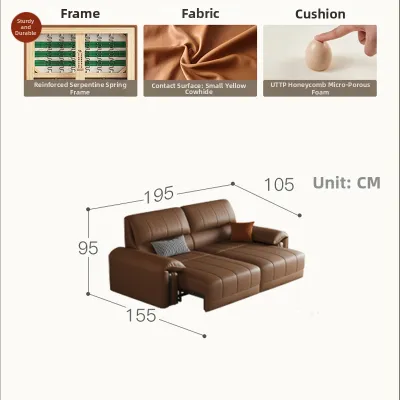
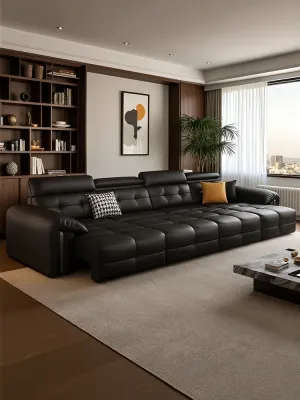
Prices are valid at publication and may change. Please refer to the product page for the latest price.
For daily sleep, prioritize pull-out mechanisms that house a dedicated, independent mattress. This design ensures that you sleep on a surface specifically engineered for rest rather than sitting cushions that have been compressed by daytime use. A dedicated mattress also allows for better airflow and more consistent support across the entire length of the bed.
To ensure adequate spinal support, check the mattress thickness and density specifications. A daily-use sofa bed mattress should ideally have a high-density foam or pocket spring core that resists bottoming out. When testing a showroom model, press firmly into the center of the mattress; you should not feel the metal support bars underneath. If the manufacturer does not provide density ratings, look for physical indicators of support, such as a resilient rebound when pressure is released.
Frame stability is another critical factor in preventing long-term sagging. A daily sleeper requires a robust support system, such as a welded steel mesh or high-tensile wooden slats. Inspect the support base under the mattress to ensure it does not bow under localized weight. A sagging foundation will compromise your sleeping posture, leading to morning stiffness and accelerated wear on the mattress itself.
Evaluating Leather Types for Sleep Comfort and Maintenance
The choice of leather significantly influences both the tactile comfort of your sleeping surface and the effort required to maintain it. In Singapore’s warm and humid climate, heat retention is a primary concern for anyone sleeping on leather furniture. Aniline and semi-aniline leathers, which retain the natural pores of the hide, offer better breathability compared to heavily coated alternatives. These natural pores allow air to circulate, helping to regulate temperature and reduce the clammy feeling often associated with synthetic materials.

Conversely, heavily pigmented leathers and faux leathers (such as polyurethane or bonded leather) feature a thick protective topcoat that seals the surface. While this makes them highly resistant to spills, it also blocks airflow, trapping body heat and moisture during the night. If you prefer a pigmented leather for its durability, you will need to use breathable bedding layers to mitigate heat buildup.
To verify leather claims on product labels, perform visual and tactile checks in the showroom. Genuine leather exhibits natural variations in grain pattern, pore distribution, and color shading. If the surface texture is completely uniform across the entire sofa, it is likely a heavily corrected or synthetic material. Run your hand over the surface; genuine leather should feel warm and supple, whereas synthetic alternatives often feel cool, plasticky, or overly smooth.
Maintaining leather in a humid environment requires a consistent care routine to prevent mold growth and cracking. High humidity can cause moisture to accumulate in the leather’s pores, while air conditioning can dry out the natural oils. Plan to wipe down the leather weekly with a dry, soft microfiber cloth to remove dust and body oils. Apply a high-quality leather conditioner every six months to keep the material supple, ensuring the product is suitable for your specific leather type.
Assessing Build Quality and Mechanism Durability
A daily-use sofa bed undergoes significant mechanical stress from being folded and unfolded hundreds of times a year. To ensure long-term reliability, you must inspect the structural integrity of the frame and the quality of the moving parts. Look for frames constructed from kiln-dried hardwood, such as birch or oak, which resist warping in humid conditions. Avoid frames made primarily of particleboard or medium-density fibreboard (MDF), as these materials can degrade rapidly under the dynamic loads of daily sleeping.
Examine the joint construction where the frame members meet. High-quality frames utilize mortise-and-tenon joints, dowels, or heavy-duty metal corner brackets rather than simple glue and staples. A sturdy frame should feel solid and heavy; if you lift one corner of the sofa, the opposite corner should lift simultaneously without twisting or creaking.
Next, test the unfolding mechanism multiple times in the showroom. The transition from sofa to bed should be smooth, requiring minimal physical effort. Listen for any grinding, squeaking, or catching sounds, which can indicate poor alignment or low-grade hardware. The mechanism should lock securely into both the open and closed positions without any play or wobbling in the joints.
Always verify the manufacturer’s specified weight capacity for both the sofa and the bed configurations. A reliable daily sleeper should comfortably support the combined weight of two adults without straining the mechanism. Additionally, review the warranty terms carefully; ensure that the mechanical components and the frame are covered under a multi-year warranty, as these are the parts highly prone to wear over time.
Space Planning and Clearance Checks for Your Home
Integrating a daily sleeping sofa into a Singaporean home, such as a typical HDB flat or condominium, requires precise spatial planning. Before purchasing, you must measure not only the folded footprint of the sofa but also its fully deployed length. Ensure there is at least 60 centimeters of walking clearance around the foot and sides of the bed when it is open, allowing you to move comfortably around the room at night.
Create a detailed measurement checklist that includes the sofa’s width, depth, and height when closed, as well as the total depth when the bed is fully extended. Compare these dimensions against your room layout, taking into account the swing of wardrobe doors, the position of TV consoles, and the location of electrical outlets.
Delivery access is another critical hurdle that is often overlooked. Measure the height, width, and diagonal clearance of your building’s lift, as well as any tight turns in the corridors or stairwells. Doorway frames within your apartment must also be wide enough to accommodate the sofa’s packaged dimensions. Many high-quality sofa beds feature modular designs or removable arms to facilitate delivery through tight spaces; verify this feature with the retailer if your access routes are constrained.
Finally, consider the placement of the sofa bed relative to your room’s microclimate. Avoid positioning the leather directly under air conditioning vents, as the constant stream of cold, dry air can dry out the leather and cause premature cracking. Similarly, keep the sofa away from windows that receive direct afternoon sunlight, as UV rays can fade the color and weaken the leather fibers over time.
Condition-Based Brand Selection Framework
To narrow down your options among the various retailers in Singapore, use a condition-based framework that aligns with your specific priorities, space, and budget.
Choose brands specializing in sleep ergonomics if your primary concern is sleep quality and spinal health. These retailers typically prioritize the mattress and mechanism design, offering options with pocket springs, memory foam, or adjustable tension zones. This path is suitable if you have pre-existing back issues or if the sofa bed will serve as your primary bed for an extended period.
Choose established upholstery brands if you want to prioritize high-grade leather aesthetics and a cohesive living room design. These brands focus on premium leather finishes, custom configurations, and sleek profiles that conceal the bed mechanism entirely when closed. This option is highly suitable if the sofa bed is located in a main living area where daytime appearance and seating comfort are just as important as nighttime utility.
Verify first if you encounter brands offering mixed-material claims, such as “leather match” designs where only the seating surfaces are genuine leather and the sides are synthetic. While these can offer cost savings, the different materials may age at different rates, leading to color mismatches over time. Additionally, verify unclear warranty terms or unverified weight limits before finalizing your purchase, as a daily sleeper requires robust protection against mechanical failure.
Frequently Asked Questions (FAQ)
Can I use standard bed sheets on a leather sofa bed mattress?
Sofa bed mattresses often have non-standard dimensions, particularly regarding depth, which is typically shallower than a standard mattress to allow for folding. Standard fitted sheets may fit loosely on a thinner sofa bed mattress, causing them to bunch up during the night. To secure fitted sheets, you can use elastic sheet straps or suspenders underneath the mattress, or opt for flat sheets tucked tightly using hospital corners.
How do I prevent the leather from sticking to my skin while sleeping?
To prevent skin contact with the leather and manage temperature, always use a breathable barrier between yourself and the sofa bed. A 100% cotton mattress protector or a lightweight bamboo mattress topper works well to absorb moisture and provide a soft, cool sleeping surface. Additionally, ensure the room is well-ventilated or air-conditioned, and avoid sleeping directly on the leather upholstery without proper bedding.

Community discussion
Share your experience or ask a question. Comments are reviewed before publication.