
Finding the best kitchen cabinet storage in Singapore is not about chasing a single brand name; it is about matching your household’s cooking habits and kitchen layout with a provider’s custom execution and hardware quality. Whether you choose a local bespoke carpenter or an international modular brand, the ideal storage solution depends on how effectively a provider utilizes every square centimeter of your floor plan. By focusing on structural adaptability, internal hardware systems, and precise physical measurements, you can secure a kitchen that remains highly functional for years to come.
Quick Guide to Evaluating Kitchen Cabinet Storage
Optimal kitchen cabinet storage is achieved when your physical inventory matches your cabinet’s internal configurations. Instead of choosing a brand based solely on aesthetic popularity, prioritize providers that offer deep customization of internal layouts and seamless integration with high-quality hardware. A beautiful cabinet exterior is of little use if the interior consists of deep, dark shelves where items are easily lost and difficult to reach.
Evaluating a brand requires shifting your focus from marketing labels to specific custom capabilities and modular flexibility. High-performing storage solutions rely on specialized internal mechanisms—such as pull-out larders, corner carousels, and tiered drawer systems—that convert hard-to-reach voids into active storage. The right brand for your home is one that can demonstrate how their systems adapt to your specific cooking style, appliance collection, and daily workflow.
Products mentioned in this guide
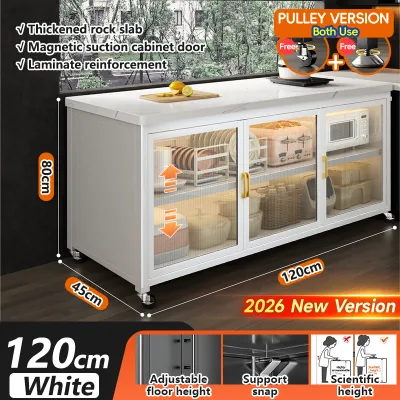
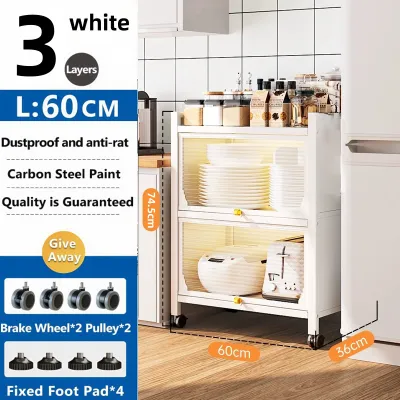
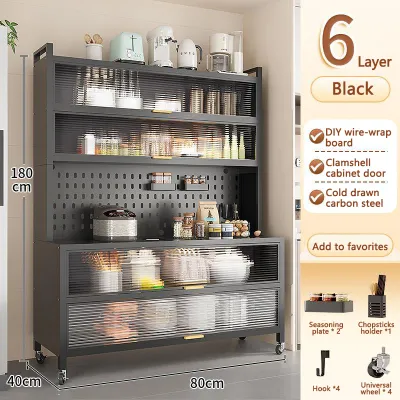
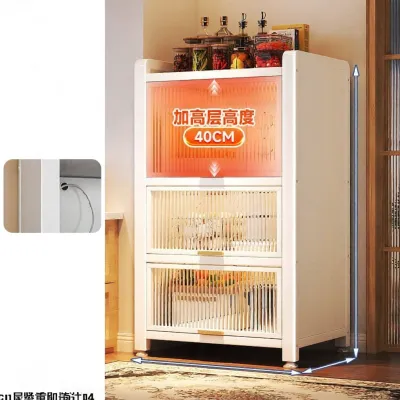
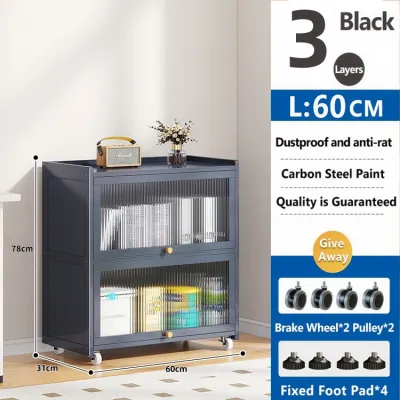
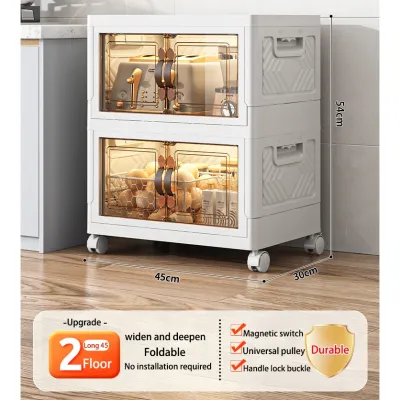
Prices are valid at publication and may change. Please refer to the product page for the latest price.
To find the right fit, follow a systematic decision path. Begin by auditing your current kitchen inventory to determine your exact storage needs, such as deep drawers for heavy pots or vertical slots for baking sheets. Next, assess your kitchen’s physical layout to identify structural constraints like pillars or tight corners. Finally, verify each prospective brand’s execution capabilities by inspecting their hardware options, material durability, and customization limits in their showroom.
Key Storage Features to Look for in Cabinet Brands
When comparing cabinet brands, the quality of the internal organization systems is the most critical factor in maximizing usable space. Look for brands that offer comprehensive pull-out systems, such as tall larder units that bring the entire contents of your pantry into view with a single pull. Tiered drawer-in-drawer systems are also highly effective, allowing you to store shallow cutlery trays directly above deep pot drawers within a single cohesive drawer front. Additionally, vertical tray dividers are essential for organizing awkward items like cutting boards, baking trays, and pan lids without stacking them horizontally.

Customization flexibility is another vital indicator of a brand’s ability to optimize tight or unusual spaces. Standard cabinets often leave dead space in deep corners, but capable brands resolve this by offering specialized corner pull-out carousels or articulating shelving units that glide outward when the door opens. Overhead storage should also be customizable; look for brands that can extend wall cabinets fully to the ceiling to maximize vertical space, or those that offer pull-down basket systems for easy access to high shelves. Even the often-wasted plinth area can be utilized with toe-kick drawers, which provide excellent storage for flat items like step stools or baking sheets.
To ensure these storage systems remain functional under daily use, you must verify the quality and weight capacity of the hardware. Inspect the product labels, specification sheets, or showroom displays for dynamic load ratings, which indicate how much weight a drawer runner or pull-out shelf can support while in motion. High-quality drawer runners should be rated for at least 30 kilograms for standard drawers, and up to 50 or 70 kilograms for wide, deep pot drawers. Look for full-extension runners with integrated soft-close mechanisms, which allow you to access the very back of the drawer without the risk of slamming or damaging the cabinet structure.
Navigating Space Constraints: HDB vs. Condo Kitchens
Singapore’s housing landscapes present distinct structural realities that directly influence your cabinet storage choices. In Housing & Development Board (HDB) flats, particularly newer Build-To-Order (BTO) units, kitchens are often compact and linear or galley-shaped, sometimes sharing space with service yards or household shelters. These layouts require highly efficient vertical storage strategies, such as double-tier wall cabinets that utilize the full height of the room. Resale HDB flats may also feature structural pillars, waste pipes, or beams that cannot be moved, requiring a brand that can custom-cut cabinet carcasses to fit around these obstacles without sacrificing internal storage volume.
Condominium kitchens, on the other hand, frequently feature open-concept layouts or irregular, non-standard floor plans that merge with the living area. In these spaces, maintaining visual neatness is just as important as maximizing storage capacity. Look for brands that specialize in integrated appliance garages—dedicated cabinet compartments with roll-up or pocket doors that conceal small appliances like microwaves, coffee makers, and blenders when they are not in use. Open-concept kitchens also benefit from floor-to-ceiling tall units that mimic flush wall paneling, hiding extensive pantry storage behind a clean, minimalist facade.
Before committing to a brand, you must verify whether their standard modular units can fit your specific floor plan or if full customization is required. Standard modular cabinets typically come in fixed widths, such as 30, 45, 60, or 90 centimeters. If your kitchen wall measures 250 centimeters, using standard 60-centimeter modules will leave a 10-centimeter gap that must be filled with a non-functional filler panel. A brand with true custom capabilities can adjust the width of individual carcasses to eliminate these gaps, ensuring that every centimeter of available wall space is converted into active, usable storage.
How to Build and Compare Your Brand Shortlist
To build a reliable shortlist of cabinet brands, start by filtering candidates based on their portfolio, material sourcing, and warranty terms. Look for providers that have successfully executed storage solutions in layouts similar to your own, and ask for real-life photos of completed interiors rather than just 3D renders. Transparency in material sourcing is equally important; ensure the brand uses high-density, moisture-resistant materials like solid plywood or high-grade blockboard, which are better suited to Singapore’s humid climate than standard particleboard. Additionally, compare warranty terms carefully, distinguishing between structural warranties on the cabinet carcasses and lifetime warranties on moving hardware parts.
Once you have a shortlist, visit their showrooms to perform hands-on quality checks. Do not hesitate to test the display units vigorously; open and close drawers repeatedly, applying downward pressure on fully extended drawers to check for sagging or instability. Inspect the movement of corner pull-out mechanisms to ensure they glide smoothly without catching or rattling. You should also closely examine the edge banding on the cabinet doors and carcasses; high-quality edge banding should be perfectly flush with no visible glue lines or peeling edges, which are common entry points for moisture and pests.
During your showroom consultations, ask the designers specific questions to gauge their space-optimization expertise and uncover hidden costs. Ask how they plan to utilize awkward spaces, such as the area around sink plumbing or structural columns. Inquire about their pricing structure: “Are internal organizers like pull-out baskets and cutlery trays included in the base price, or are they billed as optional add-ons?” You should also ask about modification fees, ensuring you know exactly how much it will cost if a cabinet carcass needs to be customized on-site to accommodate unexpected wall irregularities.
Essential Pre-Purchase Checks and Measurements
Before signing a contract or finalizing your cabinet design, you must perform critical physical checks to ensure the proposed storage layout is practical. Verify all clearances in your actual kitchen space, taking into account the swing paths of cabinet doors, drawer extensions, and major appliances like refrigerators and ovens. Ensure there is a comfortable walkway clearance of at least 90 centimeters—ideally 120 centimeters—between opposing cabinets to allow two people to pass. Additionally, check that cabinet hinges do not obstruct adjacent walls or trim, and use zero-protrusion hinges for cabinets containing internal pull-out drawers so the drawers can slide out freely when the door is open at a 90-degree angle.
Load-bearing limits must also be verified to prevent structural failures or safety hazards. Wall-mounted upper cabinets require secure anchoring, which depends heavily on your wall type; concrete or brick walls can support heavy loads, whereas drywall partitions require internal timber or metal backing to safely hold wall cabinets. For heavy pull-out pantry systems, which can weigh up to 100 kilograms when fully loaded with canned goods and small appliances, verify that the floor-mounted cabinet carcass and the floor itself are perfectly level to distribute the weight evenly and prevent the runners from binding.
Finally, confirm all installation prerequisites and access routes before fabrication begins. Ensure that plumbing lines, gas pipes, and electrical outlets are accurately mapped and that the cabinet design allows easy access to shut-off valves and junction boxes for maintenance. Floor leveling is particularly critical in older resale flats, as uneven floors will cause cabinet doors to misalign and drawers to drift open or closed. Lastly, measure your building’s lift dimensions, stairwells, and doorways to confirm that large, pre-assembled tall units or long countertops can be safely transported to your unit without damage.
Frequently Asked Questions (FAQ)
Are custom-built cabinets always better for storage than semi-custom or modular options?
Custom-built cabinets offer the highest space efficiency because they are fabricated to the exact dimensions of your kitchen, eliminating wasted space around structural pillars or awkward corners. However, they typically require longer lead times and a higher initial investment in S$ terms. Modular or semi-custom systems are more cost-effective and faster to install, but they rely on fixed dimensions that may require wide filler panels to fit your space. If your kitchen has straight, standard walls, a modular system paired with high-quality internal organizers can provide excellent storage at a lower cost; if your layout is irregular, custom cabinetry is necessary to maximize every centimeter.
How can I maximize storage in a kitchen with limited wall space for upper cabinets?
When upper wall space is restricted by windows, structural beams, or an open-concept design, you can compensate by optimizing your base cabinets and utilizing floor-to-ceiling tall units. Incorporate deep base drawers equipped with adjustable pegboards and plate racks to store heavy items that would normally go into wall cabinets. Utilizing a kitchen island with deep drawers on both sides can also significantly increase your storage capacity. Additionally, ensure your base cabinets are fitted with full-extension runners and internal organizers, allowing you to utilize the entire depth of the lower cabinets without needing to bend down and search through dark shelves.

Community discussion
Share your experience or ask a question. Comments are reviewed before publication.