
Finding a reliable indoor clothes rack in Singapore requires looking past flashy marketing and focusing on structural specifications, material finishes, and space efficiency. In a high-humidity environment where residential space is often at a premium, a poorly constructed rack can quickly rust, sag, or tip over. To identify which brands are truly worth your investment, you must evaluate how manufacturers treat their metals, design their joints, and support their products locally. This systematic approach ensures you select a durable, stable rack that fits your home’s layout and matches your daily laundry or storage habits.
Identifying Your Primary Use Case: Coat Rack vs. Drying Rack
Before comparing different brands, you must define the primary function your new indoor clothes rack will serve. The term “indoor clothes rack” encompasses several distinct product categories, each engineered for specific tasks. Mixing up these categories often leads to structural failure or premature wear, as a rack designed for displaying dry garments in a bedroom cannot handle the weight and moisture of freshly washed laundry.
Static coat racks are typically designed for entryways, bedrooms, or walk-in wardrobes. These vertical structures prioritize aesthetics and a compact footprint, making them ideal for hanging lightweight jackets, bags, and daily wear. Because they are meant for dry items, their materials and finishes are rarely optimized for high moisture levels. Choosing a brand that specializes in decorative wooden or light metal coat racks is excellent for organization, but these units should never double as laundry drying stations.
Products mentioned in this guide
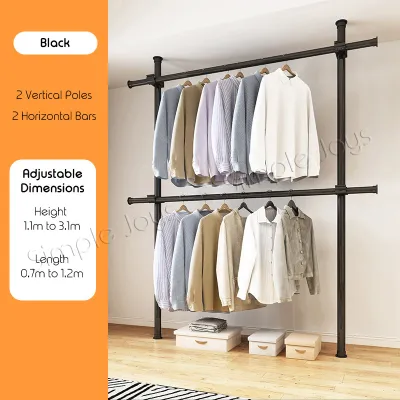

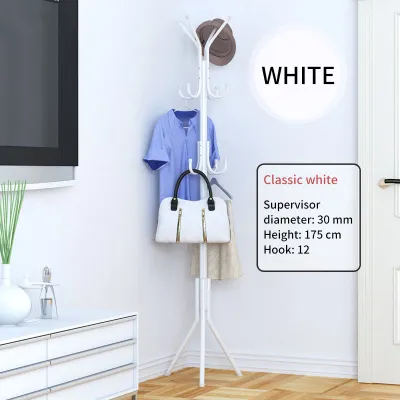
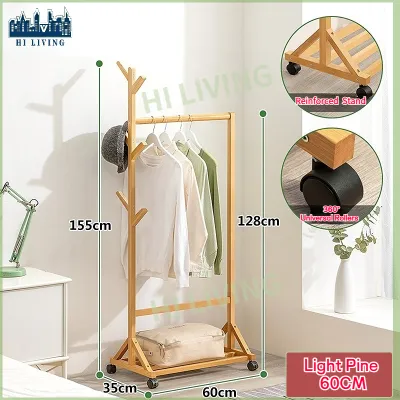
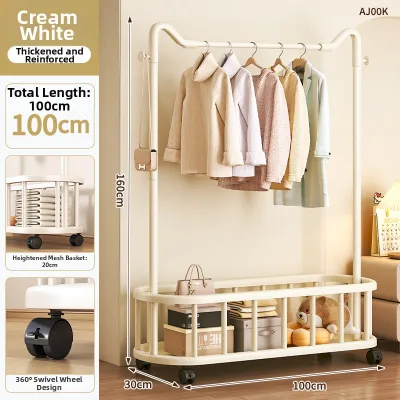
Prices are valid at publication and may change. Please refer to the product page for the latest price.
Mobile garment racks feature wheels and a horizontal hanging bar, offering a flexible solution for seasonal wardrobe storage or ironing preparation. These racks are built to hold a higher volume of dry clothes, but their stability depends heavily on the quality of their casters and frame connections. When evaluating brands in this category, look for heavy-duty locking wheels and reinforced base frames that prevent the rack from swaying when fully loaded.
Foldable drying racks are engineered specifically to handle wet laundry. These racks feature multiple rods, wings, or tiers to maximize drying surface area within a compact footprint. Because wet clothes are significantly heavier than dry garments, drying racks require robust structural engineering and moisture-resistant materials. Brands specializing in laundry solutions focus on maximizing airflow and ensuring the frame remains stable even when loaded unevenly with heavy, damp fabrics like towels and denim.
Matching your load-bearing expectations to the intended use is critical for long-term satisfaction. A single load of wet laundry can easily weigh twice as much as an equivalent volume of dry clothes. If you attempt to dry wet garments on a standard decorative garment rack, you risk bowing the hanging rod, stripping the joint threads, or causing the entire structure to collapse. Clearly defining your primary use case allows you to filter out brands that do not specialize in your specific functional requirements.
How to Verify Brand Quality and Structural Claims
When evaluating different brands in Singapore, you will encounter numerous claims regarding durability, rust resistance, and weight capacity. To separate genuine quality from marketing hype, you must know how to inspect the physical specifications and construction details of the racks. Relying solely on a brand’s reputation or the base material name is rarely enough to guarantee a long-lasting product.

First, look closely at the surface treatments applied to the metal components. A simple steel or iron label does not guarantee protection against Singapore’s humid climate. High-quality brands will explicitly state the use of advanced surface treatments, such as electrostatic powder coating, chrome plating, or multi-layer rust-resistant finishes. Powder coating, for example, creates a thick, durable barrier that resists chipping and prevents moisture from reaching the underlying metal. If a brand does not specify its surface treatment, the rack may be prone to rusting, especially if used in a service yard or near a window.
Next, inspect the connection structures and joint reinforcements. The joints are the most common failure points on any clothes rack. Budget brands often use thin plastic connectors that degrade and crack over time under the influence of weight and ambient heat. Premium brands, on the other hand, utilize metal-to-metal connections, reinforced brackets, or heavy-duty locking mechanisms. Look for racks with wide bases and welded joints, as these designs inherently distribute weight more effectively and resist swaying.
Manufacturer-provided weight capacity labels offer a useful benchmark, but you must understand how these ratings are calculated. A brand might advertise a total weight capacity of 50 kg, but this rating usually assumes perfectly even load distribution. In real-world usage, clothes are rarely hung with mathematical precision. Evaluate how the brand structures its weight limits across different tiers or bars, and choose a rack with a rated capacity that comfortably exceeds your typical daily load.
Finally, assess the brand’s local presence and after-sales support. Reliable brands operating in Singapore often provide clear warranty terms covering manufacturing defects, structural failures, or premature rusting. They should also offer accessible customer service channels and make replacement parts—such as replacement casters, joints, or end caps—readily available. A brand that stands behind its product with a written warranty and local support is far more likely to deliver a reliable, long-term storage solution.
Choosing the Right Retail Channel and Verifying Sellers
Where you buy your indoor clothes rack is just as important as the brand you choose. Singapore offers a diverse retail landscape, ranging from physical home furnishing showrooms to online marketplaces and local specialty organizers. Understanding the advantages and risks of each channel helps ensure you receive an authentic product with reliable delivery and assembly support.
Established home furnishing showrooms allow you to inspect the clothes racks in person before making a purchase. This hands-on experience is invaluable for testing the rack’s stability, checking the smoothness of its wheels, and verifying the quality of its finishes. While physical showrooms may have slightly higher price points due to overhead costs, they offer immediate gratification and a straightforward return process if the product does not meet your expectations.
Official brand stores on major e-commerce platforms provide a convenient alternative, often featuring a wider selection of models and exclusive online promotions. When shopping online, it is crucial to verify the seller’s authorized status to avoid counterfeit or substandard imitations. Look for official brand badges, verified mall status, or direct links from the manufacturer’s official website. Reading recent buyer feedback is essential; pay close attention to reviews mentioning packaging quality, missing assembly hardware, or shipping damage.
Local specialty home organization retailers often curate high-quality, space-saving brands specifically suited for Singapore’s typical apartment layouts. These retailers understand local housing constraints and can offer tailored advice on which rack designs work best in HDB service yards or condominium balconies. They also tend to provide superior customer service and more reliable product knowledge compared to general merchandise sellers.
Before finalizing your purchase, carefully review the retailer’s delivery policies, return terms, and assembly options. Bulky or heavy clothes racks can incur significant delivery fees, especially if your building lacks lift access or has narrow corridors. Some brands and retailers offer professional assembly services for a small fee, which can save you time and ensure the rack is put together safely and correctly. If you plan to assemble the rack yourself, verify that all necessary tools are included in the package.
Pre-Purchase Space and Safety Checks for Your Home
Even the highest-quality clothes rack will fail to satisfy if it does not fit your home or poses a safety hazard to your household. Conducting thorough pre-purchase checks ensures that your selected rack integrates seamlessly into your living space and operates safely under daily use.
Begin by measuring the exact physical space where you plan to place the rack. Do not rely on visual estimates; use a measuring tape to verify the available floor footprint, height clearance, and surrounding clearance. If you are purchasing a foldable drying rack, measure its dimensions both when fully extended and when folded for storage. Additionally, check the clearance of your doorways, hallways, and elevator cabins to ensure the packaged product can be safely delivered to your unit without causing damage.
Safety is paramount, particularly for freestanding racks that hold significant weight. Look for brands that incorporate anti-tip features, such as weighted bases, wide-angled legs, or wall-anchoring hardware. If you have hard flooring, such as vinyl, laminate, or polished tile, ensure the rack includes high-quality floor protectors or non-scratch rubber feet. These components prevent the rack from sliding unexpectedly and protect your floors from unsightly scratches and gouges.
Review the assembly instructions and tool requirements before starting the setup process. If the manufacturer’s instructions are unclear, or if you encounter structural limits in your home—such as uneven flooring or weak wall materials—stop and consult a qualified professional or the manufacturer’s customer support. Attempting to force an assembly or modify the rack’s structure can compromise its stability and void your warranty. Taking these precautions ensures your indoor clothes rack remains a safe, functional, and reliable addition to your home.
Frequently Asked Questions (FAQ)
How do I maintain metal finishes to prevent rust in humid rooms?
To maintain metal finishes and prevent rust, regularly wipe down the rack with a soft, dry microfiber cloth to remove accumulated moisture and dust. Avoid using harsh chemical cleaners, abrasive pads, or bleach, as these can strip away protective powder coatings or chrome plating. Ensure the room has adequate ventilation, especially if you are drying wet laundry indoors, by opening windows or using a dehumidifier. If you notice early signs of coating wear or scratches, apply a manufacturer-approved touch-up paint or rust inhibitor to protect the exposed metal.
What is the safest way to distribute weight on a freestanding rack?
The safest way to distribute weight is to place heavier items, such as wet towels, jeans, or heavy coats, on the lower tiers or closer to the center of gravity. Avoid hanging heavy loads exclusively on one side of an asymmetrical rack, as this uneven distribution can cause the unit to tip over. Distribute garments evenly across the entire length of the hanging rod rather than clustering them in one spot. If you notice the frame bowing, the joints creaking, or the base lifting slightly, immediately remove some items to prevent structural failure.
Can indoor clothes racks be safely used on a covered balcony?
Indoor clothes racks should only be used on a covered balcony if the manufacturer explicitly rates the product for semi-outdoor or outdoor environments. Standard indoor finishes can degrade rapidly when exposed to fluctuating humidity, wind, and indirect UV sunlight, leading to premature rusting or structural weakening. If you choose to use an indoor-rated rack on a covered balcony, monitor it closely for signs of wear and plan to move it fully indoors during periods of heavy rain, high winds, or extreme humidity.

Community discussion
Share your experience or ask a question. Comments are reviewed before publication.