
Selecting a fabric sofa for a Singapore HDB flat requires balancing immediate comfort with long-term structural integrity. Because HDB living rooms serve as multi-functional spaces subject to high humidity and daily foot traffic, a sofa must be evaluated on its internal engineering, fabric resilience, and physical proportions rather than aesthetic appeal alone. To make an informed decision, buyers must look past showroom softness and scrutinize technical specifications like foam density, suspension systems, and frame construction. Understanding these core metrics ensures your investment remains supportive and visually appealing for years to come.
Defining Seat Comfort and Durability for Daily HDB Use
When testing a sofa in a showroom, the initial plushness can be highly deceptive. A seat cushion that feels incredibly soft and cloud-like during a five-minute trial often lacks the internal support necessary for long-term ergonomic comfort. Over time, low-density foam cushions compress permanently, leading to poor sitting posture, back strain, and an unsightly, saggy appearance. To avoid this, look for product labels that specify high-density polyurethane foam, which is measured in kilograms per cubic meter (kg/m³). For a durable HDB living room sofa, the seat core should ideally feature a density of 30 kg/m³ to 40 kg/m³, which offers a resilient bounce-back quality while maintaining its shape under daily use.
Beyond the internal foam, the outer fabric must withstand the unique challenges of Singapore’s tropical climate and daily household activities. High humidity can accelerate the wear of low-quality textiles, leading to premature pilling, stretching, and color fading. When reviewing fabric specifications, prioritize tight weave patterns such as flatweaves, canvas, or heavy-duty twills. These structures are inherently more resistant to friction and less likely to trap dust, pet dander, or lint. Additionally, check for colorfastness to light ratings on product tags, especially if your sofa will be positioned near a window where it will receive direct afternoon sunlight.
Products mentioned in this guide
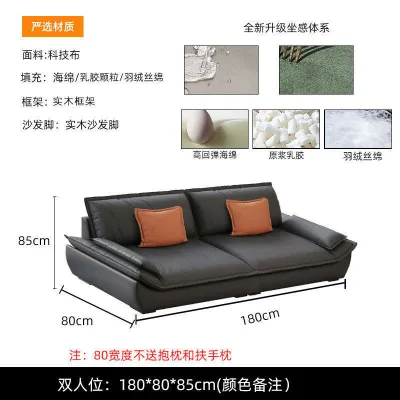
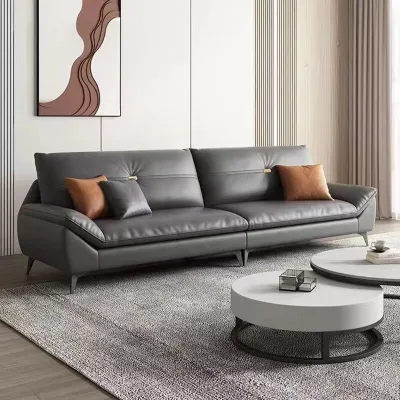
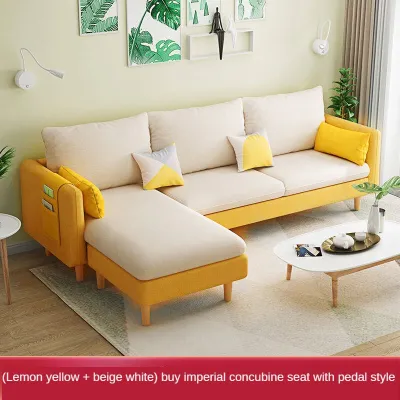
Prices are valid at publication and may change. Please refer to the product page for the latest price.
Underlying both the cushion and the fabric is the sofa frame, which serves as the foundation of the entire piece. A poorly constructed frame will warp or sag long before the cushions wear out, rendering the sofa unusable. In Singapore’s humid environment, untreated or low-grade engineered woods can absorb moisture from the air, leading to joint loosening and structural bowing. To prevent this, verify that the brand uses kiln-dried hardwood for the main load-bearing frame. The kiln-drying process extracts moisture from the wood before assembly, ensuring the frame remains stable, rigid, and resistant to warping over decades of use.
Core Evaluation Dimensions for Fabric Sofa Brands
To systematically compare different fabric sofa brands, you must look beyond marketing claims and analyze the specific materials used in their cushion composition. High-quality brands typically employ a multi-layered cushion design to balance support and surface softness. The core of the cushion should consist of high-resilience (HR) foam, which is more elastic and durable than standard polyurethane foam. For premium comfort, some brands integrate pocket springs within the foam core, providing localized contouring and reducing motion transfer when someone else sits down. This core is then wrapped in a layer of polyester fiber or down feathers, which adds a welcoming, plush surface feel without compromising the structural support underneath.

Fabric grading is another critical dimension that separates premium brands from budget alternatives. Reputable manufacturers provide detailed fabric specifications, including Martindale or Wyzenbeek rub test ratings. The Martindale method simulates natural wear by rubbing a reference fabric against the test material in a continuous figure-eight pattern. For a standard HDB household, a fabric rated at 15,000 to 20,000 rubs is suitable for general domestic use, but active homes with pets or children should look for heavy-duty fabrics rated at 30,000 rubs or higher. Furthermore, look for built-in stain-release treatments that coat the individual fibers, allowing liquid spills to bead up on the surface rather than soaking deep into the cushion.
Finally, examine the joinery and suspension systems detailed in the product descriptions. The suspension system acts as the shock absorber for the sofa, distributing weight evenly across the frame. Sinuous springs, which are S-shaped tempered steel wires running across the seat frame, offer a firm and durable support system that resists sagging. Alternatively, high-tensile elastic webbing can be used, but it must be closely interwoven and securely tensioned to prevent stretching over time. For joinery, high-quality brands avoid relying solely on metal staples or glue; instead, they use double-dowelled joints reinforced with corner blocks that are both glued and screwed, ensuring the frame can handle sudden impacts and heavy loads.
Adapting Sofa Proportions and Clearance to HDB Layouts
Even the most comfortable and durable sofa is a poor choice if it cannot physically fit into your home or if it overwhelms the layout of your living room. Before finalizing any purchase, you must carefully measure the entire delivery pathway to avoid costly delivery failures. Start by measuring the dimensions of your HDB estate’s passenger lift, including the door opening width, the internal cabin height, and the diagonal depth from the top corner to the opposite bottom corner. Next, measure your HDB main door and the outer metal gate, paying close attention to the clearance width when the doors are fully open, as well as any narrow corridor turns that might restrict the delivery team’s movement.
Once inside the flat, the sofa’s visual weight must be balanced against the physical dimensions of your living room. Standard HDB flats often feature ceiling heights of around 2.6 meters, meaning a bulky sofa with a high backrest and deep seats can make the entire room feel cramped and dark. To maintain an open, airy atmosphere, consider a low-profile sofa with a lower backrest and raised legs that expose a portion of the floor underneath. This design allows light to pass through and creates a visual illusion of greater floor space. Ensure that the depth of the sofa leaves at least 75cm to 90cm of clear walkway space in front of it, allowing family members to walk past comfortably without bumping into the coffee table or television console.
For homeowners who value long-term flexibility, modular sofa configurations offer significant advantages over fixed, one-piece designs. Modular sofas consist of individual seating sections that can be arranged in various layouts, such as an L-shape, a cozy corner setup, or a classic straight line. This adaptability is particularly useful if you plan to reconfigure your living room for hosting guests, or if you move to a different flat in the future. Additionally, modular pieces are much easier to transport through tight HDB lifts and narrow doorways, drastically reducing the risk of accidental damage to both your walls and the sofa fabric during the delivery process.
Verifying Brand Reliability and After-Sales Support in Singapore
Validating a brand’s durability claims requires a close inspection of their warranty terms and after-sales service policies. A comprehensive warranty is a strong indicator of a manufacturer’s confidence in their product’s longevity. However, you must distinguish between the different coverage periods offered for various components of the sofa. While a brand may proudly advertise a 10-year warranty, this often applies exclusively to the internal wooden frame. The foam cushions, suspension systems, and fabric covers typically carry much shorter warranty periods, often ranging from one to three years. Carefully read the warranty exclusions, noting whether normal wear and tear, fabric pilling, or minor cushion softening are excluded from coverage.
To truly assess the quality and texture of a fabric, you should always request physical swatches to test in your own home environment. Showroom lighting can be highly deceptive, making colors appear warmer or cooler than they will under your home’s LED fixtures or natural daylight. Once you receive the swatches, place them in your living room to observe how the color shifts throughout the day. You can also perform simple, non-destructive tests at home: rub the fabric firmly with a key to check for snagging, scratch it gently to see if fibers pull loose, and pour a few drops of water on the surface to verify the effectiveness of any liquid-repellent treatments.
Finally, thoroughly review the brand’s delivery, assembly, and return policies before making a financial commitment. Confirm whether the delivery fee includes professional assembly by trained technicians, as improper assembly can compromise the sofa’s structural stability and void your warranty. Ask about the brand’s return policy in case the sofa does not fit your space or fails to meet your comfort expectations upon delivery. Some retailers offer a trial period but charge substantial restocking and transport fees for returns, while others may only offer store credit. Choosing a brand with a dedicated local customer service team in Singapore ensures that any issues, from minor fabric defects to frame adjustments, can be resolved quickly and professionally.
Frequently Asked Questions (FAQ)
How often should I rotate or flip fabric sofa cushions to maintain comfort?
To ensure even wear and prolong the lifespan of your sofa, reversible seat and back cushions should be rotated and flipped every two to three weeks. If your sofa features fixed cushions that cannot be flipped, make a habit of regularly fluffing them by hand and alternating where you sit to prevent localized sagging in your favorite spot. Over time, all foam will experience some natural softening, but you should look out for warning signs of structural failure. If a cushion develops a deep indentation that does not recover after several hours, if you feel the hard suspension system underneath when sitting, or if the foam crumbles and loses its elasticity, it is time to contact the manufacturer for replacement foam inserts.
Are performance fabrics necessary for HDB homes with young children or pets?
While standard treated fabrics offer basic protection, specialized performance fabrics are highly recommended for active HDB households with young children or pets. Standard fabrics often rely on topical chemical coatings that wash off or wear away after a few cleanings, whereas true performance fabrics are engineered at the fiber level to resist stains, moisture, and odors permanently. When shopping, look for labels indicating high double-rub counts (30,000 or more) and certifications like Oeko-Tex, which guarantee the fabric is free from harmful chemicals. Performance weaves are also tightly woven to prevent pet claws from snagging and pulling the threads, making them significantly easier to vacuum and spot-clean.
What is the ideal clearance to leave around a fabric sofa in an HDB living room?
To maintain comfortable movement and proper airflow, you should leave a minimum walkway clearance of 75cm to 90cm around the main traffic paths surrounding your sofa. If you plan to position your sofa directly in front of a window, ensure there is a gap of at least 10cm to 15cm between the back of the sofa and the wall. This clearance is crucial in Singapore’s humid climate, as it allows curtains or blinds to operate smoothly without rubbing against the fabric, and promotes adequate air circulation to prevent moisture buildup and mold growth on both the wall and the back of your sofa.

Community discussion
Share your experience or ask a question. Comments are reviewed before publication.