
Selecting a suitable custom kitchen stove cabinet provider in Singapore requires a systematic evaluation of spatial constraints, material durability, and carpentry craftsmanship. Because Singapore kitchens—ranging from compact HDB BTO flats to spacious private condominiums—often feature unique layouts and strict utility configurations, finding a reliable provider goes far beyond choosing a popular brand name. A successful custom installation depends on verifying a carpenter’s technical expertise, understanding local building regulations, and selecting materials that can withstand high heat and tropical humidity. This guide provides a comprehensive framework to help you evaluate local custom cabinet makers, compare material specifications, and manage the design and installation process effectively.
Assessing Your Kitchen Layout and Stove Specifications
Before engaging a custom cabinet provider, you must establish precise measurements of your kitchen layout and the technical specifications of your cooking appliances. The stove cabinet is a functional anchor of the kitchen, meaning any spatial error can compromise safety and usability. Begin by measuring the exact footprint available for the cabinet, taking into account the work triangle between the stove, sink, and refrigerator. For built-in hobs, you must obtain the manufacturer’s cutout dimensions rather than relying on the external dimensions of the appliance. Ensure there is a minimum clearance of 300mm of landing space on both sides of the hob to allow for safe food preparation and pot handling.
Overhead ventilation is equally critical. The distance between the cooktop and the range hood must comply with safety guidelines to prevent fire hazards and support efficient smoke extraction. Typically, gas hobs require a clearance of 650mm to 750mm to the hood, while induction hobs require 550mm to 650mm. Always verify these dimensions against your specific hood and hob manuals before finalizing the cabinet height.
Products mentioned in this guide
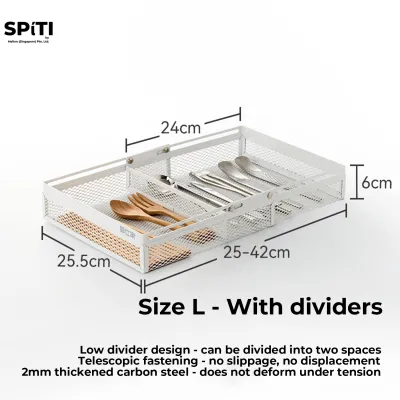
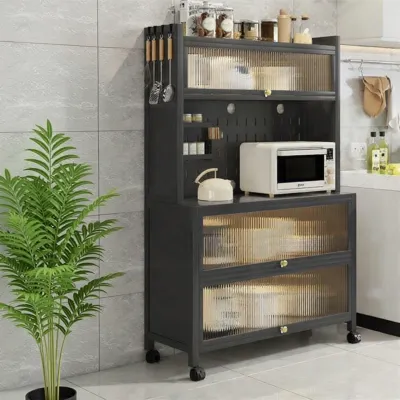
![[Cozy ]Kitchen cabinet combination cabinet stainless steel stove cabinet kitchen integrated cabinet bowl cabinet assembly household and rural cabinets](https://img.lazcdn.com/g/p/f4177426f5f5a3edf43f6cf09d9dc184.jpg_webp_400x400q80.jpg_.webp)
![[Cozy ]Kitchen Cabinet Storage Cabinet Stove Simple Stainless Small Mobile Rental One](https://img.lazcdn.com/g/p/c0d32e62b22514016363c0cef4f275c8.jpg_webp_400x400q80.jpg_.webp)
![[Cozy ]Cupboard Storage Household With Gas Stove Sink Cupboards Stainless Steel Kitchen Wash Simple One Cabinet Home](https://img.lazcdn.com/g/p/cbbd9b2500849b04a87f1f861883eca9.jpg_400x400q80.jpg_.webp)
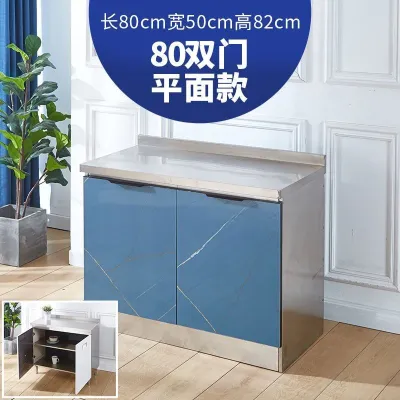
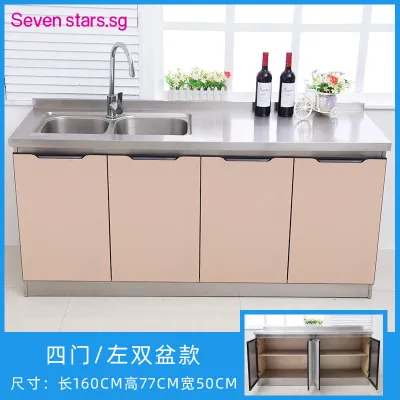
Prices are valid at publication and may change. Please refer to the product page for the latest price.
Utility routing is another major factor in Singapore homes. If your kitchen utilizes piped town gas, the cabinet design must accommodate the gas pipe’s path and keep the shut-off valve easily accessible. For homes using LPG cylinders, the cabinet must include a dedicated, well-ventilated compartment that meets local fire safety standards. If you opt for an induction hob, verify that your kitchen’s electrical infrastructure can support the appliance’s power requirements. Many high-performance induction hobs require a dedicated 15A or 20A electrical point, which must be wired and positioned correctly within the cabinet carcass before installation.
Finally, consider the weight capacity of the cabinet structure. Heavy built-in hobs, cast-iron cookware, and integrated appliances exert significant downward force. The cabinet carcass must be engineered to distribute this weight evenly, preventing structural sagging over time. Ask your provider how they reinforce the support rails to handle these loads.
Core Criteria for Selecting a Custom Cabinet Provider
Vetting custom cabinet providers in Singapore requires looking past polished marketing materials and focusing on verifiable craftsmanship and business practices. Start by thoroughly reviewing a provider’s portfolio of completed projects. Pay close attention to actual photographs of finished kitchens rather than 3D digital renders. Examine the precision of the joints, the seamlessness of the edge-banding, and the alignment of cabinet doors and drawers. A high-quality provider will showcase detailed close-ups of complex installations, such as integrated appliance housings and custom gas pipe casings, demonstrating their ability to handle technical challenges.

The depth of the initial design consultation is a strong indicator of a provider’s professionalism. During this phase, the designer or carpenter should ask detailed questions about your cooking habits, such as whether you engage in heavy, high-heat cooking or lighter culinary styles. They should provide detailed 3D drawings, including elevation plans and perspective views, that clearly show appliance placements, clearance gaps, and internal cabinet configurations. Be cautious of providers who gloss over these technical details or pressure you to sign a contract before finalizing the layout.
Material transparency and business credentials are vital for consumer protection. Ask the provider where their carpentry is fabricated. Many Singapore-based interior design firms and contractors partner with local carpentry workshops or operate their own fabrication facilities in Johor Bahru, Malaysia. Ensure that the provider is transparent about the origin and grade of the materials they use. If you are renovating an HDB flat, verify that the contractor is registered on the HDB Directory of Renovation Contractors, as they are trained to adhere to structural safety guidelines. Additionally, look for providers with industry accreditations such as CaseTrust, which ensures fair trading practices and clear dispute resolution mechanisms.
Choosing Materials and Finishes for High-Heat Zones
The area surrounding a kitchen stove is a high-stress zone exposed to intense heat, steam, moisture, and frequent impact. Selecting the right materials and finishes is crucial to ensuring the longevity of your custom cabinet. For countertops, compare options based on their thermal properties and maintenance requirements. Quartz is a popular choice in Singapore due to its non-porous nature and scratch resistance, but you must check the manufacturer’s thermal shock limits. Placing a hot pot directly onto a quartz surface can cause permanent discoloration or cracking. Sintered stone and granite offer high heat resistance, but they require professional installation and, in the case of natural stone, periodic sealing to prevent staining.
The cabinet carcass material is the structural backbone of your installation. In Singapore’s humid tropical climate, moisture resistance is just as important as heat resistance. Standard particleboard or medium-density fibreboard (MDF) should be avoided for stove cabinets, as they are highly susceptible to swelling and warping when exposed to steam and ambient humidity. Instead, specify high-quality plywood or blockboard with a moisture-resistant rating, such as MR-grade or marine plywood. These materials provide strong screw-holding capacity and structural stability under heavy loads.
Pay close attention to the quality of the edge-banding and surface finishes. The edges of cabinet doors adjacent to the stove are vulnerable to peeling due to rising heat and steam. Ensure the provider uses advanced edge-banding techniques, such as laser edge-banding or polyurethane (PUR) adhesives, which create a durable, moisture-resistant bond. For surface finishes, high-pressure laminates (HPL) are widely used for their durability and ease of cleaning. However, you should review the manufacturer’s specifications to ensure the laminate is rated for high-heat environments and follow their specific care instructions to maintain the surface finish.
Navigating the Design, Production, and Installation Timeline
Understanding the timeline and phases of a custom cabinet build helps you manage expectations and coordinate other renovation works. The process typically begins with an on-site measurement once the kitchen’s wet works, such as floor and wall tiling, are completed. This is followed by the design finalization and material selection phase. Once you approve the 3D drawings, fabrication begins at the carpentry workshop, which can take several weeks. On-site installation of the cabinet carcass usually takes a few days, after which the countertop fabricator will take precise templates of the installed cabinets to cut the stone. The final countertop installation and appliance hookups complete the process.
Logistics and site access are critical considerations in Singapore’s high-rise residential estates. Before fabrication begins, conduct pre-installation site checks to ensure that large cabinet modules can fit through your doorway and into the estate’s passenger or service lift. If the modules are too large, the carpentry team may need to transport them via the stairwell, which can incur additional labor charges and increase the risk of damage. You must also coordinate with your building management or HDB to secure the necessary renovation permits, arrange for lift protection padding, and adhere to permitted working hours.
Once the installation is complete, perform a meticulous snagging inspection before making the final payment. Check that all cabinet doors and drawers are properly aligned and operate smoothly without rubbing against adjacent surfaces. Test the soft-close hinges and drawer runners to ensure they function correctly under load. Inspect the silicone sealant lines around the stove cutout and countertop joints; they should be neat, continuous, and free of gaps to prevent water and food debris from seeping into the cabinet structure.
Evaluating Quotes, Warranties, and After-Sales Support
A transparent financial and contractual agreement is essential when commissioning custom kitchen carpentry. When evaluating quotes from different providers, insist on a fully itemized breakdown in S$. The quote should clearly separate the cost of the cabinet carcass (typically calculated per foot run) from the countertop material, specific hardware upgrades, and custom fabrication requirements. Ensure that premium hardware components, such as soft-close hinges, pull-out larders, or corner baskets, are listed with their specific brand names and model numbers. Avoid accepting lump-sum quotes that lack detail, as they often lead to unexpected variations and hidden fees during the construction phase.
Warranty coverage is a key differentiator among custom cabinet providers. Carefully read the terms of the warranty to understand what is covered and for how long. Structural warranties for custom carpentry typically range from 1 to 5 years, covering defects in the plywood carcass or laminate adhesion. Premium hardware manufacturers often provide separate, lifetime warranties on their hinges and drawer runners, which you should register independently. Clarify whether the warranty covers damage caused by water exposure or accidental impact, and understand the process for filing a claim.
Finally, evaluate the provider’s commitment to after-sales support. A reliable provider should offer a clear service-level agreement, specifying their response time for addressing post-installation issues. Whether it is adjusting a misaligned cabinet door or replacing a faulty drawer runner, prompt and professional after-sales service is crucial to maintaining the functionality and appearance of your custom kitchen stove cabinet over the long term.
Frequently Asked Questions (FAQ)
How much does a custom kitchen stove cabinet typically cost in Singapore?
In Singapore, custom kitchen carpentry is generally priced using a per-foot-run (pfr) model. For a standard custom kitchen base cabinet, prices typically range from S$100 to S$350 per foot run, depending on the carcass material (such as moisture-resistant plywood) and the complexity of the design. Countertops are priced separately, with quartz, solid surfaces, or sintered stone ranging from S$70 to S$250 per foot run. Additional costs include custom cutouts for the stove hob, gas pipe casings, and premium hardware upgrades. To avoid hidden fees, always request a detailed, itemized quote that specifies all material grades and hardware brands.
Can I integrate a built-in oven and microwave into the stove cabinet design?
Yes, integrating built-in appliances like ovens and microwaves into your stove cabinet is highly feasible, but it requires strict adherence to safety and structural guidelines. You must consult the appliance manufacturer’s installation manual to verify the required ventilation clearances—typically a minimum gap of 50mm at the rear and sides to prevent heat buildup. The cabinet carcass must be structurally reinforced with heavy-duty support rails or double-thickness plywood shelves to safely bear the weight of the appliances. Additionally, ensure your kitchen’s electrical wiring can handle the combined electrical load, and position the appliances at an ergonomic height for safe operation.
What is the standard lead time for custom kitchen cabinets?
The standard lead time for custom kitchen cabinets in Singapore generally ranges from 3 to 6 weeks. This timeline begins once the final on-site measurements are taken and the 3D design drawings are officially approved. The process includes factory fabrication, which often occurs in local workshops or across the border in Malaysia, followed by 2 to 5 days of on-site installation. Potential bottlenecks that can extend this timeline include delays in importing specialized materials or hardware, coordination with other renovation trades, and strict estate management or HDB renovation guidelines that restrict working hours. To protect yourself, establish clear milestone dates and penalty clauses for unjustified delays in your contract.

Community discussion
Share your experience or ask a question. Comments are reviewed before publication.