
When shopping for a stainless steel bar stool, evaluating build quality is the most critical step to ensure your seating remains stable, rust-free, and structurally sound over years of daily use. While stainless steel is highly regarded for its modern aesthetic and inherent strength, not all stools are manufactured to the same standards. A high-quality stool relies on the correct grade of steel, robust welding techniques, protective finishes, and a stable base design. By learning how to inspect these physical and technical details, you can avoid flimsy, misaligned, or corrosion-prone furniture that fails prematurely.
Understanding Stainless Steel Grades for Furniture
To determine if a stainless steel chair is suitable for your home, you must first identify the specific grade of steel used in its construction. Manufacturers typically list this information on the product specification sheet, the original packaging, or a label attached to the underside of the seat. If a product description simply states “stainless steel” without specifying a grade, it is highly recommended to contact the retailer or manufacturer to verify the exact material composition before purchasing.
The two most common grades of stainless steel used in residential and commercial furniture are Grade 201 and Grade 304. Grade 201 contains lower levels of nickel and higher levels of manganese, making it a cost-effective option that performs well in dry, climate-controlled indoor environments. However, Grade 201 is more susceptible to surface rust when exposed to high humidity or moisture over extended periods.
Products mentioned in this guide
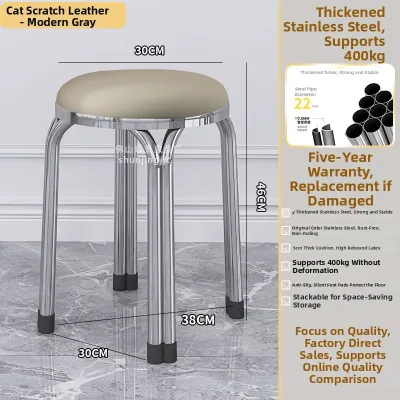
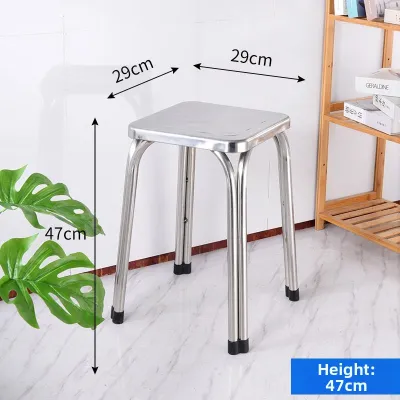
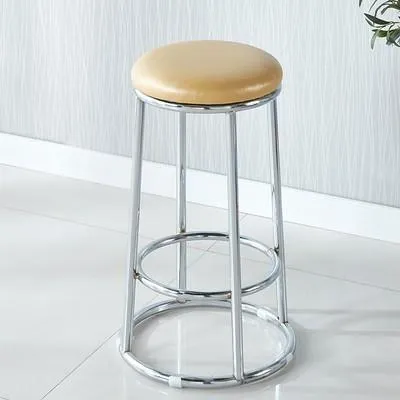
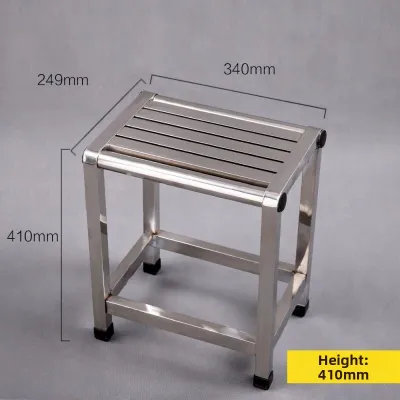
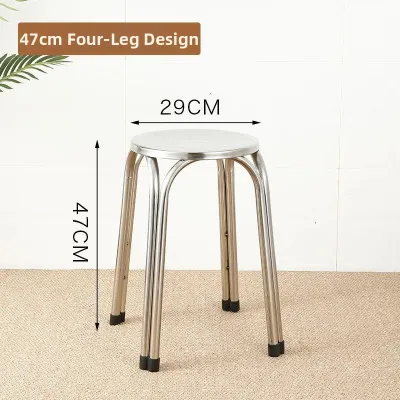
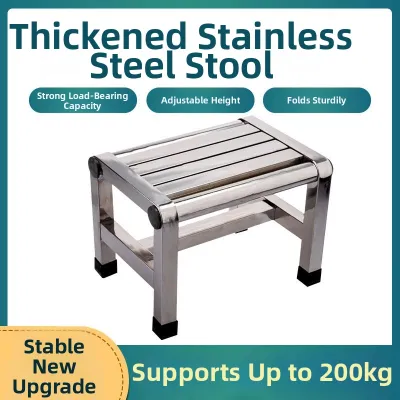
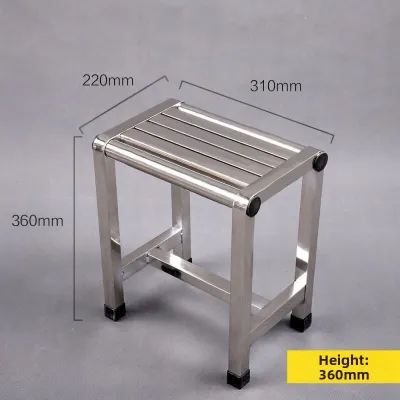
Prices are valid at publication and may change. Please refer to the product page for the latest price.
In contrast, Grade 304 stainless steel contains a higher concentration of chromium and nickel, which provides significantly better resistance to corrosion and oxidation. For homes in humid tropical climates, such as Singapore, or for semi-outdoor spaces like covered balconies and patios, Grade 304 is generally the more reliable choice. The increased nickel content helps the metal maintain its structural integrity and clean appearance even when exposed to ambient moisture.
Relying solely on the generic term “stainless steel” is a common mistake because it does not guarantee protection against rust or environmental wear. Every manufacturer establishes specific environmental limitations and care guidelines for their furniture. Before finalizing your purchase, check these specifications to ensure the stool is rated for your intended location, whether that is a fully air-conditioned kitchen or an open-air dining area.
Inspecting Construction and Welding Quality
The structural integrity of a stainless steel chair depends heavily on how the individual frame components are joined together. When inspecting a bar stool in a showroom or upon delivery, pay close attention to the weld joints where the legs, footrests, and seat supports meet. High-quality welding should appear as a smooth, continuous bead of metal, often referred to as a uniform weld, with no visible gaps, holes, or rough patches.

Poorly constructed stools often exhibit sloppy welding, which can present as uneven lumps, sharp burrs, or dark discoloration around the joints. Sharp burrs are not only a safety hazard for your hands and clothing but also indicate a lack of post-weld finishing and quality control. Discoloration around a weld joint can suggest that the metal was overheated during manufacturing, which can weaken the steel’s structural properties and make it more vulnerable to cracking under pressure.
To assess the rigidity of the stool, place both hands on the seat and apply firm downward and lateral pressure to check for flexing. A well-built frame should feel completely rigid, with no swaying, creaking, or movement at the connection points. Next, apply pressure to the footrest to ensure it is securely welded or bolted to the main frame, as this component must withstand significant downward force when users step up to sit.
You should reject a stool immediately if you observe visible structural flaws, such as hairline cracks in the welds, misaligned frame legs, or loose, non-standard fittings. Frame misalignment prevents the stool from sitting flat on the floor, which distributes weight unevenly and puts excessive stress on a single joint. Over time, this uneven stress can cause the joints to fail completely, posing a safety risk to anyone using the chair.
Evaluating Finish Types and Surface Treatments
The surface finish of a stainless steel bar stool determines both its aesthetic appeal and how much effort is required to keep it looking clean. Brushed finishes feature a fine, directional texture that is excellent at diffusing light and masking minor surface scratches, water spots, and fingerprints. This makes brushed stainless steel a practical choice for busy households, especially in high-traffic kitchen areas.
Polished finishes, which have a mirror-like shine, offer a striking, modern look but require more frequent maintenance. Fingerprints, oil smudges, and water droplets are highly visible on polished surfaces, meaning you will need to wipe them down regularly to maintain their reflective quality. Matte or powder-coated finishes provide a contemporary, non-reflective appearance, but you must verify that the underlying metal is properly treated to prevent rust if the outer coating gets chipped.
Regardless of the finish you choose, always review the manufacturer’s care instructions to understand the cleaning limitations. Using abrasive sponges, steel wool, or harsh chemical cleaners containing bleach or chlorides can permanently scratch the surface or strip away the protective chromium oxide layer that prevents rust. Stick to mild soap, warm water, and microfiber cloths as recommended by most furniture manufacturers.
Additionally, inspect the edge finishing and seam sealing along the underside of the seat and around the footrest. Poorly sealed seams or open tube ends can trap moisture from humid air or routine floor mopping. When water accumulates inside these hidden crevices, it can lead to crevice corrosion, which slowly eats away at the metal from the inside out without being immediately visible on the exterior.
Checking Weight Capacity and Structural Stability
A safe and durable bar stool must be engineered to support regular weight loads without tipping or warping. Always locate the manufacturer’s official weight capacity rating, which is typically listed in the product manual or online specification sheet. Do not make assumptions about a stool’s strength based solely on its metallic appearance, as thin-walled tubing can look sturdy while having a relatively low weight limit.
The physical footprint and base design of the stool play a major role in its overall stability. Stools with a wider, flared leg design generally offer a lower center of gravity and greater resistance to tipping than those with narrow, vertical legs. When testing the stool, sit on it and gently shift your weight from side to side to ensure the base remains firmly planted on the floor, particularly if your home has smooth tile or slightly uneven timber flooring.
The footrest is not just a comfort feature; it also acts as a crucial structural cross-brace that prevents the legs from splaying outward under load. Ensure the footrest is fully integrated into the frame design rather than attached as an afterthought with weak screws. A robust, welded footrest significantly increases the lifespan of the stool by reinforcing the entire lower half of the frame.
Finally, check the bottom of the stool legs for high-quality, non-slip foot caps or glides. These caps protect your flooring from deep scratches and prevent the metal legs from sliding unexpectedly when someone sits down. Ensure these glides are made of durable materials like dense nylon or rubber, and verify that they are securely fitted into the leg ends so they will not fall off during daily movement.
Frequently Asked Questions (FAQ)
Does a heavier stainless steel chair always indicate better build quality?
No, a heavier weight does not automatically guarantee superior build quality or durability. While a heavier stool may indicate thicker steel tubing, it could also be made from a lower-grade steel that is highly susceptible to rust, or it may feature heavy internal cast-iron weights simply to mimic a premium feel. True build quality is determined by the specific grade of stainless steel (such as Grade 304), the precision of the weld joints, and the overall engineering of the frame. To assess a stool’s actual strength, cross-reference its physical weight with the manufacturer’s certified weight capacity and the thickness specifications of the steel frame.
How can I prevent rust on stainless steel bar stools in humid climates?
To prevent rust in humid climates, establish a routine cleaning schedule using mild dish soap, warm water, and a soft microfiber cloth to remove accumulated dust, salts, and oils. Always wipe the metal completely dry after cleaning, and avoid using harsh chemicals, bleach, or abrasive pads that can scratch the protective surface layer. If you notice persistent stains or minor surface discoloration, check the manufacturer’s guidelines for approved stainless steel cleaners or polishes. For severe corrosion or deep scratches that compromise the metal, consult the manufacturer or a professional metal refinisher to restore the protective surface treatment safely.

Community discussion
Share your experience or ask a question. Comments are reviewed before publication.