
Selecting a reliable multi-functional storage stool in Singapore requires looking beyond attractive product photos to evaluate structural integrity, material suitability for a humid climate, and the practical space constraints of local homes. In compact living environments like HDB flats and condominiums, every piece of furniture must earn its footprint. A storage stool serves as a highly practical double-duty solution, offering both comfortable seating and hidden organization. However, because these items experience regular physical impact from seating alongside the mechanical wear of opening and closing, choosing a brand that prioritizes robust construction is essential for long-term durability.
To find a piece that truly fits your lifestyle, you must assess how a brand designs its products for daily use, the transparency of its material specifications, and the level of local customer support it provides. Rather than relying on generic listings on online marketplaces, a systematic evaluation of structural details, safety mechanisms, and warranty terms will guide you to a reliable purchase. This guide outlines the essential steps to define your needs, evaluate brand quality, and verify product specifications so you can secure a storage stool that remains safe, functional, and visually appealing for years to come.
Defining Your Multi-Functional Storage Needs
Before browsing local showrooms or online catalogs, clarify the specific dual or triple functions you require from your storage stool. Defining the primary use case prevents you from purchasing a piece that is either too delicate for daily seating or too small to hold your intended items. For instance, an entryway storage stool needs to support the weight of adults putting on shoes while offering quick access to footwear, umbrellas, or keys. In contrast, a bedroom storage stool might prioritize a soft, upholstered exterior for comfort and a larger internal capacity to store extra linens, pillows, or seasonal clothing.
Products mentioned in this guide
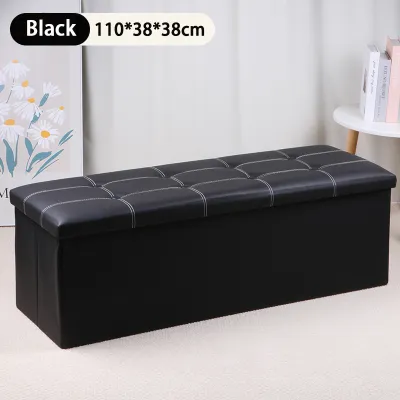
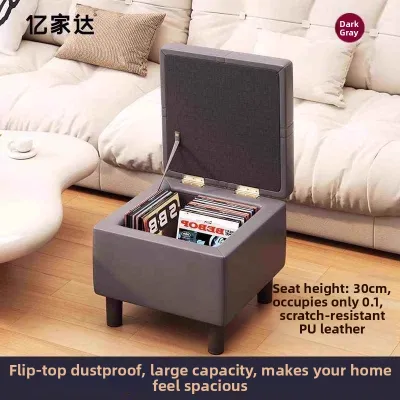
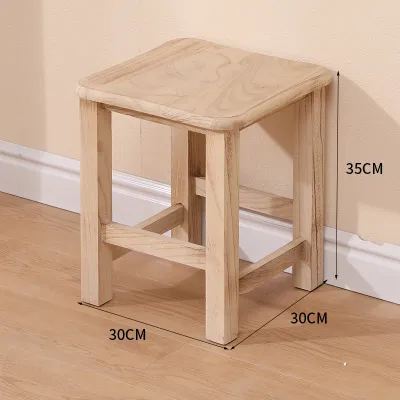
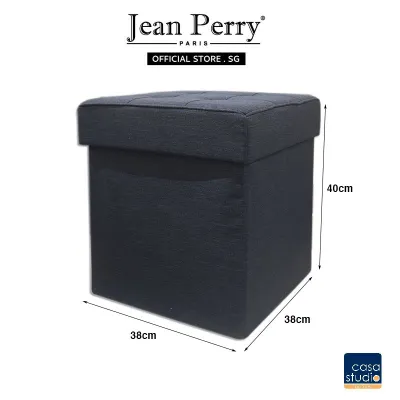
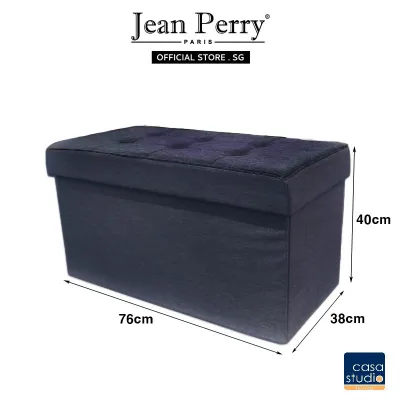
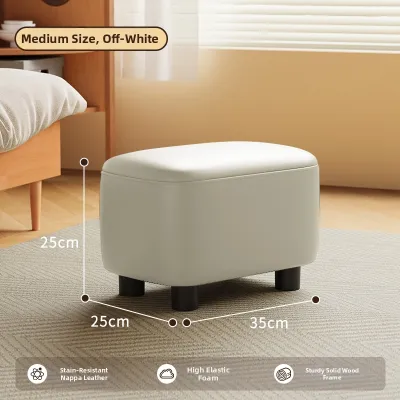
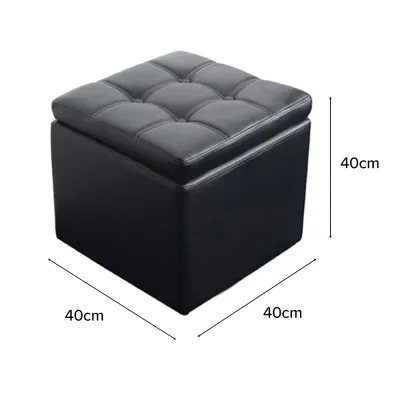
Prices are valid at publication and may change. Please refer to the product page for the latest price.
The way you access the storage compartment is equally critical and should align with your daily habits. Lift-top lids are highly common and offer a completely unobstructed view of the contents, making them excellent for deep storage. However, they require you to stand up and clear any items off the seat before you can open them. If you plan to use the stool as a continuous footrest or side table, a model with pull-out drawers or sliding doors may be far more practical. Drawers allow you to retrieve items without disturbing the top surface, though they require sufficient floor clearance in front of the stool to open fully.
Consider also how often the stool will be moved within your home. If you require a highly mobile piece that can transition from an extra living room seat to a study footrest, look for brands that offer lightweight frames or integrated, lockable casters. Heavy, solid-wood benches are excellent for permanent placement in an entryway or at the foot of a bed, but they can be cumbersome to reposition during house cleaning or hosting. Identifying these mobility and access requirements early narrows down your search to specific product configurations.
Key Evaluation Criteria for Storage Stool Brands
When comparing different furniture brands in Singapore, transparency is the most reliable indicator of quality. Reputable brands clearly publish both the static and dynamic weight limits of their storage stools. The static weight limit refers to the maximum load the stool can support when weight is distributed evenly and at rest, while the dynamic limit accounts for the impact of a person sitting down. Brands that omit these specifications or offer vague assurances should be approached with caution, as unsupported frames can warp, crack, or collapse under regular use.

Warranty terms offer another clear window into a brand’s confidence in its manufacturing standards. Because multi-functional stools rely on moving parts, you should closely examine what the warranty covers. A standard structural warranty might cover the main frame, but the real points of failure are often the hinges, drawer slides, gas struts, and lid stays. Look for brands that provide explicit warranty coverage for these mechanical components for at least 12 months. A brand that stands behind its hardware is far more likely to use high-grade metals that resist sagging and squeaking over time.
Finally, evaluate the brand’s local logistics and after-sales support ecosystem. Bulky furniture delivery in Singapore can sometimes incur hidden costs, such as stair-carry fees for walk-up apartments or additional charges for assembly. Reliable brands provide clear, upfront delivery terms and offer professional assembly services to ensure the stool is put together correctly. Furthermore, check the brand’s return and exchange policies. If a stool arrives with a minor alignment issue or a stiff hinge, a responsive local customer service team can quickly dispatch a technician or arrange a replacement, saving you the hassle of dealing with overseas shipping disputes.
Assessing Material, Build Quality, and Safety
The tropical climate of Singapore, characterized by high humidity and temperature fluctuations, demands careful attention to furniture materials. Low-grade particleboard or unsealed medium-density fibreboard (MDF) can absorb moisture from the air, leading to swelling, warping, and mold growth over time. When evaluating a brand’s material specifications, look for high-quality engineered woods like marine-grade plywood, solid timber frames, or moisture-resistant MDF finished with a durable laminate or veneer. These materials are far better suited to withstand local environmental conditions without losing structural integrity.
Examine the joinery and corner construction of the stool to assess its overall stability. High-quality storage stools do not rely solely on glue and basic screws; they utilize dowel joints, corner blocks, and reinforced metal brackets to distribute weight evenly across the frame. When visiting a showroom, perform a simple stability check by applying gentle lateral pressure to the top of the stool. If the frame sways, wobbles, or creaks, the joinery is likely insufficient for daily seating. The base of the storage compartment should also be securely fastened and thick enough to support heavy items without sagging or pulling away from the side walls.
Safety is paramount, especially for stools featuring lift-top lids. A heavy lid can easily slam shut, posing a significant risk of finger trapping or hand injury. To prevent this, reliable brands equip their lift-top stools with safety mechanisms such as soft-close hinges, gas struts, or adjustable lid stays that hold the top open at various angles. These components slow down the closing motion, ensuring the lid descends gently. Additionally, check the exterior finish of the stool. If it is upholstered, verify that the fabric is tightly stitched and easy to clean; if it is painted or varnished, ensure the surface is smooth, free of rough splinters, and finished with non-toxic coatings.
Building Your Shortlist: Where to Research and Verify
To build a reliable shortlist of storage stool brands, start by visiting official brand showrooms and authorized online storefronts. While online marketplaces offer a vast array of cheap options, they often lack detailed material specifications, accurate dimensions, and reliable customer service. Visiting a physical showroom allows you to physically test the stool’s comfort, inspect the smoothness of the hinges, and verify the true color and texture of the upholstery. It also gives you an opportunity to speak directly with sales representatives about custom fabric options or specific weight capacities.
When researching online, focus your attention on verified user reviews that discuss long-term performance rather than initial impressions. A storage stool may look excellent right out of the box, but the true test of quality lies in how it performs after six months of daily use. Look for customer feedback that specifically mentions the durability of the hinges, whether the seat cushion retains its shape without sagging, and how well the fabric resists pilling or staining. Pay close attention to reviews from buyers in Singapore, as they can provide valuable insights into how the materials hold up under local humidity and how efficient the brand’s delivery and assembly teams are.
Avoid purchasing from unverified third-party sellers on general e-commerce platforms that do not offer clear return policies or authentic product guarantees. These listings often use stock photos that do not accurately represent the actual item you will receive, and resolving disputes over damaged or poorly made furniture can be incredibly difficult. By sticking to established local brands, authorized distributors, and retailers with a physical presence in Singapore, you ensure that you have a clear avenue for recourse if the product does not meet your expectations.
Pre-Purchase Checks and Space Planning
Before finalizing your purchase, conduct thorough space planning to ensure the storage stool fits seamlessly into your home’s layout and daily workflow. Begin by measuring the exact floor area where the stool will be placed. It is not enough for the stool to fit when closed; you must also calculate the clearance required for fully opening the lid, pulling out drawers, or sliding open doors. For example, if you place a drawer-style storage stool in a narrow entryway, ensure there is still enough room for family members to walk past when the drawer is fully extended.
Next, plan the delivery route from the building entrance to the target room. Measure the width and height of your doorway, any tight corridors, staircases, and the elevator cabin. While a storage stool is generally smaller than a sofa or wardrobe, some long storage benches can be difficult to maneuver around tight corners or inside older lift designs. Confirming these dimensions beforehand prevents the frustration of a failed delivery or accidental damage to your walls and the new furniture during transit.
Finally, ensure the stool’s dimensions align ergonomically with your existing furniture. If the stool is intended to double as extra seating around a coffee table, its seat height should be comparable to your sofa—typically between 40cm and 45cm—to allow for comfortable conversation. If it will sit at the foot of your bed, the height of the stool should ideally be slightly lower than or equal to the top of your mattress to maintain a clean, balanced visual line. Taking these precise measurements guarantees that your new multi-functional storage stool will be both highly practical and aesthetically cohesive.
Frequently Asked Questions (FAQ)
How much weight can a typical storage stool support?
To determine how much weight a storage stool can safely support, always refer to the manufacturer’s official specification sheet rather than relying on general assumptions. A high-quality storage stool designed for adult seating typically supports a static weight limit of 100 to 150 kilograms, but this varies significantly based on the materials and joinery used. It is crucial to distinguish between static storage load—the weight of the items stored inside—and dynamic seating load, which is the force exerted when a person sits down. Exceeding these limits can lead to structural failure, including warped frames, cracked joints, and damaged hinges. Always check the product label or consult the brand’s customer service to verify the exact limits before purchasing.
Are lift-top storage stools safe for homes with young children?
Lift-top storage stools can be safe for homes with young children, provided they are equipped with the correct safety features. Look for models that feature soft-close hinges, gas struts, or heavy-duty lid stays designed to prevent the lid from slamming shut unexpectedly. These mechanisms ensure the lid closes slowly and gently, minimizing the risk of pinched fingers. Additionally, choose stools with rounded corners and soft upholstery to reduce the impact of accidental bumps. It is also wise to check for non-toxic material certifications on the product label and to avoid storing heavy, sharp, or hazardous items inside compartments that children can easily access.

Community discussion
Share your experience or ask a question. Comments are reviewed before publication.