
Finding the ideal multi-functional storage bench in Singapore requires balancing space-saving utility with long-term durability. In compact apartments, every piece of furniture must justify its footprint by serving multiple roles. A high-quality storage bench does exactly this, acting as comfortable seating while discreetly stowing away household items. However, with numerous options available across local showrooms and online marketplaces, identifying a reliable brand involves looking closely at construction standards, material suitability for a tropical climate, and mechanical safety.
Rather than relying on subjective rankings, the most effective way to choose a storage bench brand is to evaluate how well their products align with your specific spatial constraints and functional needs. This guide provides a comprehensive framework for assessing brands, inspecting build quality, and planning your space to ensure your investment remains functional and safe for years to come.
Defining Your Multi-Functional Storage Needs
Before comparing different furniture brands, you must define the primary role the storage bench will play in your home. A bench placed in a busy entryway serves a very different purpose than one positioned at the foot of a bed or along a living room wall. By clarifying how you intend to use the bench daily, you can narrow down the specific design configurations and material finishes that will best serve your household.
Products mentioned in this guide
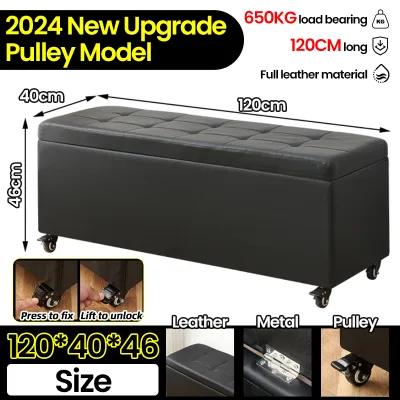
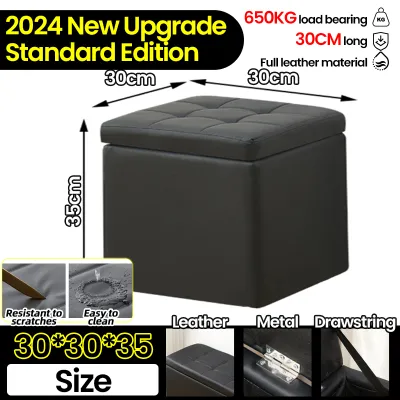
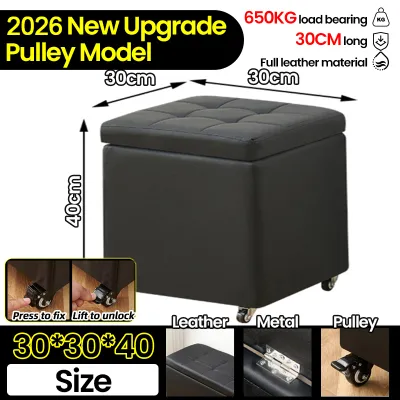
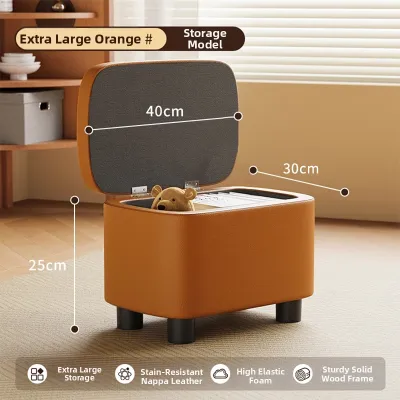
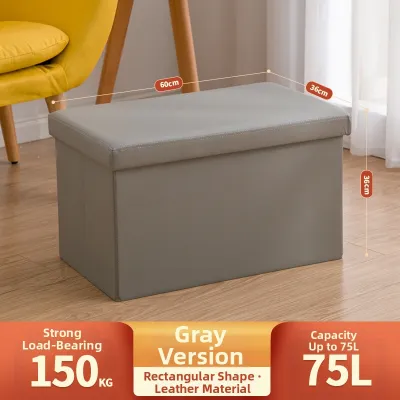
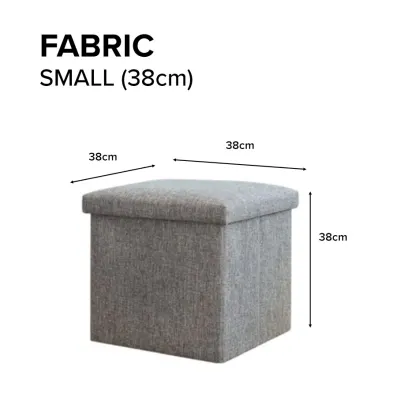
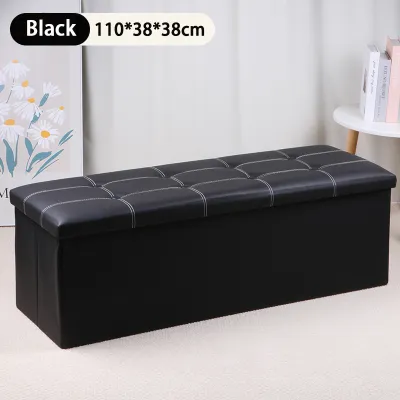
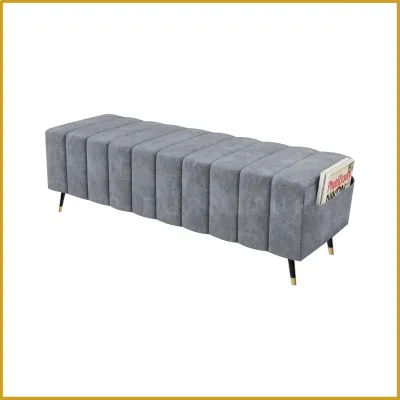
Prices are valid at publication and may change. Please refer to the product page for the latest price.
For entryway applications, the primary focus is usually on quick-access storage and high-frequency seating. This area demands a bench that can withstand the daily wear and tear of family members sitting down to put on or remove footwear. The storage compartment in an entryway bench is often optimized for shoes, umbrellas, or outdoor gear, requiring materials that are easy to clean and resistant to occasional moisture.
In contrast, a bedroom storage bench typically prioritizes aesthetics and dust-free containment. Positioned at the end of the bed, these benches are commonly used to store spare linens, seasonal blankets, or extra pillows. Because these items are accessed less frequently, the bench can feature more delicate upholstery or intricate lid designs that complement the bedroom decor, with less emphasis on heavy-duty wear resistance.
Living areas often require a hybrid approach where the bench must blend seamlessly with existing seating arrangements while hiding clutter like toys, board games, or media accessories. Here, the volume of storage becomes a critical factor. You must estimate the physical size and weight of the items you plan to store to ensure the internal compartment is deep and wide enough without overwhelming the room’s layout.
Core Criteria for Evaluating Storage Bench Brands
When assessing furniture brands in Singapore, establishing an objective evaluation framework is essential for identifying reliable manufacturers. Because you cannot rely solely on marketing claims, you must look for concrete indicators of brand transparency, product support, and manufacturing quality. A reputable brand should make this information readily accessible to prospective buyers.

First, examine the warranty terms provided by the brand. A reliable manufacturer typically offers a clear distinction between structural warranties and cosmetic coverage. Structural warranties should cover the integrity of the frame, joints, and load-bearing components for an extended period, while cosmetic coverage may be limited to initial delivery defects. Be cautious of brands that offer vague warranty terms or fail to specify what constitutes a manufacturing defect.
Second, evaluate the brand’s transparency regarding material sourcing and manufacturing specifications. High-quality brands openly state the types of wood, engineered composites, metals, or fabrics used in their products. In Singapore’s humid climate, understanding the exact material composition is crucial, as poor-quality particle boards or unsealed veneers can warp or swell over time. Look for brands that specify their moisture-resistance treatments or use sustainably sourced solid timber.
Finally, assess the brand’s customer service responsiveness and after-sales support policies. Before making a purchase, inquire about their return and exchange policies, especially regarding items that arrive with minor transit damage or mechanical misalignments. A brand with dedicated local customer support and clear communication channels is far more likely to resolve delivery or assembly issues promptly than a seller operating solely through third-party logistics.
Essential Design Features for Compact Living
Maximizing utility in smaller floor plans requires a close inspection of the bench’s mechanical design and internal layout. The way a storage bench opens and organizes its contents directly impacts how easily you can use it in tight spaces. Brands that specialize in compact living solutions often incorporate specific design features that optimize both accessibility and footprint.
Lid mechanisms are among the most critical components to evaluate. Standard lift-off lids can be cumbersome to manage, requiring you to find a temporary place to set the lid down every time you access the storage. Instead, look for brands that utilize high-quality hinges, such as soft-close hydraulic gas struts or safety lid stays. These mechanisms prevent the lid from slamming shut, protecting fingers and reducing wear on the frame.
Internal layouts should also match your specific storage goals. A single, undivided open compartment can quickly become a chaotic pile of items, making it difficult to find what you need. Benches designed with adjustable internal dividers, removable bins, or integrated shoe racks offer far greater organizational utility. Some brands provide modular inserts that allow you to customize the interior layout as your storage needs change over time.
Furthermore, you must compare lift-top configurations against drawer-based or front-opening designs. A lift-top bench requires you to clear the seating surface before opening the compartment, which may be inconvenient if you use the bench for decorative cushions or frequent seating. Drawer-based benches or those with drop-down front doors allow access to the storage without disturbing the top surface, though they require sufficient clearance in front of the bench to open fully.
Verifying Build Quality and Safety Specifications
Ensuring the structural integrity and safety of a storage bench is paramount, especially since it functions as both a seating platform and a storage container. Before finalizing your purchase, you should verify the physical specifications and safety features documented by the manufacturer. This step is crucial for preventing accidents and ensuring the longevity of the furniture.
Start by locating and interpreting the weight capacity limits on the manufacturer’s product labels or specification sheets. A safe storage bench must support the combined weight of the stored items and the individuals sitting on it. Look for brands that explicitly state both the static weight capacity (the maximum weight the bench can hold when stationary) and the dynamic seating capacity. Avoid making assumptions about strength based solely on the visual bulk of the piece.
Stability is another critical safety factor, particularly for taller or narrower benches. Check if the brand provides anti-tip hardware or designs the bench with a low center of gravity and a wide, stable base. If the bench is intended to stand freely in the middle of a room, it must resist tipping when someone sits on the edge or when drawers are fully extended.
Inspect the joint construction and surface finishes carefully. High-quality furniture brands utilize robust joinery techniques, such as mortise-and-tenon joints, dowels, or reinforced metal brackets, rather than relying solely on glue and staples. Additionally, ask about the care instructions for the surface finish. In Singapore, finishes must be resilient enough to withstand regular cleaning and high humidity without peeling, cracking, or releasing harmful volatile organic compounds (VOCs).
Space Planning and Pre-Purchase Measurements
Accurate space planning is the bridge between choosing a beautiful storage bench and ensuring it functions perfectly in your home. Failing to measure your space adequately can lead to blocked walkways, restricted drawer movement, or delivery complications. Taking precise measurements beforehand saves time and prevents the hassle of returning oversized furniture.
Begin by measuring the exact footprint where the bench will stand, but do not stop there. You must also calculate the clearance requirements for operating the bench. For lift-top models, ensure there is enough vertical clearance to open the lid fully without hitting wall-mounted shelves, artwork, or light fixtures. For drawer-based or front-opening models, measure the distance the drawers or doors extend outward to ensure they do not strike opposite walls or adjacent furniture.
Next, plan the delivery route from the building’s entrance to the final room destination. Measure the width and height of all doorways, narrow corridors, and elevator doors the delivery team must navigate. In many Singapore residential developments, tight corners in lift lobbies or entryways can pose significant challenges for fully assembled furniture. Confirming these dimensions with the retailer helps avoid delivery failures or accidental damage to your walls.
Finally, ensure there is adequate surrounding space for safe seating and comfortable movement. A bench placed in a narrow hallway should still leave enough room for family members to walk past safely while someone is seated. As a general rule, maintain a clear pathway of at least 60 to 90 centimeters in front of the bench to allow for natural movement and easy access to the storage compartments.
Navigating Retail Channels and Brand Verification
Purchasing a storage bench involves choosing the right retail channel to ensure you receive an authentic product backed by reliable customer service. Singapore offers a diverse retail landscape, ranging from physical brand showrooms and authorized furniture retailers to online marketplaces. Understanding how to navigate these channels helps you verify brand claims and secure a safe purchase.
Visiting an official brand showroom or an authorized retailer is highly recommended whenever possible. This allows you to inspect physical samples firsthand, which is the most reliable way to assess build quality. While in the showroom, test the smoothness of the drawer glides, check the resistance of the lid hinges, and perform a gentle wobble test to evaluate the stability of the frame. You can also examine the quality of the upholstery stitching and the consistency of the wood finish.
If you choose to purchase through an online marketplace or ecommerce platform, take extra steps to verify the seller’s credentials. Look for official brand stores or authorized distributors within the platform to avoid counterfeit or sub-standard products. Read customer reviews carefully, focusing on feedback regarding delivery times, packaging quality, and how closely the physical product matches the online descriptions.
Regardless of the retail channel you choose, always verify the process for warranty registration and after-sales support. Ensure you receive an official invoice and understand how to register your purchase with the manufacturer. Knowing who to contact in the event of a mechanical failure or structural issue provides peace of mind and ensures your multi-functional storage bench remains a valuable asset to your home.
Frequently Asked Questions (FAQ)
How much weight can a standard storage bench safely hold?
To determine how much weight a storage bench can safely support, you must consult the manufacturer’s official specification sheet rather than relying on visual estimates. Most standard benches are designed to support a static seating load of at least 100 to 150 kilograms, but this varies significantly based on construction. It is crucial to distinguish between the static load (the weight of seated users) and the internal storage capacity, as overloading the interior can strain the bottom panel. Never assume a bench is strong simply because it is made of solid wood; joint construction and frame design are the true indicators of load capacity.
What is the best way to maintain the hinges and moving parts?
Maintaining the mechanical components of your storage bench requires regular, low-risk care to prevent squeaking, misalignment, or premature wear. Perform a visual inspection every few months to check for loose screws or slight misalignments in the hinges or drawer glides, tightening them gently with hand tools if necessary. Keep the moving parts clean by using a soft, dry cloth or a small brush to clear away dust, lint, and debris from the tracks and joints. If a hinge requires lubrication, always consult the product manual first to identify approved lubricants, avoiding generic household sprays that can attract dust and degrade the mechanism over time.
Community discussion
Share your experience or ask a question. Comments are reviewed before publication.