
Selecting a reliable brand for an outdoor metal shoe rack in Singapore requires looking past generic marketing labels and focusing on verifiable material specifications. In Singapore’s tropical climate, characterized by high relative humidity, intense UV exposure, and heavy monsoon downpours, standard metal storage units can degrade rapidly. The most dependable brands are those that openly share their manufacturing standards, surface treatment technologies, and structural designs. By prioritizing brands that offer robust rust-prevention coatings, elevated drainage structures, and transparent warranties, you can secure a durable outdoor shoe rack that maintains its structural integrity and appearance over years of exposure.
Key Criteria for Evaluating Outdoor Metal Shoe Rack Brands
To filter out low-quality options, you must establish objective standards based on how materials perform under constant environmental stress. The primary point of failure for outdoor metal furniture is rust, which occurs when moisture and oxygen penetrate the protective outer layer. Reliable brands address this by applying advanced rust-prevention coatings, such as industrial-grade powder coating or hot-dip galvanization, which create a continuous barrier over the raw metal. When evaluating a brand, look for explicit documentation detailing these treatment processes rather than relying on vague outdoor-safe claims.
Structural integrity is another critical factor, particularly when the rack is fully loaded with heavy footwear. Check the manufacturer’s specifications for material thickness, often measured in gauge or millimeters, and verified weight capacity limits. A reputable brand will clearly state the maximum load capacity per shelf and for the entire unit. Avoid brands that omit these structural details, as thin-walled metal tubes are highly susceptible to bending and joint failure under load. Ensure the finished dimensions of the rack fit your available space, keeping in mind doorway or lift access if the unit arrives fully assembled.
Products mentioned in this guide
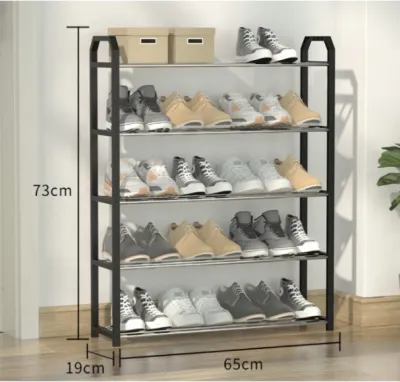
![UnihomSG[Ready Stock] Steel Material Easy Assemble 5 Tier Storage Shoe Rack Indoor & Outdoor 五层鞋架](https://img.lazcdn.com/g/p/431c374f039c57fed64e2e7441e9687f.jpg_400x400q80.jpg_.webp)
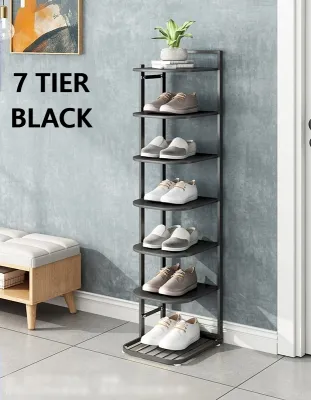
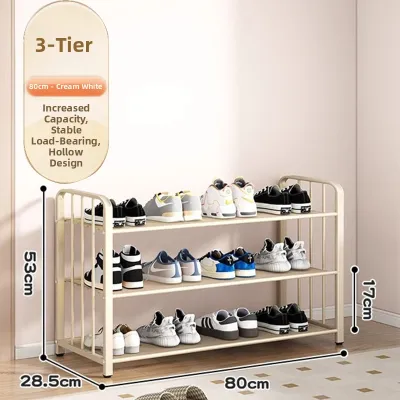
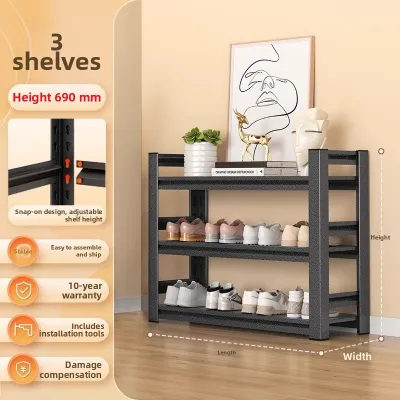
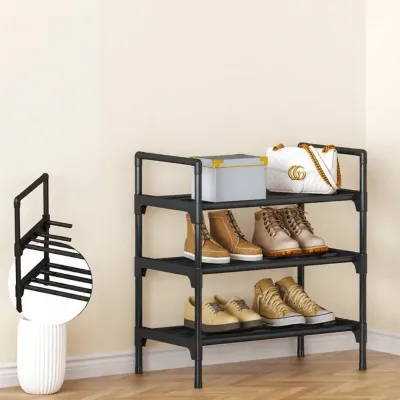
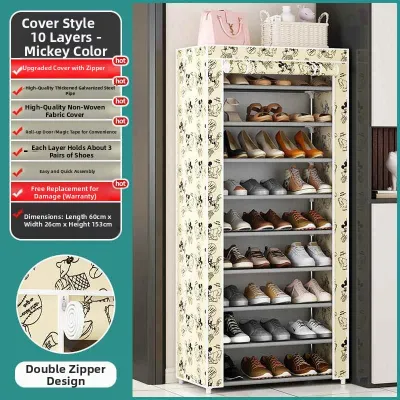
Prices are valid at publication and may change. Please refer to the product page for the latest price.
Outdoor adaptability features distinguish purpose-built outdoor racks from repurposed indoor units. Look for brands that incorporate UV-resistant additives into their powder coatings to prevent the finish from chalking, cracking, or fading under intense tropical sunlight. Additionally, the physical design must facilitate water runoff; flat, solid metal shelves will collect rainwater, leading to pooling and accelerated corrosion.
Finally, scrutinize the brand’s warranty terms to understand the true level of protection offered. Many standard furniture warranties explicitly exclude damage caused by outdoor exposure, rust, or paint peeling. A trustworthy brand selling outdoor-rated metal shoe racks will provide a clear warranty policy that outlines what is covered under normal outdoor conditions. If a brand excludes rust or environmental degradation from its warranty, it is a strong indicator that the product is not engineered for long-term outdoor use.
Understanding Metal Types and Rust-Resistant Treatments
The foundational metal used in a shoe rack determines its inherent resistance to corrosion and physical wear. Carbon steel is highly strong and cost-effective, but it relies entirely on its surface coating to prevent rust; any scratch that exposes the raw steel to Singapore’s humid air will quickly lead to localized corrosion. Aluminum is naturally rust-resistant because it forms a self-protecting oxide layer when exposed to air, making it an excellent lightweight choice for outdoor environments, though it may have lower weight capacities than steel. Stainless steel, particularly grade 304 or marine-grade 316, offers exceptional corrosion resistance due to its chromium content, but it is typically more expensive and still requires proper maintenance to prevent tea-staining in coastal areas.

Understanding the difference between protective coatings is essential when reading product listings. Powder coating involves applying a dry powder electrostatically and curing it under heat to form a hard, continuous skin that is significantly more durable than standard liquid paint. Electroplating, on the other hand, applies a thin layer of metal (such as zinc or chrome) via an electrical current; while useful for indoor items, standard electroplated finishes often lack the thickness and UV resistance required to survive outdoors without an additional protective topcoat.
To verify a brand’s outdoor-suitability claims, look for technical specifications or testing certifications in their product documentation. Some manufacturers subject their products to standardized salt-spray testing to measure how many hours the coating can withstand a corrosive environment without blistering or rusting. Brands that publish these test results demonstrate a high level of confidence in their surface treatments.
Be cautious of misleading marketing terms like “100% rust-proof” on steel products. No ferrous metal is entirely immune to rust under all conditions; instead, look for realistic descriptions such as “rust-resistant,” “weather-treated,” or “marine-grade.” These terms, when backed by specific material grades and coating descriptions, provide a much more accurate representation of how the shoe rack will perform over time.
Design Features That Extend Outdoor Lifespan
The physical architecture of a metal shoe rack plays a vital role in preventing water accumulation and subsequent rust. Look for designs featuring slatted, mesh, or perforated shelves that allow rainwater to drain freely rather than pooling around the soles of your shoes. Elevated feet are also crucial, as they raise the bottom shelf off the ground, keeping your footwear clear of standing water, mud, and debris that accumulate on outdoor corridors or patios during heavy downpours.
Stability and wind resistance are major considerations for outdoor furniture, especially if the rack is placed in an exposed area like a balcony or an open corridor. Brands that include adjustable leveling feet allow you to stabilize the rack on uneven outdoor tiles or concrete surfaces, preventing wobbling. For taller or lighter units, check if the brand provides built-in anchoring points or wall-mounting hardware to secure the rack against strong winds and prevent accidental tip-overs.
Examine the quality of the joints and welds, as these are the areas where rust almost always begins. Poorly executed welds often leave tiny crevices, pinholes, or exposed raw metal where moisture can trap and fester. High-quality brands utilize continuous, smooth welds that are fully coated, or they design modular assembly joints with protective rubber gaskets and rust-resistant hardware (such as stainless steel screws) to prevent metal-on-metal friction that can strip the protective finish.
Weight distribution and shelf adjustability also contribute to long-term structural health. Racks with adjustable shelving allow you to configure the spacing to accommodate taller boots or heavier items without forcing them into tight spaces, which can scratch the protective coating. Distributing weight evenly across the shelves prevents the metal frame from warping or bowing, ensuring the joints remain tight and sealed against moisture.
Where to Buy and How to Verify Brand Claims
When shopping on e-commerce platforms or visiting physical showrooms in Singapore, verifying a brand’s claims requires a systematic approach. Start by analyzing long-term user reviews, paying close attention to feedback posted after six months to a year of use. Look for specific mentions of rust formation, paint peeling, or joint instability; initial reviews written immediately after assembly rarely reflect the product’s true outdoor durability.
Do not hesitate to contact the seller or official brand store to request material certificates or compliance reports. Reputable brands should be able to confirm the exact grade of metal used and the type of powder coating applied. If a retailer cannot provide basic material specifications or refers to their products with vague terms, it is safer to look elsewhere.
Before finalizing your purchase, carefully review the return policies and warranty exclusions. Confirm whether the warranty covers rust or structural failure when the product is placed in an outdoor or semi-outdoor environment, such as a sheltered balcony or corridor. Understanding these terms beforehand protects you from unexpected costs if the rack degrades prematurely.
Comparing after-sales support is also critical when choosing between official brand stores and third-party resellers on online marketplaces. Official brand stores typically offer better access to replacement parts, such as spare leveling feet, touch-up paint, or extra shelves, and provide a more reliable dispute resolution process if you receive a defective unit. Third-party sellers may offer lower initial prices but often lack the inventory or authorization to assist with long-term maintenance or warranty claims.
Maintenance and Care for Outdoor Metal Shoe Racks
Even the most durable outdoor metal shoe rack requires regular maintenance to preserve its protective coating and extend its lifespan. Establish a routine cleaning schedule, using a soft cloth or sponge with a mild, non-abrasive detergent dissolved in warm water to remove accumulated dust, salt residue, and dirt. After washing, wipe the entire rack down with a dry microfiber towel to ensure no moisture remains trapped in the joints or corners.
Avoid using abrasive scrubbing pads, steel wool, or harsh chemical cleaners containing bleach, ammonia, or solvents. These abrasive materials and corrosive chemicals can micro-scratch or chemically degrade the outer powder-coated layer, exposing the underlying metal to oxygen and moisture. Once the protective barrier is compromised, rust can quickly spread beneath the paint.
Regularly inspect the shoe rack for any signs of physical damage, such as micro-chips, deep scratches, or scrapes caused by shoe buckles or accidental impacts. If you spot an exposed area of raw metal, clean it immediately and apply a matching touch-up anti-rust paint or a clear metal sealer to prevent rust from taking hold. Addressing these minor imperfections early prevents them from developing into major structural issues.
During periods of extreme weather, such as the heavy monsoon seasons in Singapore, consider implementing temporary protective measures. Placing a fitted, waterproof, and UV-resistant cover over the shoe rack when it is not in frequent use can significantly reduce its exposure to driving rain and standing water. This simple step helps preserve both the metal frame and the footwear stored inside, ensuring your investment remains in excellent condition for years to come.
Frequently Asked Questions (FAQ)
Can I use an indoor metal shoe rack outdoors if I paint it myself?
Repurposing an indoor metal shoe rack for outdoor use is generally not recommended because indoor units lack the specialized base treatments and UV-resistant coatings required for harsh environments. Standard indoor paints and thin electroplated finishes degrade rapidly under Singapore’s intense sunlight and high humidity, leading to peeling and deep rust within months. While you can attempt a DIY conversion, the process requires extensive preparation, including completely sanding down the existing finish, applying a specialized rust-inhibiting metal primer, and coating it with multiple layers of exterior-grade, UV-resistant polyurethane or metal paint. Given the cost of high-quality outdoor primers, paints, and protective gear, purchasing a purpose-built outdoor metal shoe rack with a factory-applied, cured powder coating is usually more cost-effective and provides far superior durability.
How do I fix minor rust spots on my outdoor metal shoe rack?
To treat early-stage surface rust before it compromises the structure, start by isolating the affected area and gently removing the loose rust using a fine-grit sandpaper or a wire brush, taking care not to scratch the surrounding intact coating. Once the raw metal is clean and free of debris, wipe the area with isopropyl alcohol to remove any remaining dust or grease. Next, apply a thin layer of a rust converter or a zinc-rich metal primer directly to the exposed spot to chemically neutralize any microscopic rust particles and seal the metal. After the primer has fully cured according to the manufacturer’s instructions, apply a matching weather-resistant outdoor metal paint to restore the protective barrier. If you notice deep pitting, flaking metal, or structural sagging, the integrity of the rack has been compromised, and it should be replaced to prevent sudden failure under load.

Community discussion
Share your experience or ask a question. Comments are reviewed before publication.