
Finding the right foam mattress firmness is the most critical step to securing restful sleep and preventing chronic morning aches. The ideal firmness level is not a universal standard; rather, it is a personal equation determined by your primary sleeping position, body weight, and individual comfort preferences. A mattress that is too soft will cause your heavier midsection to sink, pulling your spine out of alignment, while a surface that is too firm will fail to cushion your joints, leading to painful pressure points.
To make an informed decision, you must understand how your physical build interacts with different foam densities. By evaluating your sleep habits and learning how to read product specifications, you can confidently select a mattress that provides both surface comfort and deep structural support.
Assess Your Primary Sleeping Position
Your sleeping posture dictates how your body weight is distributed across the mattress surface. Side sleepers place concentrated pressure on narrower areas, specifically the shoulders and hips. To prevent soreness and maintain a straight spine, they generally require a softer to medium-firm foam mattress that contours deeply to these protruding joints.
Products mentioned in this guide
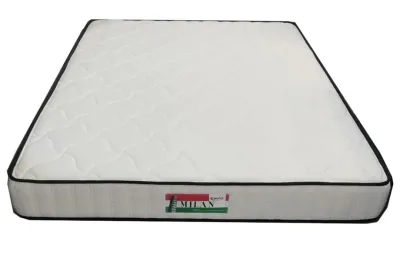

Prices are valid at publication and may change. Please refer to the product page for the latest price.
Back sleepers require a balanced surface that supports the natural curve of the lower lumbar region. If a foam mattress is too soft, the pelvis sinks too deep, flattening the lower back; if it is too firm, the mattress cannot fill the gap under the lumbar spine, leaving muscles tense. A medium to medium-firm foam mattress typically offers the right blend of contouring and upward resistance.
Stomach sleepers need a noticeably firmer surface to keep their body in a flat, neutral plane. When sleeping on the stomach, the bulk of your weight rests around the pelvis. A soft foam mattress allows the midsection to sag, creating an unnatural arch in the lower spine that often leads to severe lower back strain over time.
Combination sleepers, who shift between multiple positions, need a responsive mattress that allows for easy movement. A medium-firm foam mattress is often the most practical compromise, providing enough surface give for side sleeping while maintaining the structural integrity needed for back or stomach sleeping.
Factor in Your Body Weight and Build
Your body weight directly influences how deeply you compress the comfort layers of a foam mattress, which alters how firm the bed actually feels. Lighter individuals, typically those weighing under 60 kilograms, exert less downward force. Consequently, standard medium-firm mattresses may feel exceptionally hard to them, as they do not compress the foam enough to experience its contouring benefits. Lighter sleepers often prefer softer foam options to achieve adequate pressure relief.

Average-weight individuals, falling between 60 and 90 kilograms, generally experience foam mattresses close to their advertised firmness ratings. For this group, a standard medium-firm mattress provides a reliable balance of surface cushioning and deep support across most sleeping positions.
Heavier individuals, particularly those weighing over 90 kilograms, compress foam layers much more deeply. On a mattress that is too soft, heavier sleepers risk “bottoming out,” meaning they sink completely through the comfort layers and rest against the hard support core. To prevent this, individuals with larger builds should look for high-density foam bases and firmer overall profiles.
When shopping, always check the manufacturer’s weight recommendations and foam density specifications on the product label. In Singapore, where compact living spaces often mean using low-profile bed frames, ensuring your mattress has a dense, supportive base is essential for long-term comfort.
Identify Pain Points and Pressure Relief Needs
Morning stiffness and persistent physical aches are clear indicators that your current mattress firmness is mismatched with your body’s needs. If you frequently wake up with sore shoulders or hips, your mattress is likely too firm. This lack of cushioning compresses the blood vessels and nerves in your joints, restricting circulation and forcing you to toss and turn.
Conversely, waking up with a dull, aching lower back often points to a mattress that is too soft. When the mattress fails to support your midsection, your core muscles must work overtime throughout the night to keep your spine stable, leading to muscle fatigue and stiffness by morning.
Joint stiffness can also stem from a mattress that restricts natural movement. Extremely soft memory foam can create a “sinking” sensation that makes it difficult to change positions, leaving you feeling stuck.
While adjusting your mattress firmness can significantly improve sleep quality, it is important to recognize the limits of a bed. If you experience chronic, severe, or worsening pain, you should consult a healthcare professional rather than relying solely on a mattress change.
Understand How Foam Types Affect Firmness
Different foam materials possess distinct physical properties that change how a mattress feels, reacts to your body, and retains heat. Memory foam is highly valued for its deep contouring and pressure-relieving capabilities. It responds to both weight and body heat, softening gradually to cradle your body shape. However, high-density memory foam can feel quite firm when you first lie down, especially in air-conditioned rooms, before it warms up and conforms to your body.
Polyurethane foam, commonly referred to as polyfoam, is the standard material used in mattress support cores. High-density polyfoam provides the necessary structural foundation to keep the mattress from sagging. While lower-density polyfoam is often used in budget-friendly options, it tends to soften and lose its supportive qualities much faster under regular use.
Latex foam offers a distinct alternative to traditional polyurethane-based foams. Derived from natural or synthetic rubber, latex is highly resilient, buoyant, and breathable. Instead of the deep, slow-sinking feel of memory foam, latex pushes back against your body, keeping you positioned on top of the mattress and making it much easier to move.
To verify the quality and firmness of a foam mattress, look for technical specifications such as Indentation Load Deflection (ILD) and foam density. A higher ILD rating indicates a firmer foam layer, while a higher density measurement (typically expressed in kilograms per cubic meter) indicates a more durable foam that will maintain its original firmness.
Test and Verify Before You Commit
Validating the firmness of a foam mattress requires careful testing, whether you are shopping in a physical showroom or browsing online marketplaces. When testing a mattress in-store, do not simply sit on the edge. Spend at least 15 minutes resting in your natural sleeping position to allow the foam to react to your body heat and weight, giving you a realistic sense of its support.
If you prefer online shopping, prioritize brands that offer risk-free sleep trials, which typically range from 90 to 100 nights. It takes your body several weeks to adjust to a new sleep surface, and a mandatory break-in period is often required before you can initiate a return. Ensure you read the return policy carefully to understand any potential return shipping fees.
If your current foam mattress is slightly too firm but still structurally sound, you can easily adjust the surface feel by adding a mattress topper. A plush memory foam or latex topper can provide the immediate pressure relief you need without requiring you to purchase an entirely new bed. However, keep in mind that a topper cannot fix a mattress that is already sagging.
Finally, ensure your bed frame provides a flat, rigid foundation. Foam mattresses require solid support to perform as intended; slatted bases with gaps wider than five to seven centimeters can cause the foam to sag prematurely, altering the mattress’s effective firmness.
Frequently Asked Questions (FAQ)
Can I change the firmness of my foam mattress after buying it?
Yes, you can make minor adjustments to the surface feel of your foam mattress. If the bed feels too firm, adding a soft memory foam or latex mattress topper can introduce a layer of plush cushioning. Additionally, new foam mattresses undergo a natural break-in period during the first few weeks of use, during which the foam cells open up and soften slightly. However, you cannot alter the deep structural support of the mattress; if the core layers are too soft and cause your hips to sag, a topper will not resolve the underlying lack of support.
Is a firmer foam mattress always better for back support?
No, a firmer mattress is not universally better for back support. Effective support relies on keeping your spine in a neutral, straight alignment, which requires a mattress to contour to your body’s natural curves. A mattress that is too firm will not yield to your shoulders and hips, leaving your lower back unsupported and creating painful pressure points. For most sleepers, a medium-firm foam mattress provides the optimal balance of surface pressure relief and deep structural support.

Community discussion
Share your experience or ask a question. Comments are reviewed before publication.