
Finding the ideal shoe bench for your entryway requires balancing physical space constraints with your household’s daily storage needs. In space-conscious homes, such as Singapore’s HDB flats or condominiums, the entryway is a high-traffic transition zone where every centimeter counts. A bench that is too large can block the front door or create a cramped bottleneck, while one that is too small will leave shoes spilling across the floor. By systematically measuring your available space, calculating your household’s active shoe inventory, and matching these needs to specific bench dimensions, you can select a functional piece of furniture that keeps your entryway organized and welcoming.
Measure Your Entryway Space and Clearance
Before browsing designs, you must establish the maximum physical footprint your entryway can accommodate. Start by measuring the available floor width along the wall where you plan to place the bench. Use a metal measuring tape for accuracy, and note any permanent fixtures like electrical outlets, light switches, DB box doors, or intercom units that the bench must not obstruct.
Next, measure the depth of the space from the wall outward. In narrow corridors, a deep bench can severely restrict the walkway. Ensure there is a clear path of at least 90 to 100 centimeters in front of the bench to allow household members to walk past comfortably, even when someone is seated.
Products mentioned in this guide
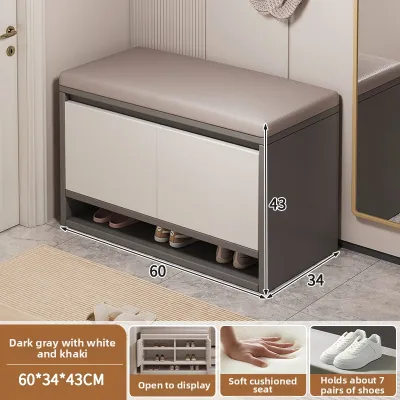
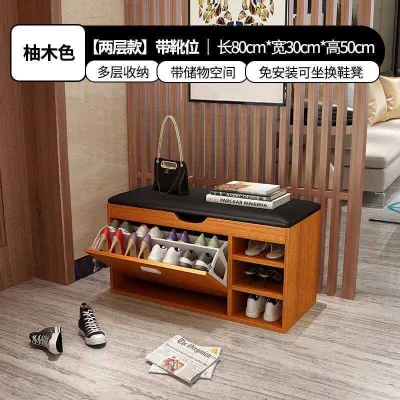
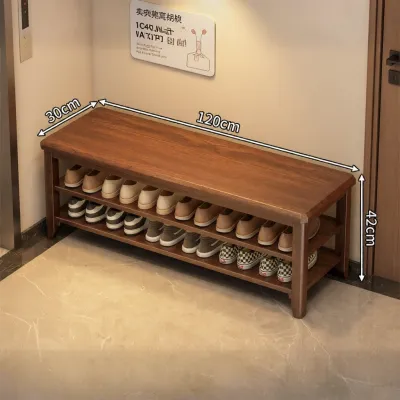
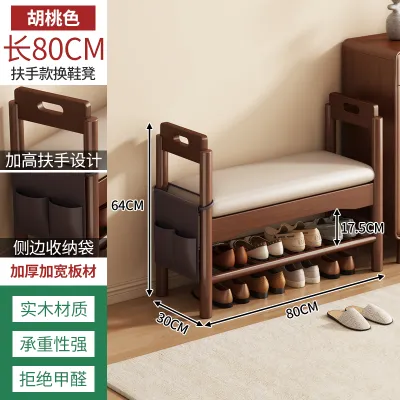
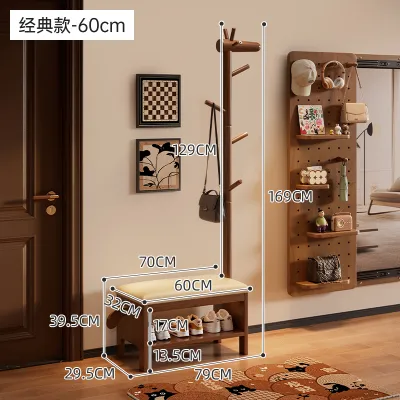
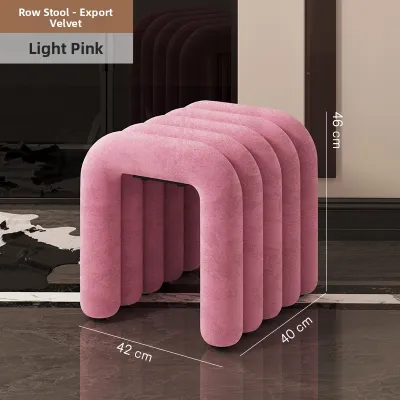
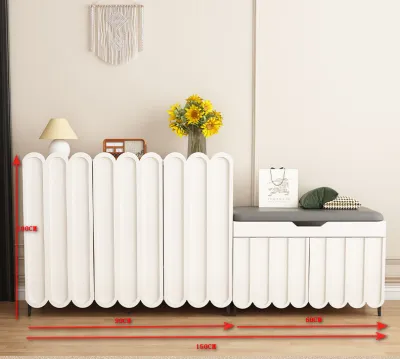
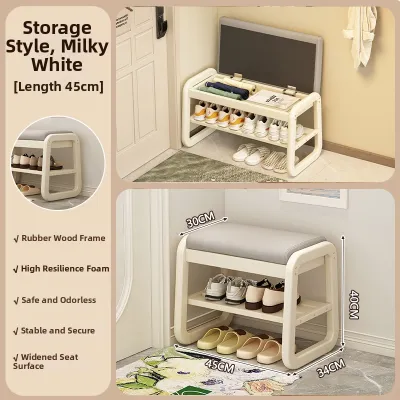
Prices are valid at publication and may change. Please refer to the product page for the latest price.
You must also account for the swing radius of your main entrance door and any adjacent room doors. Open the front door fully and measure the distance from the door edge to the wall to ensure the bench will not collide with the door or prevent it from opening completely.
Do not forget to inspect the base of your walls. Skirting boards or baseboards can prevent a flat-backed bench from sitting flush against the wall, which adds a few centimeters to the actual depth of the footprint. If your entryway has uneven flooring or a slight slope near the drainage area, look for benches with adjustable leveling feet to ensure stability.
Calculate Your Household Shoe Storage Capacity
To determine how much storage your bench needs to provide, evaluate the number and types of shoes your household uses daily. A shoe bench is typically designed for active storage—holding the pairs you wear most frequently—rather than your entire footwear collection.

Start by estimating the number of active pairs per person. For a household of three or four, storing two to three pairs per person on the bench means you need a capacity of six to twelve pairs. If you prefer to keep seasonal footwear, formal shoes, or athletic gear in a separate wardrobe, you can dedicate the entryway bench solely to daily-use slippers, sneakers, and school shoes.
The physical profile of your footwear also dictates the type of storage required. Bulky running shoes, high-top sneakers, and high heels take up significantly more vertical and horizontal space than flat sandals or slip-ons. If your household wears a diverse mix of footwear, a bench with adjustable shelves or varying compartment heights is highly beneficial.
Finally, decide between open shelving, individual cubbies, or closed cabinets. Open shelves offer quick access and excellent ventilation, which is particularly useful in humid climates like Singapore’s to prevent moisture buildup and odors. Cubbies provide a neat, designated spot for each pair, while closed doors or pull-down drawers hide clutter entirely but require extra clearance space to open.
Translate Capacity into Physical Bench Dimensions
Once you know your space limits and capacity requirements, you can translate these numbers into specific bench dimensions. The depth, height, and width of the bench must work together to provide both comfortable seating and efficient storage.
For depth, most standard shoe benches range from 30 to 40 centimeters. A depth of 30 centimeters is ideal for compact entryways and comfortably accommodates average shoe sizes. However, if household members wear larger shoe sizes (such as UK size 10 or above), you will need a bench depth of at least 35 to 38 centimeters to prevent the heels or toes of the shoes from protruding past the edge of the shelves.
The height of the bench affects both seating comfort and storage tiers. A standard seating height of 40 to 48 centimeters allows most adults to sit comfortably with their feet flat on the floor. Within this height, a two-tier open shelf design can easily accommodate low-profile shoes, while a single-tier design with a taller clearance is better suited for ankle boots or high heels. If you require storage for tall boots, look for a bench that features a dedicated tall side compartment alongside standard horizontal shelves.
Width is the primary driver of overall capacity. A bench width of 60 to 80 centimeters typically accommodates two to three pairs of adult shoes per shelf. If you have a larger family and a wider entryway, a bench measuring 100 to 120 centimeters can hold four to five pairs per shelf. If space is limited, choosing a multi-tier bench rather than a wider single-tier model allows you to maximize vertical storage without expanding the floor footprint.
Verify Weight Limits and Material Suitability
A shoe bench serves a dual purpose as both storage and seating, meaning structural integrity and material durability are critical considerations. You must verify that the bench can safely support the weight of anyone sitting on it to put on or take off their shoes.
Always check the manufacturer’s specified weight capacity for the seating surface. A sturdy entryway bench should support at least 100 to 120 kilograms for single seating, while wider benches intended for two people should have a higher weight limit, often exceeding 180 kilograms. Benches constructed with solid wood, reinforced steel frames, or heavy-duty engineered wood generally offer excellent stability.
Because entryways are exposed to outdoor elements, the materials must withstand high traffic and potential moisture. Wet umbrellas, damp shoes from sudden downpours, and humid air can damage sensitive materials. Look for benches with water-resistant finishes, such as sealed solid wood, powder-coated metal, or high-pressure laminates. Avoid untreated particleboard, which can swell and warp when exposed to moisture.
Additionally, consider the assembly requirements and floor protection. If the bench requires self-assembly, ensure all joints and screws are tightened securely to prevent wobbling over time. To protect your entryway flooring—whether it is ceramic tile, vinyl, or polished marble—attach felt pads or rubber caps to the bottom of the bench legs to prevent scratches and sliding.
Common Sizing and Placement Mistakes to Avoid
One of the most common mistakes is ignoring the clearance needed for doors and drawers. If you choose a shoe bench with pull-out drawers or drop-down compartments, you must measure the depth of the bench with the compartments fully extended. Failing to do so can result in a drawer that hits an adjacent wall or blocks the main walkway when opened.
Another frequent error is underestimating the vertical clearance needed for specific footwear. Forcing tall boots or high-top sneakers into tight shelves can bend and damage the shoe material. If your household has a variety of shoe heights, avoid benches with fixed, low-clearance shelves and opt for modular or adjustable configurations instead.
Finally, do not overlook the actual depth required for larger shoe sizes. Many standard benches are designed around average shoe dimensions, meaning larger footwear may stick out, creating a tripping hazard in a narrow corridor. Always measure the longest pair of shoes in your household from heel to toe before finalizing your bench purchase.
Frequently Asked Questions (FAQ)
How much depth is needed for large sneakers or boots?
To determine the necessary depth, measure the longest shoe in your household from the back of the heel to the tip of the toe. Standard sneakers usually fit comfortably within a 30 to 35-centimeter internal shelf depth. For larger athletic sneakers or work boots, look for an internal depth of 38 to 40 centimeters, and add a small clearance margin of 1 to 2 centimeters to allow for easy retrieval without scraping the footwear against the back wall or doors.
What is the standard seating height for an entryway bench?
The standard seating height for an entryway bench is between 40 and 48 centimeters, which aligns with standard dining chair heights. This range allows most adults to sit comfortably with their knees bent at a 90-degree angle, making it easy to bend forward and tie shoelaces. If you select a bench with a padded cushion, ensure you measure the height from the floor to the top of the compressed cushion to maintain an ergonomic seating position.

Community discussion
Share your experience or ask a question. Comments are reviewed before publication.