
A narrow bookshelf typically refers to a unit with a width of 30 to 60 centimetres. While standard bookcases usually span 80 centimetres or more, these slim alternatives are designed specifically to maximize vertical storage in tight corners, alcoves, or small rooms. Finding the perfect fit requires balancing the physical dimensions of your room with the practical requirements of your storage needs.
What Qualifies as a 'Narrow' Bookshelf?
The definition of “narrow” is relative and depends heavily on the context of your room, its layout, and the surrounding furniture. In a spacious living room, a 60-centimetre bookcase might appear exceptionally small, whereas in a compact study or a tight hallway of a modern apartment, even a 40-centimetre unit requires careful placement to avoid crowding the space. Understanding these spatial dynamics helps you select a piece that complements your room rather than overwhelming it.
When browsing for furniture, it is essential to check the manufacturer’s exact specifications rather than relying solely on descriptive marketing terms like “slim” or “space-saving.” Manufacturers categorize their products differently, and a unit labeled as “narrow” in one collection might be significantly wider than one in another. Always look for the precise millimetre or centimetre measurements in the product description to establish an accurate baseline for your decision-making process.
Products mentioned in this guide
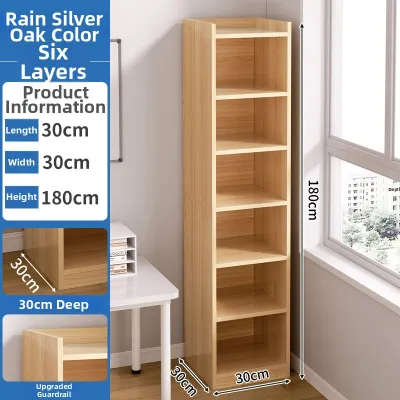
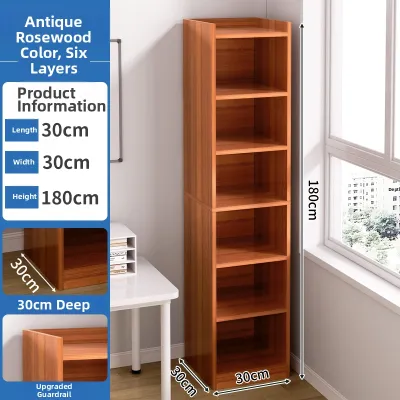
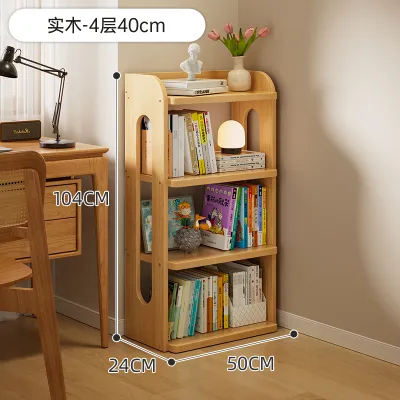
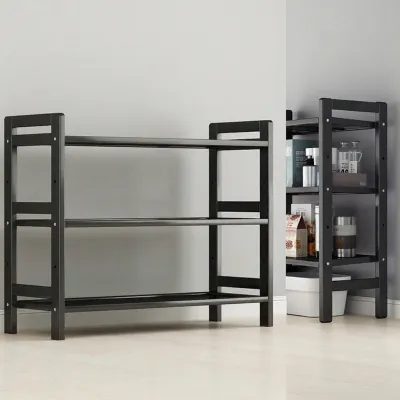
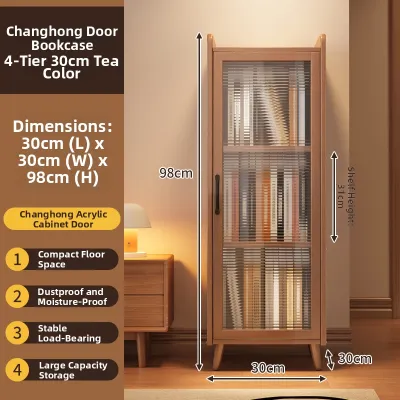
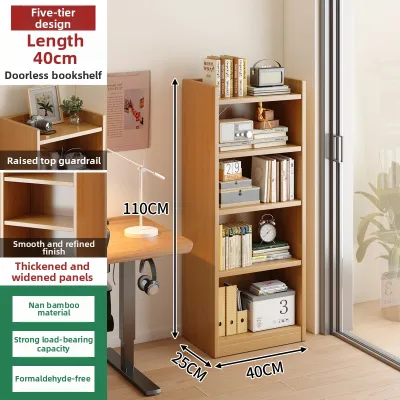
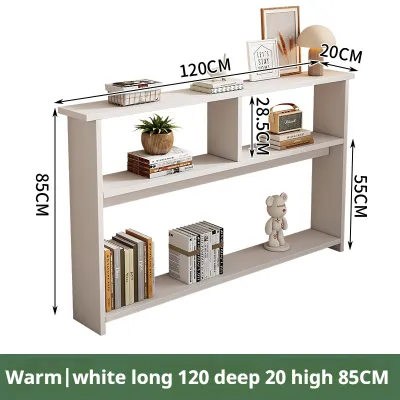
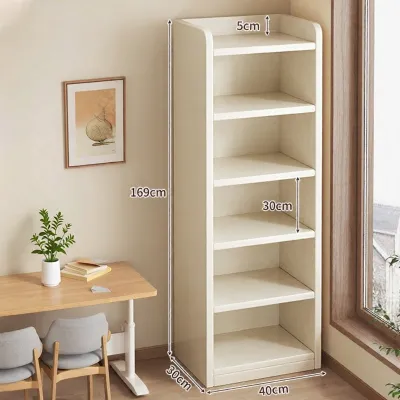
Prices are valid at publication and may change. Please refer to the product page for the latest price.
Comparing standard bookshelf widths with narrow alternatives highlights the typical footprint reduction you can expect. Standard bookcases, which often measure between 80 and 120 centimetres in width, are designed to hold multiple rows of books or large storage boxes side by side. In contrast, a narrow alternative reduces this width by half or more, allowing you to utilize awkward gaps between other furniture pieces, fit storage into tight recesses, or make use of narrow wall strips that would otherwise remain empty.
How to Measure Your Available Space Accurately
Measuring your intended placement area requires a systematic approach to ensure the bookshelf fits both physically and functionally. You must measure three essential dimensions: width, height, and depth. Start by measuring the width of the wall space at three different points—near the floor, in the middle of the wall, and near the ceiling. Walls are rarely perfectly straight, and a variance of even a few millimetres can prevent a tight-fitting bookshelf from sliding into its designated spot.

Next, measure the available height from the floor to the ceiling, taking note of any overhead obstructions such as cornices, beams, light fixtures, or air conditioning units. For the depth, measure how far the bookshelf can extend into the room without obstructing walkways or doors. It is also wise to check the diagonal height of the bookshelf in the manufacturer’s specifications; if you assemble the unit flat on the floor, you will need sufficient ceiling clearance to tilt it upright without scraping the ceiling.
Architectural details can significantly reduce your usable space, so you must account for them before purchasing. Skirting boards along the bottom of the wall are a common obstacle, as they can prevent the bookshelf from sitting flush against the wall. If the bookshelf does not feature a baseboard cutout at the bottom rear, you must subtract the thickness of the skirting board from your available width and depth. Additionally, check for wall-mounted light switches, electrical outlets, window sills, and thermostat controls that might be covered or blocked by the unit.
Finally, you must measure the entire delivery pathway to ensure the furniture can reach its destination. In high-rise residential buildings, this includes measuring the height and width of lift doors, common corridors, stairwells, and your own front entryway. If you purchase a pre-assembled bookshelf, verify that it can clear these tight turns and low ceilings. For flat-packed items, ensure the packaging dimensions are manageable for transport and that you have enough floor space in the room to assemble the unit safely.
Clearance and Safety Considerations for Tight Spaces
A narrow bookshelf must not compromise the flow of movement within your home. It is crucial to maintain adequate walking clearance in front of the unit so that family members can pass by comfortably without bumping into corners. In high-traffic pathways, narrow corridors, or near entryways, a clearance of at least 90 centimetres is generally recommended to ensure comfortable movement and keep emergency exit routes completely unobstructed.
You must also consider the operational clearance of nearby fixtures to prevent functional conflicts. Ensure the bookshelf is positioned so that it does not block the swing path of room doors, wardrobe doors, or cabinet panels. If the unit is placed near a window, check that it does not interfere with the operation of window latches, blinds, or curtains, which should be able to hang and move naturally without being pinched against the side of the bookcase.
Safety is a paramount concern, particularly with tall, narrow furniture designs that naturally have a higher center of gravity. Because narrow bookshelves have a smaller footprint, they are inherently more prone to tipping over if they are overloaded, unevenly loaded, or subjected to accidental bumps. To mitigate this risk, plan to secure the unit to the wall using appropriate anchoring hardware. Identify your wall type—such as solid concrete, brick, or drywall—to select the correct wall plugs and screws, and always install the manufacturer’s safety brackets.
Choosing the Right Narrow Bookshelf for Your Layout
Matching your measured space with the right bookshelf style ensures both aesthetic harmony and functional efficiency. Corner units are highly effective for utilizing dead space in the intersection of two walls, turning an underused area into a practical storage nook. Ladder shelves offer a tapered design that feels visually lighter in small rooms, though they do require more floor depth at the base. Wall-mounted shelves or floating ledges completely free up floor space, making them ideal for ultra-compact entryways where floor area is at a premium.
To maximize storage without increasing the overall width of the unit, look for designs that offer high vertical efficiency. Adjustable shelves are incredibly valuable, as they allow you to customize the height of each compartment to fit your specific books or decorative items, preventing wasted vertical space. Some narrow designs also feature varying compartment depths, with deeper shelves at the bottom for heavy binders and shallower shelves at the top for paperbacks, which helps maintain a stable physical profile.
Before finalizing your purchase, evaluate the weight capacity and material stability of the bookshelf. Narrow shelves can sag or warp over time if they are overloaded with heavy textbooks, files, or dense decorative objects. Check the manufacturer’s specified load limit per shelf and ensure you distribute the weight evenly, placing the heaviest items on the bottom shelves to lower the overall center of gravity. Inspect the joints, frame materials, and assembly instructions to ensure the unit will remain stable under daily use.
Frequently Asked Questions (FAQ)
Can I place a narrow bookshelf over a radiator or heating vent?
Placing a bookshelf directly over or extremely close to a heating source is not recommended due to safety and durability concerns. Continuous exposure to heat can warp wood, dry out adhesives, and damage book bindings or paper over time. Furthermore, blocking a heating vent or radiator restricts airflow, which reduces the heating efficiency of your home and can create a potential fire hazard. Always check the manufacturer’s clearance guidelines and maintain a safe distance between your furniture and any heat sources.
How much space should I leave between the bookshelf and the wall?
Leaving a small gap of approximately 1 to 2 centimetres between the back of the bookshelf and the wall is highly beneficial for air circulation. In humid climates, keeping furniture completely flush against the wall can trap moisture, which may lead to mold growth on both the wall surface and the back panel of the bookcase. If the unit requires wall anchoring for safety, use brackets or straps designed to bridge this small gap securely, ensuring the anchoring system is tensioned correctly according to the manufacturer’s instructions.

Community discussion
Share your experience or ask a question. Comments are reviewed before publication.