
Finding the right display shelf wood configuration for a compact living room or a typical Singapore HDB flat requires balancing storage needs with limited floor space. In high-density urban housing, every square meter counts, making traditional, bulky furniture less practical. A modular wooden display shelf offers a highly adaptable solution, allowing you to customize the height, width, and layout to suit your specific room dimensions.
By utilizing vertical space, choosing the right proportions, and ensuring secure installation, you can showcase your favorite books, plants, and collectibles without cluttering your home. The modular nature of these shelves means they can grow or adapt as your lifestyle and storage needs change over time.
Assessing Spatial Constraints in Compact Layouts
Before purchasing any modular shelving system, a thorough spatial assessment is essential. Start by measuring the clear wall space where you plan to position the unit. Use a reliable measuring tape to record the width, height, and depth of the area, ensuring you measure at multiple points to account for slightly uneven walls.
Products mentioned in this guide
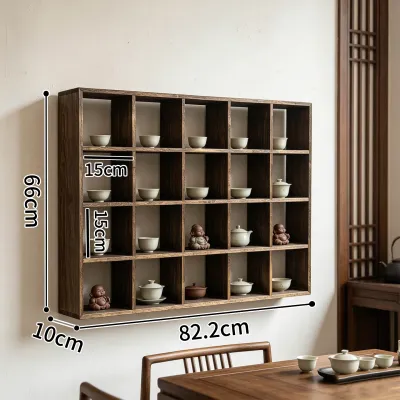
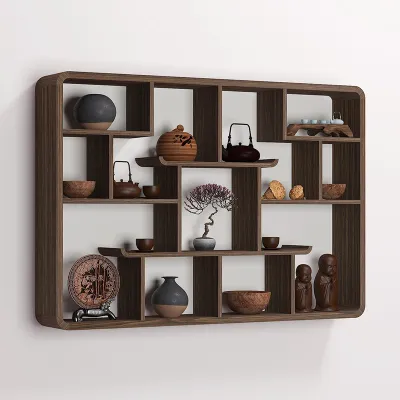
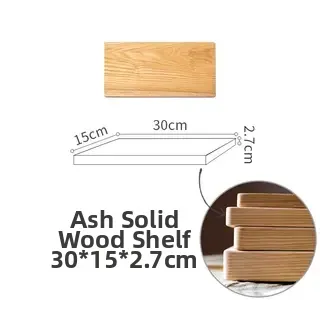
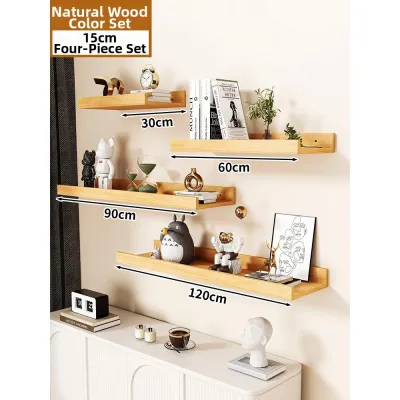
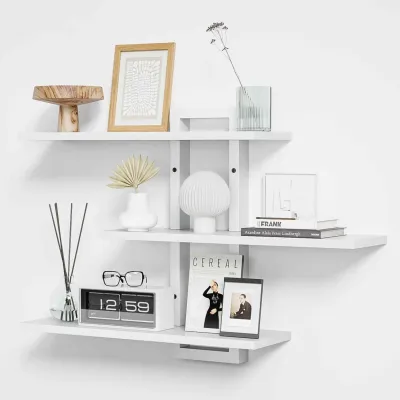
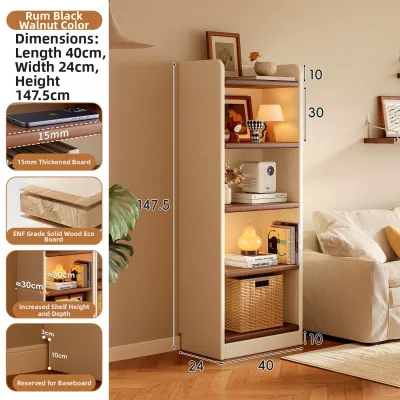
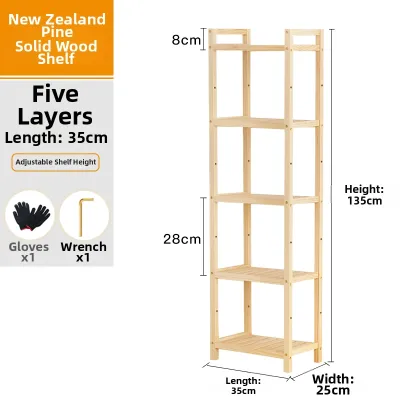
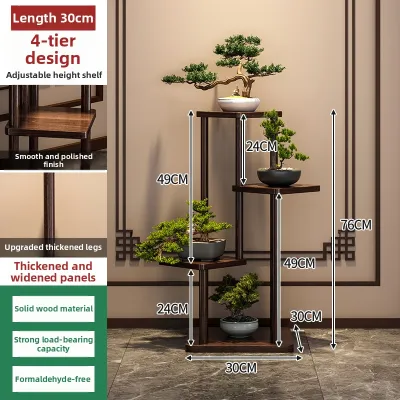
Prices are valid at publication and may change. Please refer to the product page for the latest price.
Do not forget to account for skirting boards at the base of the wall. These boards can prevent a flat-backed shelf from sitting flush against the wall, potentially stealing a centimeter or two of clearance and affecting the stability of the unit.
Additionally, check the swing paths of nearby doors, the clearance needed for walkways, and the movement of existing furniture. Ensure that pulling out a dining chair or reclining on a sofa will not cause a collision with your display shelf.
In many HDB flats, structural pillars, power outlets, light switches, and air conditioning trunking present physical obstacles. Mark these elements on a rough sketch of your wall to ensure your modular configuration does not block access to essential switches or require complex, custom cutouts.
Finally, verify the dimensions of your building’s lift, corridors, and front doorway. This step guarantees that larger pre-assembled modular components can be safely delivered and maneuvered into your home without damage.
Modular Configurations That Maximize Small Spaces
When floor space is limited, the most logical direction to expand is upward. Vertical stacking configurations allow you to utilize the often-underused space close to the ceiling. By stacking modular units vertically, you maximize storage capacity on a minimal footprint, keeping the floor area clear for movement.

Corners are frequently wasted in compact living rooms, but an L-shaped modular configuration can reclaim these dead zones. This setup wraps around the corner, turning an awkward space into a functional display area. It works exceptionally well next to a sofa or in a study nook, providing continuous shelving without interrupting the room’s flow.
To prevent a small room from looking cluttered, opt for a hybrid modular design. This style combines open display tiers on the upper levels with closed cabinets, drawers, or sliding doors at the bottom. The open shelves keep the room feeling airy and allow you to showcase decorative items, while the closed bottom units hide unsightly cables, documents, and daily essentials.
Asymmetric or staggered modular layouts create visual interest and maintain an open, breezy atmosphere. By leaving some sections open or offset, you allow light to pass through the unit. This design choice prevents the shelving from looking like a solid, heavy wall, making the entire living area feel larger and more dynamic.
Selecting Dimensions and Proportions for Visual Balance
Selecting the right dimensions is crucial for maintaining visual balance in a compact living room. A shelf that is too deep will protrude into walkways, disrupting traffic and making the room feel cramped. For a standard display shelf wood setup, a depth of 30cm is generally sufficient for books, photo frames, and small ornaments.
If you plan to store larger storage boxes or media equipment, a depth of 35cm to 40cm may be necessary. However, you must ensure this extra depth does not restrict movement in high-traffic areas. Balance the overall footprint of the shelving unit against the room’s total square footage to avoid overwhelming the space.
Consider the visual weight of the wood material and frame thickness. Light-colored woods, such as oak, rubberwood, or light ash, reflect more light and feel less imposing than dark walnut or mahogany. Additionally, look for modular systems with slender frames or open backs, which preserve the view of the wall behind them and create an illusion of extra space.
Installation, Wall Types, and Load-Bearing Safety
Ensuring structural safety is paramount when installing wooden display shelves, especially when configuring tall or heavy modular setups. The first step is to identify your wall type. Most HDB flats feature sturdy concrete or structural walls, which are ideal for supporting heavy loads when paired with the correct masonry plugs and screws.
However, some internal partition walls are made of lightweight drywall or gypsum board. These walls cannot support heavy, wall-mounted wooden units without proper reinforcement. If you are unsure about your wall’s composition, consult your building plans or hire a professional installer before drilling.
Always review the manufacturer’s specifications for load-bearing limits per tier. Overloading a wooden shelf can cause the wood to sag or bow over time, compromising both its appearance and structural integrity. Never assume a shelf can hold heavy books without checking the manual first.
For tall, freestanding modular stacks, planning for anti-tip anchoring is non-negotiable. Even if the unit feels stable, accidental bumps, uneven flooring, or curious pets can cause a tall shelf to tip forward. Secure the top of the modular unit to the wall using heavy-duty brackets or anti-tip straps designed for furniture safety.
Common Placement and Sizing Mistakes to Avoid
One common mistake when configuring modular shelving is overloading deep shelves in narrow corridors or tight living areas. This not only restricts physical movement but also creates a heavy, claustrophobic atmosphere. Keep walkways clear and choose shallower shelves for tight passages.
Another frequently overlooked factor is the natural behavior of wood. Solid wood is a living material that reacts to changes in humidity and temperature. In Singapore’s tropical climate, high humidity can cause wood to expand slightly. When placing your shelves, leave a small expansion gap of a few millimeters between the unit and adjacent walls to prevent warping, buckling, or mold growth behind the furniture.
Additionally, avoid blocking natural light sources or ventilation paths. Placing a tall modular configuration directly next to a window or balcony door can block natural sunlight, making your living room feel dark and small. Ensure the shelf does not obstruct the airflow from air conditioning units or the sweep of ceiling fans, as this can affect both your comfort and the longevity of the wooden furniture.
Frequently Asked Questions (FAQ)
Can I mount heavy wooden display shelves on partition walls?
Generally, lightweight partition walls or drywalls are not designed to support the weight of heavy, solid wood display shelves on their own. Drilling directly into drywall without locating the internal metal or wooden studs can lead to wall damage and shelf collapse. If you must mount shelves on a partition wall, it is crucial to locate the studs using a stud finder and secure the mounting brackets directly into them.
Alternatively, choose a freestanding or floor-supported modular shelving system. These designs transfer the bulk of the weight to the floor, requiring only basic wall anchors at the top to prevent tipping. This makes them a much safer choice for partition walls while still providing the aesthetic of a built-in display.
How do I prevent a tall modular wood shelf from tipping over?
To secure a tall modular wood shelf, always install an anti-tip kit or heavy-duty wall brackets. These safety devices anchor the top of the shelving unit directly to a wall stud or concrete wall, preventing it from falling forward. This is especially important in households with children or pets.
Proper weight distribution is another key factor in maintaining stability. Always place your heaviest items, such as large books, storage boxes, or heavy ceramic pots, on the lowest shelves. Keep the upper tiers reserved for lighter decorative items, photo frames, and small plants. Finally, make it a habit to regularly inspect the structural joints, screws, and wall fasteners to ensure nothing has loosened over time.

Community discussion
Share your experience or ask a question. Comments are reviewed before publication.