
Configuring modular shelving units for maximum storage efficiency is a strategic process that transforms cluttered rooms into highly organized, functional spaces. By tailoring the height, depth, and accessories of your shelving to your specific belongings, you can eliminate wasted vertical space and keep daily essentials within easy reach. Achieving this level of efficiency requires careful planning, starting with precise physical measurements and ending with a secure, stable installation. Whether you are organizing a compact utility room, a household shelter, or a living area, a systematic approach ensures your modular system remains safe, adaptable, and fully optimized for your lifestyle.
Assess Your Space and Storage Needs
Before purchasing any shelving components, you must thoroughly evaluate the physical boundaries of the intended room. Begin by measuring the available floor width, depth, and vertical clearance of the wall space. It is essential to account for architectural obstacles such as baseboards, skirting boards, electrical outlets, light switches, and wall-mounted air conditioning units. Forgetting to factor in a protruding baseboard can prevent a shelving unit from sitting flush against the wall, which compromises both stability and aesthetic alignment.
In addition to the final installation spot, you must plan the logistics of getting the components into your home. Measure the clearances of your doorways, hallways, and lift doors to ensure that long upright posts or wide shelf boards can be transported safely. In many high-rise apartments, tight corridor corners or low lift ceilings can present unexpected challenges during delivery. Verifying these dimensions beforehand prevents the frustration of receiving modular parts that cannot physically reach the designated room.
Products mentioned in this guide
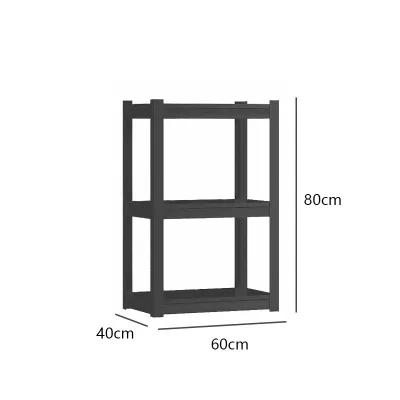
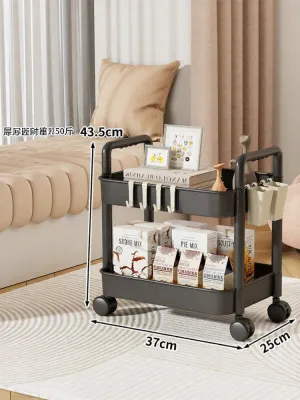
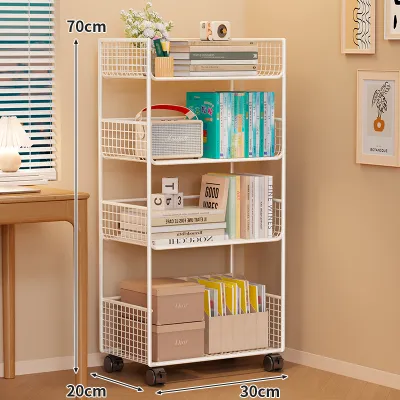
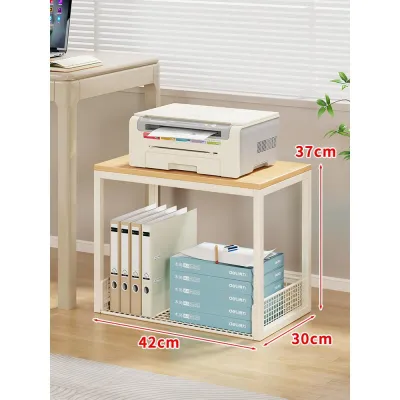
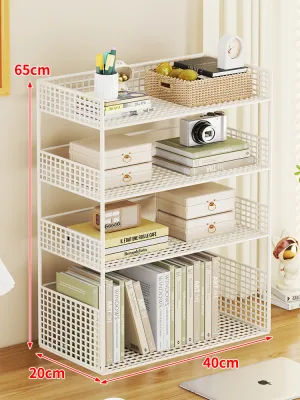
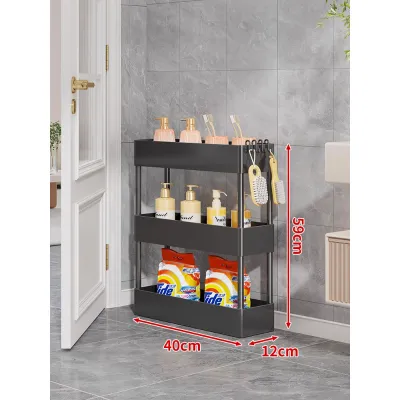
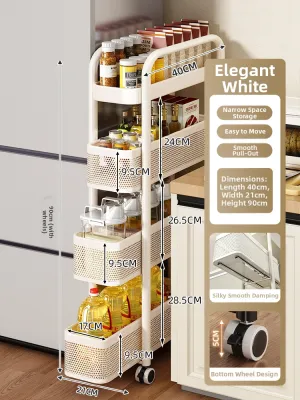
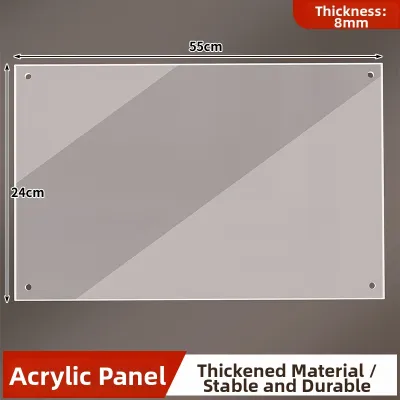
Prices are valid at publication and may change. Please refer to the product page for the latest price.
Once the physical space is mapped, turn your attention to the items you plan to store. Gather your belongings and group them by size, weight, and how often you need to access them. For example, heavy kitchen appliances or bulky storage boxes should be grouped together, while lightweight decorative items or seasonal documents require different handling. This categorization process creates a clear blueprint for your shelf layout, directly dictating where specific shelf heights and heavy-duty supports will be necessary.
Plan the Modular Shelf Layout
Designing an effective modular layout requires balancing horizontal footprint with vertical expansion to maximize every square centimeter of your room. Start by mapping out the base units, which form the foundation of your storage system. Decide whether a single wide unit or multiple adjacent units will best fit your floor space without blocking walkways or door swings. In compact rooms, utilizing vertical add-on units allows you to capture unused overhead space, effectively doubling your storage capacity without taking up additional floor area.

To maintain structural integrity and safety, you must plan your storage zones based on weight distribution. Allocate the lowest shelves for your heaviest and bulkiest items, such as luggage, heavy tools, or large storage crates. Placing these items at the bottom lowers the overall center of gravity of the shelving unit, which significantly reduces the risk of tipping. Reserve the middle shelves for frequently used items that should remain at eye level, and use the topmost shelves exclusively for lightweight, infrequently accessed belongings.
Adjustable shelving is the cornerstone of modular efficiency, allowing you to eliminate the “dead space” often found in fixed furniture. Measure the height of your tallest items in each category and plan your shelf positions accordingly. Instead of spacing all shelves equally, customize the gaps so that there is only a small clearance of two to three centimeters above the tallest item on each level. This tight configuration prevents wasted vertical gaps, allowing you to squeeze extra shelf tiers into the same vertical frame.
Configure Components for Different Item Types
Selecting the right modular components is crucial for ensuring that your belongings are stored securely and remain easily accessible. Start by matching the depth and width of the shelf boards to the physical dimensions of your largest items. If you plan to store deep plastic bins, ensure the shelf depth fully accommodates them without any overhang. Overhanging items not only look untidy but can also create uneven weight distribution, leading to instability or accidental falls.
Standard flat shelves are excellent for uniform boxes, but irregular or small items require specialized modular accessories to prevent clutter. Integrate pull-out bins or drawers for loose items like cables, tools, or craft supplies, keeping them contained and out of sight. Vertical dividers are highly effective for keeping books, files, or baking pans upright, while pegboards attached to the sides of the frame can hold hanging tools or accessories. Utilizing these specialized components ensures that every item, regardless of its shape, has a dedicated and secure spot.
Before loading your shelves, always verify the manufacturer’s stated weight capacity for each individual tier and the overall frame. Weight limits can vary significantly depending on whether the shelves are made of steel, engineered wood, or wire mesh. Distribute the weight evenly across the entire surface of each shelf rather than concentrating heavy items in the center. Concentrated loads can cause shelf boards to bow or sag over time, which permanently damages the material and compromises the safety of the entire system.
Assemble, Adjust, and Secure the System
The physical assembly of your modular shelving system must be executed with care to ensure long-term stability and safety. Always follow the manufacturer’s recommended assembly sequence step-by-step, ensuring that all structural joints, locking clips, and connectors are fully engaged. Rushing the assembly or skipping minor steps can result in a weak frame that may wobble or fail under load. If the system uses boltless keyhole connectors, use a rubber mallet to gently tap the beams into place, verifying that they are seated completely in their slots.
An uneven floor can cause a shelving unit to lean, leading to frame racking and structural stress. Use a spirit level during the assembly process to check both the horizontal alignment of the shelves and the vertical alignment of the upright posts. If your floor is slightly uneven—which is common near floor drains in service yards or on tiled surfaces—utilize the unit’s adjustable leveling feet to compensate. Ensuring the frame is perfectly plumb and level distributes the weight evenly across all support legs.
Securing your shelving unit to the wall is a non-negotiable safety step, especially for tall or top-heavy configurations. Apply the appropriate wall anchors or anti-tip kits provided by the manufacturer, selecting the correct wall plugs for your specific wall material. For concrete or brick walls, which are standard in many modern apartments, you will need a masonry drill bit and heavy-duty wall plugs. Properly anchoring the unit prevents accidental tip-overs caused by uneven loading, earthquakes, or accidental bumps, protecting both your household and your belongings.
Maintain and Reconfigure Over Time
A modular shelving system is designed to adapt to your changing needs, but maintaining its safety and appearance requires ongoing care. Perform routine structural checks every few months, especially after reorganizing or adding new items. Inspect the joints, brackets, and wall anchors to ensure nothing has loosened due to daily vibrations or shifting loads. Tighten any loose screws or fasteners immediately to maintain the rigid structural integrity of the frame.
Keeping the surfaces clean not only maintains the visual appeal of your storage but also extends the lifespan of the materials. Clean the shelves and hardware according to the manufacturer’s specific material care instructions. For powder-coated steel frames, a damp microfiber cloth is usually sufficient, while wooden components may require specialized wood cleaners. Avoid using harsh chemical solvents or abrasive scrubbing pads, which can strip away protective finishes and leave the underlying material vulnerable to rust or moisture damage.
One of the greatest advantages of modular shelving is its ability to evolve alongside your household. Periodically reassess your storage layout to see if your current configuration still serves your needs. If you acquire new hobbies, change your storage boxes, or need to accommodate different items, do not hesitate to adjust the shelf heights or add compatible modules. Always remember to re-verify weight limits and adjust your wall anchors if you significantly increase the height or load of the system.
Frequently Asked Questions (FAQ)
Can I add more modules to my existing shelving unit later?
Yes, most modular systems allow for horizontal or vertical expansion, but you must first verify compatibility with the manufacturer’s guidelines. Check if the existing base unit and upright posts are rated to support the additional weight of new modules. Always use matching connection hardware from the same brand and product line to ensure secure joints. If you are expanding vertically, remember to re-evaluate your wall anchoring system to handle the increased height and potential shift in the center of gravity.
How do I prevent tall modular shelves from tipping over?
Preventing tip-overs requires a combination of smart loading practices and secure physical anchoring. Always load the heaviest items on the bottom shelves to keep the center of gravity as low as possible. Never climb on the shelves or overload the upper tiers. Most importantly, install a compatible anti-tip kit or wall anchor bracket directly into a wall stud or solid concrete wall, following the manufacturer’s exact safety instructions to ensure the unit remains completely stable.
What is the best way to clean and maintain modular shelf surfaces?
To clean modular shelf surfaces safely, always refer to the manufacturer’s material-specific care labels. For most metal, wire, or laminate shelves, wipe them down with a soft, damp cloth and a mild, non-abrasive detergent. Avoid using harsh chemical cleaners, bleach, or steel wool, which can scratch or degrade the protective finish. Ensure all surfaces are completely dry before placing your items back on the shelves to prevent moisture from being trapped under boxes, which can lead to rust or warping.

Community discussion
Share your experience or ask a question. Comments are reviewed before publication.