
Configuring a modular corner shelf rack is one of the most effective ways to reclaim underutilized space in a compact apartment. Standard rectangular shelving often leaves awkward gaps in tight corners, whereas a dedicated modular system conforms directly to the intersecting walls. By selecting customizable components, you can tailor the height, shelf depth, and overall layout to match your specific storage needs and room aesthetics.
To achieve a stable and visually appealing setup, the process requires systematic planning, precise physical measurements, and proper anchoring. Without a structured approach, you risk purchasing components that block essential outlets, wobble on uneven floors, or fail to support your items safely. Taking the time to assess your space and assemble the unit methodically ensures a durable storage solution that maximizes every square centimeter of your home.
Measure and Assess Your Corner Space
Before purchasing any modular components, you must establish the exact physical boundaries of the corner. Begin by measuring the floor-to-ceiling height, even if you plan to install a shorter unit, as this helps you visualize the vertical scale and clearance. Next, measure the width along both intersecting walls from the corner apex to the point where the shelving must end. Finally, measure the diagonal depth from the corner apex outward to ensure the unit will not protrude too far into your main walking paths.
Products mentioned in this guide
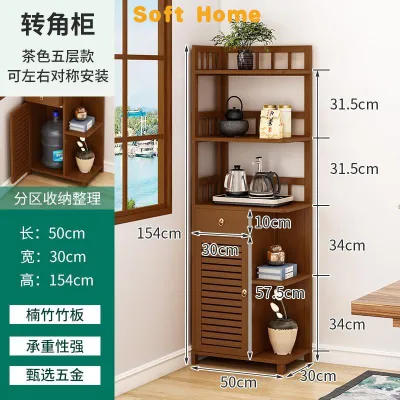
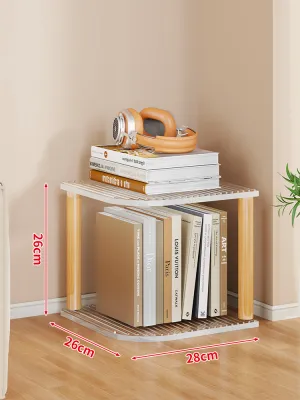
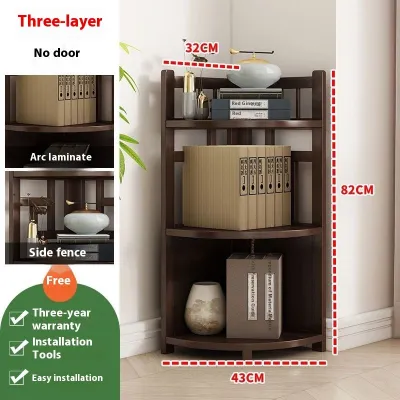
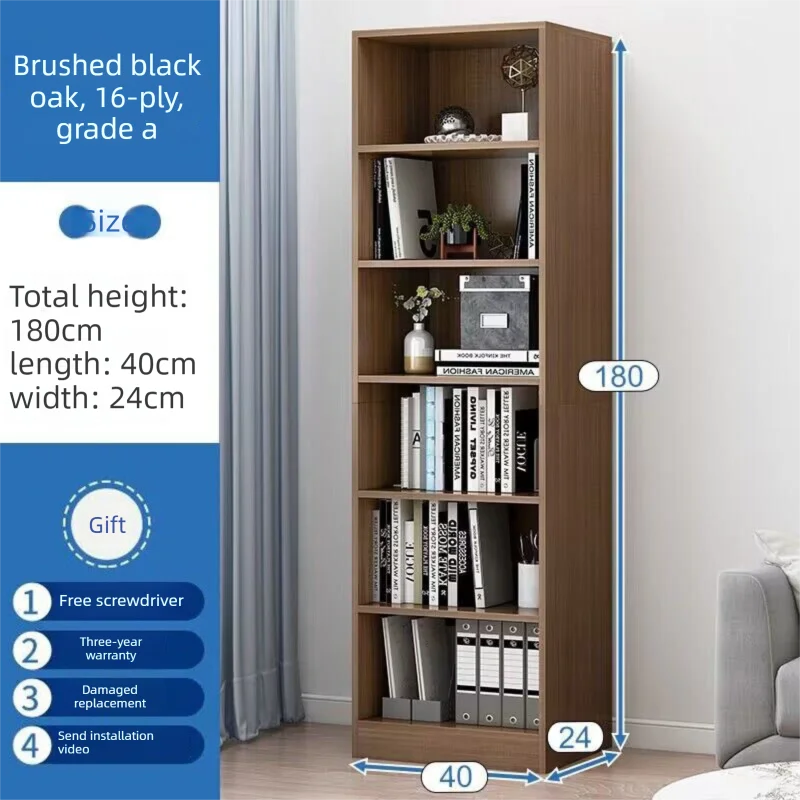
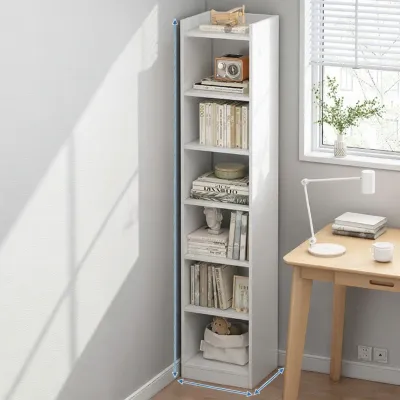
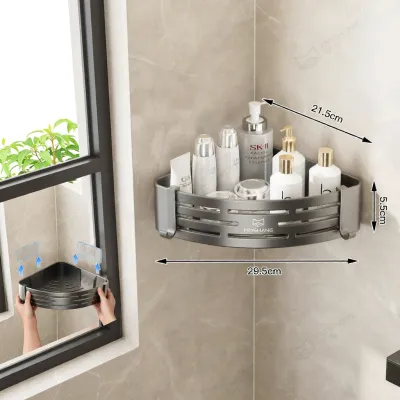

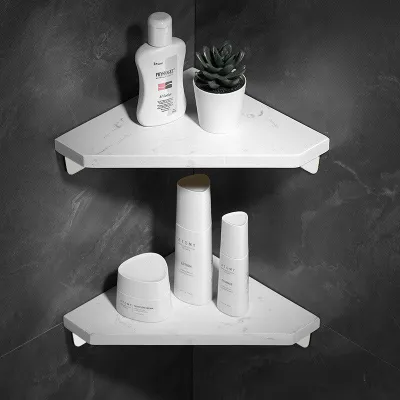
Prices are valid at publication and may change. Please refer to the product page for the latest price.
In compact apartments, architectural details and utilities often restrict where furniture can sit flush. Inspect the base of the walls for baseboards, which can prevent the shelf frame from touching the wall directly. Take note of the location of power outlets, light switches, internet ports, and ventilation grilles. Blocking these utilities can make daily tasks highly inconvenient, so your modular layout must either leave them accessible or incorporate open-backed frames.
The structural composition of your walls determines how you will secure the corner shelf rack. In many modern apartments, especially concrete-walled units common in Singapore, you will encounter solid concrete or structural brick. Other homes may feature drywall partitions with internal timber or metal studs. Identifying your wall type early allows you to select the correct drill bits, wall plugs, or heavy-duty anchors required to keep the modular system completely stable.
Plan Your Modular Shelf Configuration
Once you have your exact measurements, you can design a layout that balances storage capacity with structural stability. Modular systems typically consist of vertical uprights, horizontal shelves, and specialized corner connectors. Sketching a simple grid of your corner allows you to map out where individual cubes, open tiers, or closed cabinets will sit. This visual plan helps you determine the exact quantity of each component to purchase, preventing mid-assembly delays.

A fundamental rule of modular shelf design is to establish a low center of gravity. Plan to place your heaviest items, such as books, storage bins, or small appliances, on the lowest tiers of the rack. The middle and upper shelves should be reserved for lighter decorative items, plants, or daily essentials. This weight distribution significantly reduces the risk of the unit tipping forward and minimizes stress on the upper joints and wall anchors.
Irregular architectural features require a highly flexible modular approach. If your apartment features sloped ceilings, protruding structural columns, or exposed copper pipes, look for modular systems with adjustable bracket heights or independent corner units. Choosing a system that allows you to skip a shelf tier or adjust the height of individual panels ensures you can work around these obstacles without compromising the structural integrity of the entire rack.
Gather Tools and Prepare the Area
Having the correct tools on hand before you begin assembly prevents frustration and ensures a precise installation. Gather a reliable tape measure, a spirit level to check alignment, and a pencil for marking drill points. If you are mounting to drywall, a stud finder is essential for locating structural support. For concrete or masonry walls, you will need a power drill with a hammer function and matching masonry drill bits, along with high-quality wall plugs.
Preparing the physical workspace is just as important as gathering your tools. Clear all existing furniture, rugs, and decorative items from the corner to give yourself ample room to maneuver. Lay down a thick drop cloth, heavy blankets, or the flattened cardboard boxes from your packaging to protect your flooring. This precaution is especially important for delicate surfaces like polished parquet, vinyl, or ceramic tiles, which can easily scratch during assembly.
Unbox all the modular components carefully and organize them by type on your protective floor covering. Before assembling anything, locate the manufacturer’s instruction manual and cross-reference the included hardware with the parts list. Verifying that you have every screw, bracket, dowel, and connector prevents the inconvenience of stopping midway through the build due to a missing component.
Assemble and Install the Corner Shelf Rack
When you are ready to build, always follow the manufacturer’s specified assembly sequence. Most modular systems require you to construct the base frame first before adding vertical supports and horizontal tiers. Connecting the corner joints securely at each stage ensures that the frame remains rigid. Avoid tightening all screws completely during the initial setup; leaving them slightly loose allows for minor adjustments as you align the entire structure.
As you build upward, use a spirit level frequently to check that the shelves are perfectly horizontal and the uprights are vertical. Even a minor tilt at the base of a tall corner shelf rack can become a significant lean near the top. If your apartment floor is slightly uneven, adjust the leveling feet on the bottom of the frame or place thin, durable shims underneath the base until the spirit level indicates the unit is perfectly plumb.
Once the structure is fully assembled and leveled, tighten all the hardware securely. The final and most critical step is anchoring the unit to the wall to prevent accidental tipping. Align the manufacturer-provided safety brackets with the marked points on your wall. Drill the pilot holes using the correct bit size for your wall type, insert the appropriate wall plugs or anchors, and secure the brackets tightly to both the wall and the shelf frame.
Organize and Maintain Your Corner Storage
With the corner shelf rack securely installed, you can begin organizing your belongings. Distribute the weight evenly across the width of each shelf rather than clustering heavy items in the center or on one side. If your modular system uses individual fabric or plastic bins within cubes, slide them in gently to avoid jarring the frame. Keeping frequently used items at eye level makes daily retrieval easy without disrupting the organization of other shelves.
Always respect the weight limits specified by the manufacturer for each individual shelf and the overall unit. Overloading modular components can cause shelves to sag, joints to weaken, or wall anchors to pull loose over time. If you notice any bowing in the shelves or slight movement in the frame when retrieving items, immediately remove some weight and inspect the structural components for signs of stress.
Regular maintenance ensures your modular corner shelf remains safe and functional for years. Every few months, perform a quick visual check of the entire unit. Gently wiggle the frame to ensure the wall anchors remain tight and flush against the wall. Use a screwdriver or hex key to tighten any screws or bolts that may have loosened slightly due to daily vibrations, temperature changes, or shifting loads.
Frequently Asked Questions (FAQ)
Can I configure a modular corner shelf without drilling into the wall?
Freestanding corner units can pose a significant tipping hazard, especially if they are tall, narrow, or heavily loaded. In high-traffic areas or homes with active pets and young children, wall anchoring is highly recommended for safety. If drilling is strictly prohibited by your tenancy agreement, you must select a low-profile, wide-base modular unit that keeps the center of gravity very close to the floor.
Some modular systems offer alternative stabilization methods, such as floor-to-ceiling tension poles or heavy-duty pressure mounts. These systems rely on vertical pressure between the floor and ceiling to remain upright without screws. However, these alternatives are strictly subject to manufacturer specifications and are only safe when installed on solid, flat ceilings and floors that can withstand the constant upward and downward pressure.
How do I handle uneven walls or floors in an older apartment?
Older apartments often feature floors that slope slightly or walls that are not perfectly square. To address uneven floors, choose a modular corner shelf rack equipped with adjustable leveling feet. By screwing these feet in or out individually, you can compensate for floor variances and ensure the entire unit sits level without rocking.
If your walls are bowed or do not meet at a perfect 90-degree angle, do not force the shelf frame tight against both surfaces. Instead, leave a small, uniform gap between the shelf and the wall where necessary. When securing the unit, use adjustable wall-mounting brackets or specialized spacers that can bridge the gap between the frame and the uneven wall surface without distorting the shape of the shelf.

Community discussion
Share your experience or ask a question. Comments are reviewed before publication.