
Maximizing vertical storage in a compact Singapore home requires smart planning, especially in tight areas like HDB kitchens and service balconies. A modular pegboard shelf system offers a highly customizable solution to clear countertop clutter and organize household essentials. By utilizing vertical wall space, you can keep daily items within arm’s reach while maintaining clear walkways. Configuring this setup successfully depends on precise measurements, material selection, and layout planning tailored to your specific environment.
Assessing Your Wall Space and Pegboard Dimensions
Before purchasing any modular shelving components, you must evaluate the physical limits of your designated wall. In compact kitchens and balconies, every centimeter counts. Start by measuring the height, width, and depth of the available wall space. Be sure to account for the swing radius of cabinet doors, window openings, appliance clearances, and the general flow of foot traffic. A pegboard shelf that protrudes too far into a narrow kitchen walkway can become a constant bumping hazard.
Next, identify the composition of your wall. Most Singapore HDB flats feature solid concrete or precast walls, which require a masonry drill and heavy-duty wall plugs to support load-bearing structures. If you are mounting onto a drywall partition, you must locate the internal studs or use specialized hollow-wall anchors. Never guess the weight capacity of your wall; always verify the manufacturer’s guidelines for both the board and the mounting hardware to prevent structural failure.
Products mentioned in this guide
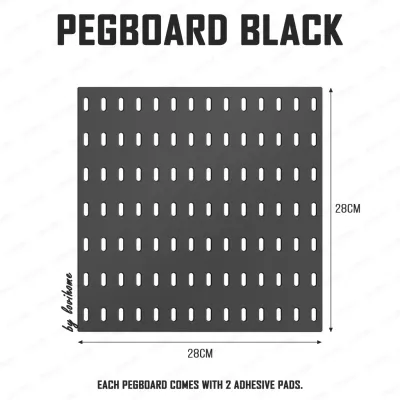
![[SG Stock]DIY Pegboard Set Accessories Desk Organizer Pegboard Holder No Drill Wall Shelf Board Multiple Usage](https://img.lazcdn.com/g/p/d3b6e33bda2c85ee115022b3e312d4a6.jpg_400x400q80.jpg_.webp)
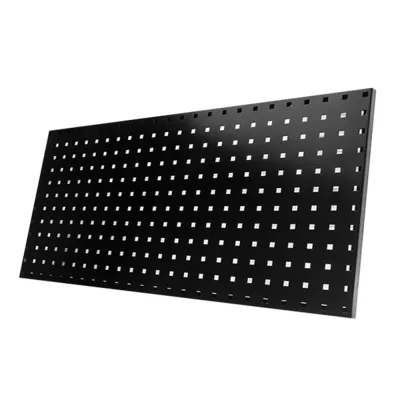
![[Installation Service Available] Wooden Pegboard Organizer DIY Storage Display Panels Wall Hook Shelves](https://img.lazcdn.com/g/p/eac74fd1c87eba4bc98757b188435720.jpg_400x400q80.jpg_.webp)
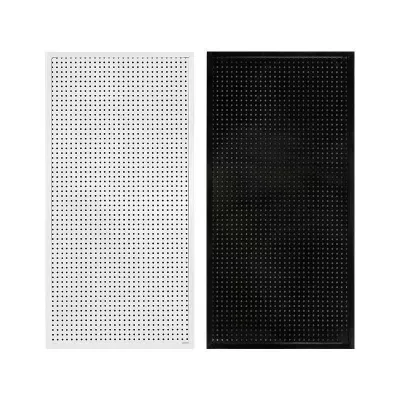
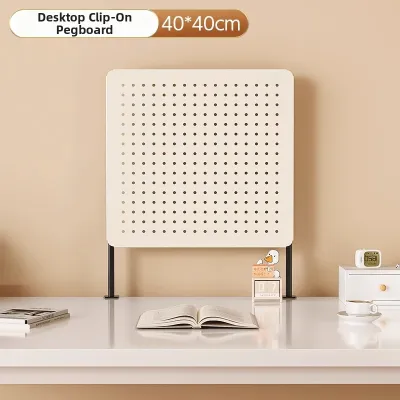
Prices are valid at publication and may change. Please refer to the product page for the latest price.
Finally, pay close attention to the technical specifications of the pegboard itself. Pegboards are not universally compatible. You must verify the thickness of the board, the diameter of the holes, and the spacing between the holes. Standard systems typically use either a 1-inch (25.4 mm) spacing or a metric 25 mm spacing. Purchasing accessories that do not match these exact measurements will leave you with loose, unstable hooks or shelves that cannot be mounted at all.
Planning Space-Efficient Layouts for Compact Areas
An effective pegboard layout relies on strategic zoning based on how often you use your items. Divide your board into three horizontal zones to optimize accessibility. Place your most frequently used items, such as cooking utensils, daily spices, or hand tools, in the middle zone at eye level. The upper zone is best reserved for lightweight, seasonal, or rarely used items. Keep heavier or bulkier items in the lower zone, ensuring they are securely supported and do not pose a safety risk if they slip.

To maintain visual order and physical balance, organize your accessories using a grid-like approach. Group long items, such as spatulas, tongs, or cleaning brushes, into vertical columns. Use horizontal rows for modular shelves, storage bins, and small container organizers. This structured arrangement prevents the board from looking chaotic and makes it much easier to locate specific items quickly in a busy household.
Clearance is another critical factor when planning your layout. Always leave adequate vertical space between a pegboard shelf and the hooks or items positioned directly below it. For instance, if you plan to place tall oil bottles or potted plants on a shelf, measure their height beforehand to ensure they do not collide with the accessories mounted above. Leaving a comfortable buffer zone also allows you to remove and replace items smoothly without knocking adjacent pieces loose.
Selecting Modular Shelves, Hooks, and Accessories
Choosing the right attachments is just as important as selecting the board itself. Start by matching hook types and load capacities to the specific items you intend to store. Light-duty wire prongs are suitable for hanging lightweight utensils or keys, but heavier items like cast-iron pans or potted herbs require heavy-duty steel brackets. Always check the manufacturer’s packaging for weight ratings and distribute the load evenly across the board rather than clustering heavy items in one corner.
Incorporate modular shelves to handle items that cannot be hung on hooks. A sturdy pegboard shelf is ideal for holding spice jars, small storage canisters, or decorative plants on a balcony. When selecting these shelves, look for options with raised edges or front lips. These design features prevent round containers or pots from sliding off the edge if the shelf is accidentally bumped or exposed to vibrations from nearby appliances like washing machines.
In narrow walkways, safety is a primary concern. Standard loose hooks can easily wobble or fall out of the board when you lift an item. To prevent this, look for accessories with built-in locking mechanisms, such as plastic peg locks or screw-in brackets. Angled hooks and deep-well bins also provide extra security, ensuring that your kitchen tools or balcony gardening supplies stay firmly in place even in high-traffic zones.
Installation Steps and Environmental Safety Checks
Proper installation is the foundation of a safe and functional pegboard shelf system. Always follow the manufacturer’s step-by-step instructions carefully. When mounting the board, you must maintain a precise gap between the back of the pegboard and the wall surface. This clearance—typically created using spacers, standoffs, or wooden furring strips—is absolutely necessary to allow the curved ends of the hooks to insert and lock into the holes properly. Mounting a pegboard flush against a flat wall will render the holes unusable.
This rear gap also serves an environmental purpose, particularly in humid climates. In kitchens and semi-outdoor balconies, trapping moisture behind a tightly mounted board can lead to mold growth, wall discoloration, and material rot. Ensuring continuous airflow behind the board helps keep the wall dry. If you are drilling into concrete, ensure your holes are clean of dust before tapping in your wall plugs, and tighten all mounting screws evenly to distribute the tension.
Environmental factors must dictate your material choices. For balcony setups or high-humidity kitchen zones near sinks and stoves, standard fiberboard (MDF) pegboards should be avoided as they absorb moisture, swell, and sag over time. Instead, verify that your pegboard and metal hardware are explicitly rated for damp or outdoor exposure. Opt for powder-coated steel, anodized aluminum, or high-grade plastic (ABS) boards, and pair them with stainless steel or galvanized hooks to prevent rust and structural degradation.
Frequently Asked Questions (FAQ)
Can I install a pegboard shelf on a tiled kitchen wall?
Yes, but it requires careful preparation to avoid damaging your kitchen tiles. Drilling into ceramic or porcelain tiles carries a high risk of cracking the surface. You must use a specialized tile or diamond-tipped masonry drill bit, running your drill at a slow speed without the hammer action engaged. If you prefer a damage-free approach, some lightweight plastic pegboards can be mounted using heavy-duty, moisture-resistant adhesive strips. However, these adhesive options have strict weight limitations and are only suitable for holding lightweight accessories like plastic cups or small utensils.
How do I prevent metal hooks from rusting on a balcony pegboard?
Preventing rust on a balcony pegboard starts with smart material selection. Before purchasing, check the product specifications to ensure the hooks and shelves feature a protective finish, such as powder coating, galvanization, or stainless steel construction. For ongoing maintenance, perform routine checks and wipe down the hardware with a dry cloth to remove salt spray or condensation. Position your pegboard away from direct rain, air conditioning condenser exhausts, and garden sprinkler systems to minimize exposure to standing water.

Community discussion
Share your experience or ask a question. Comments are reviewed before publication.